Overview: real Tokyo, no filters
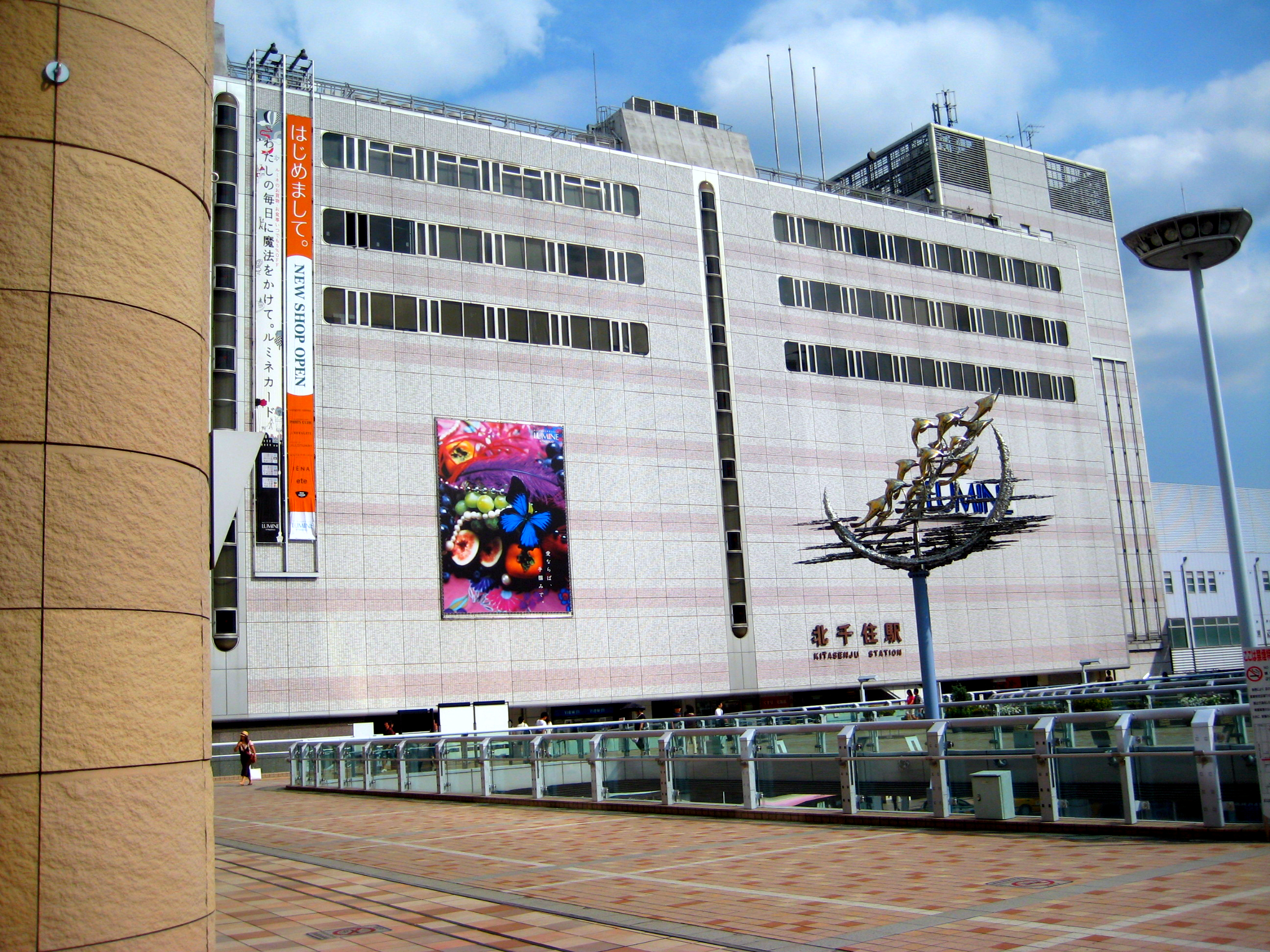
Akabane, Kameido, and Kitasenju sit outside Tokyo’s polished nightlife narrative. These are working-city districts where drinking is routine, affordable, and loud. If Shibuya is performance and Ebisu is polish, this is habit.
Not about: Trendiness, tourists, curated experiences.
Peak hours: 17:00–22:30 (many places start early).
Akabane 赤羽
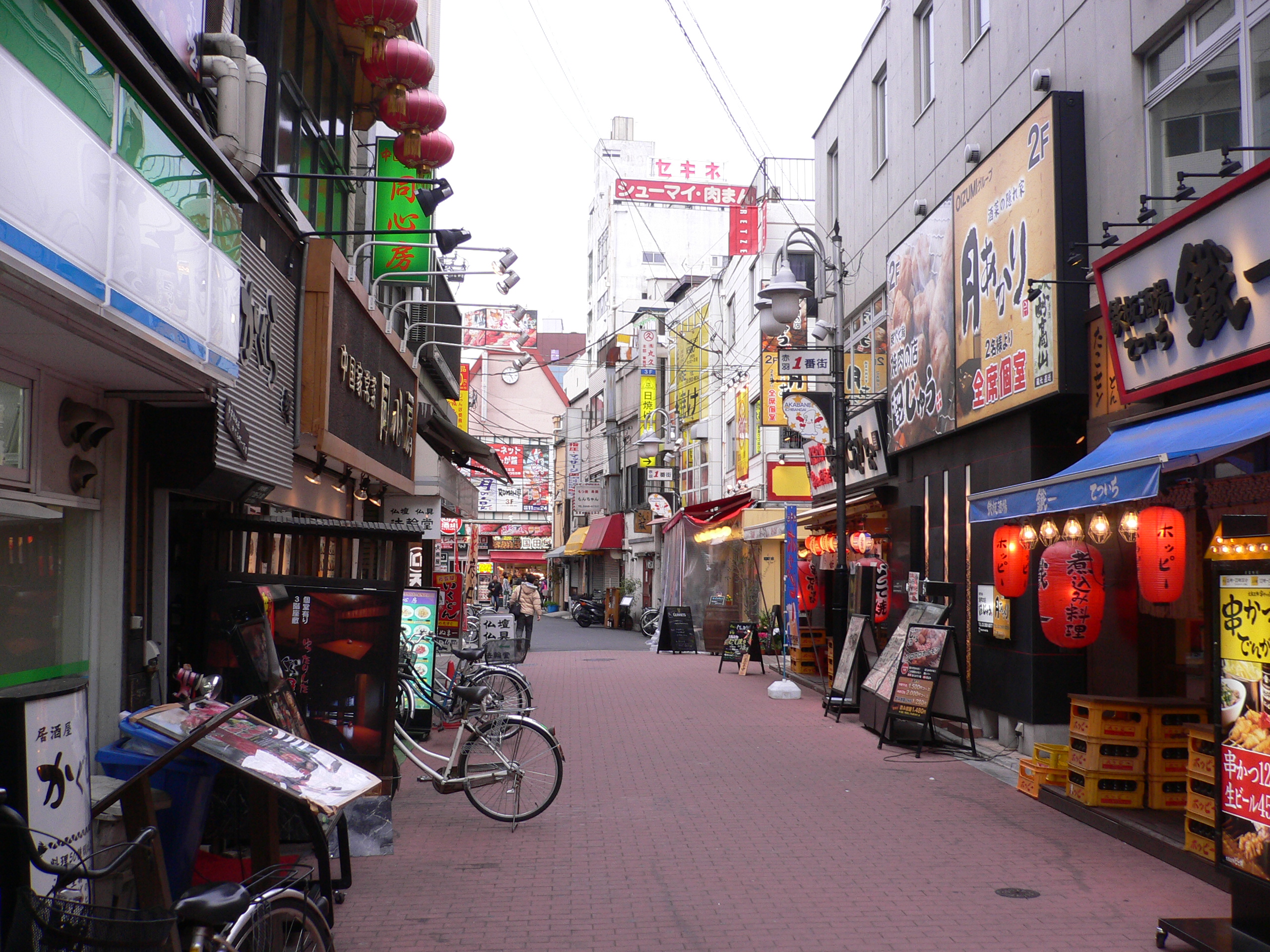
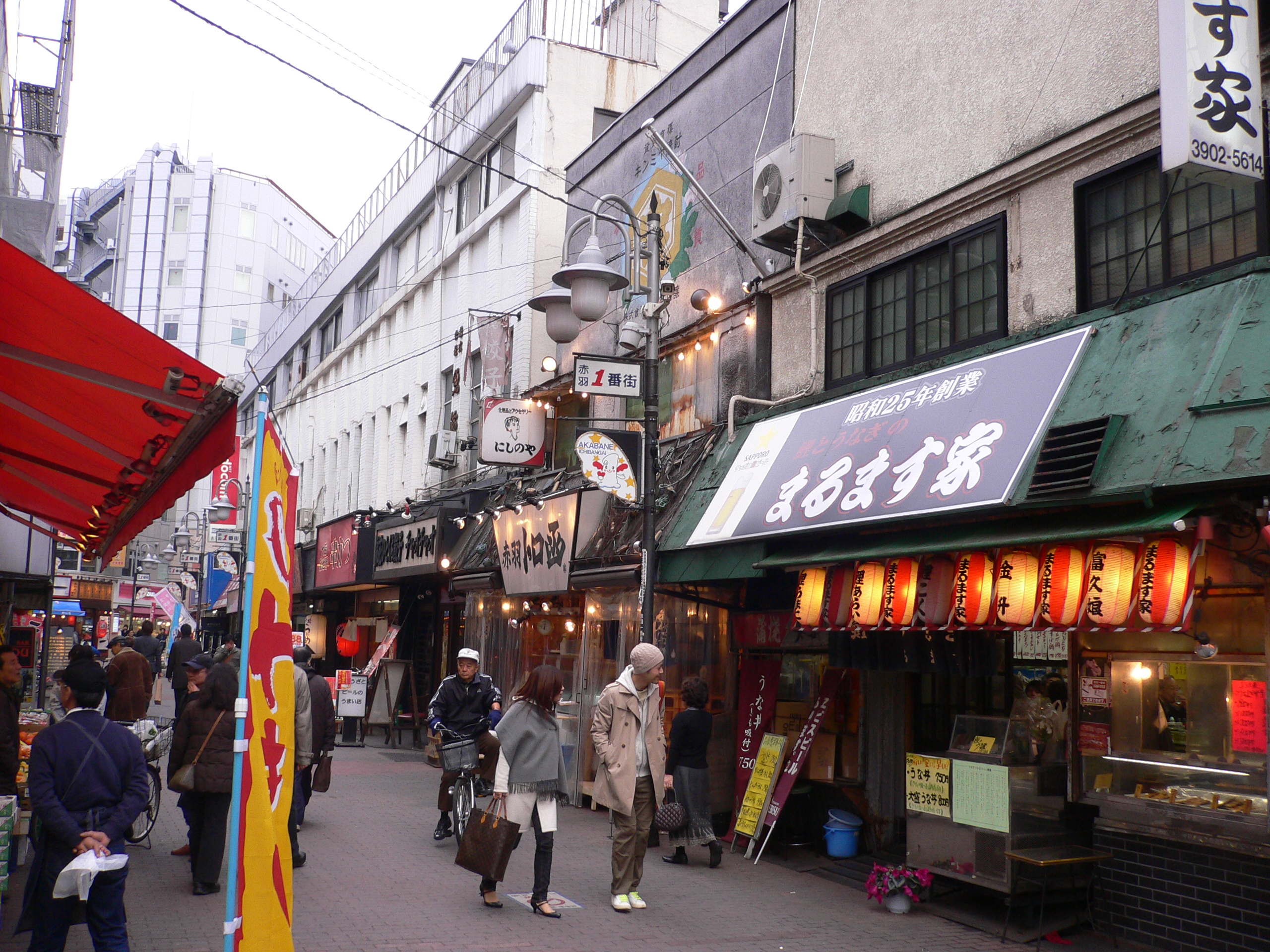
Akabane is legendary among Tokyo drinkers. Izakaya, tachinomi (standing bars), and yokocho cluster tightly around the station, creating a zone where hopping three or four places in one night is normal.
These neighborhoods drink because it’s Tuesday — not because it’s special.
How to do it: One drink per place, then move.
Energy: High, noisy, friendly if you keep up.
Kameido 亀戸
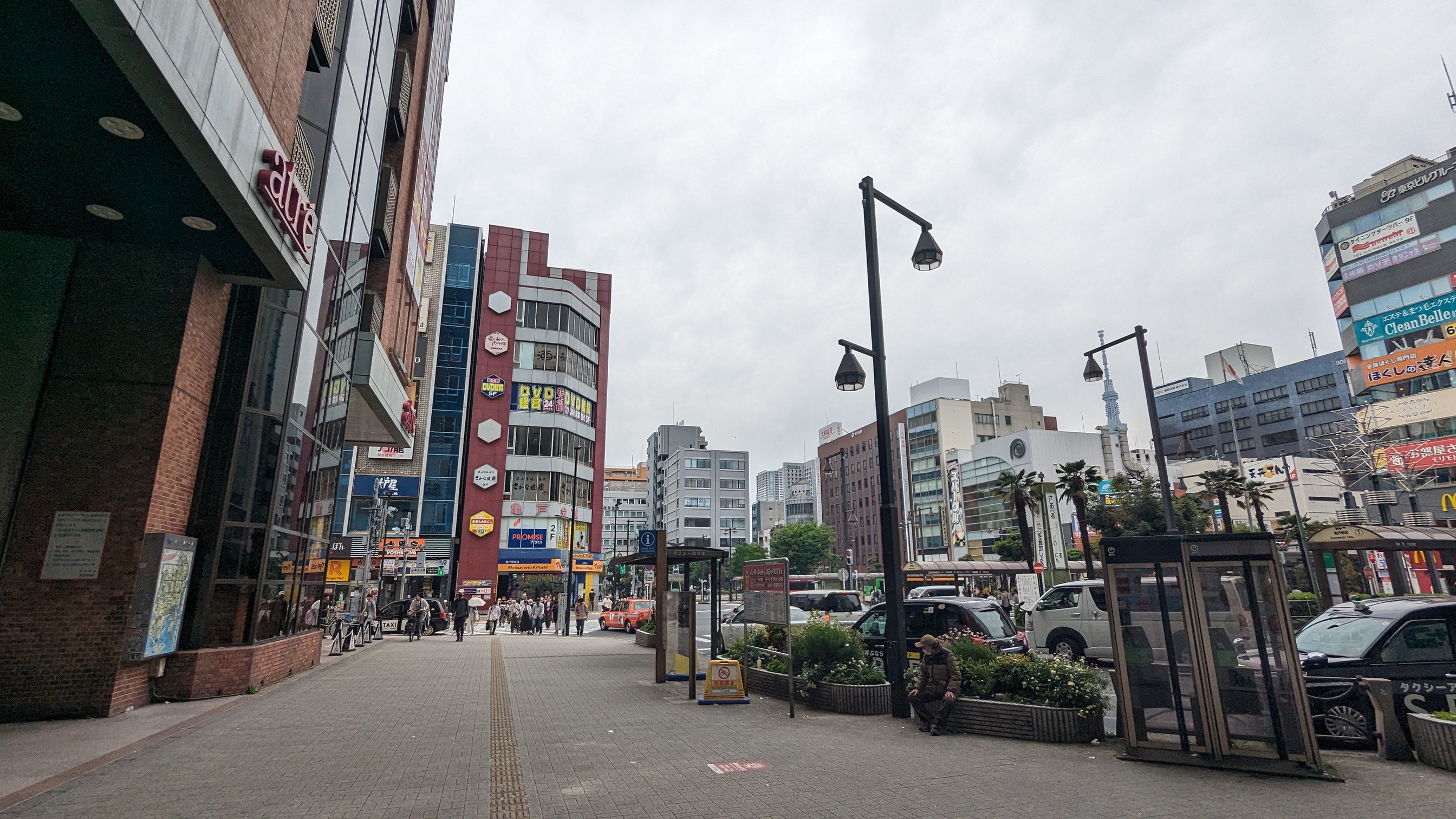
Kameido is quieter and more residential than Akabane or Kitasenju. Nightlife here is mostly izakaya, yakitori shops, and small bars serving locals who live nearby. It’s about familiarity, not discovery.
How to do it: Choose one place and settle in.
Atmosphere: Calm, conversational, predictable.
Kitasenju 北千住
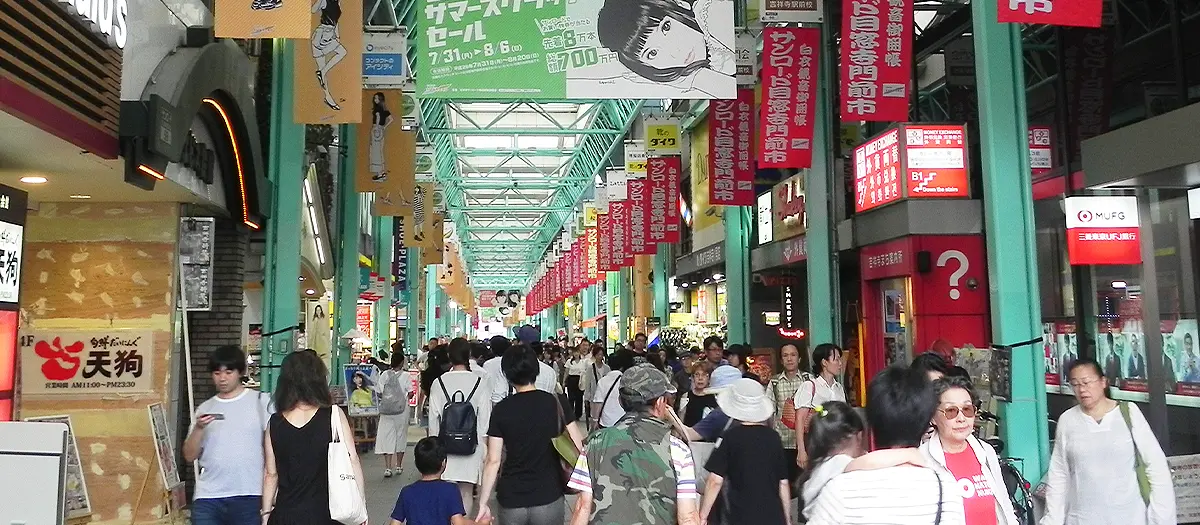
Kitasenju combines scale with grit. Around the west exit and shotengai you’ll find an enormous number of izakaya, bars, and late-night eateries serving students, workers, and long-time residents.
One of Tokyo’s most underrated nightlife hubs.
How to do it: Walk away from the station — density increases fast.
Energy: Busy, social, mixed-age crowds.
How to do north/east Tokyo
These districts reward respect for local rhythm. They are generous, but not patient with hesitation.
• お通し (otoshi): normal at seated izakaya.
• Standing bars often have no charge.
• Prices are usually written clearly — look around.
• Drink early, eat early.
• Rotate often in standing zones.
• Know when to stop — locals do.