Overview: how Asakusa works at night
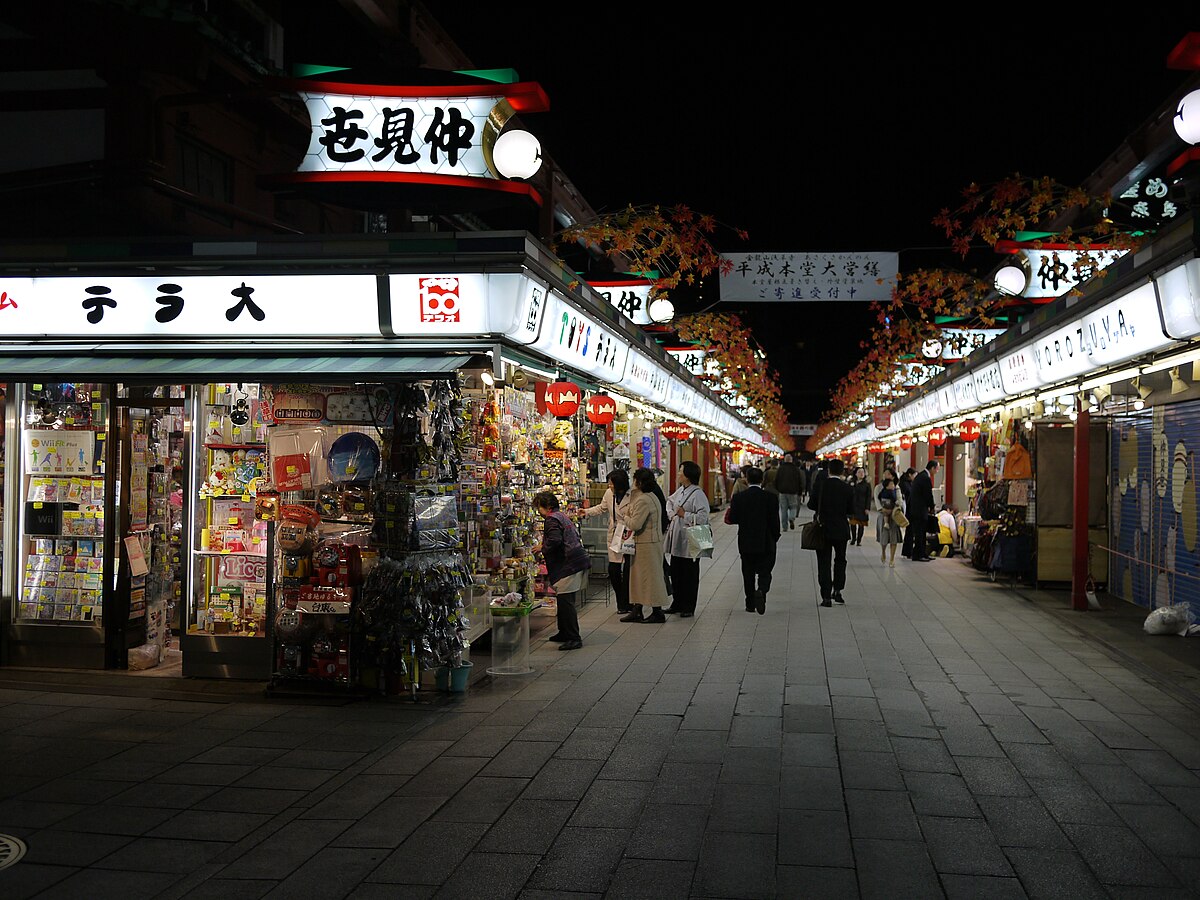
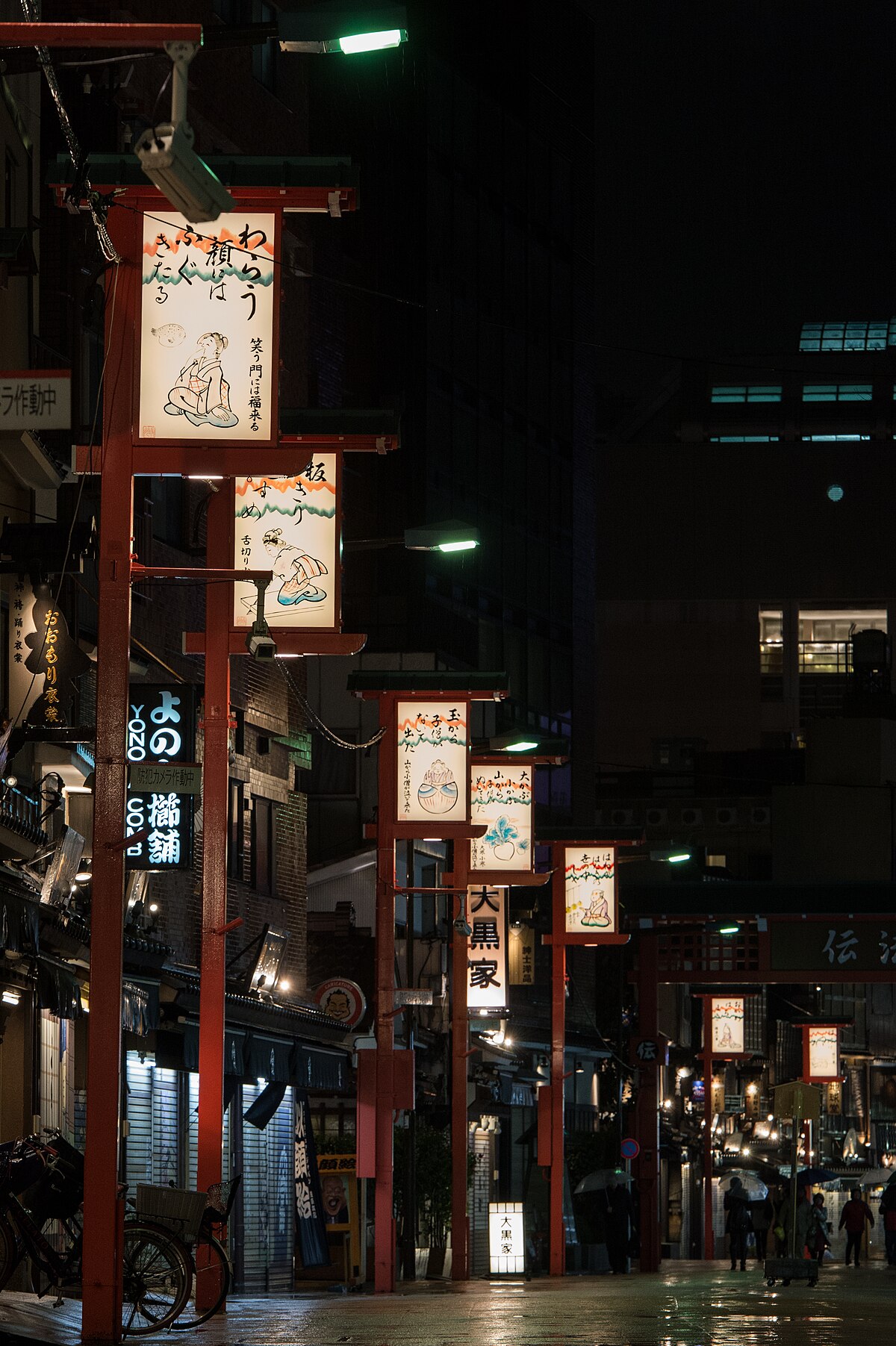
Asakusa is the classic postcard of Tokyo — but its best “deep” side appears after dark. The daytime tourism layer peels away, leaving a downtown drinking town: izakaya, casual eateries, open-air tables, old snack bars, and streets that feel unchanged for decades.
Not about: Big clubs, international party crowds, flashy nightlife.
Peak hours: 17:00–22:30 (Hoppy Street starts early).
Sensō-ji & Nakamise 浅草寺・仲見世
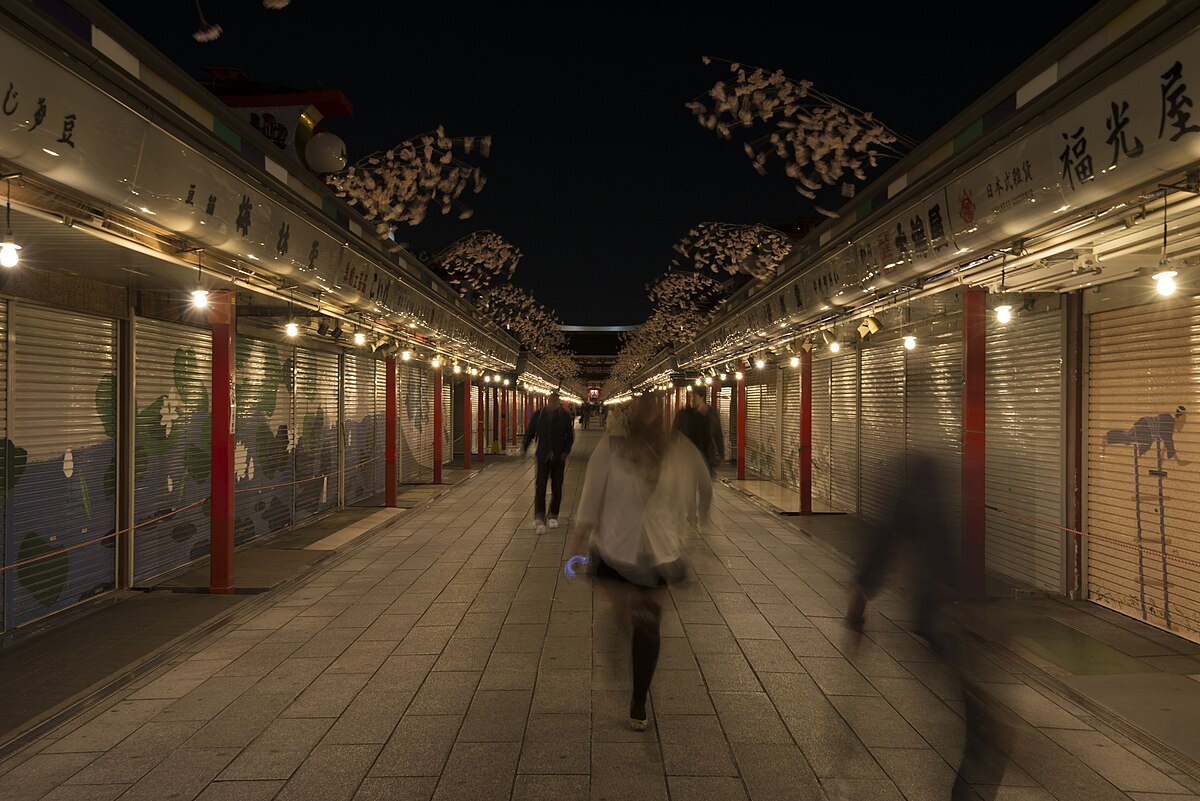
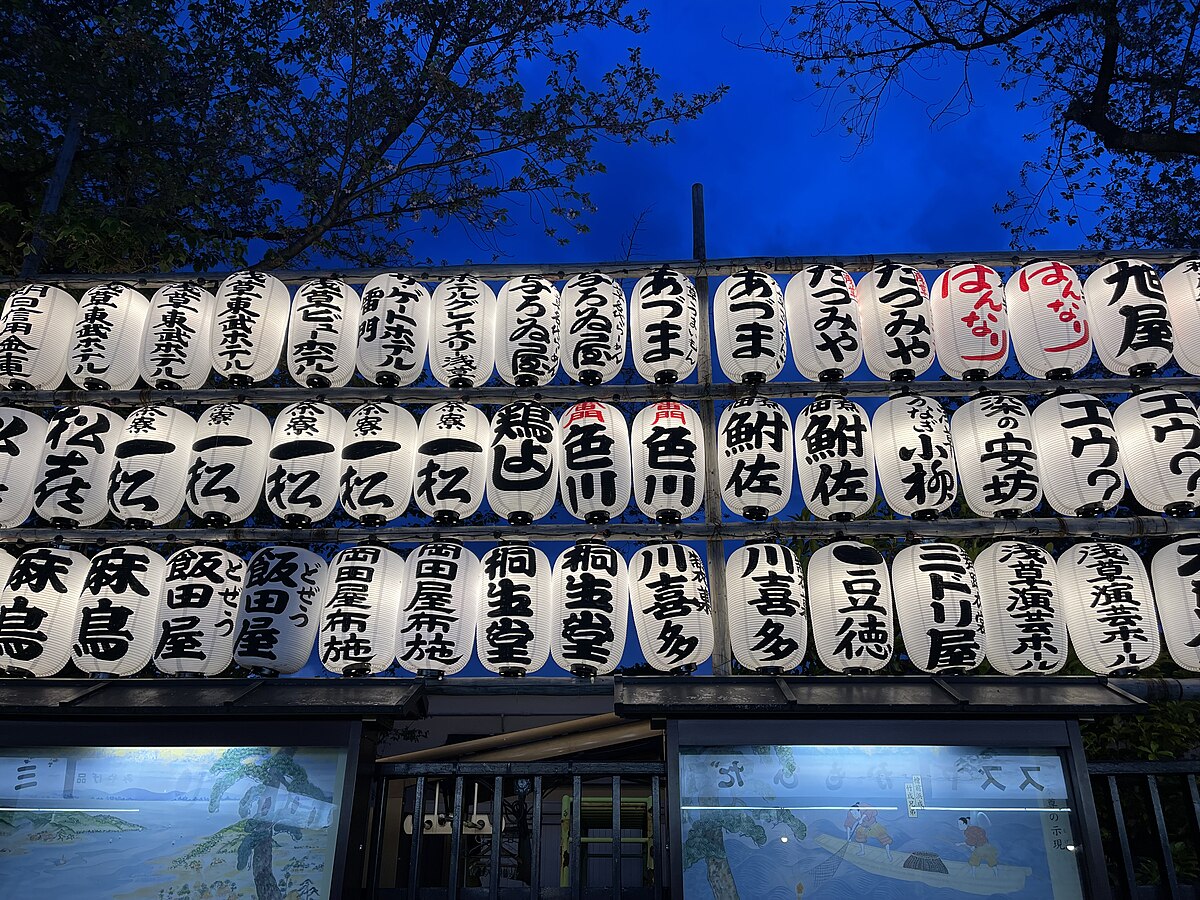
The Sensō-ji area is not “nightlife” in the club sense, but it’s one of Tokyo’s best evening walks. After shops close, the crowds thin and the lighting changes everything. This is where you reset your pace before stepping into the louder drinking streets nearby.
How to do it: Walk slowly; let people pass; keep voices low near the temple.
Pairing: Temple walk → Denpōin/Rokku food → Hoppy Street drinks.
Denpōin-dōri & Rokku 伝法院通り・浅草六区
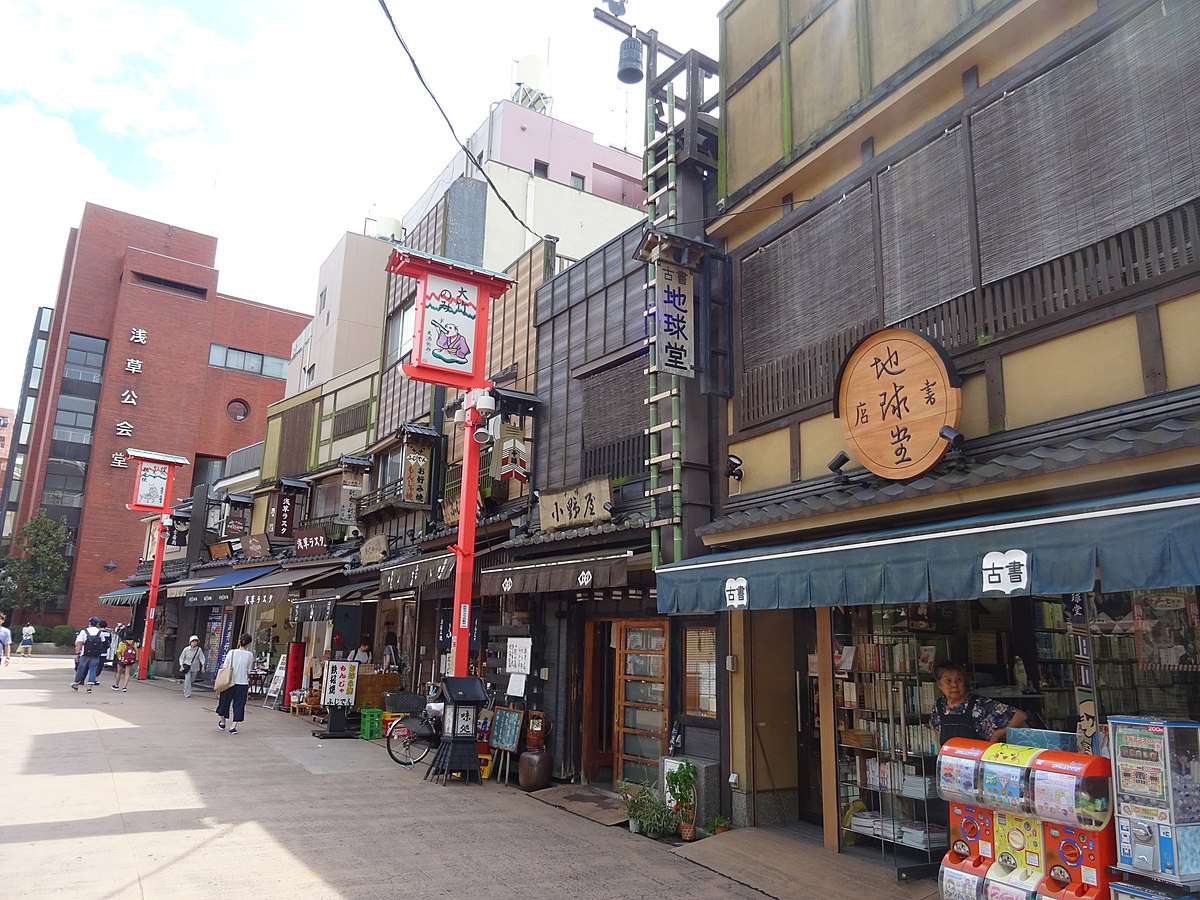
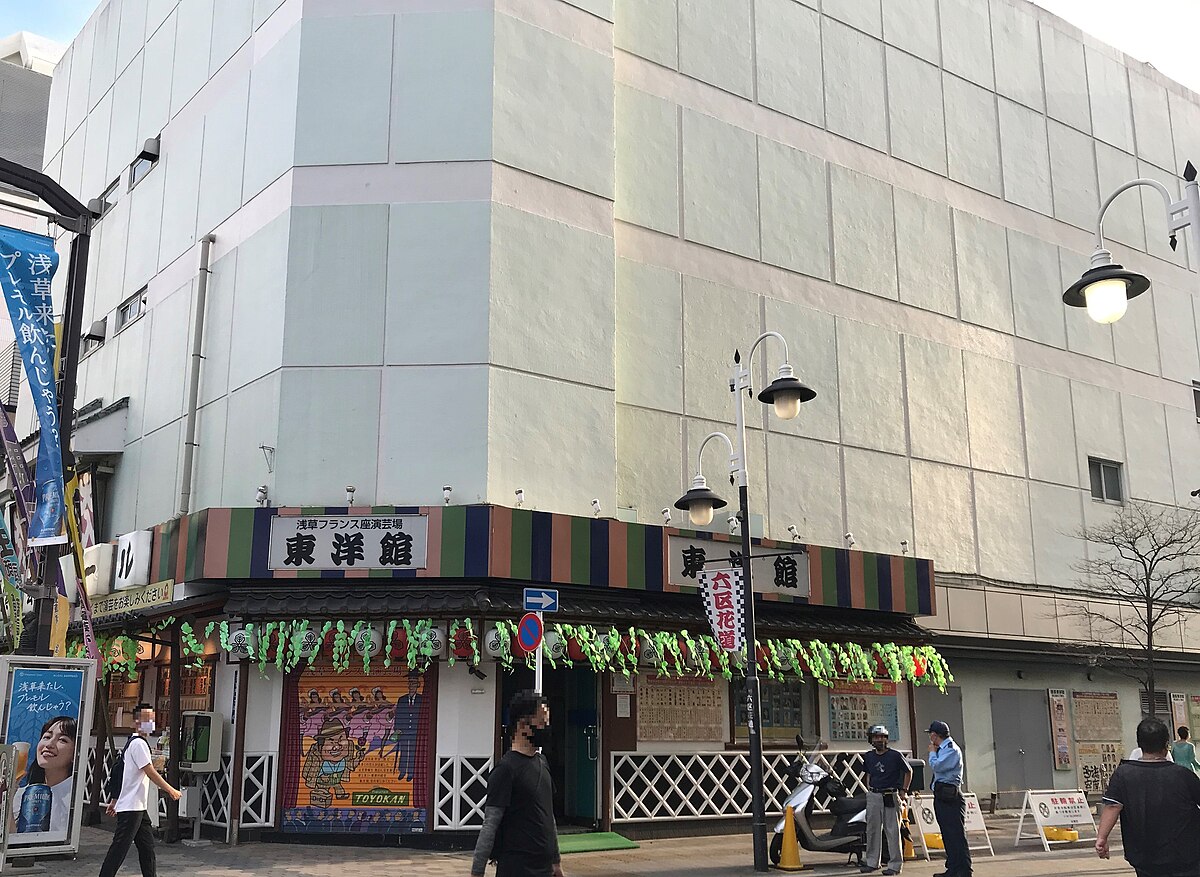
Denpōin-dōri and Rokku form Asakusa’s “easy entry” evening zone. It’s lively, well-lit, and built for walking. Think: casual restaurants, izakaya, and a visible, approachable “night street” atmosphere.
How to do it: Eat here, then drink deeper in side streets or Hoppy Street.
Vibe: Social but not chaotic.
Hanayashiki side streets (the “next to Hanayashiki” drinking pocket) 花やしき周辺
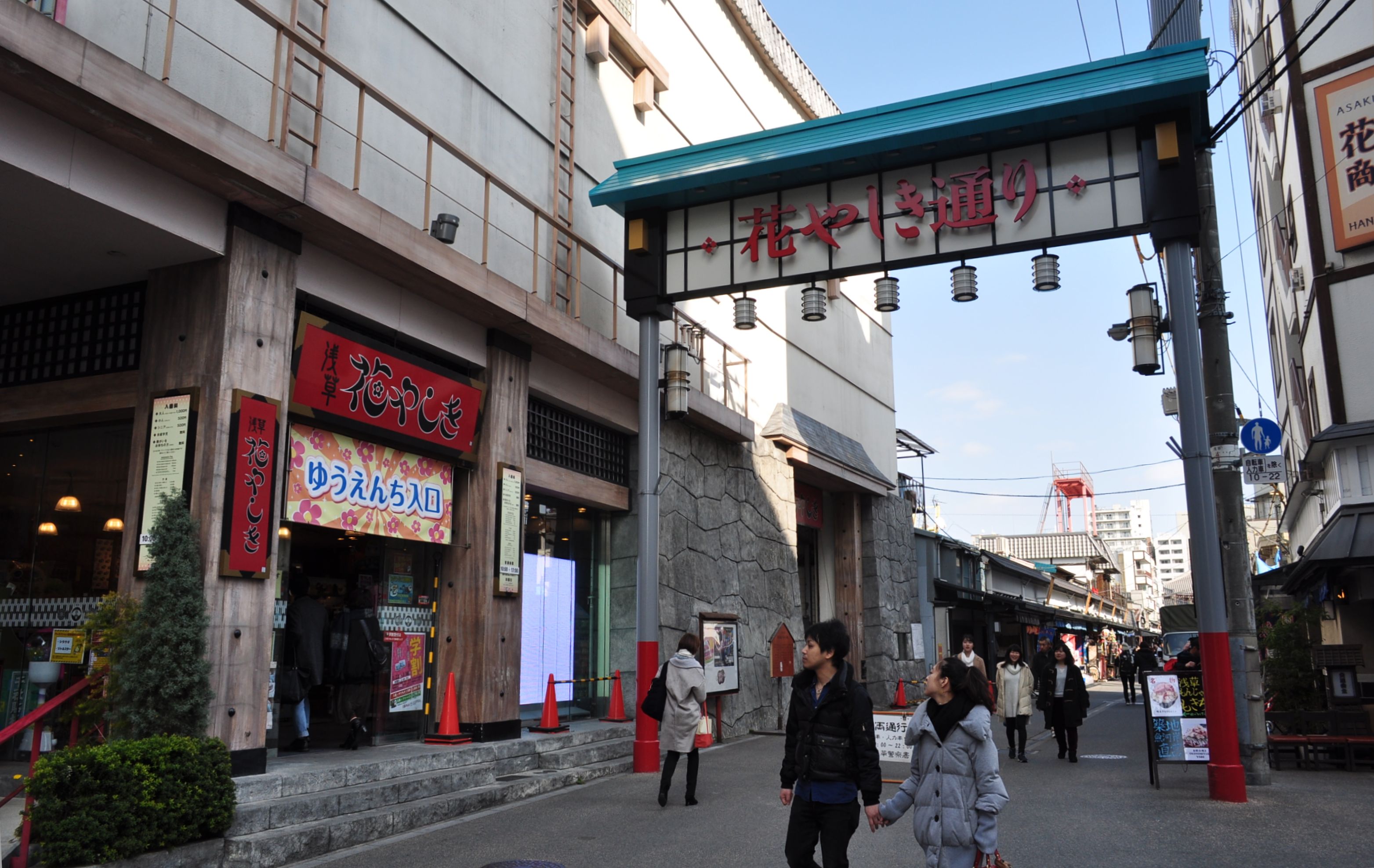
Around Hanayashiki (Japan’s oldest amusement park) there’s a compact pocket of side streets that turns into a genuine local drinking zone at night. It’s not a single famous alley — it’s a “micro-maze” of small izakaya, casual bars, and backstreet eateries with regulars.
How to do it: Choose places with people inside and visible menus; keep your pace relaxed.
Vibe: Neighborhood-feel, not “destination nightlife.”
Hoppy Street ホッピー通り
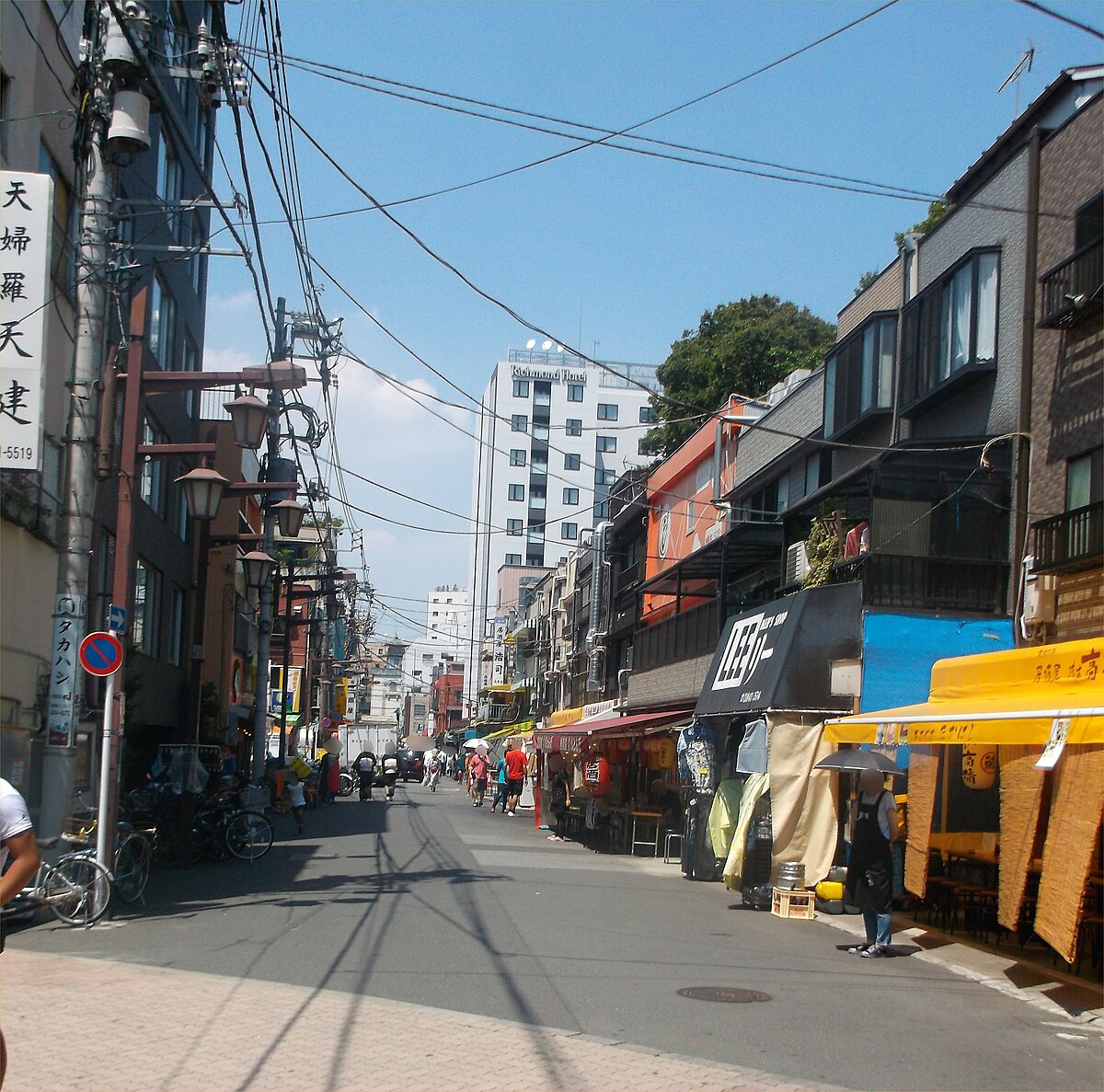

Hoppy Street is Asakusa’s most famous drinking strip: open-air seating, inexpensive drinks, and an atmosphere that feels like a nightly festival. People drink here early, loudly, and together.
Best for: Groups, first-time “downtown Tokyo” experience, high-energy casual nights.
How it works: You may share tables; staff move fast; expect crowd noise.
Asakusa shotengai & backstreets 商店街・裏通り
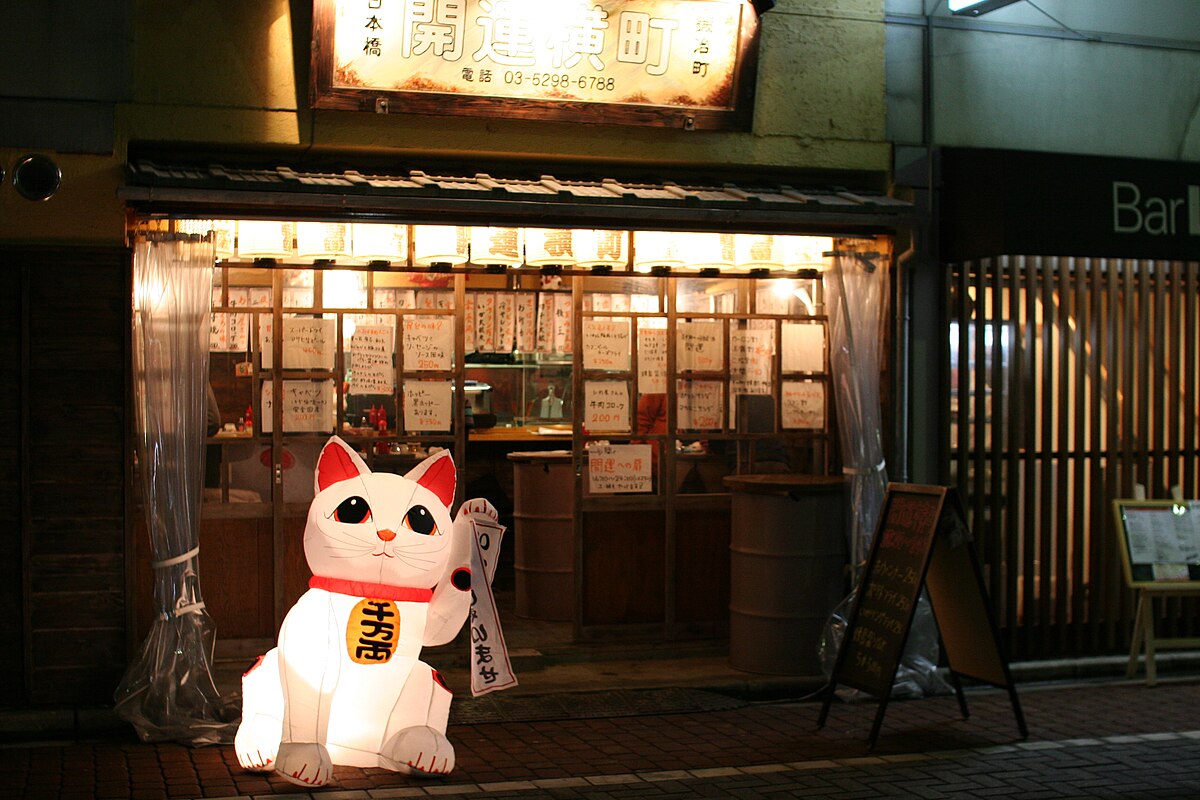
Away from the landmark routes, Asakusa turns into a patchwork of tiny izakaya, tachinomi, old eateries, and bars that serve regulars. This is where you feel the “downtown Tokyo” personality: direct, warm, and not polished.
How to do it: Walk slowly, look for warmth (people, light, sound), then commit.
What to drink: Hoppy + shōchū, beer, simple highballs.
Etiquette: Share tables, keep bags tight, expect noise. Language: English varies — pointing and simple phrases work.
Sumida River night walk & yakatabune 隅田川・屋形船
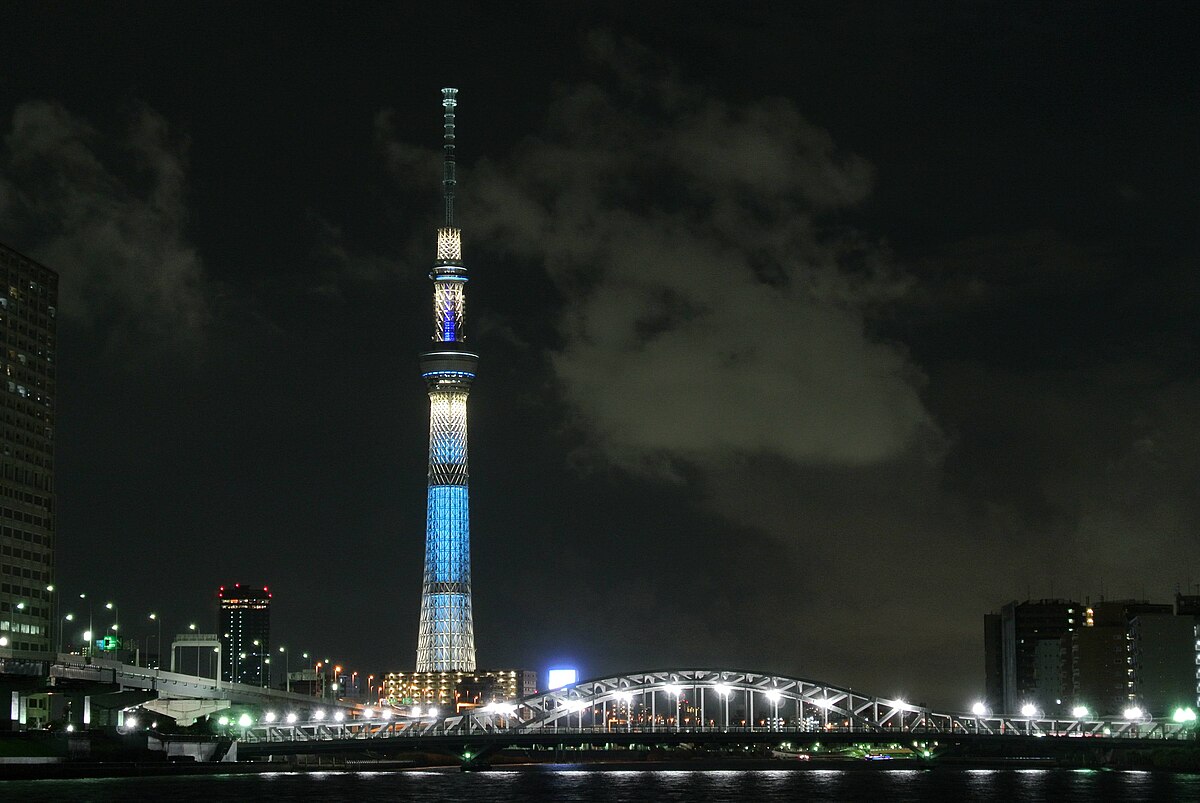
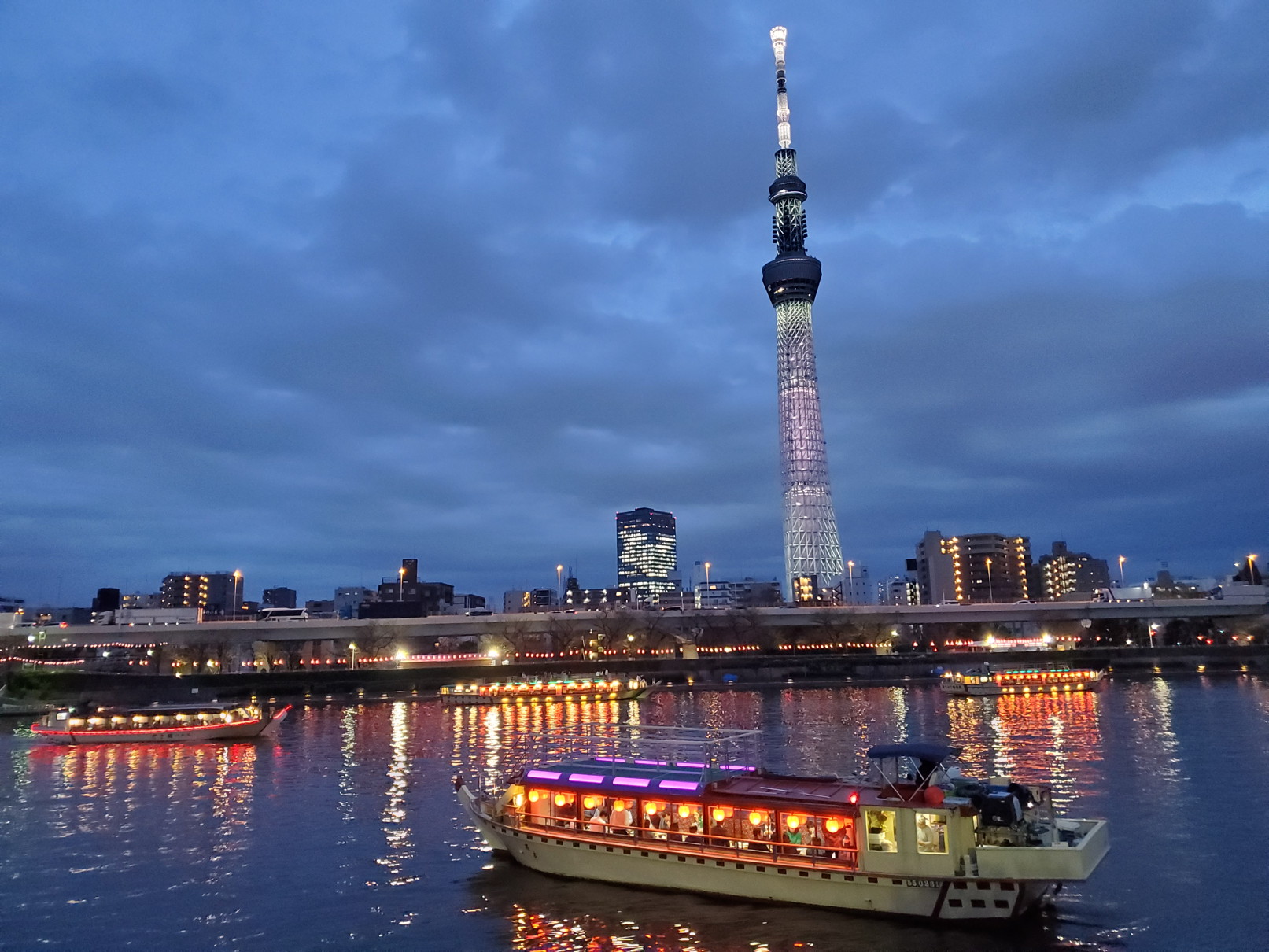
The Sumida River is Asakusa’s secret nightlife infrastructure: the place you walk to reset, talk, cool down, and decide whether the night continues. It’s also the cultural home of yakatabune (traditional dining cruises) — a very Tokyo way to drink.
How to do it: Walk the river after your second stop — not at the end when you’re exhausted.
Yakatabune: Treat it as a special-event dinner + drinking experience.
Snack bars & deep local nightlife スナック・ディープ酒場
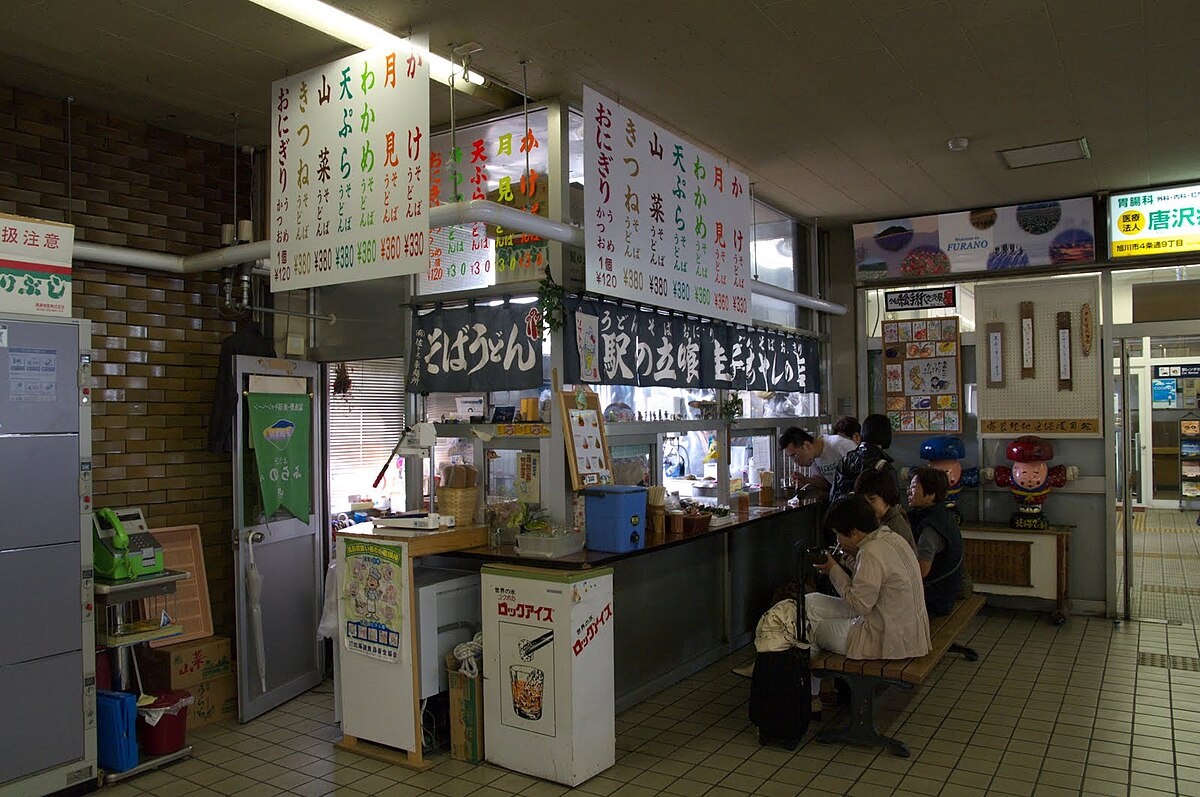
Asakusa still has pockets of classic Tokyo “snack” culture: small hostess-style karaoke bars that are more about conversation and regulars than glamour. For foreigners, these can be either the most memorable night in Tokyo or the most confusing. The difference is understanding the system.
How to approach: Go with a Japanese-speaking friend, or choose places with clear posted prices.
Reality: These are relationship-driven spaces; respect matters more than money.
How to do Asakusa (charges, etiquette, pacing)
Asakusa is easy to enjoy if you keep a simple structure: walk → eat → drink → walk → drink → finish. The night feels “deep” not because it’s dangerous, but because it’s older and less translated.
• お通し (otoshi): common at seated izakaya.
• Open-air streets (like Hoppy Street) are usually straightforward and menu-based.
• Snack bars may include a set fee, karaoke fee, or drink minimum — confirm first.
チャージありますか? (Is there a charge?)
だいたいいくらですか? (About how much will it be?)
• Start with beer or highball; order food immediately.
• Share plates; don’t over-order early.
• If it’s packed, do one drink and move — that’s normal downtown etiquette.
Temple evening walk → Denpōin/Rokku dinner → Hanayashiki side-street bar → Hoppy Street one round → Sumida River cool-down → one final small izakaya/snack bar (only if pricing is clear).