Overview: how Chūbu nights work
“Chūbu” covers a lot: Tokai (Nagoya), Hokuriku (Kanazawa/Toyama/Fukui), and the mountain spine (Nagano/Yamanashi/Gifu) plus Niigata on the Sea of Japan side. Nightlife styles vary, but the shared theme is food-led nights and compact downtown pockets—with Nagoya as the one “big-city” exception.
Not about: Giant all-night club districts (outside parts of Nagoya).
Peak hours: 18:00–23:30 (often earlier than Tokyo; Nagoya can run later).
Nagoya (Aichi) 名古屋(愛知)
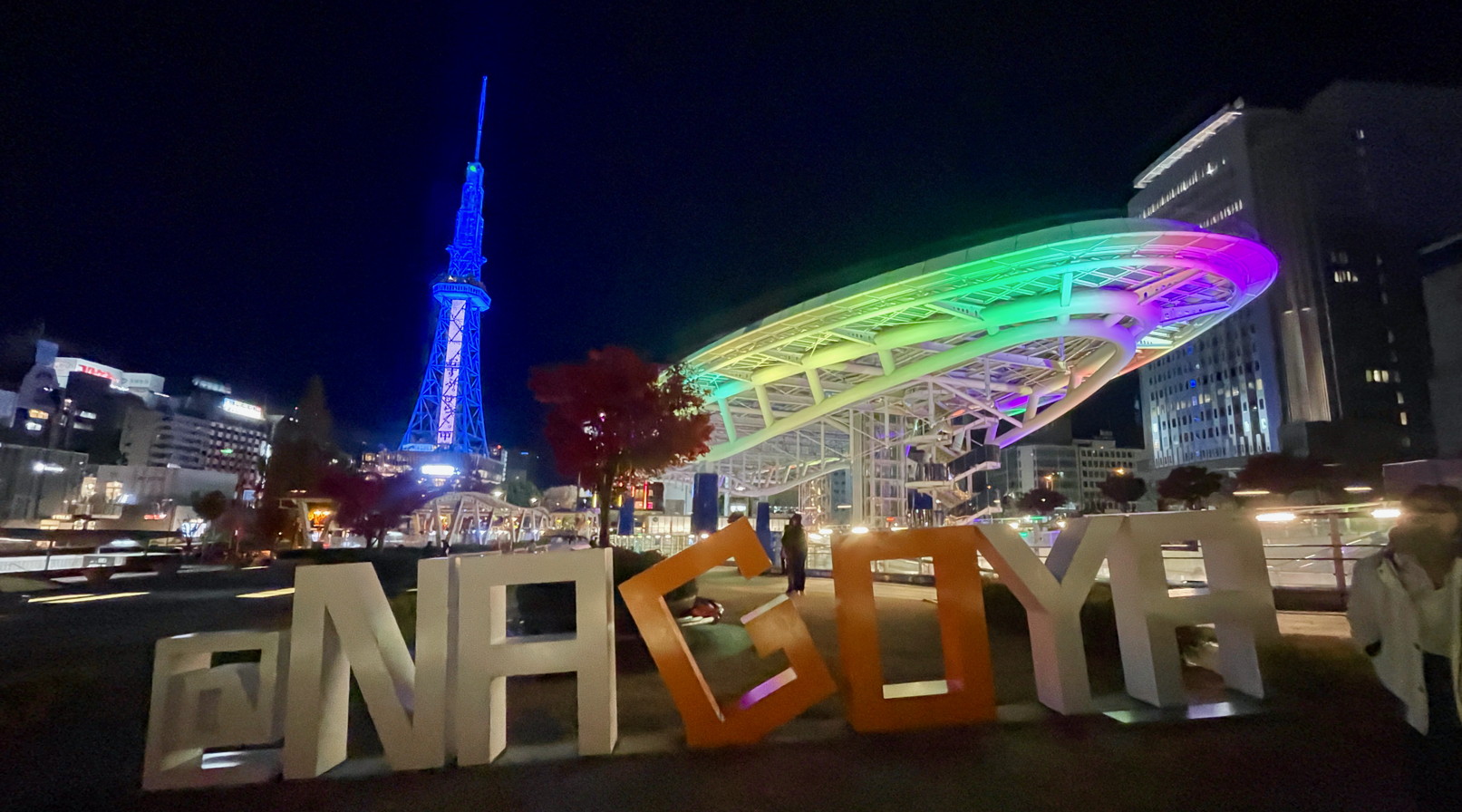
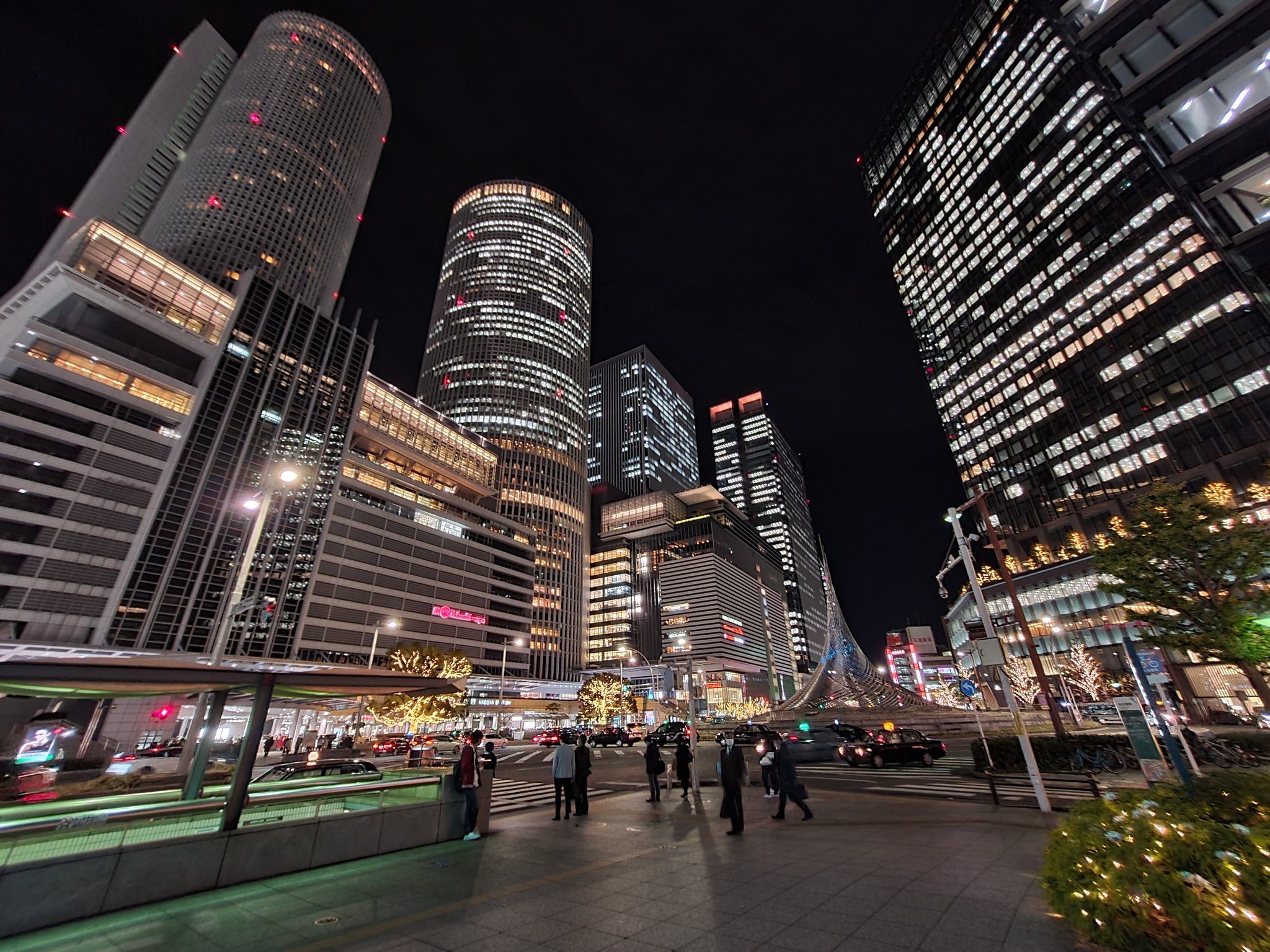
Nagoya is the region’s largest nightlife city: you can find everything from casual izakaya streets to serious cocktail bars. The trick is not to spread out too much—choose a core and let the night compress.
Best for: Big-city choice, late eats, bar variety, mixed crowds (locals + business travelers).
Vibe: Efficient, social, not as “tourist-facing” as Tokyo.
Kanazawa (Ishikawa) 金沢(石川)
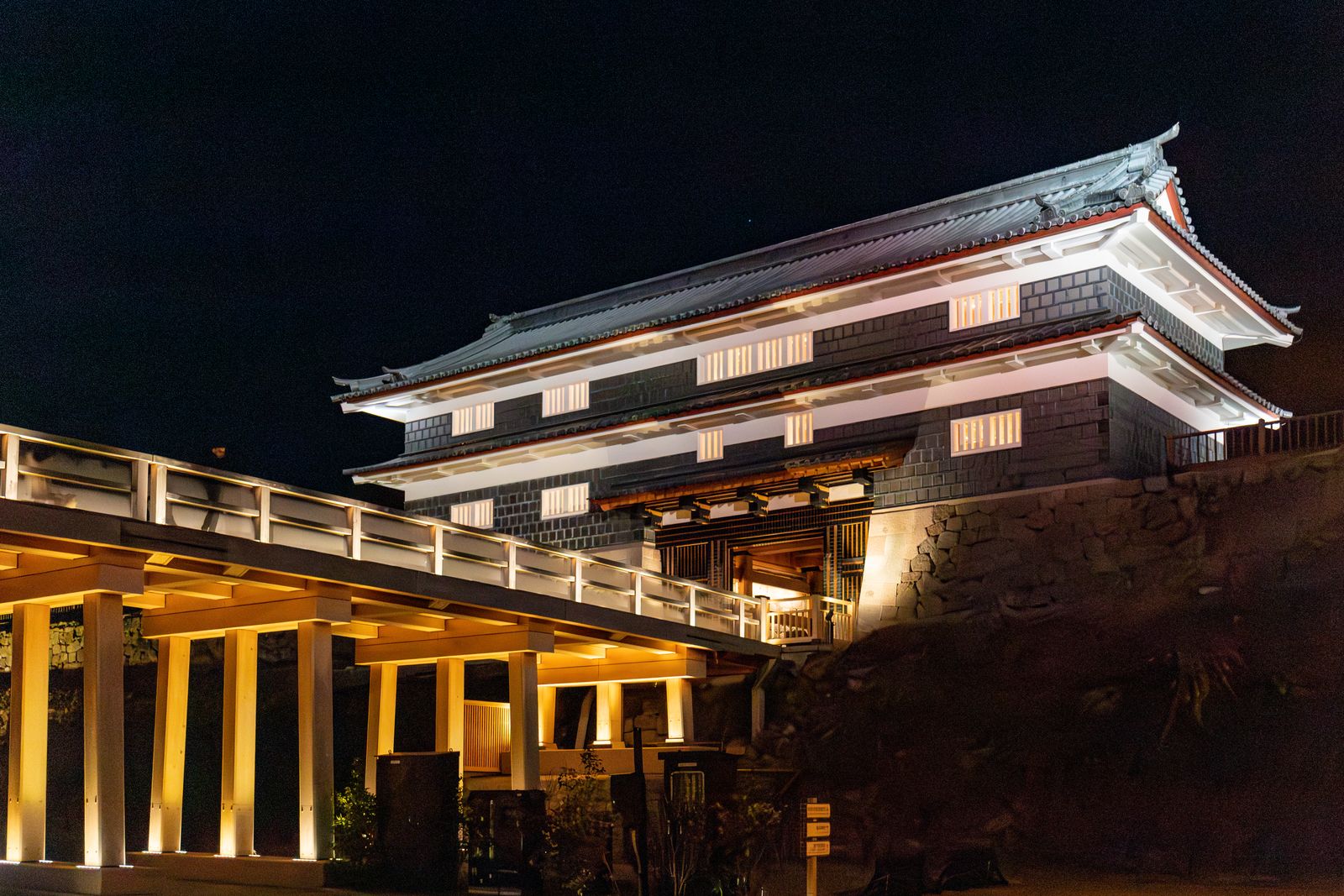
Kanazawa nightlife is “grown-up Japan”: excellent local ingredients, calm service, and bars that feel deliberate. You’ll find compact areas with izakaya, sake bars, and craft cocktails—often with a “regulars” atmosphere that opens up fast if you’re polite.
Best for: Sake, seafood-led nights, calm dates, craft bars.
Vibe: Quiet confidence, high quality, less nightlife “noise.”
Niigata City (Niigata) 新潟市(新潟)
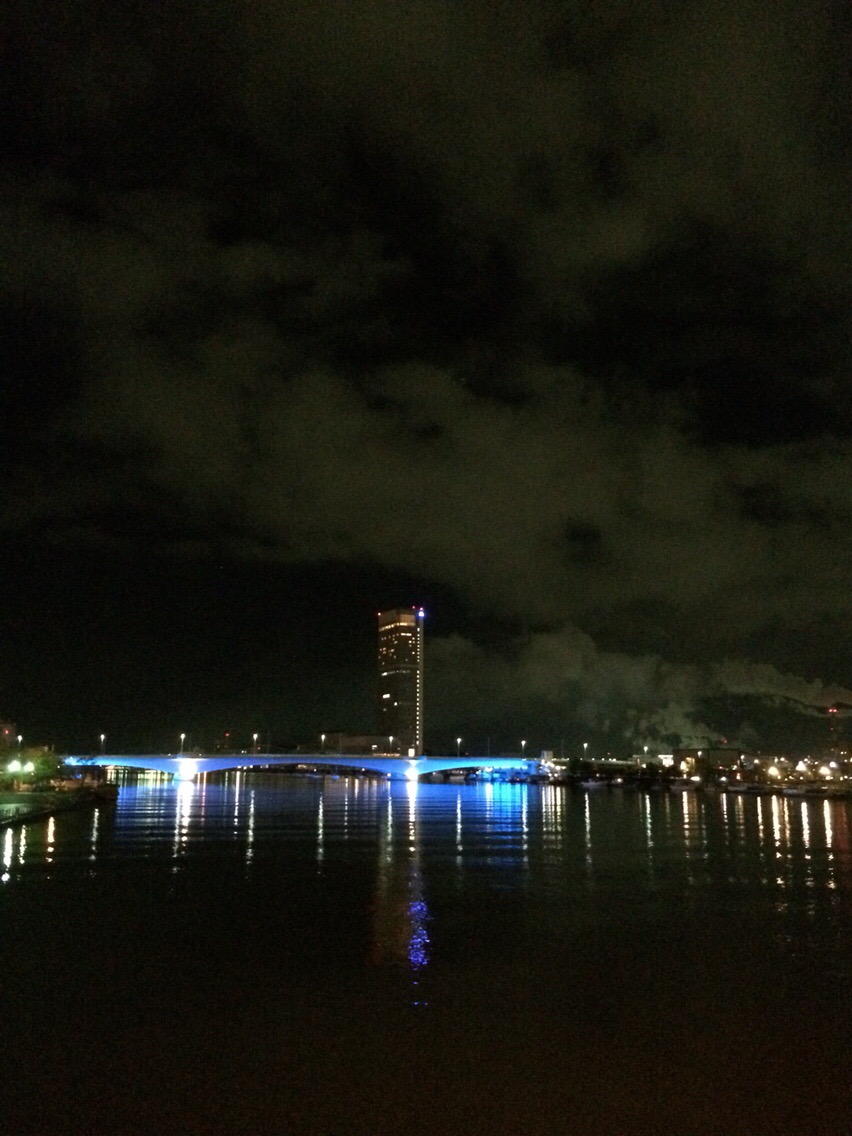
Niigata nightlife leans into what the region does best: food and sake. Expect izakaya clusters, calm bars, and a steady “locals first” vibe. Nights can feel surprisingly deep once you find the right pocket near the station/downtown.
How to do it: Choose a sake-forward izakaya, then add one bar for a nightcap.
Vibe: Unshowy, serious about quality, quietly social.
Shizuoka / Hamamatsu (Shizuoka) 静岡・浜松(静岡)
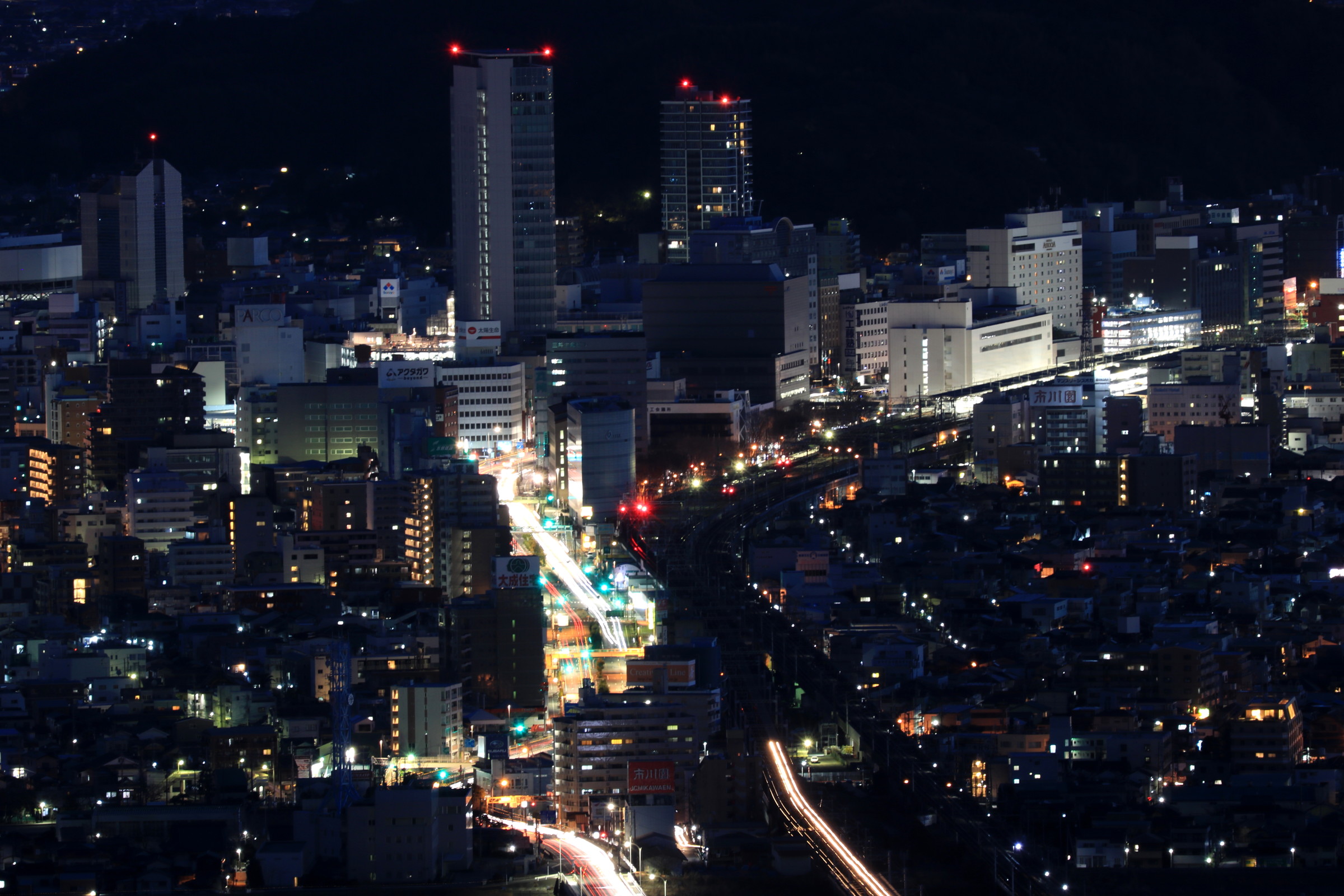
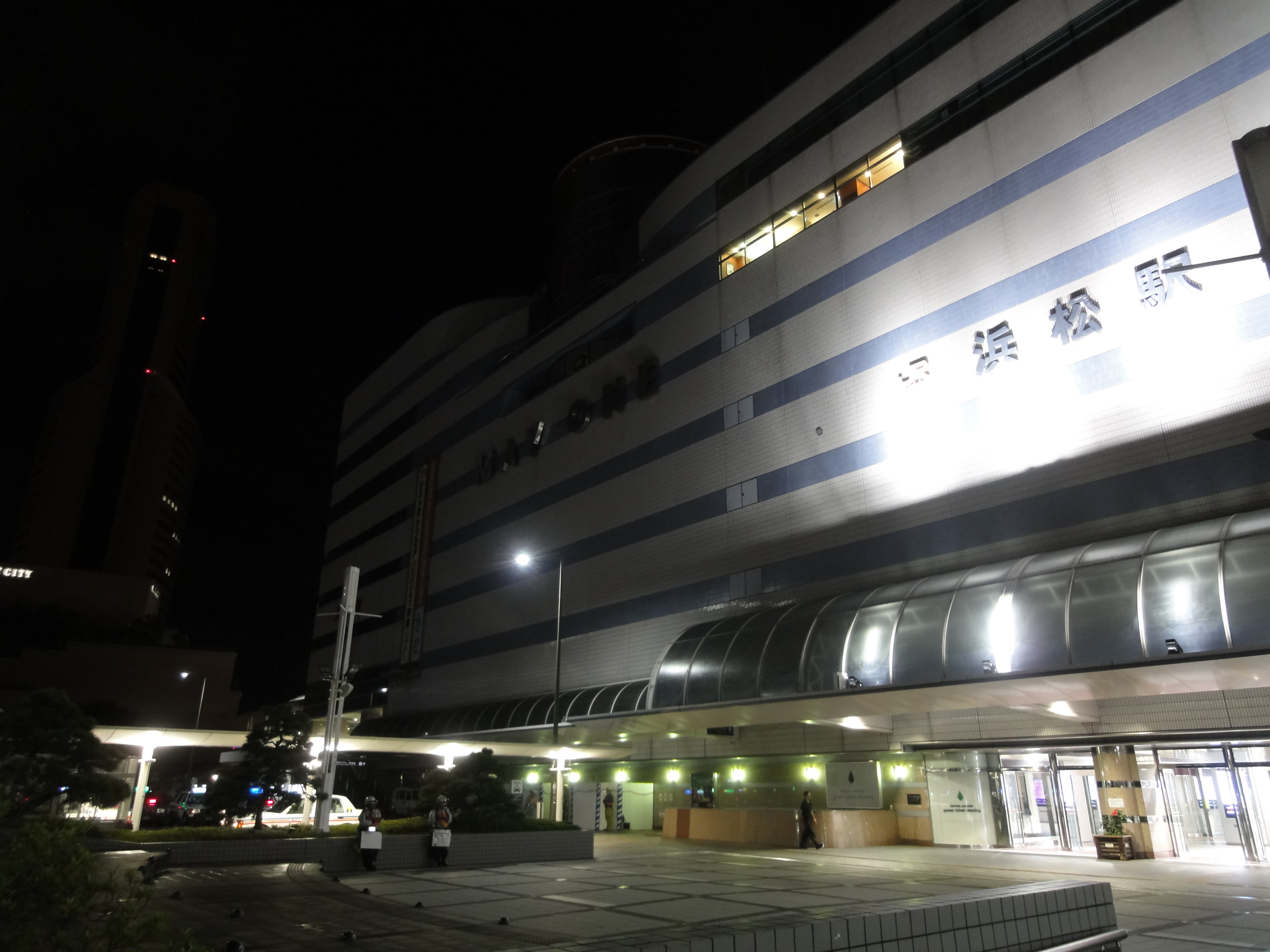
Shizuoka City nightlife feels calm and straightforward. Hamamatsu tends to skew practical and lively, especially around station-adjacent dining streets. Both are great for travelers who want a smooth, low-friction night.
How to do it: Start early, eat properly, then choose one “finish” bar rather than crawling.
Nagano / Matsumoto (Nagano) 長野・松本(長野)
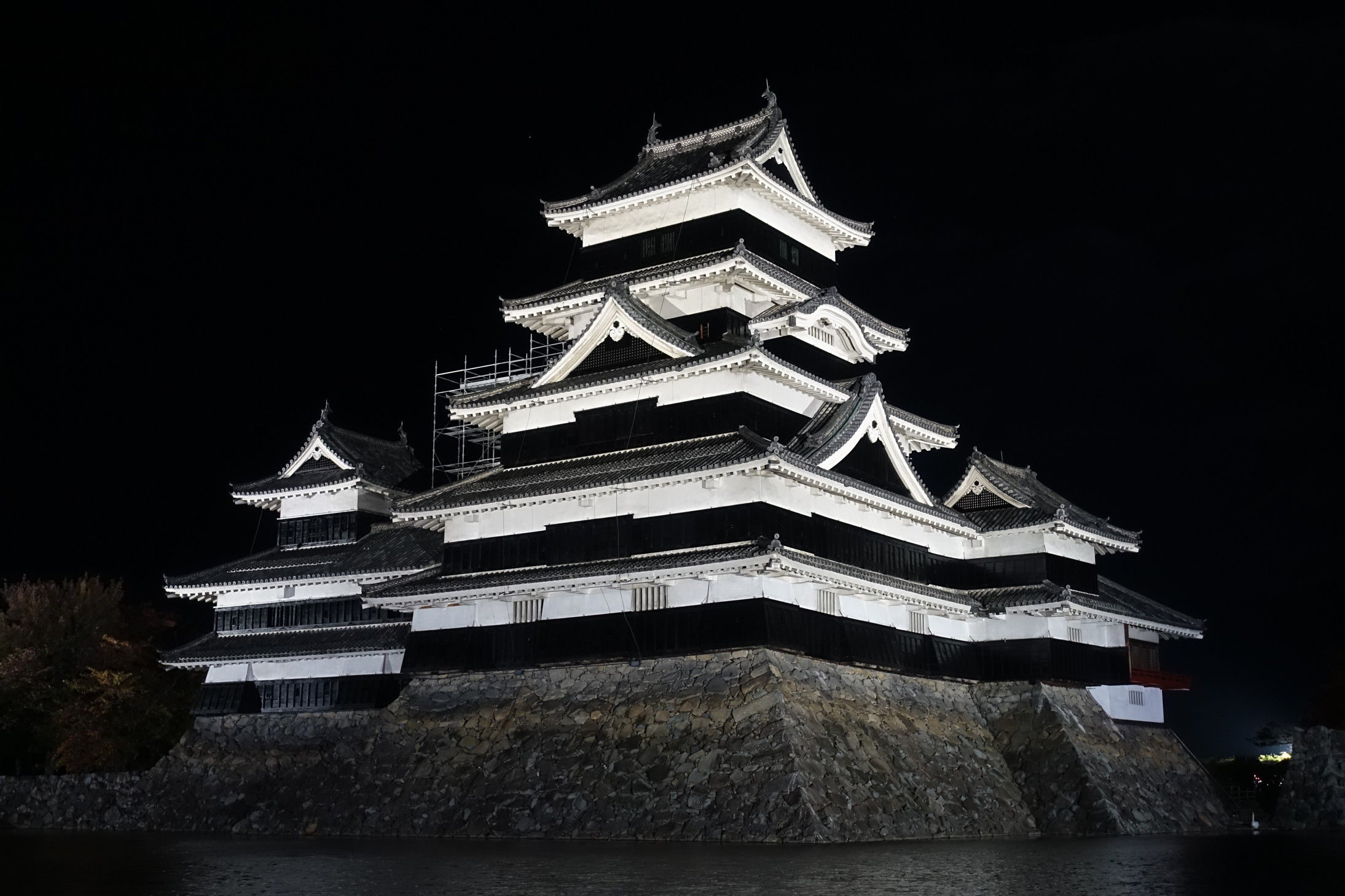
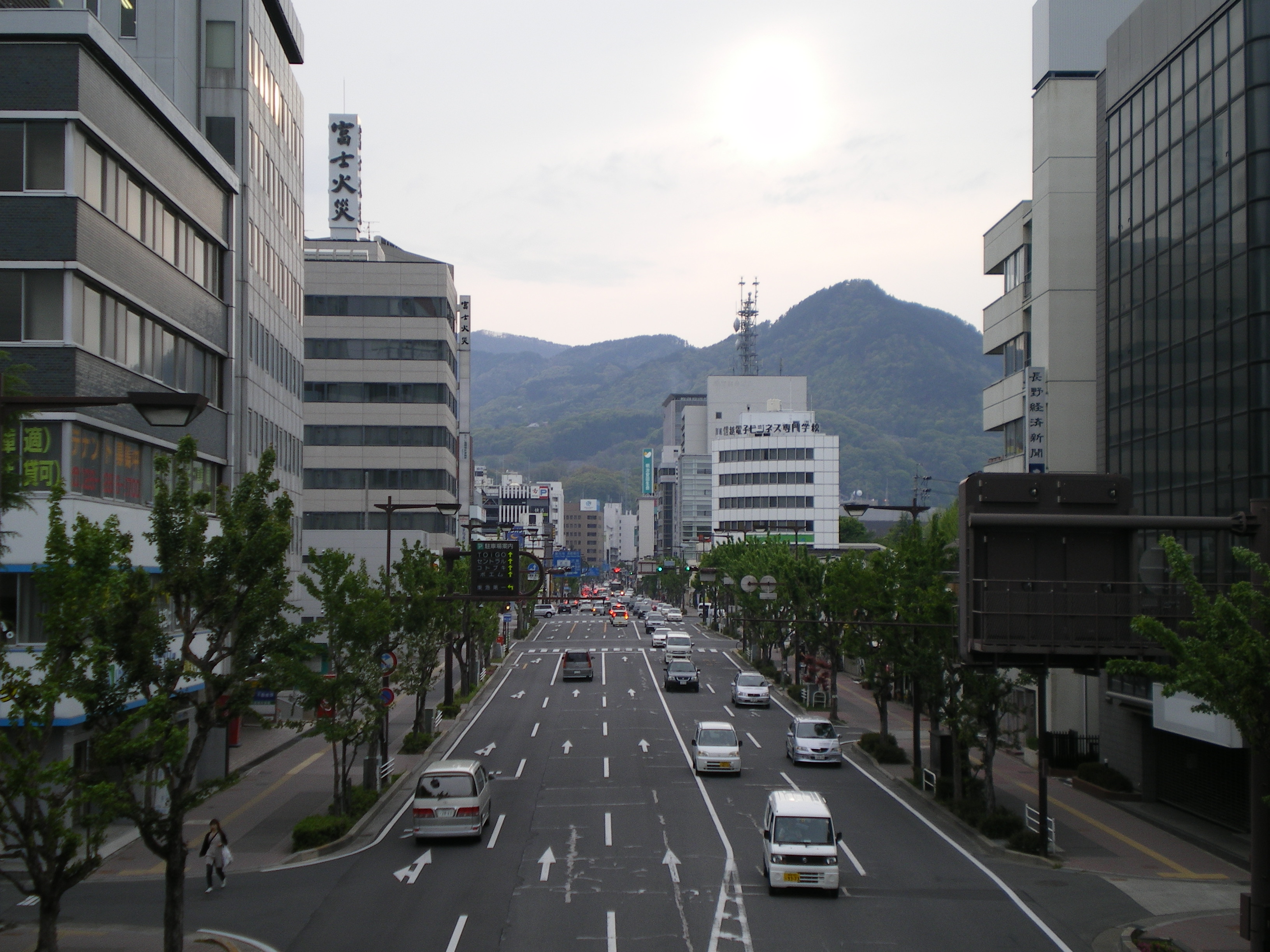
Mountain-city nightlife often runs earlier and tighter: fewer big districts, more small pockets. If you like quiet-but-real izakaya and bars where the staff remember faces, Nagano/Matsumoto deliver.
How to do it: Dinner early → one great bar → finish clean (transport options thin out late).
Toyama / Fukui (Hokuriku) 富山・福井(北陸)
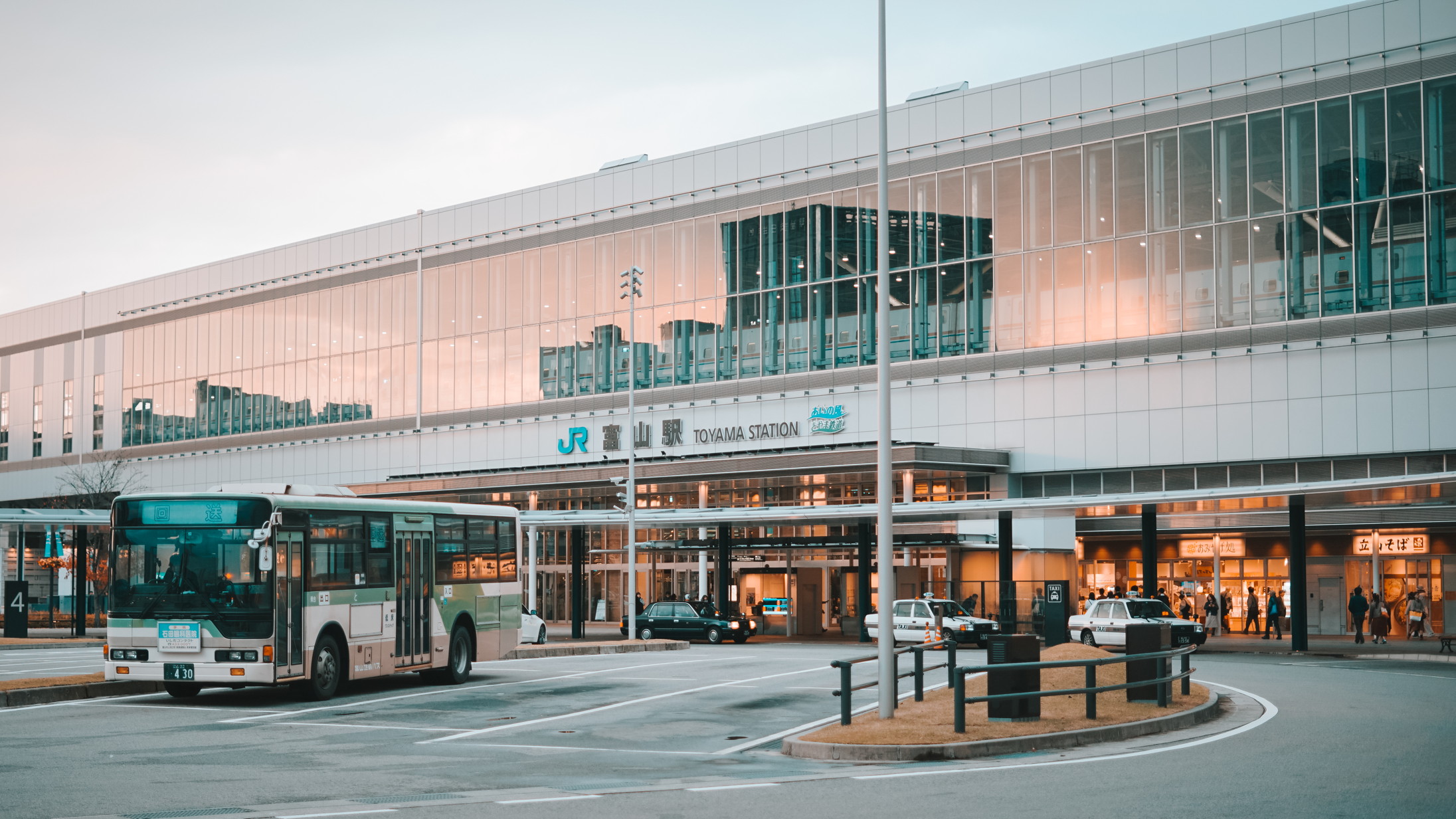
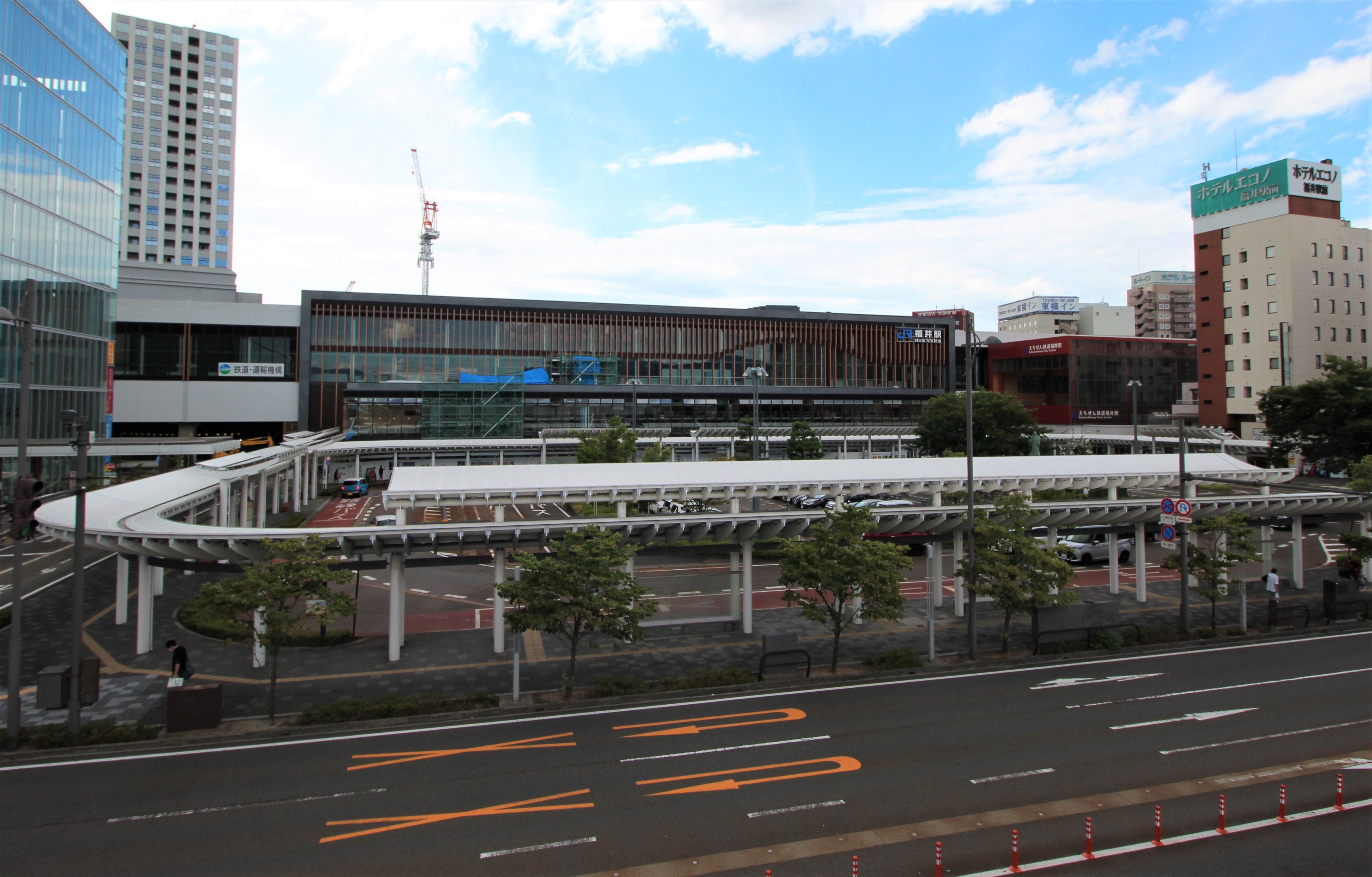
Hokuriku cities are often underestimated: the nightlife is smaller, but the quality (especially food) can be serious. Think “dinner that hits” followed by a calm bar rather than nightlife spectacle.
How to do it: Go early, choose places that look full, and commit.
Kōfu / Gifu City (Kōshin & inland) 甲府・岐阜(甲信・内陸)
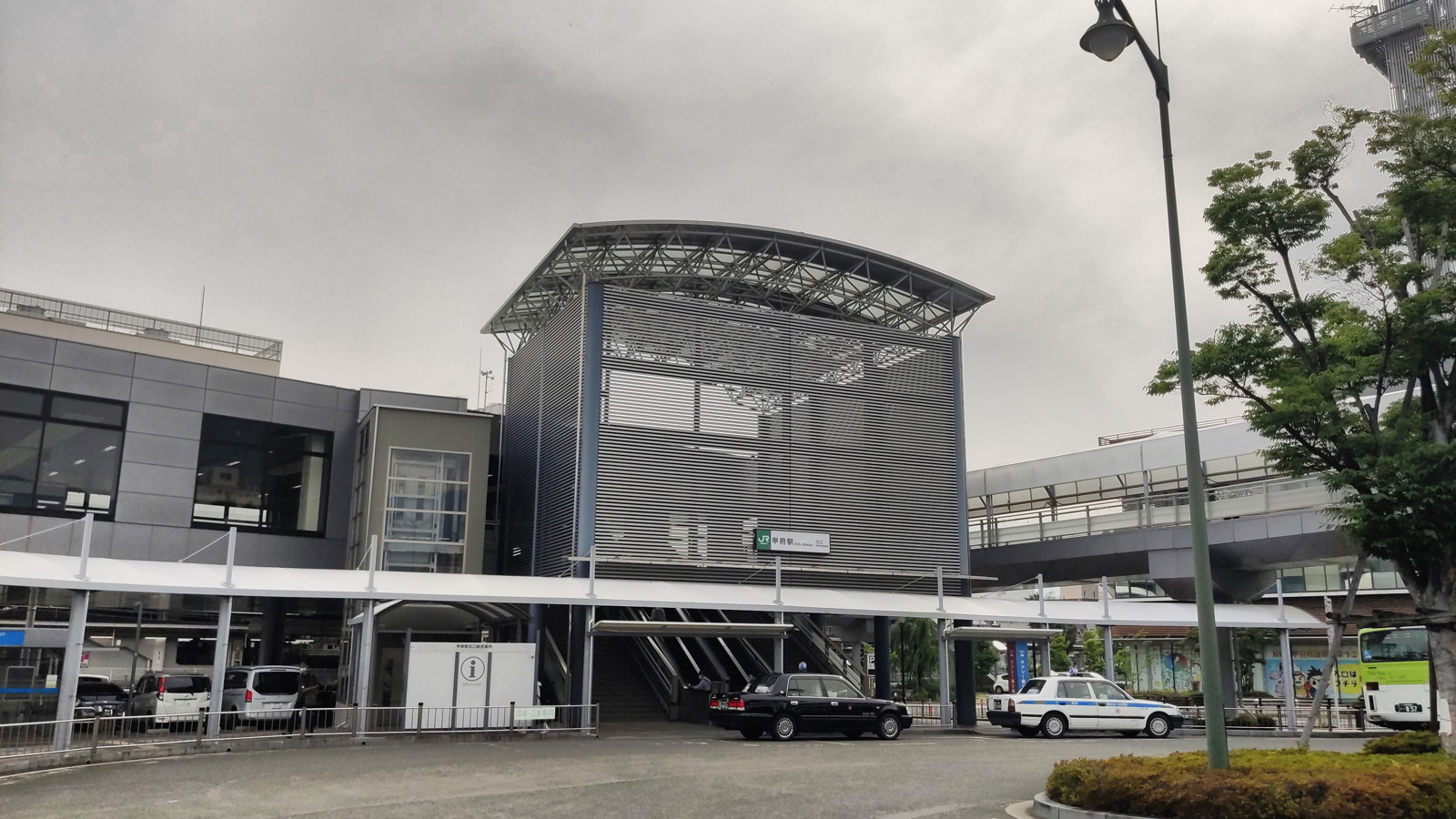
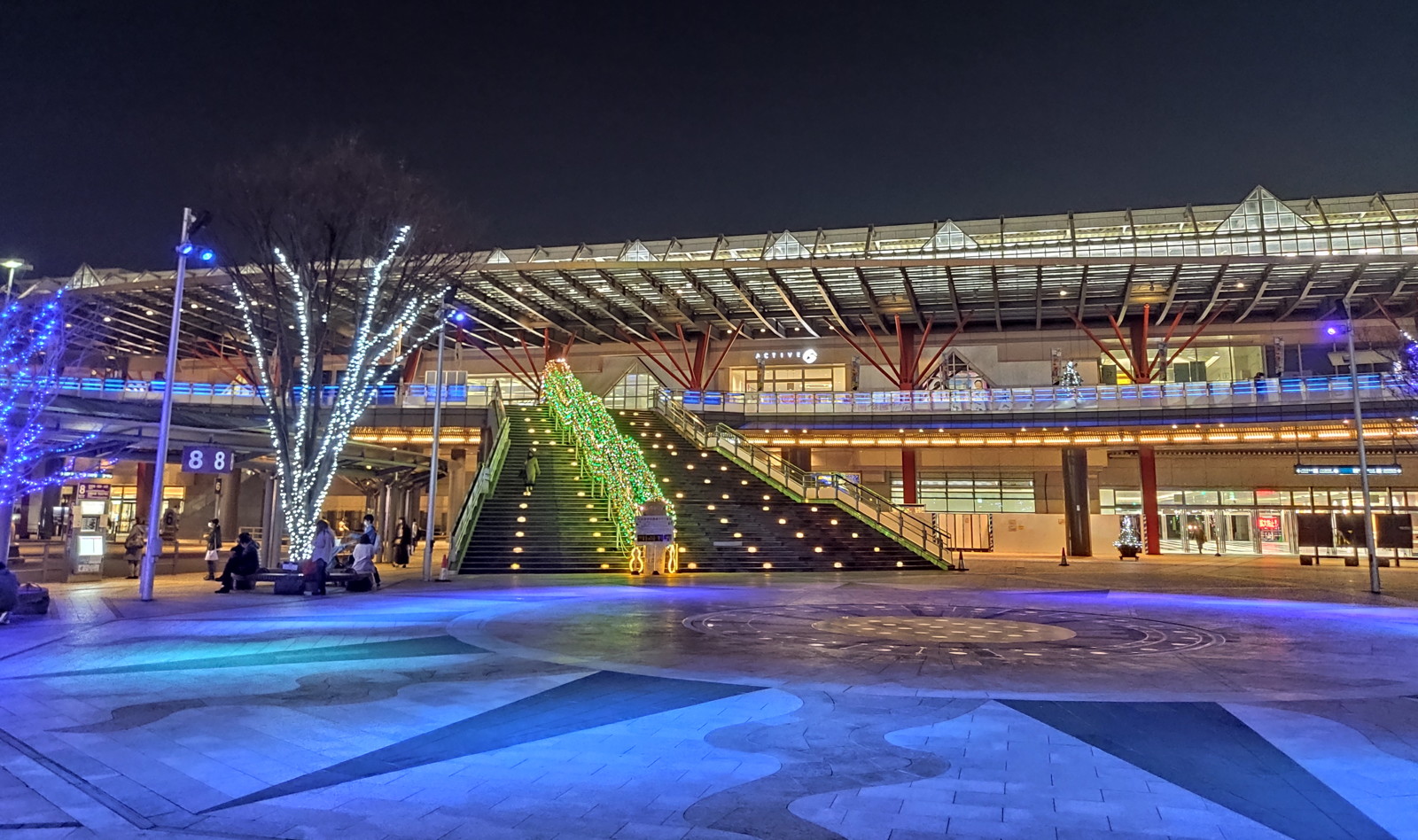
Inland cities can be the best “quiet win” nights of a trip: you don’t need big districts, you need one or two strong places with the right atmosphere. Kōfu’s region adds wine culture; Gifu’s night rhythm often feels like “Tokyo-lite” but calmer.
How to do it: Ask one good question: おすすめは? (What do you recommend?) — then trust them.
How to do Chūbu
Chūbu nightlife rewards simple structure: eat properly → one strong second stop → finish clean. In many cities, the “third stop” is where logistics (and quality) drop.
• お通し (otoshi): common at seated izakaya.
• チャージ (charge): some bars (especially craft/cocktail) — ask before sitting.
• Snack/karaoke-style places may have set fees — confirm clearly first.
チャージありますか? (Is there a charge?)
だいたいいくらですか? (About how much will it be?)
• Nagoya: pick one core and go deep (don’t waste time crossing the city).
• Hokuriku: start earlier; quality is high but many nights wind down sooner.
• Mountain cities: transport thins late — end clean and comfortable.
• Sea of Japan side: let “food + sake” lead the night.