Overview: how Chūgoku nights work
Chūgoku (Hiroshima, Okayama, Yamaguchi, Shimane, Tottori) is a region where nightlife is usually food-led, compact, and local-first. The biggest difference versus Tokyo is pacing: you often start earlier, eat properly, then do one strong “finish” spot (cocktails, whisky, sake, or a snug bar) rather than chasing a long crawl.
Not about: Huge club districts (except small pockets in the biggest cities).
Peak hours: 18:00–23:30 (Hiroshima can run later; smaller cities close earlier).
Hiroshima City 広島
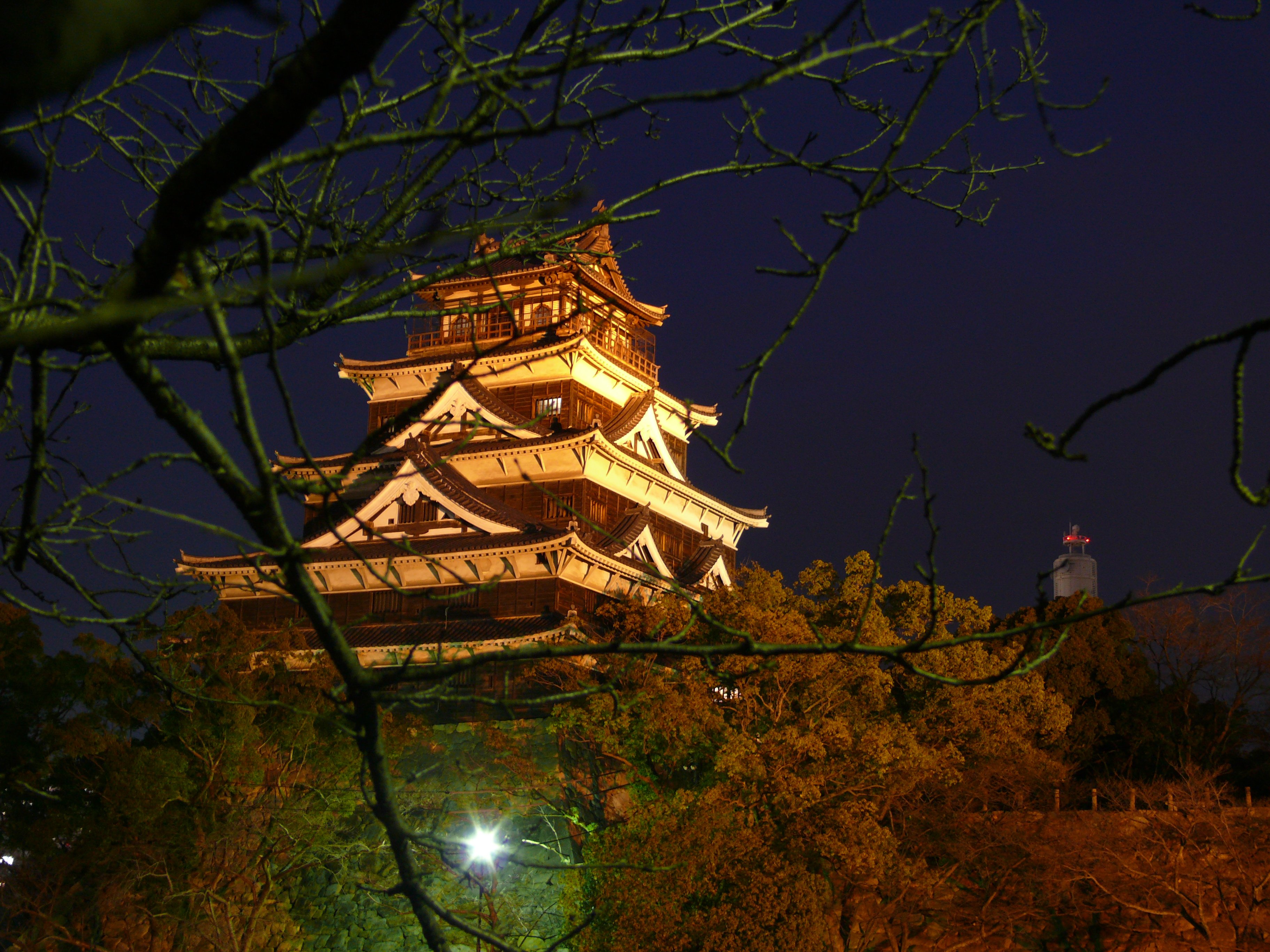
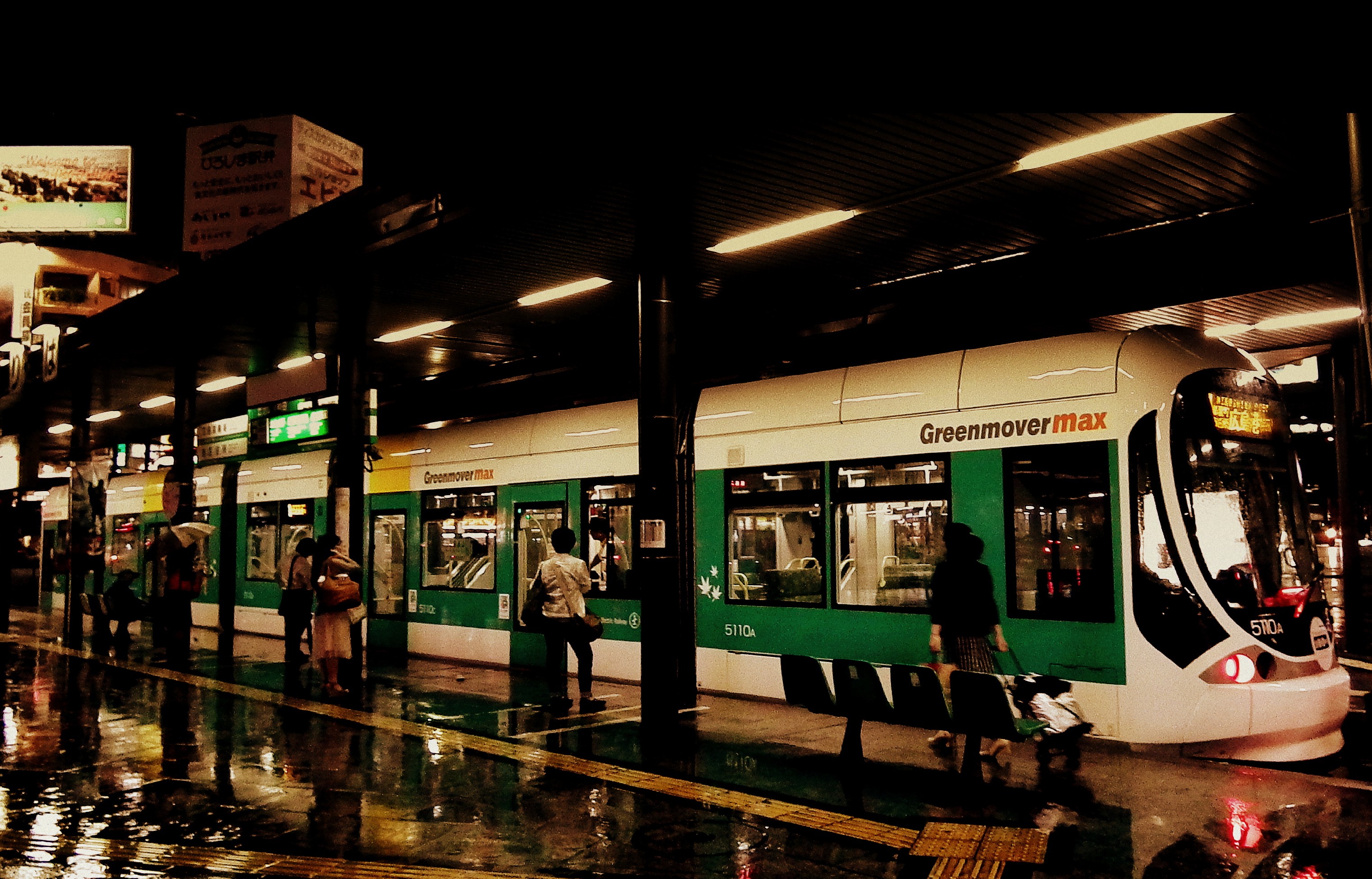
Hiroshima is the region’s most reliable nightlife city: you get density, variety, and enough late-night options to build a full evening without stress. The tone is friendly and direct—places fill with locals, students, and travelers, but it rarely feels like “tourist nightlife.”
Best for: Bar hopping, hearty food, casual drinking streets, strong late-night infrastructure.
Vibe: Social, energetic, still grounded.
Okayama City 岡山
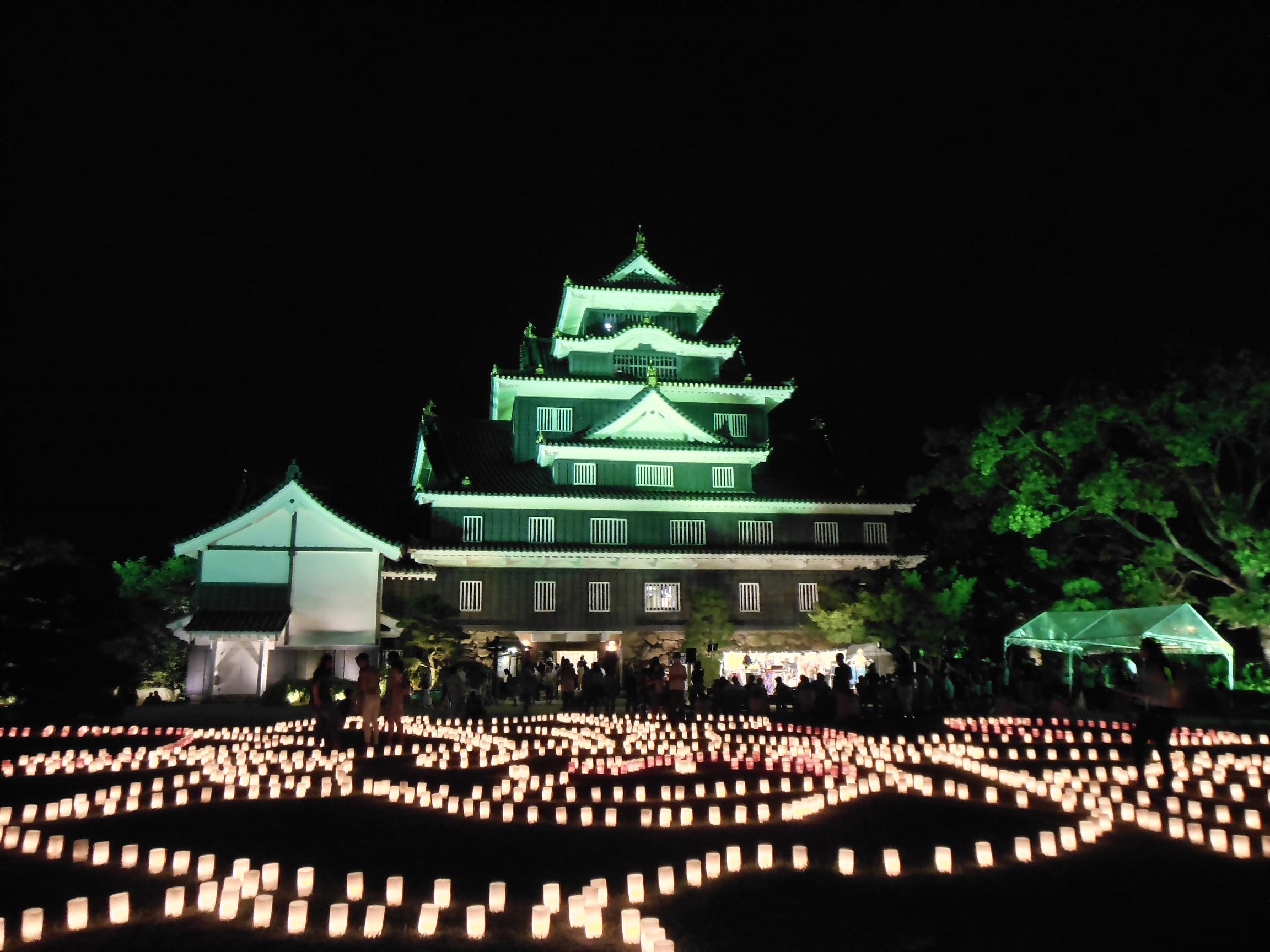
Okayama feels balanced: it has real city nightlife without the intensity of the biggest metros. Nights are straightforward—good izakaya, small bars, and a comfortable pace that’s great for couples or small groups.
How to do it: Choose a busy izakaya early, then finish at one quieter bar.
Kurashiki 倉敷
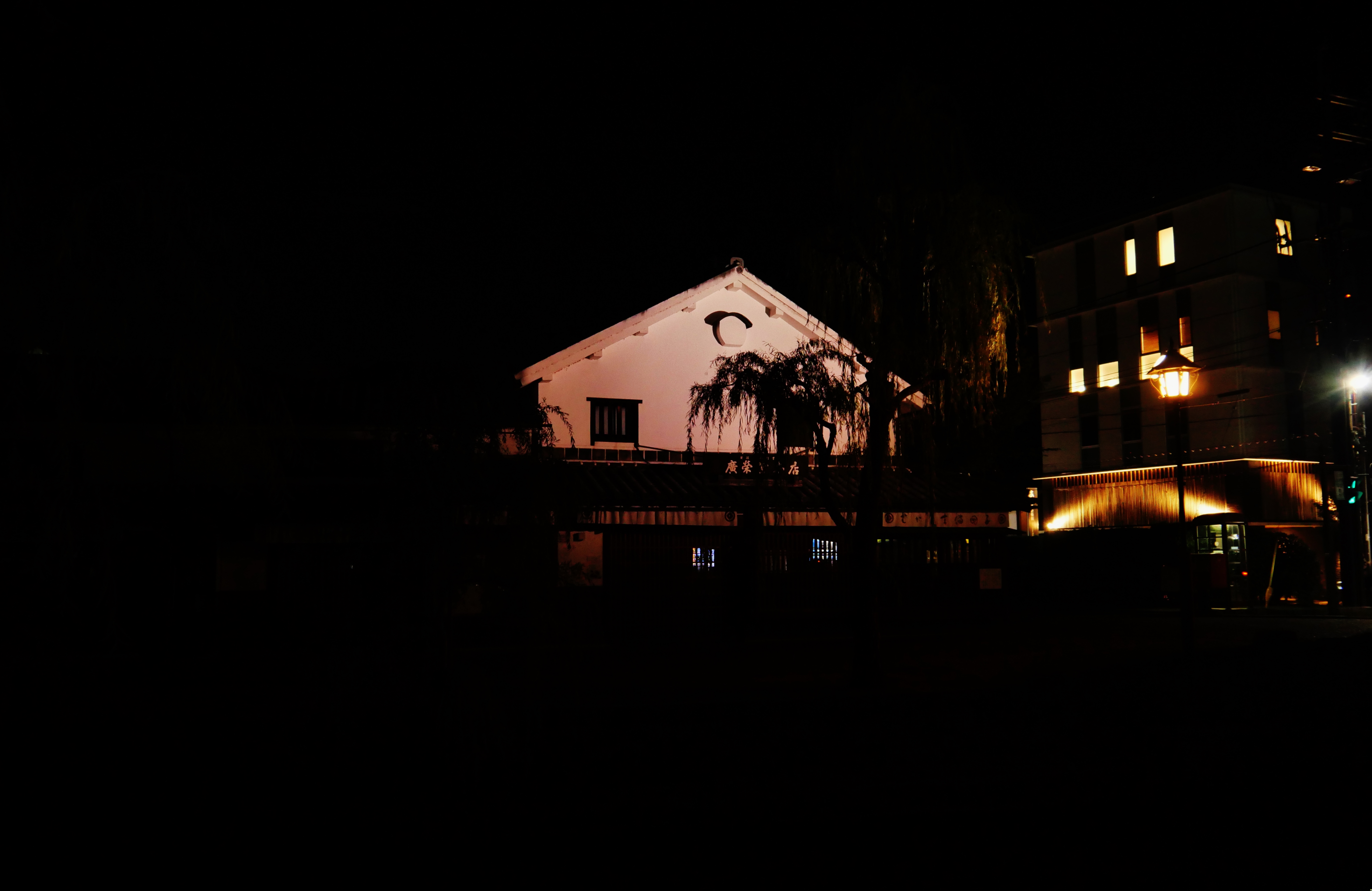
Kurashiki is not a big nightlife city—its charm is evening atmosphere: canals, historic streets, and a quieter “walk + one bar” rhythm. Perfect for travelers who want something memorable without volume.
How to do it: Dinner → slow walk → one intimate bar → finish.
Shimonoseki 下関
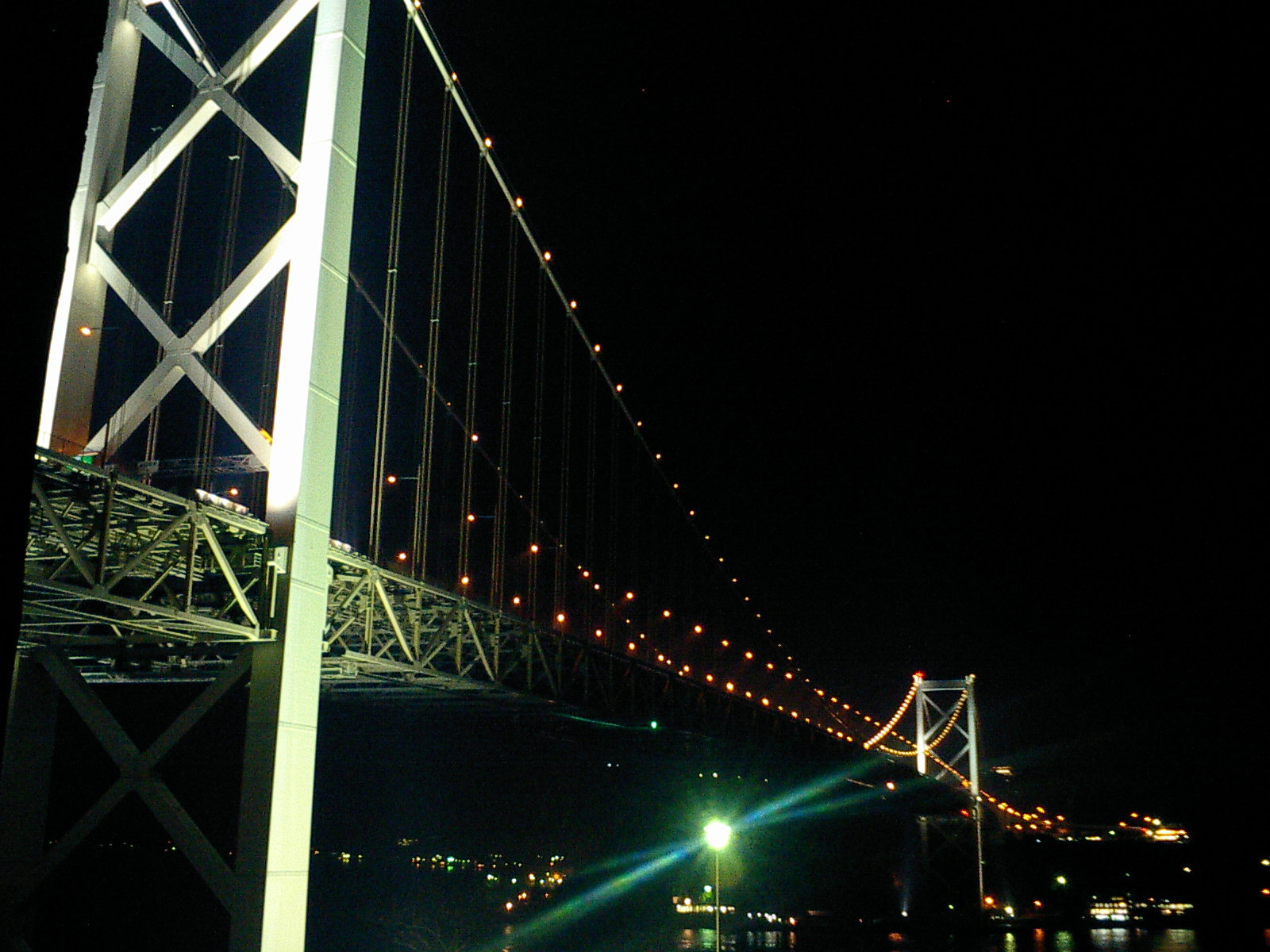
Shimonoseki nightlife is port-city logic: eat seafood, drink simply, finish clean. The energy is local and functional rather than “scene-driven,” which is exactly why it’s satisfying.
How to do it: Early dinner → one nearby bar → call it a win.
Tottori / Matsue 鳥取・松江
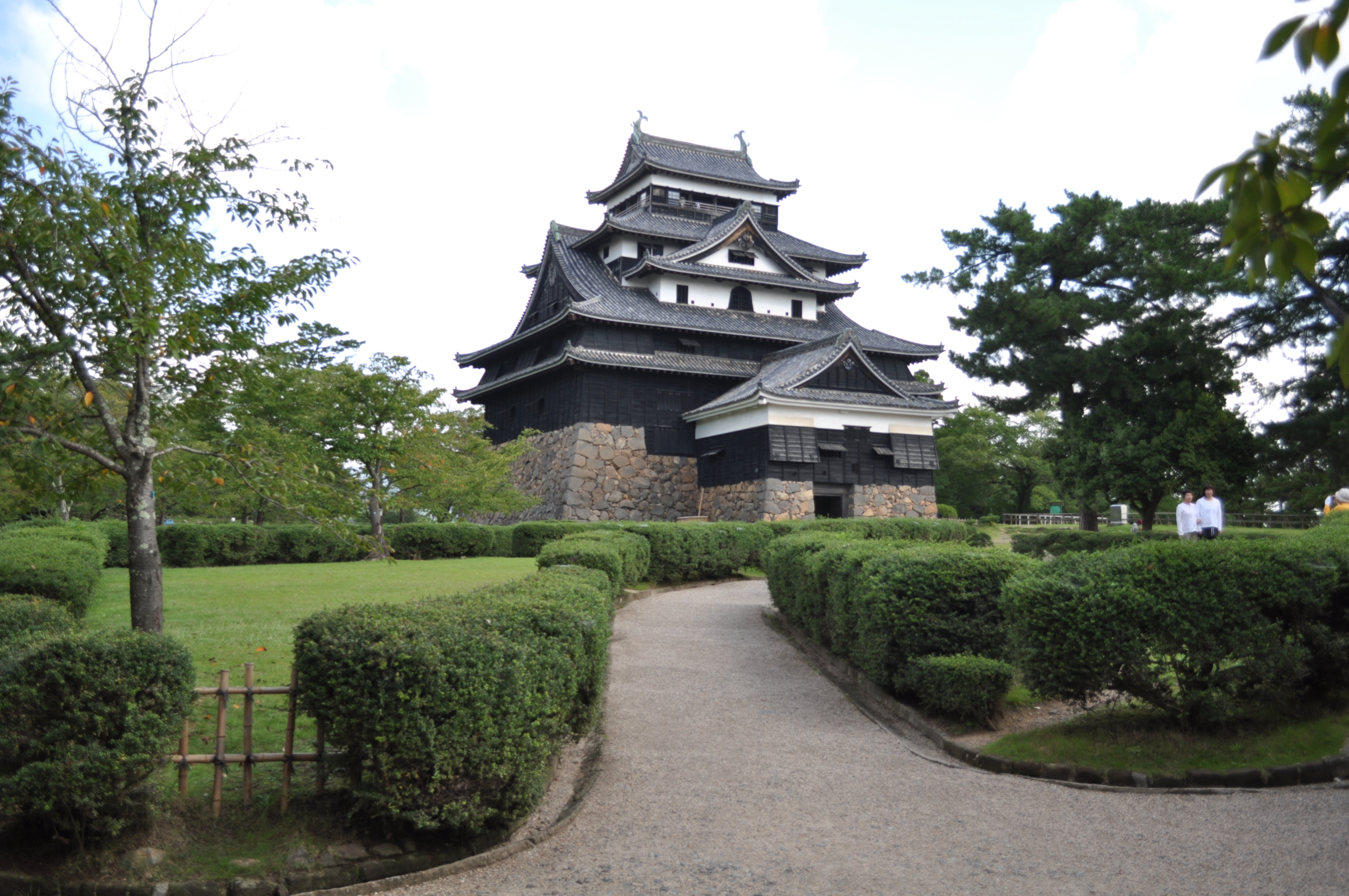
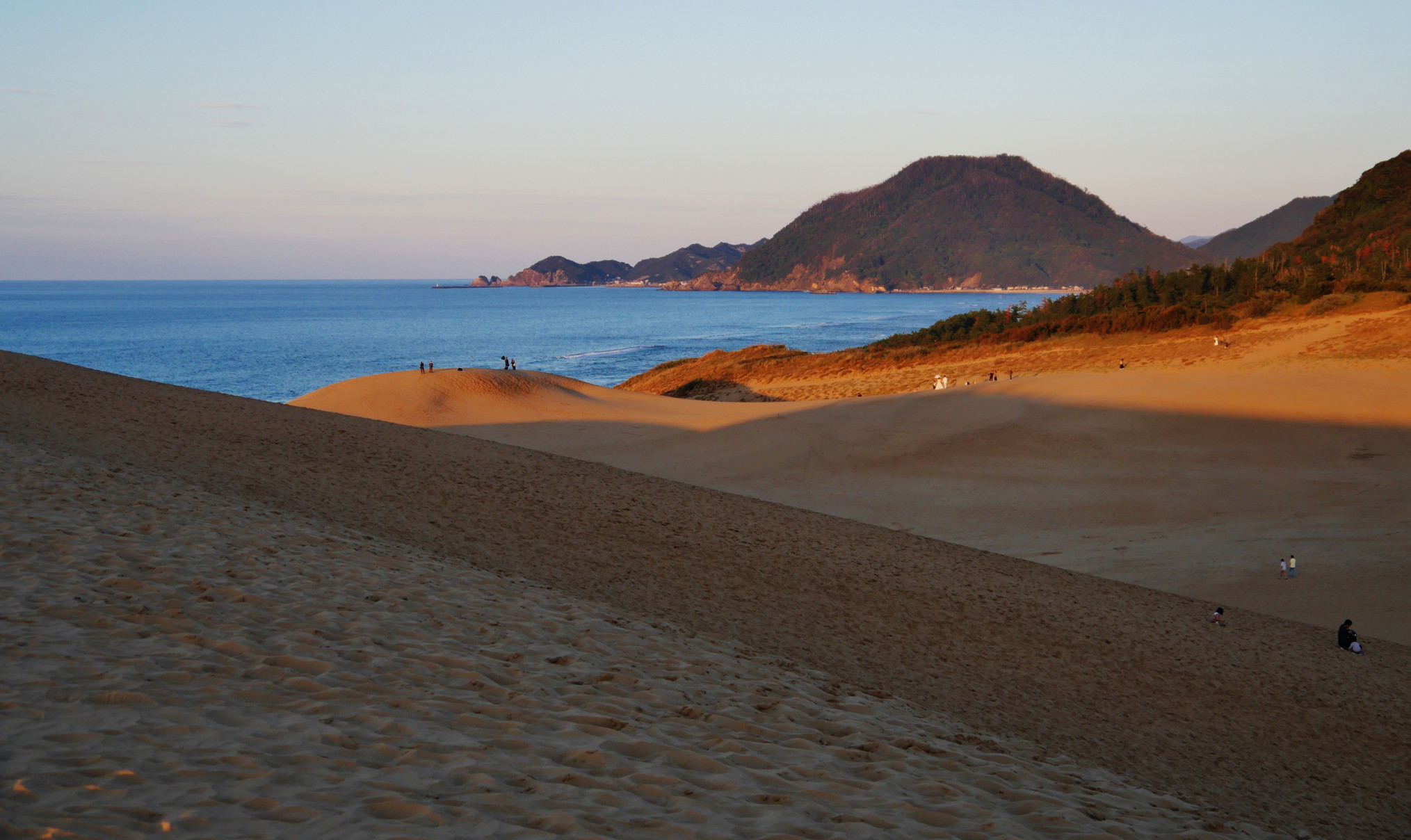
Tottori and Matsue represent San’in (the Sea of Japan side) pacing: fewer “districts,” more small pockets where people eat, drink, and go home. If you like quiet local bars and an early, comfortable finish, this is a sweet spot.
How to do it: Eat early, then choose one bar where the staff feel kind.
Yamaguchi City 山口
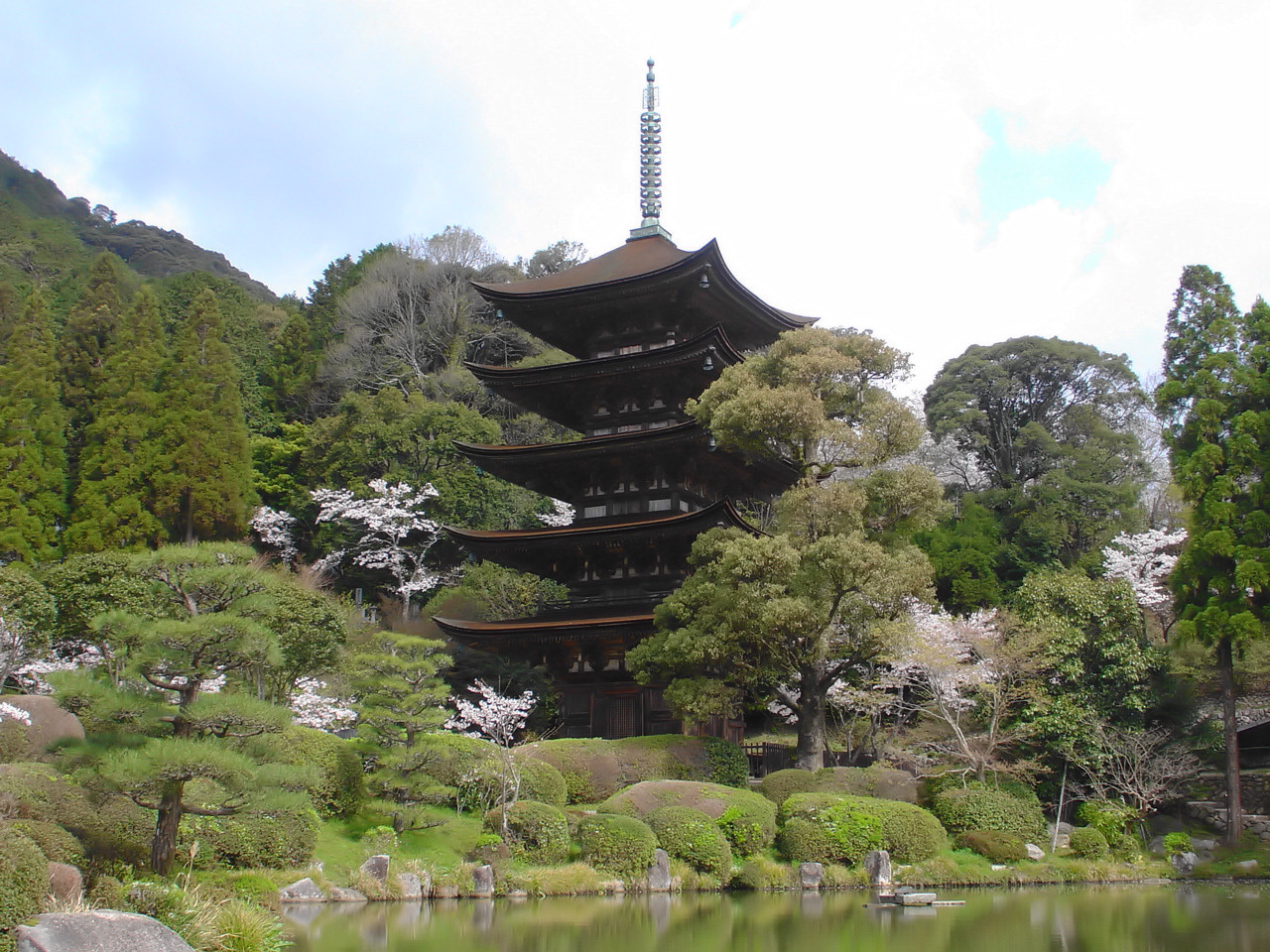
Yamaguchi City nightlife is modest but pleasant: local izakaya and small bars that feel familiar quickly. Think “steady routine” rather than “destination nightlife.” If you’re visiting for temples/scenery, it’s perfect.
How to do it: Find one busy dinner spot, then one calm second stop—don’t chase a third.
How to do Chūgoku
The easiest winning structure in this region is: eat properly → one strong drink stop → finish clean. Hiroshima can support a third stop; smaller cities often shouldn’t.
• お通し (otoshi): common at seated izakaya.
• チャージ (charge): some bars—ask before sitting.
• Snack/karaoke-style places may have set fees—confirm clearly first.
チャージありますか? (Is there a charge?)
だいたいいくらですか? (About how much will it be?)
• Hiroshima: pick a central pocket and walk—don’t waste time on long hops.
• Okayama: follow the crowd—busy places are usually good.
• San’in (Tottori/Matsue): start earlier, end earlier, and enjoy the calm.
• Port cities: seafood-first logic—food is the anchor of the night.