🎶 Clubs & Live Entertainment

Dance floors, live music, and nightlife energy

Clubs & Discos

Clubs guide banner

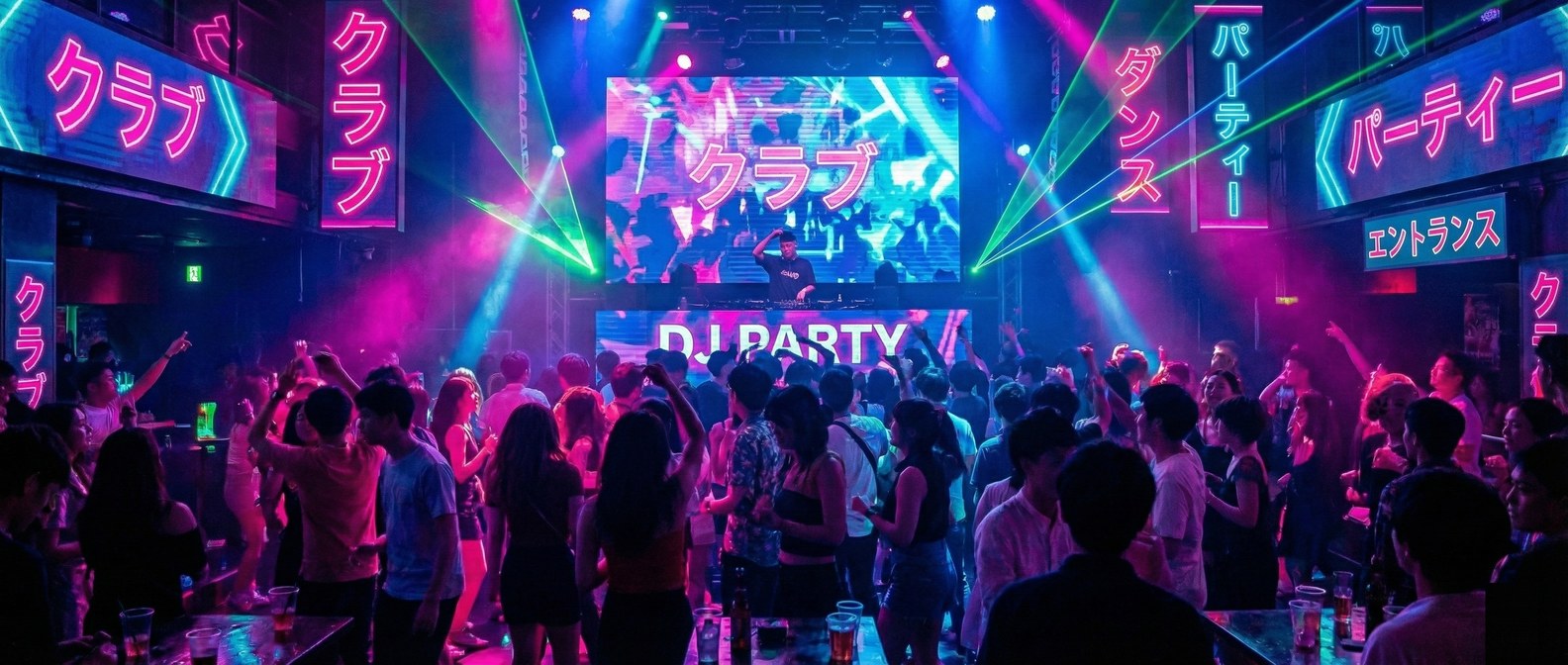
Japan's club scene is vibrant and diverse, with venues ranging from massive international clubs to intimate underground spaces. Electronic music, hip-hop, and various genres are well-represented.

What to expect:
• Cover charges typically ¥2,000-5,000 (often includes 1-2 drinks)
• DJs playing various electronic music genres
• Large dance floors with professional sound systems
• Drinks usually ¥500-1,500
• Dress codes vary—some places are strict, others casual
• Peak hours: 11 PM - 3 AM (often open until 5 AM or later)
Entry requirements: Some clubs have age restrictions (usually 20+), ID checks, and dress codes. International visitors are generally welcome, but check in advance if you're unsure. Some places may have membership requirements or guest list systems.
Best areas: Shibuya, Roppongi, and Shinjuku have the most clubs. Each area has its own vibe—Shibuya tends to be younger and more diverse, Roppongi more international, and Shinjuku has a mix of everything.
Etiquette: Respect the dance floor and other dancers. Don't be overly aggressive. Photography policies vary—ask before taking photos. Many places have smoking areas.

Nightclubs

Nightclubs in Japan are similar to clubs but often emphasize a more upscale experience, with VIP areas, bottle service, and sometimes live performances alongside DJs.

What to expect:
• Higher cover charges (¥3,000-8,000+)
• VIP sections and bottle service available
• More formal dress codes
• Often larger venues with multiple floors
• Mix of DJs and sometimes live performances
• More international crowd in some venues
VIP & Bottle service: Many nightclubs offer VIP tables and bottle service. This can be expensive but provides a reserved space and often includes multiple drinks. Good for groups who want a guaranteed spot and don't want to wait at the bar.
Best areas: Roppongi is known for upscale nightclubs, especially those catering to international crowds. Shibuya and Omotesando also have high-end options.

Live Houses

Live houses guide banner

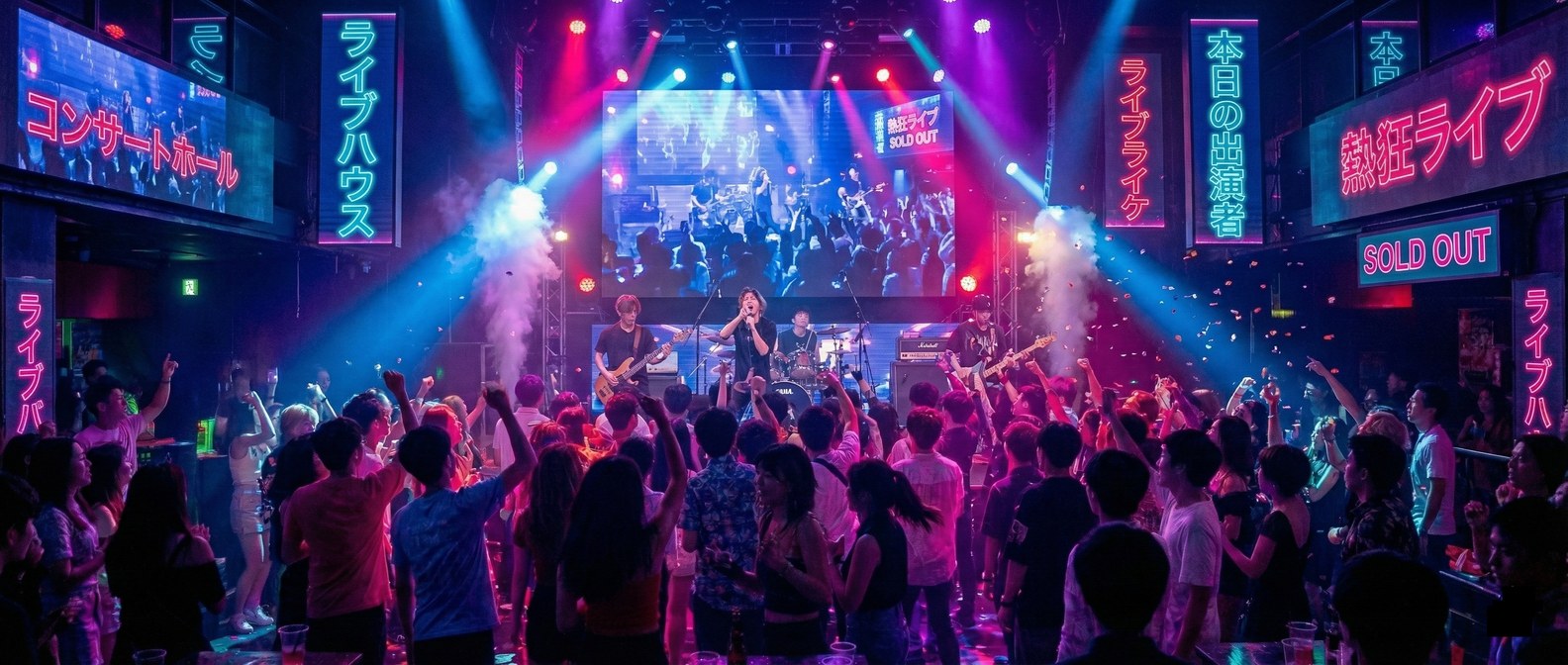
Live houses are venues dedicated to live music performances, ranging from small, intimate spaces to larger concert halls. They showcase local and international artists across many genres.

What to expect:
• Cover charges typically ¥2,000-5,000 (includes 1 drink at many places)
• Live performances by bands, solo artists, or DJs
• Intimate settings—often standing room or limited seating
• Genres: rock, pop, jazz, electronic, indie, and more
• Shows usually start around 7-8 PM and run for a few hours
• Drinks available, sometimes food
How it works: Check schedules in advance—many live houses have websites or social media. Some places require advance tickets, others allow walk-ins. Arrive early for good spots near the stage. Many venues have a "one drink" system where your cover includes one drink.
Best areas: Shimokitazawa, Shibuya, and Koenji are known for live music scenes. Many smaller neighborhoods also have great live houses. Check local listings for upcoming shows.
Etiquette: Show respect during performances—keep talking to a minimum. Photography policies vary—ask before taking photos or videos. Support the artists by buying drinks or merchandise.

Idol Live Venues

Idol live venues guide banner

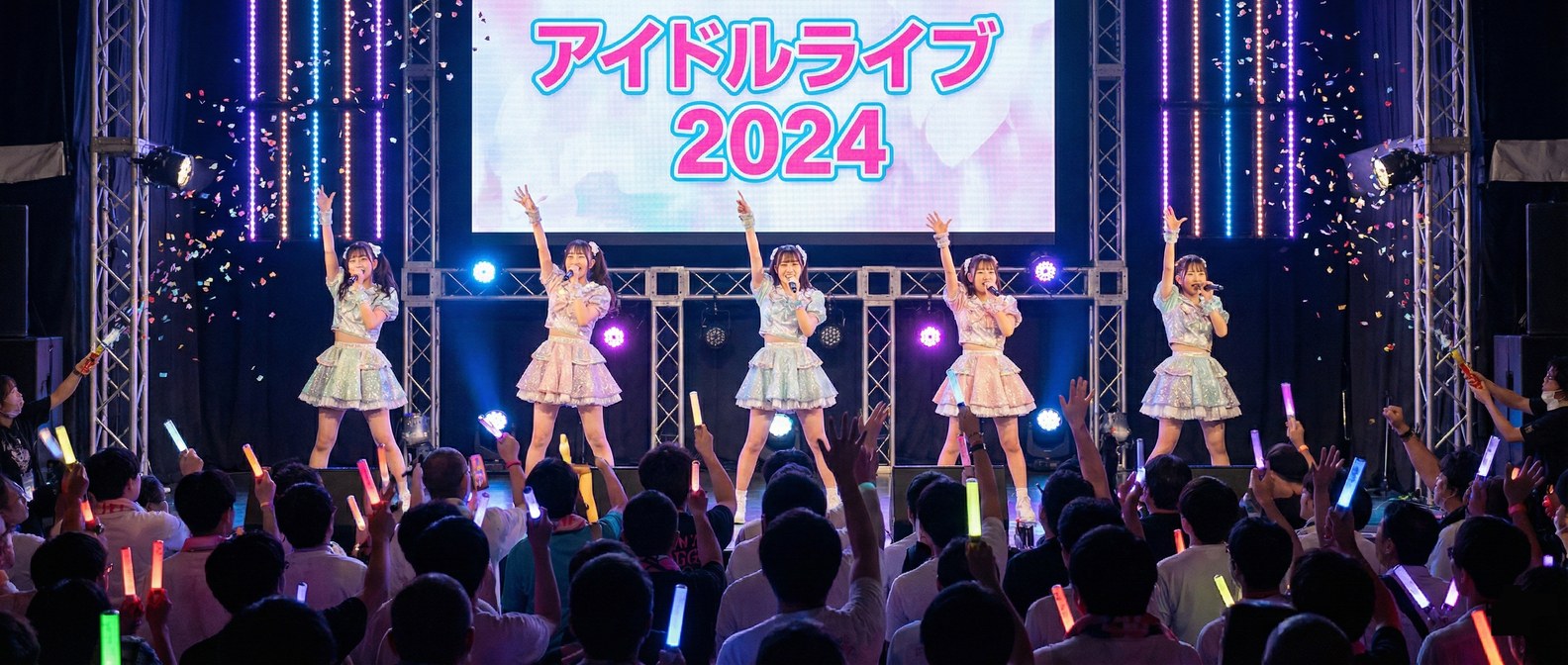
Idol culture is a major part of Japan's entertainment scene, and idol live venues host performances by idol groups and solo artists. These shows are energetic, interactive, and often very affordable.

What to expect:
• Very affordable entry (often ¥1,000-3,000)
• High-energy performances with choreography
• Interactive elements—fans often participate with chants and movements
• Photo opportunities and meet-and-greets sometimes available
• Merchandise sales (photos, goods, etc.)
• Often multiple acts per show
Fan culture: Idol fans are very dedicated and often know specific chants and movements. Don't worry if you're new—just enjoy the show and follow along as best you can. It's a unique cultural experience even if you're not familiar with the performers.
Best areas: Akihabara is famous for idol culture, with many dedicated venues. Shibuya and other areas also have idol live houses. Check schedules online or at venue websites.

Event Spaces

Event spaces host various types of entertainment events, from music festivals and concerts to themed parties, cultural events, and special performances.

What to expect:
• Varied pricing depending on the event
• Large venues that can accommodate many people
• Often host one-off or special events rather than regular programming
• May include food vendors, merchandise, and multiple stages
• Check event listings for specific details
Finding events: Check event listing websites, social media, and venue websites. Many events require advance tickets. Popular events can sell out quickly, so plan ahead.
Types of events: Music festivals, themed parties, cultural performances, art events, and more. These spaces are versatile and host a wide variety of entertainment.

Show Pubs

Show pubs combine live entertainment (often dance performances, comedy, or variety shows) with a pub-like atmosphere. They're social venues where you can watch performances while drinking.

What to expect:
• Cover charge or drink minimum
• Regular performances throughout the night
• More casual than dedicated performance venues
• Food and drinks available
• Interactive atmosphere—performers may interact with audience
Atmosphere: More relaxed than formal shows. It's okay to talk and socialize, though you should still show respect for the performers. Good for groups who want entertainment but also want to socialize.

Jazz Bars

Jazz bars offer live jazz performances in intimate settings. Japan has a deep appreciation for jazz, and these venues range from legendary establishments to modern spaces.

What to expect:
• Cover charge for live music (typically ¥1,000-3,000)
• Intimate, often dimly lit spaces
• Live performances by jazz musicians
• Drinks usually ¥800-1,500
• Some places have strict "no talking during performances" policies
• Often sophisticated, contemplative atmosphere
Etiquette: During performances, keep conversation to a minimum or wait for breaks. Photography is usually not allowed during shows. Show appreciation by listening attentively. Some legendary venues have been operating for decades and have their own traditions.
Best areas: Shinjuku is famous for jazz bars, with many classic venues. Shibuya and Roppongi also have good options. Some legendary places are must-visits for jazz enthusiasts.

Strip Clubs

Strip clubs in Japan operate under specific regulations and cultural norms. They're adult entertainment venues that combine performances with drinks and socializing.

What to expect:
• Cover charges typically ¥3,000-8,000
• Stage performances
• Drinks available (often required minimum)
• Some places have private areas or VIP options
• Strict rules about photography and behavior
• Often located in specific entertainment districts
Regulations: Strip clubs in Japan operate under specific legal frameworks. Rules vary by location and establishment. Always respect venue rules and local laws. Photography is typically strictly prohibited.
Etiquette: Be respectful of performers and other customers. Follow all venue rules. Don't take photos. Understand that these are adult entertainment venues with their own cultural context and norms.
Important: These are adult entertainment venues. Only visit if you're comfortable with this type of establishment. Always respect performers, staff, and other customers. Follow all local laws and venue regulations.