Overview: how Ebisu / Meguro works
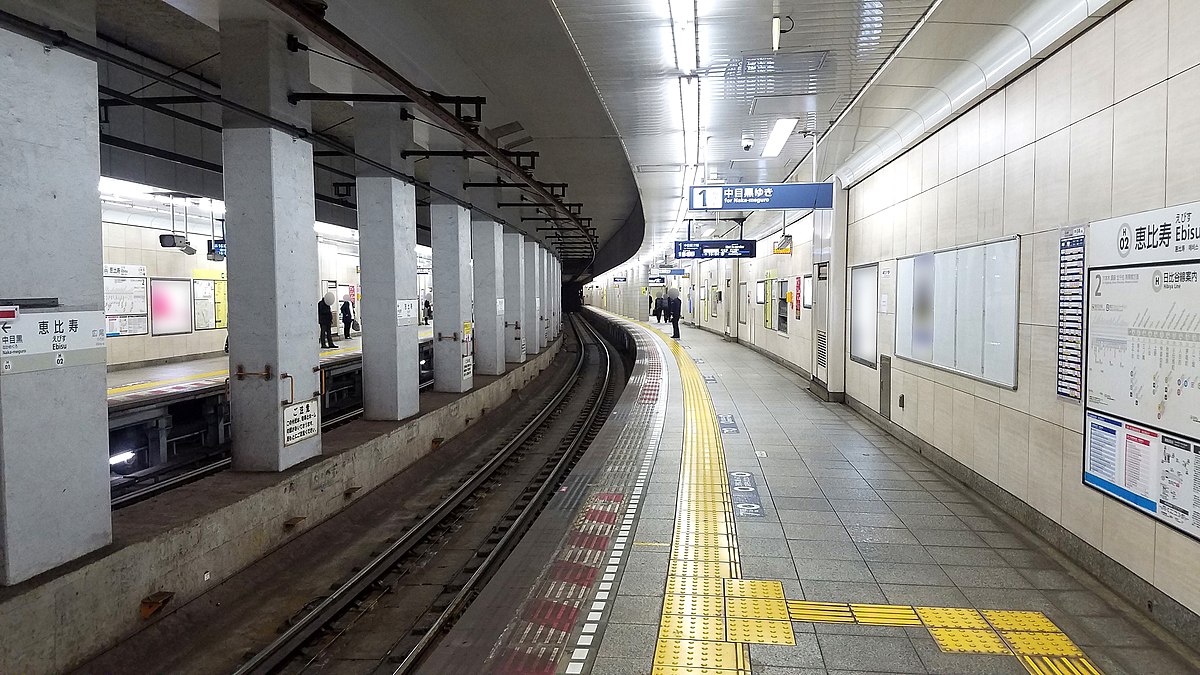
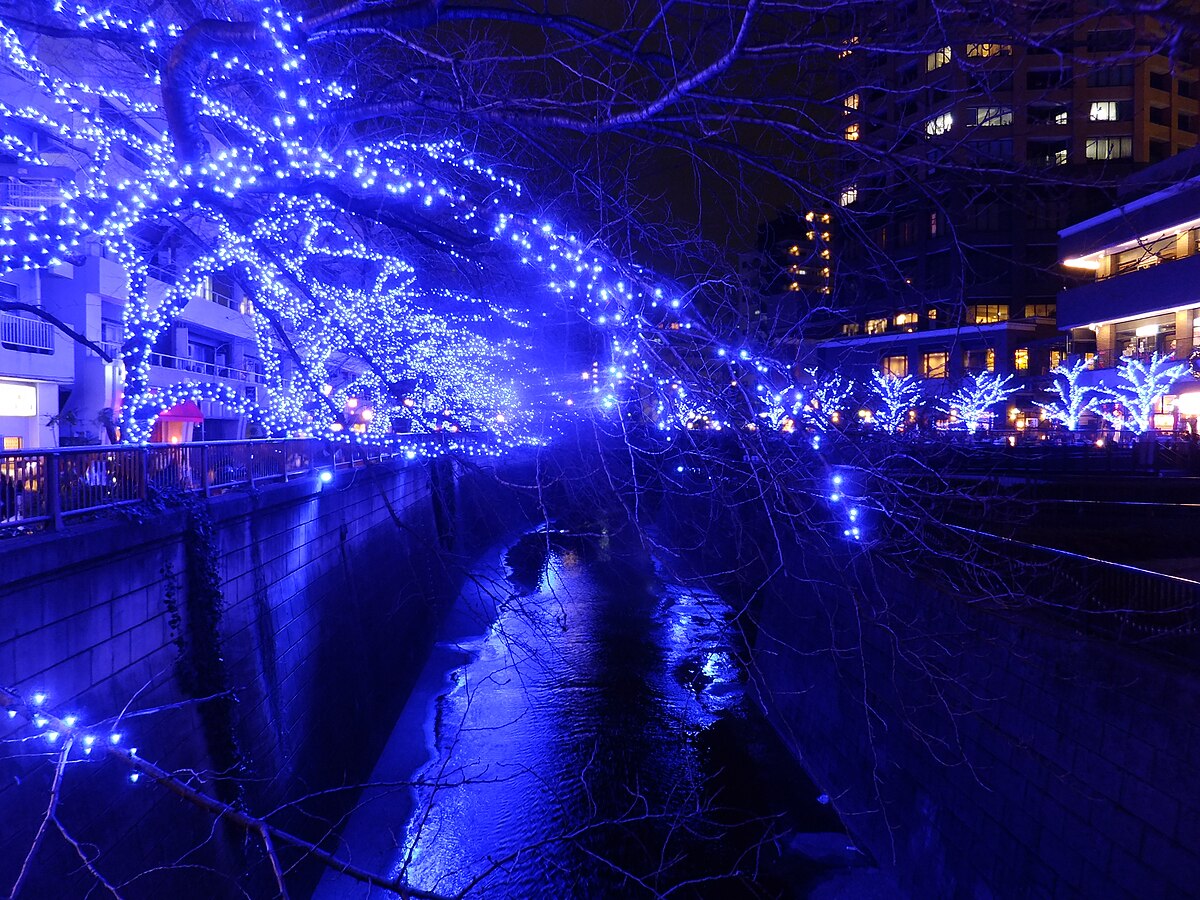
Ebisu and Meguro sit just south of Shibuya, but the nightlife tone changes immediately. This is where Tokyo shifts from “let’s go out” to “let’s eat well and drink properly.” Nights are dining-led, conversation-heavy, and generally more refined.
Not about: Loud clubbing, mass bar-hopping, tourist spectacle.
Peak hours: 19:00–23:30 (earlier wind-down than party districts).
Ebisu Station Area 恵比寿駅周辺
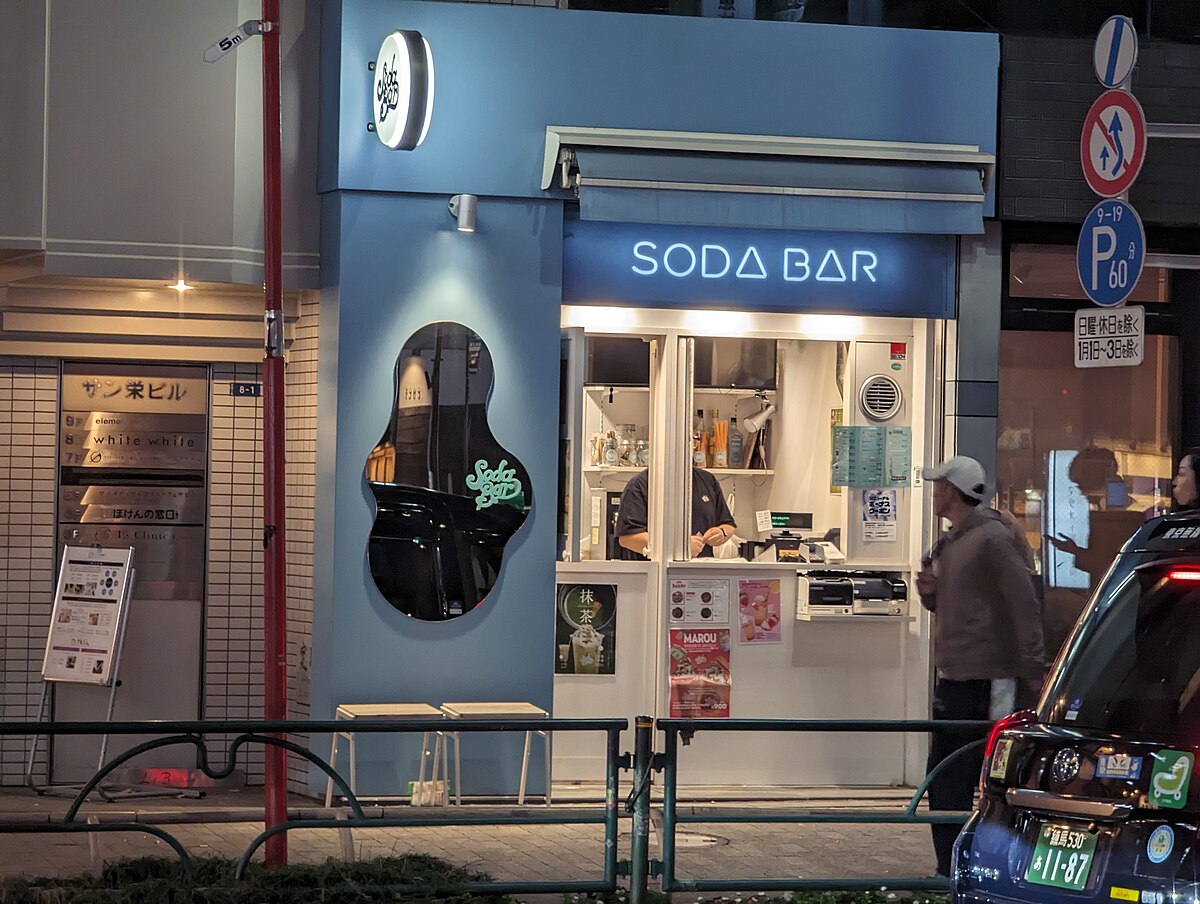
Around Ebisu Station you’ll find a compact but high-quality nightlife cluster: izakaya with good food, wine bars, cocktail bars, and approachable streets for casual drinks. It’s lively without being chaotic.
Atmosphere: Stylish casual — people care, but not aggressively.
How to do it: Choose a place that smells good and sounds lively, not loud.
Yebisu Garden Place 恵比寿ガーデンプレイス
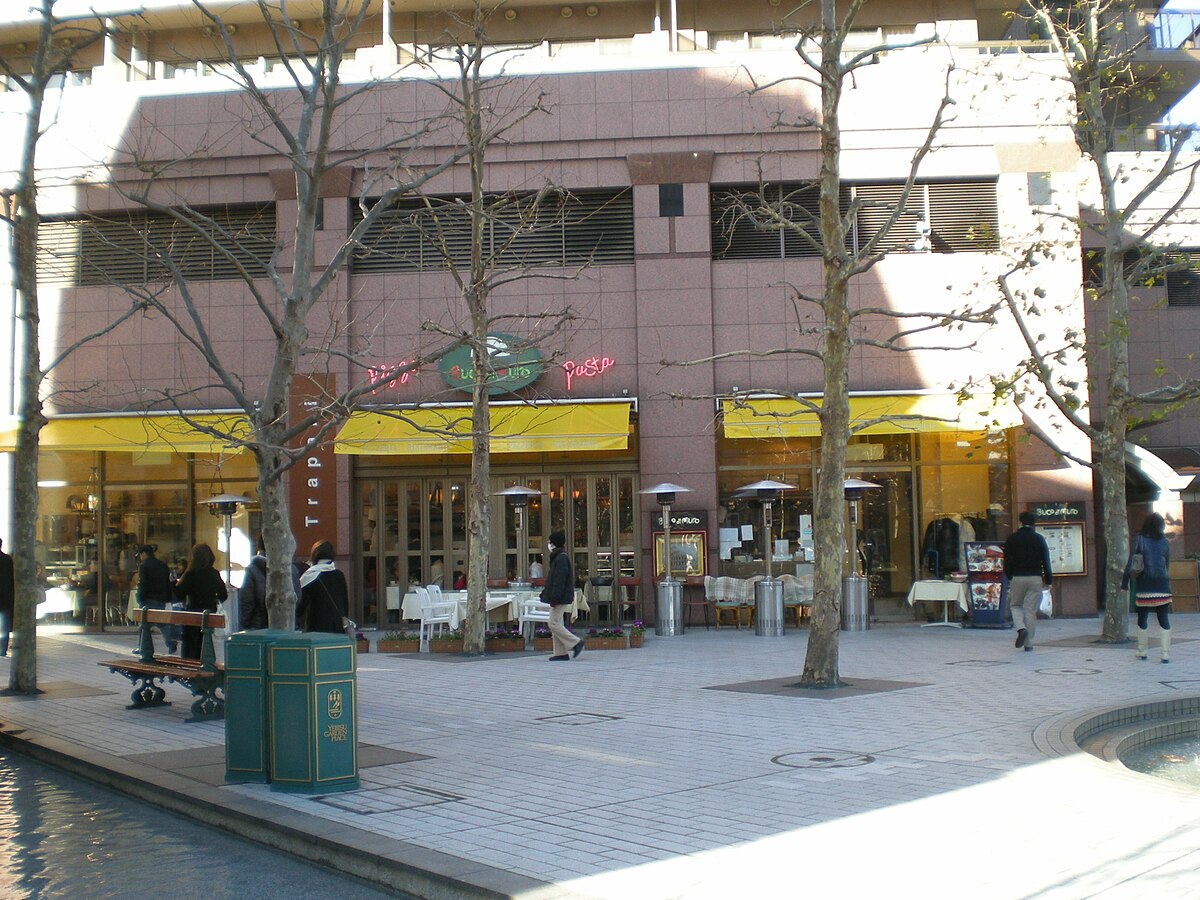
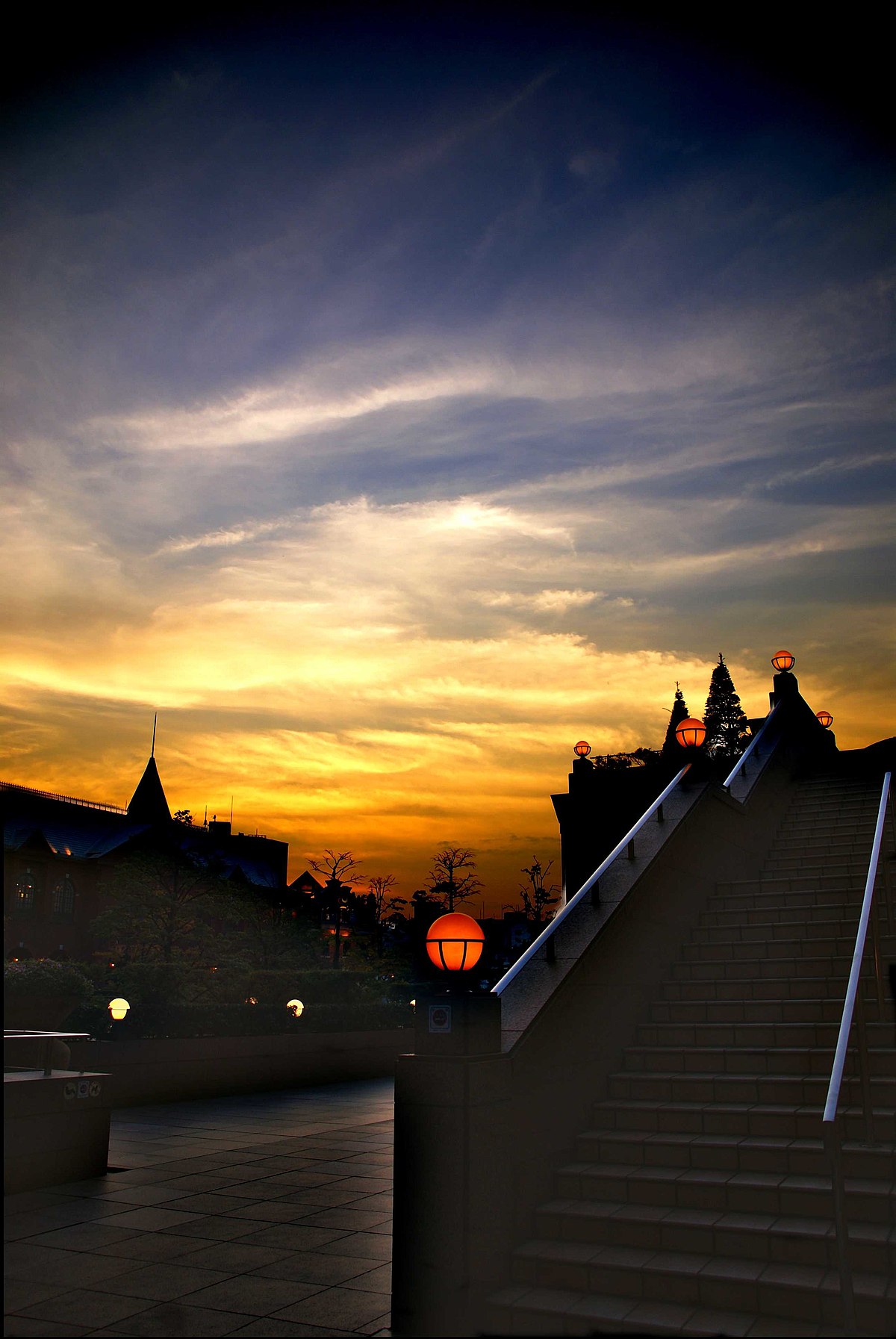
Yebisu Garden Place is the most refined pocket of the area: restaurants, hotel bars, and lounges designed for conversation. It’s quieter than the station core and works especially well for dates.
Dress: Neat casual; sportswear looks out of place.
How to use it: Start here → move to Ebisu backstreets if you want more energy.
Ebisu Backstreets 恵比寿裏通り
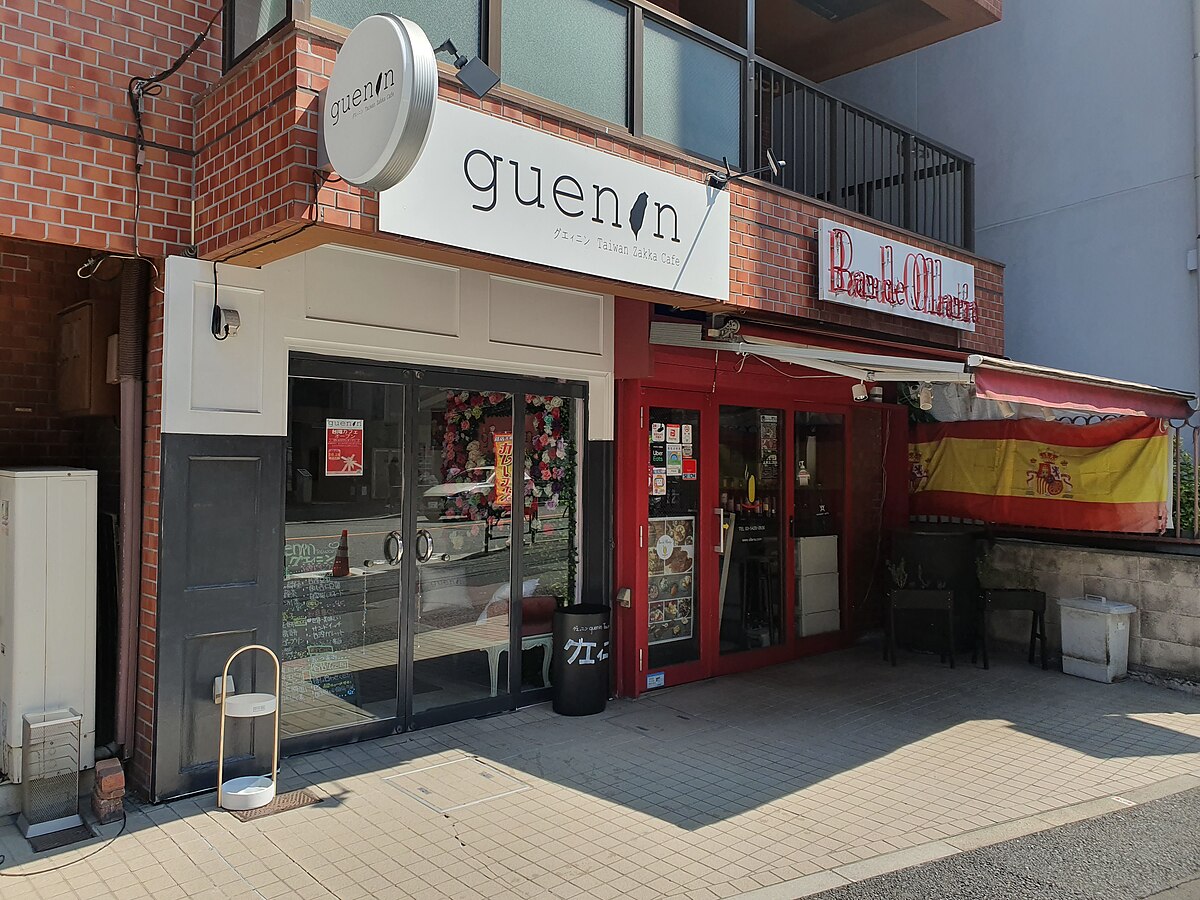
Step away from the station and Ebisu becomes intimate. Narrow streets hide excellent bistros, sake bars, natural wine spots, and owner-run bars that rely on regulars rather than foot traffic.
How to do it: One or two stops is enough — linger and talk.
Language: English varies, but staff are usually patient.
Meguro Station & River Side 目黒駅・目黒川
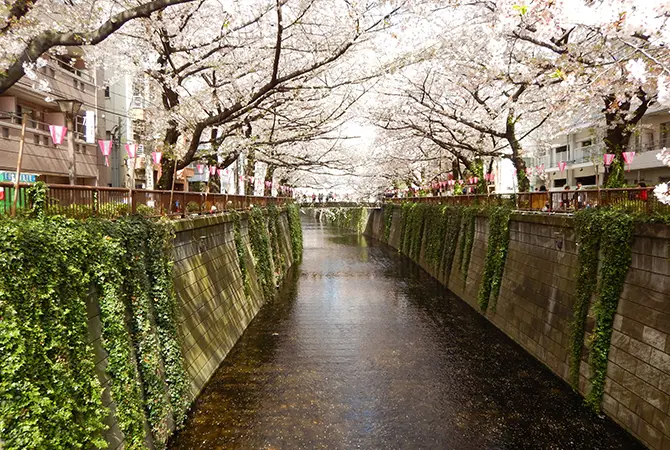
Meguro feels residential and calm compared to Ebisu. Nightlife here centers on dining, wine bars, and quiet drinking spots near the station or along the Meguro River. It’s a place to slow down, not speed up.
Atmosphere: Low noise, steady conversation, unflashy confidence.
Good pairing: Ebisu evening → Meguro nightcap.
How to do Ebisu / Meguro
These areas reward intention. Going in without a plan is fine — but rushing is not.
• お通し (otoshi): common at izakaya.
• チャージ (charge): some bars, usually modest and clear.
• Minimums may exist in lounges — menus usually state this.
• Eat properly first.
• Drink slower; fewer rounds are normal.
• Stay longer in one place rather than hopping.