Overview: how Fukuoka works at night
Fukuoka nightlife is built around three ideas: eat first, drink casually, and keep moving. The city is famous for yatai (open-air food stalls), late ramen, and the kind of bar culture that welcomes conversation without making it a performance.
Not about: Big-club mega districts (they exist, but food-led nightlife is the main character).
Peak hours: 19:00–01:00 (late pockets go later, especially around Nakasu).
Nakasu (neon + late-night core) 中洲
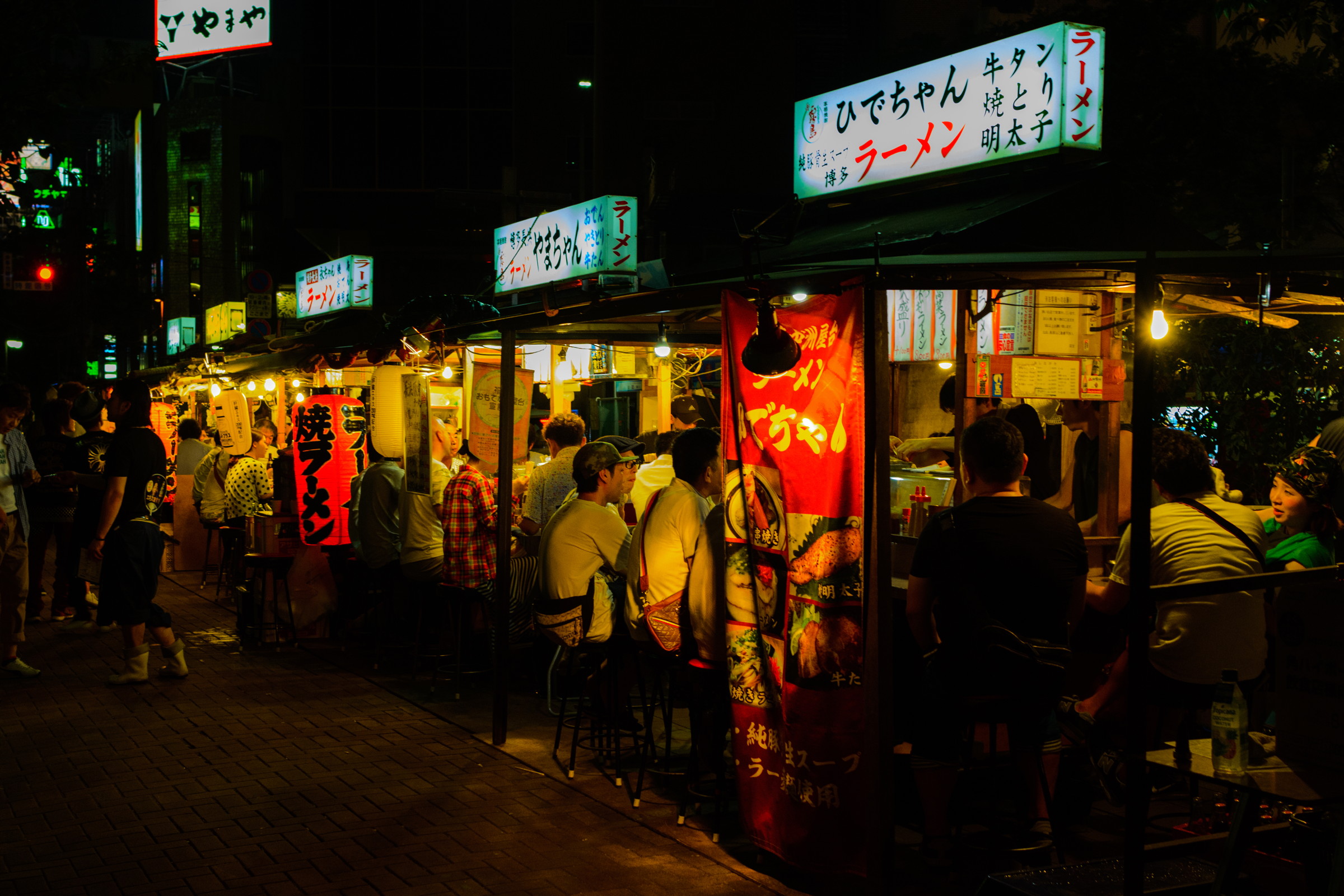
Nakasu is Fukuoka’s best-known nightlife zone: dense streets, bright signs, and the highest concentration of late-night venues. You can do a full night here without leaving the area — but it’s even better as a “main course” after you’ve eaten at yatai or in Tenjin.
How to do it: Keep the group small and move when it gets crowded.
Energy: Busy, louder, more “city-night” than the rest of Fukuoka.
Tenjin (shopping streets + bars) 天神
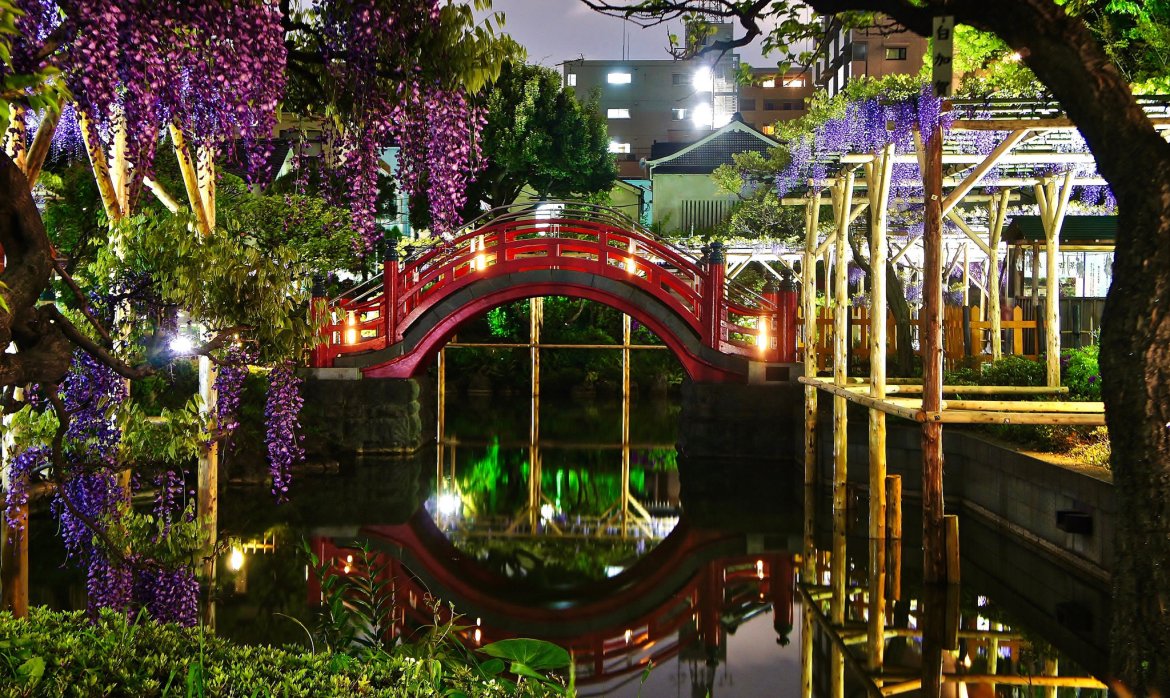
Tenjin is the downtown heart of Fukuoka: shopping, food, and nightlife blended into one walkable grid. Compared to Nakasu, Tenjin feels more mixed — date bars, izakaya clusters, casual pubs, and quieter pockets.
How to do it: Start with food near the main streets, then drift into side roads for bars.
Vibe: Social, flexible, less intense than Nakasu.
Hakata Station area (gateway + late eats) 博多駅周辺
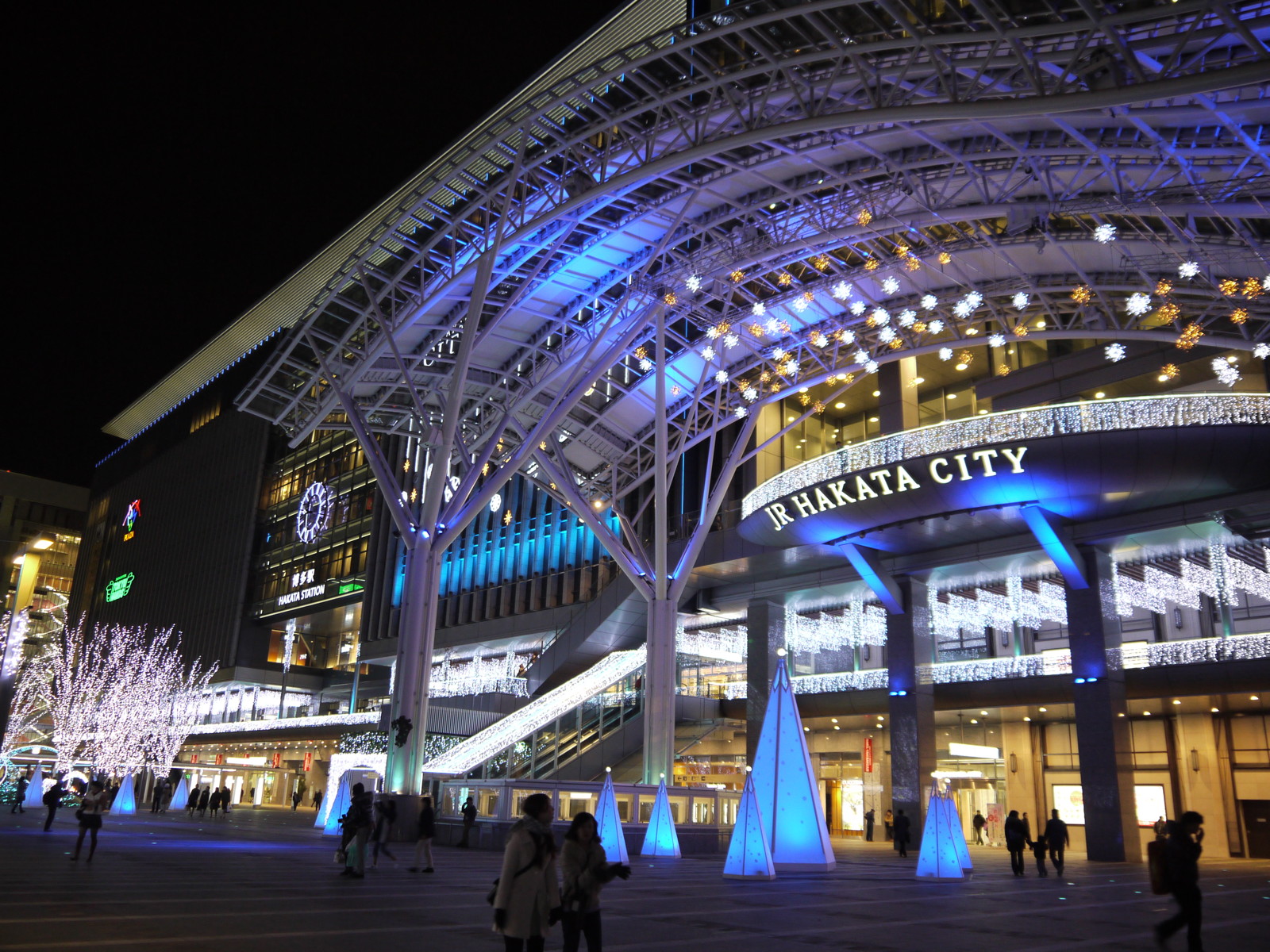
The Hakata Station area is where nights begin (arrival) and end (last train / hotel return). It’s less “scene” and more “reliable”: restaurants, izakaya, and late-night meals that keep you safe and fed.
How to do it: Eat well here, then head to Tenjin/Nakasu if you want more density.
Vibe: Practical, steady, less chaotic.
Daimyō / Imaizumi (youth + indie bars) 大名・今泉
Daimyō and Imaizumi sit near Tenjin and skew younger and more style-driven: small bars, music-forward spots, casual late eateries, and a “local weekend” feeling. This is where you go if you want something less mainstream than the biggest streets.
How to do it: Choose one anchor bar, then add one more nearby rather than racing.
Vibe: Lively, creative, less corporate than station areas.
Momochi / Seaside (views + calmer nights) 百道・シーサイド
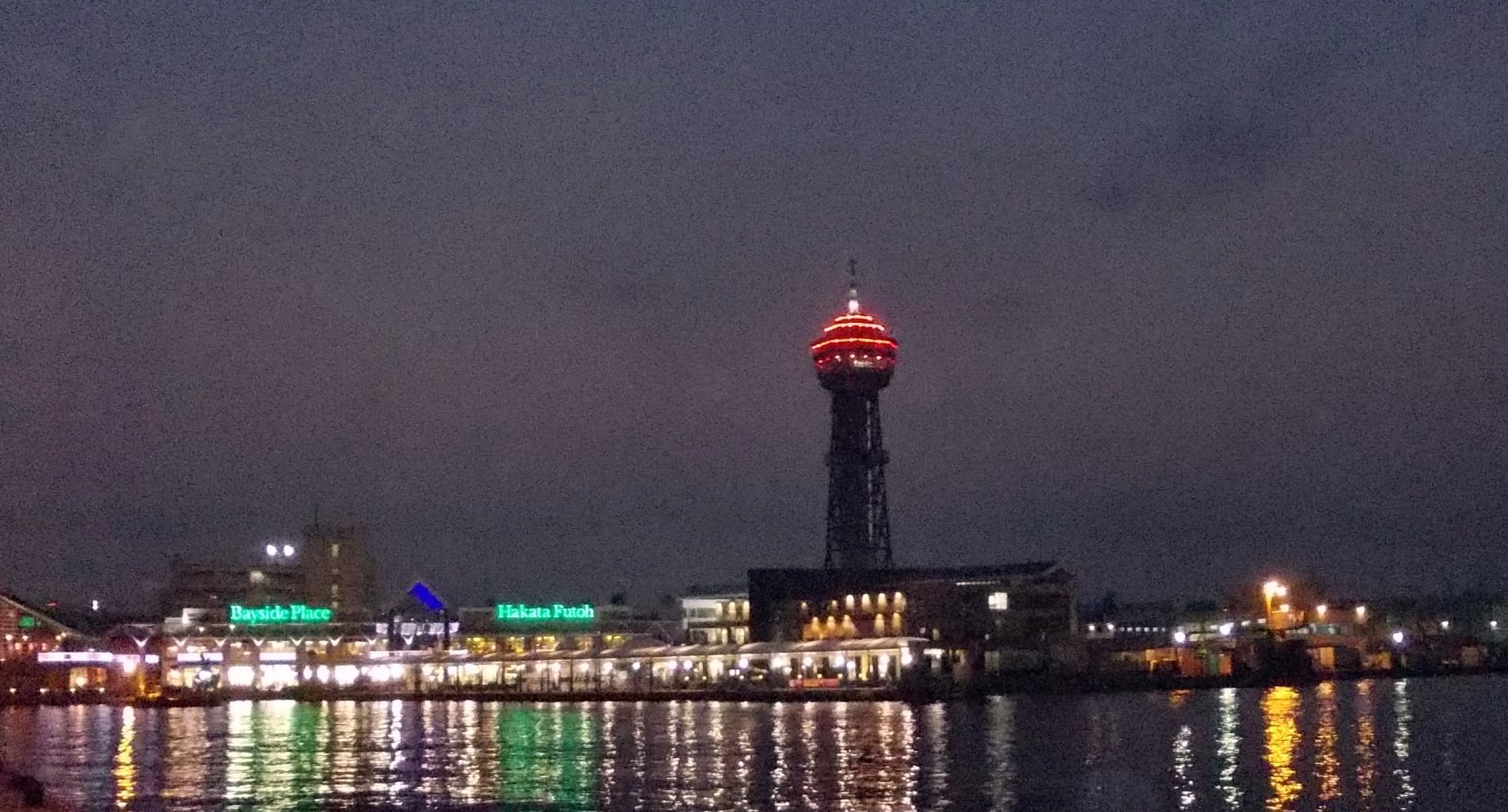
If you want a different kind of night, head toward the waterfront. Momochi and the seaside areas are better for views, walks, and quieter “end the night clean” energy than for dense bar crawling.
How to do it: Do downtown first, then come here as the “cool-down.”
Vibe: Open space, quieter streets, scenic atmosphere.
How to do Fukuoka (yatai, charges, pacing)
Fukuoka nights feel best when you keep a simple structure: food → one bar → late noodles (optional). Over-planning usually makes the night worse.
• Expect close seating and conversation with strangers.
• Order quickly, eat, drink, then rotate — yatai are small by design.
• Cash is common; some stalls accept cards, but don’t assume.
• お通し (otoshi): common in izakaya.
• チャージ (charge): some bars, usually stated (ask if unsure).
• In nightlife-heavy zones, always confirm pricing if it’s not posted.
• Tenjin dinner → Daimyō bar → (optional) Nakasu neon walk
• Yatai → Nakasu bar → ramen finish
• Hakata Station easy dinner → one drink → early finish (first night / business trip)