Overview: how this area works
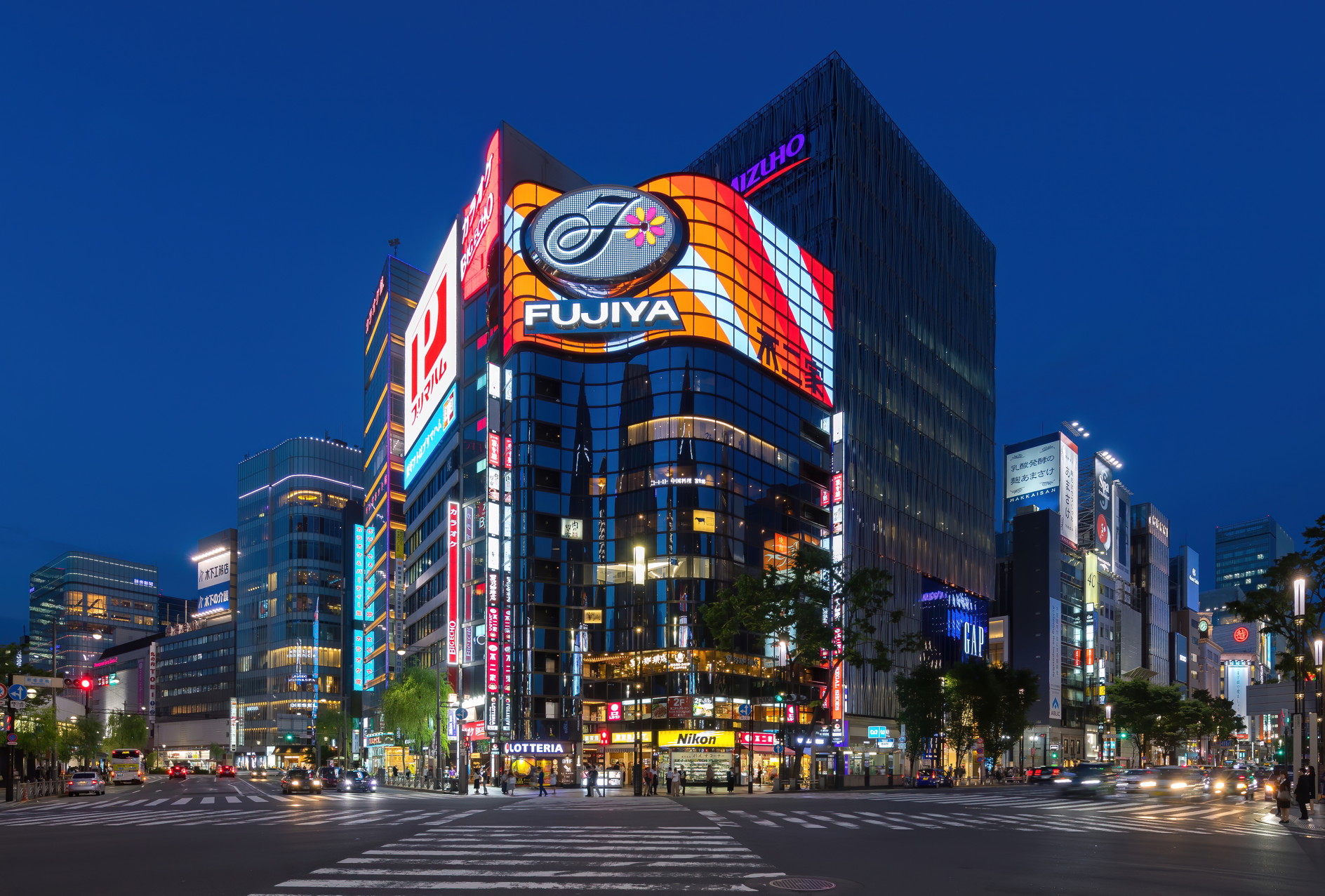
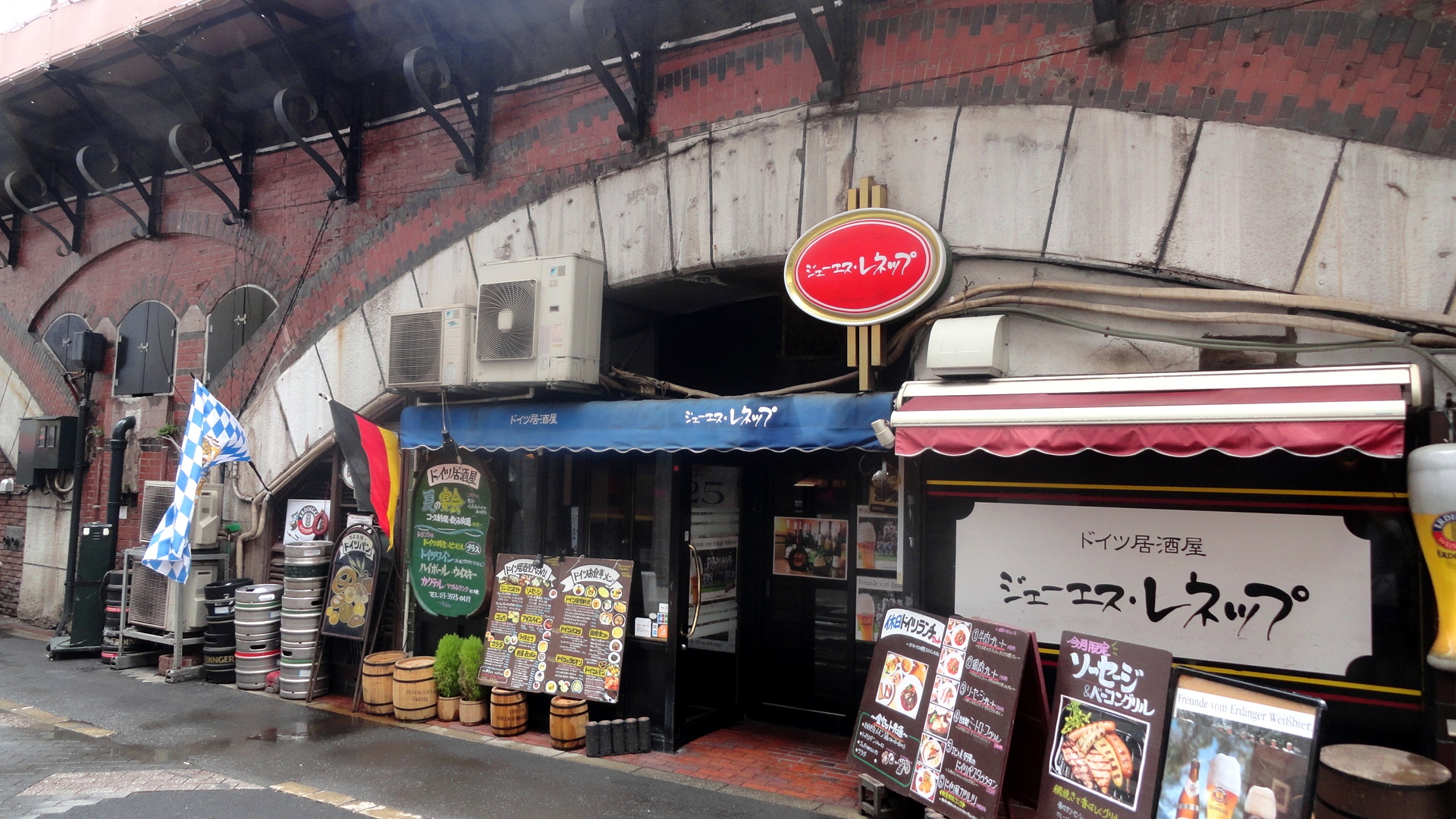
Ginza, Yurakuchō, and Shinbashi form Tokyo’s after-work backbone. This is where office workers turn into drinkers, where nights start earlier, and where the rhythm is dictated by the last train rather than club peak hours.
Peak hours: 18:00–23:00 (earlier than Shinjuku/Shibuya).
Deep Tokyo truth: This area isn’t flashy — it’s functional.
Ginza 銀座
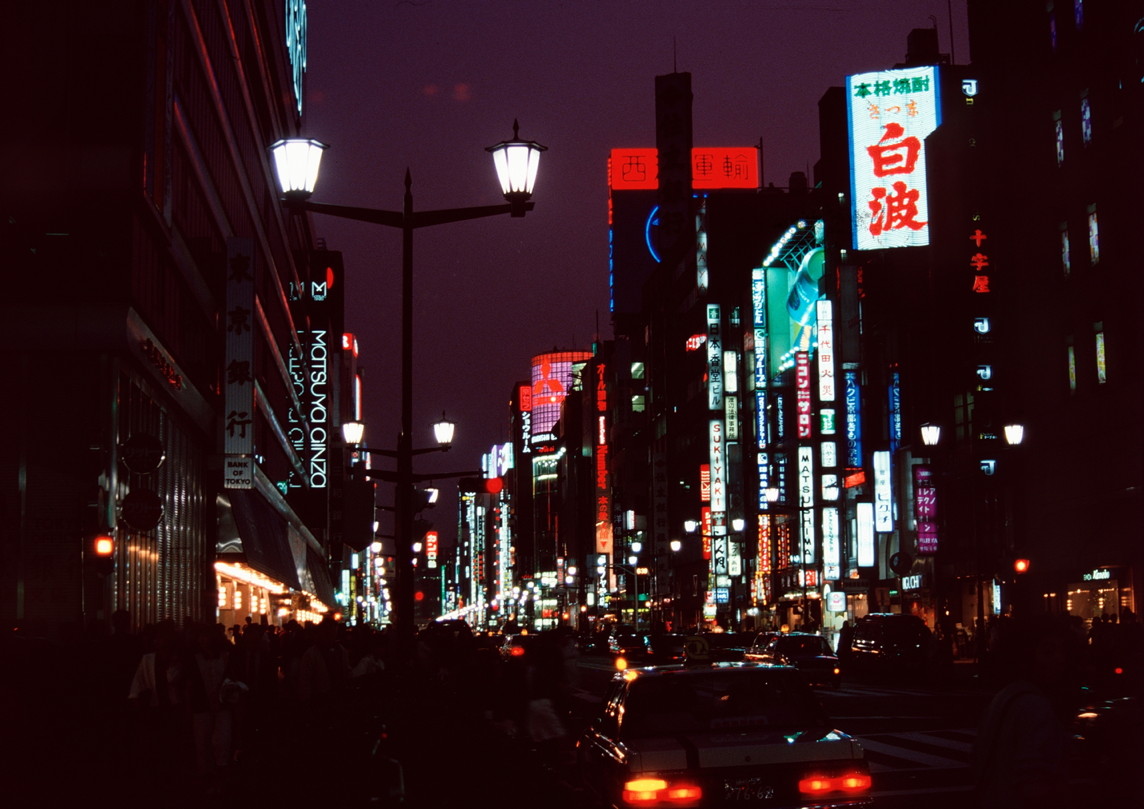
Ginza is Tokyo’s most famous upscale district, and its nightlife reflects that: cocktail bars, wine bars, whisky bars, and high-end lounges tucked into upper floors and basements with minimal signage.
Dress: Neat casual minimum; sloppy looks stand out quickly.
Language: English is more common here than most “deep Tokyo” zones.
Yurakuchō (Guard-shita) 有楽町 ガード下
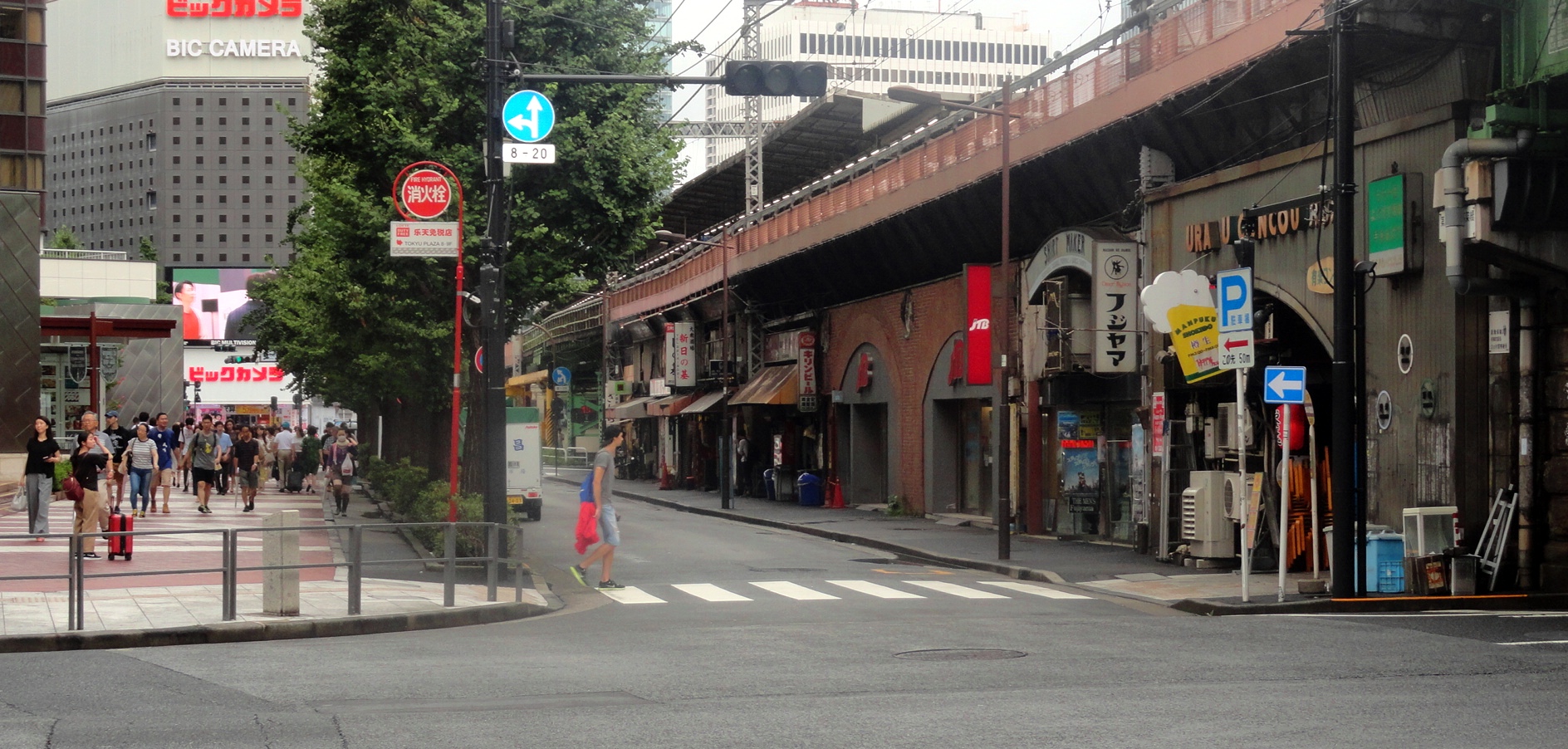
Yurakuchō’s guard-shita (under the train tracks) is one of Tokyo’s most iconic drinking environments. Narrow streets packed with izakaya, yakitori, standing bars, and casual eateries — loud, smoky, and extremely alive on weekday evenings.
How it works: Many groups do one hour per place, then move.
Seating: Tight — expect shoulder-to-shoulder tables.
Shinbashi 新橋
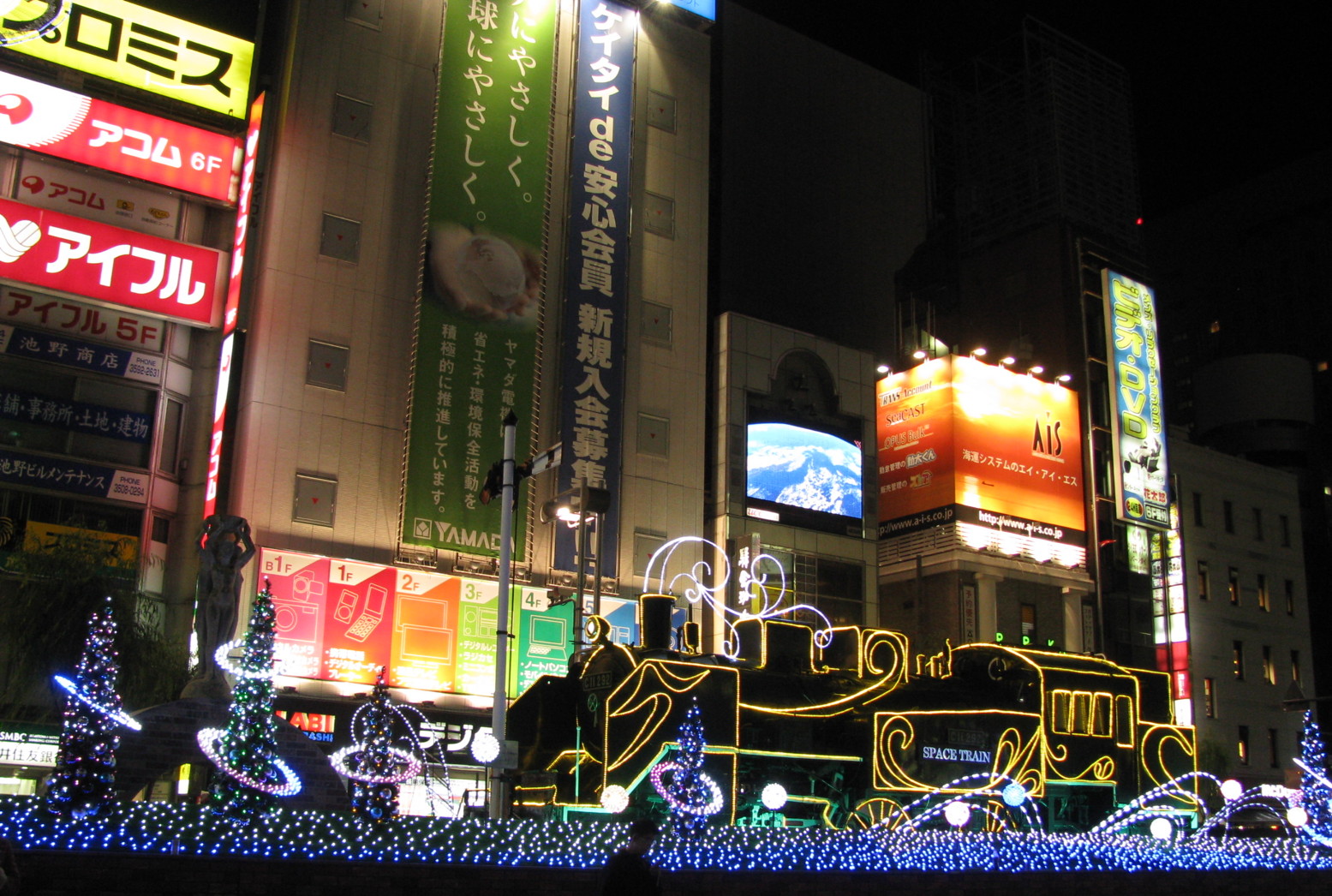
Shinbashi is the purest expression of Tokyo’s salaryman drinking culture. The streets fill early, voices rise quickly, and the focus is simple: beer, skewers, shared plates, and unwinding after work.
Timing: Early evening is best; places thin out after the last train.
Language: Little English, but easy with pointing and simple orders.
How to do Ginza / Yurakuchō / Shinbashi
Nights here are shorter, earlier, and more routine-driven than party districts. Understanding the system keeps things smooth and enjoyable.
• お通し (otoshi): a small dish you pay for at izakaya (normal).
• チャージ (charge): seating fee, especially in Ginza bars.
• サービス料 (service charge): sometimes added in upscale venues.
• First round is usually beer or highball.
• Food is shared; don’t over-order early.
• When finished, ask for the bill promptly — lingering is less common here.