Overview: how Ikebukuro works
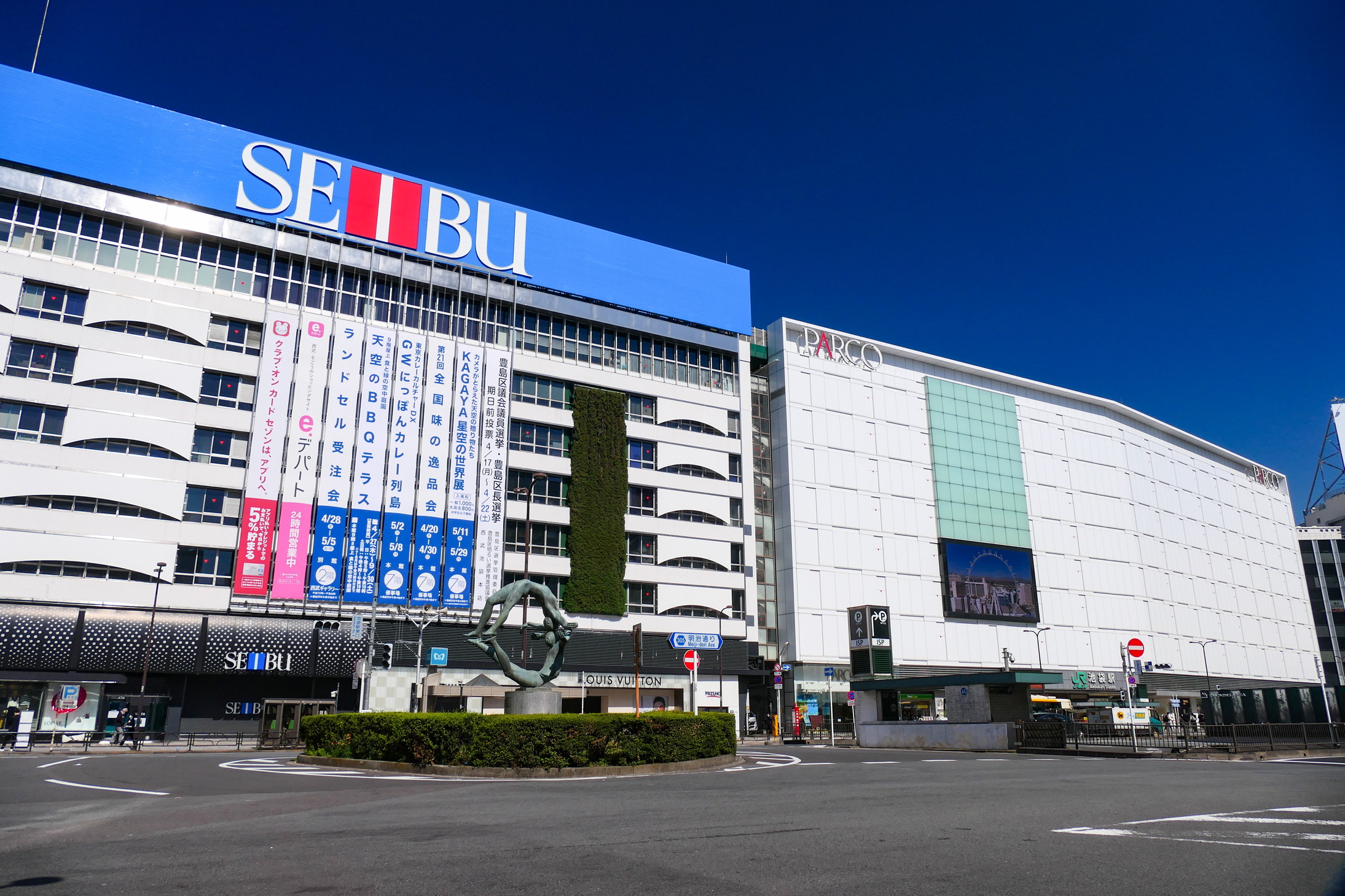
Ikebukuro is one of Tokyo’s largest transport hubs, but its nightlife rarely feels like a tourist district. Instead, it’s layered: office workers, students, residents, subcultures, and late-night venues all using the same streets for different reasons.
Unlike Shibuya or Shinjuku, Ikebukuro feels “used” rather than performed.
Not about: High-fashion nightlife or international clubbing glamour.
Peak hours: 18:30–23:30 (bars), later pockets run quietly past midnight.
West Exit (Ike-West) 池袋西口
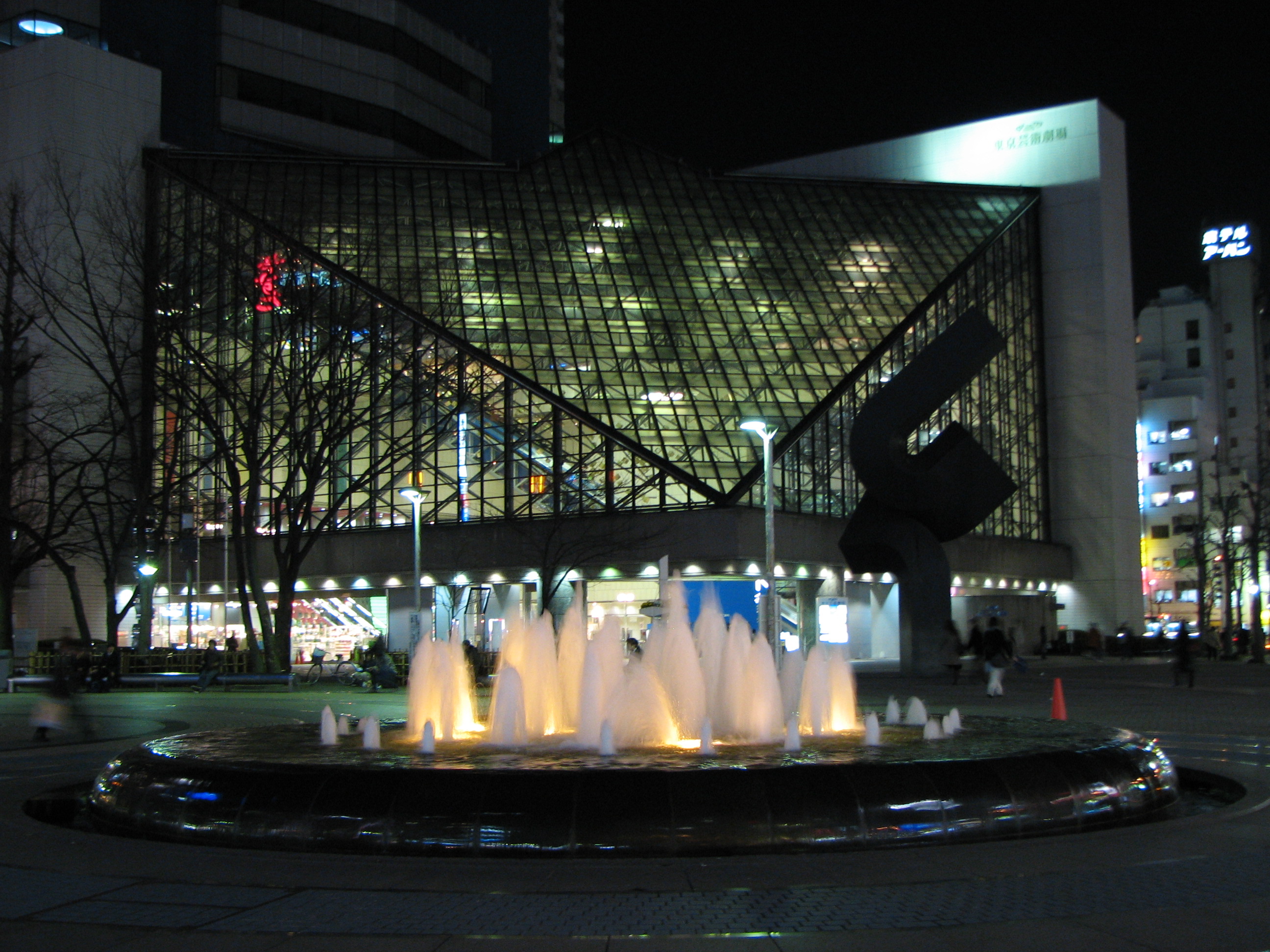
The west side is Ikebukuro’s strongest nightlife zone: packed with izakaya, yakitori, standing bars, and basement spots that fill quickly with locals after work. It feels closer to Shinbashi than Shibuya — practical, noisy, and routine-driven.
How to do it: Walk one block off the main street and choose places with visible crowds.
Group size: 2–4 people works best; large groups slow everything down.
East Exit 池袋東口
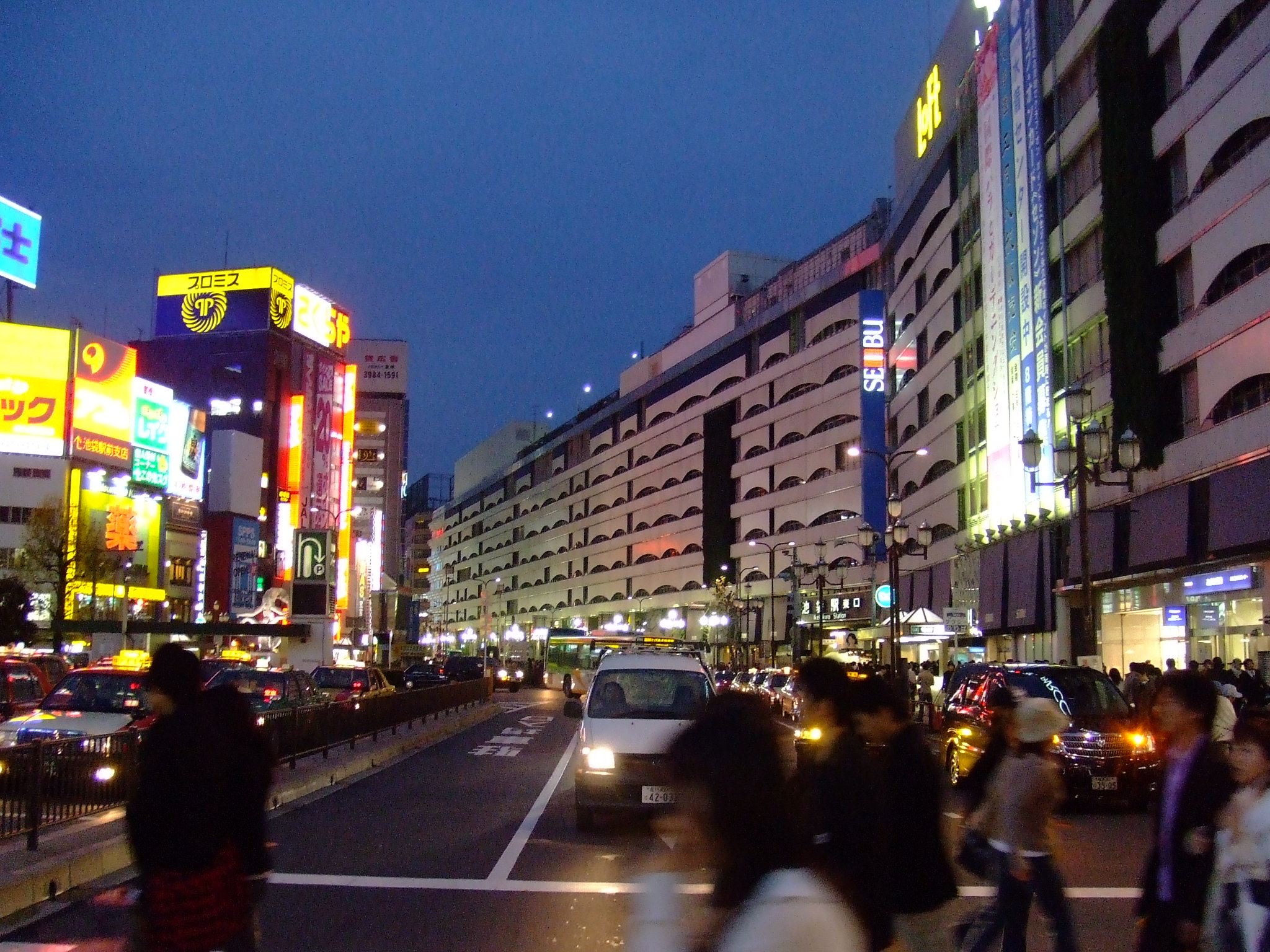
The east side is busier and more commercial: shopping buildings by day, vertical nightlife by night. Bars and clubs tend to be upstairs or below ground, with clearer signage and slightly more mixed crowds.
What to watch: Upper-floor venues — always check pricing before entering.
How to use it: Combine with Sunshine City or as a second stop after the west side.
Sunshine City / Higashi-Ikebukuro サンシャイン・東池袋
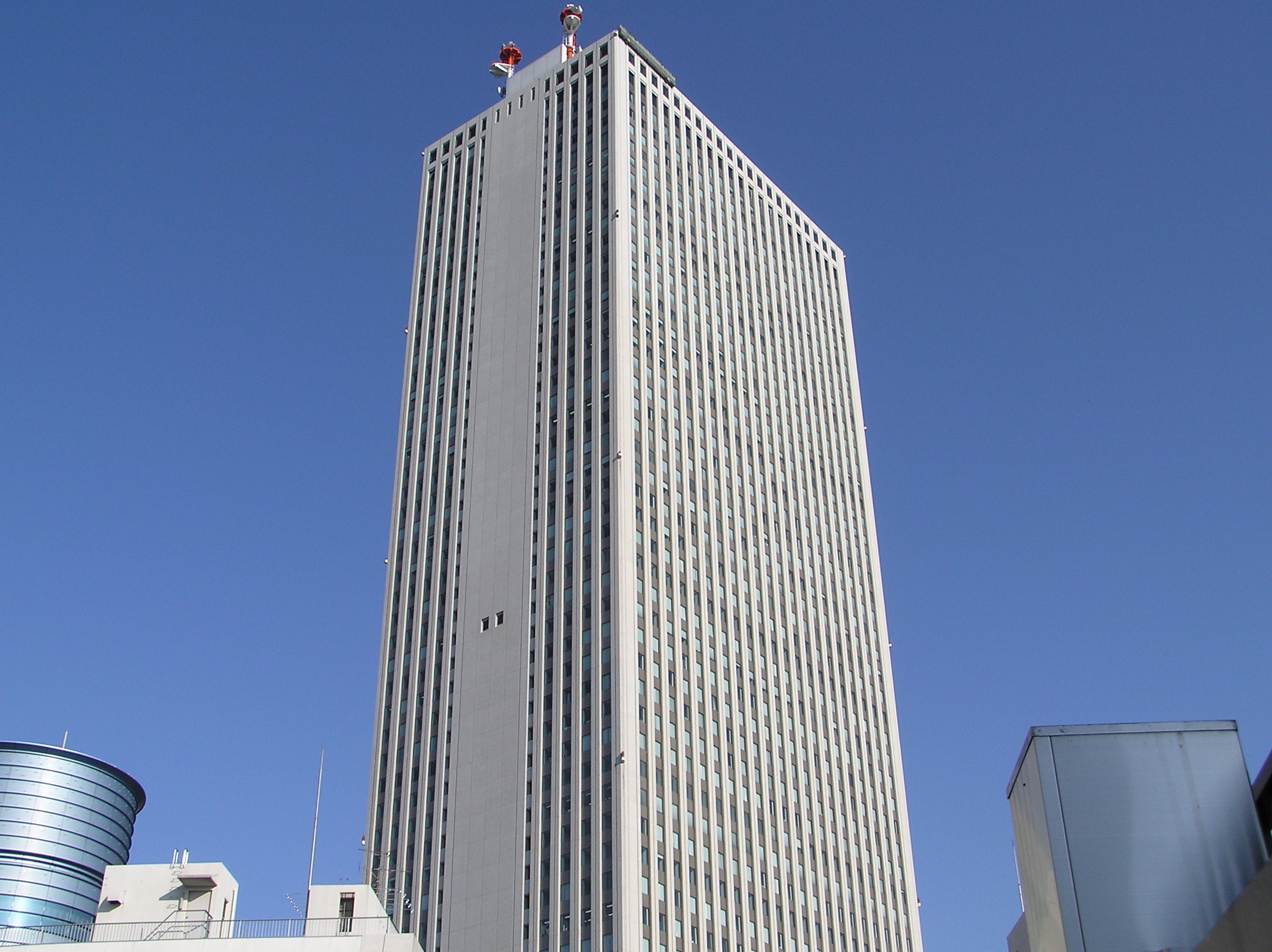
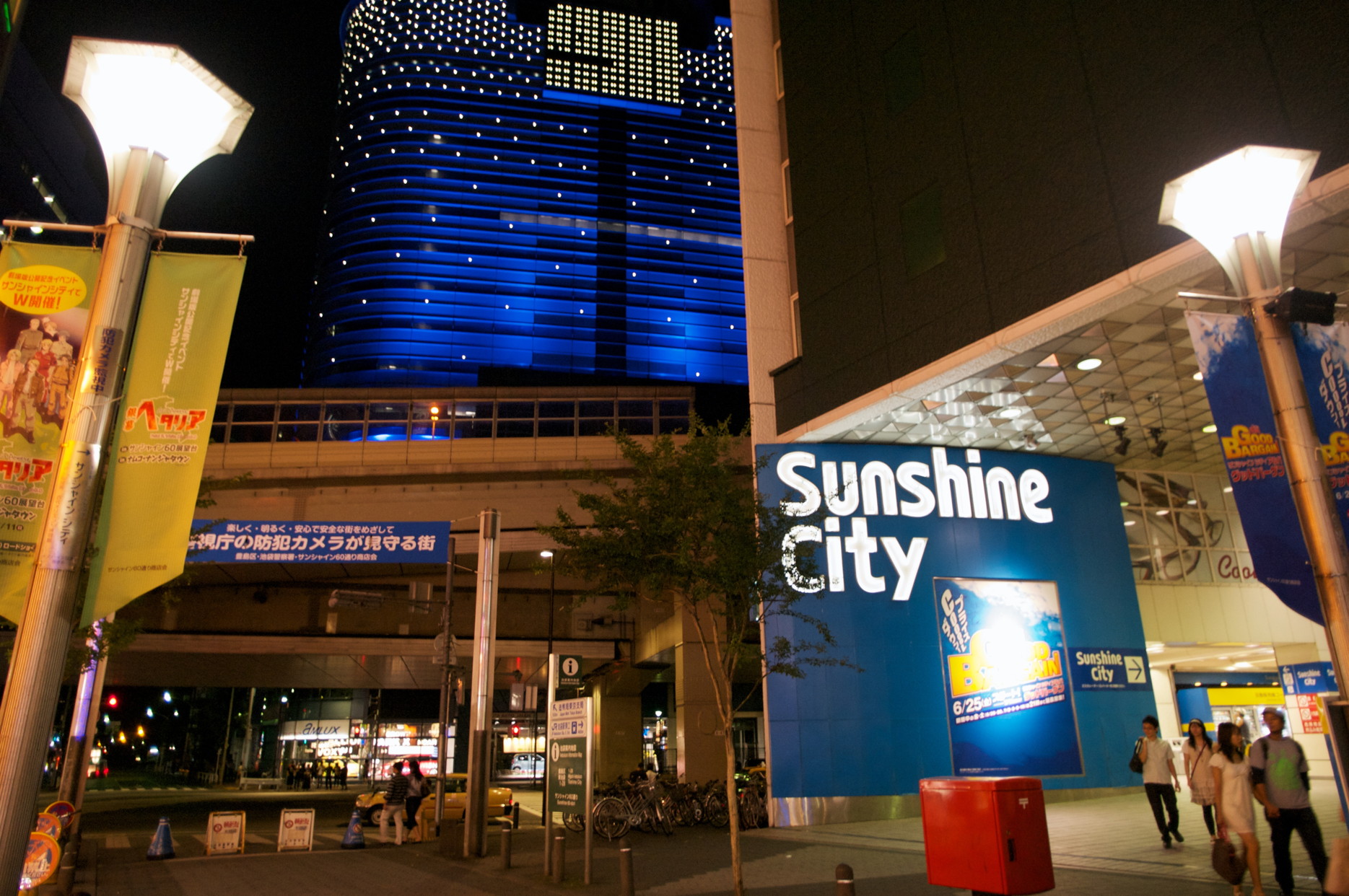
Around Sunshine City, nightlife feels more structured: chain restaurants, themed bars, anime-related venues, and places that are easy to enter even for first-time visitors. This is also where Ikebukuro’s otaku-adjacent culture overlaps with nightlife.
Atmosphere: Less smoky, less chaotic than the west side.
Good pairing: Sunshine dinner → west-side izakaya for drinks.
North Ikebukuro 池袋北口方面
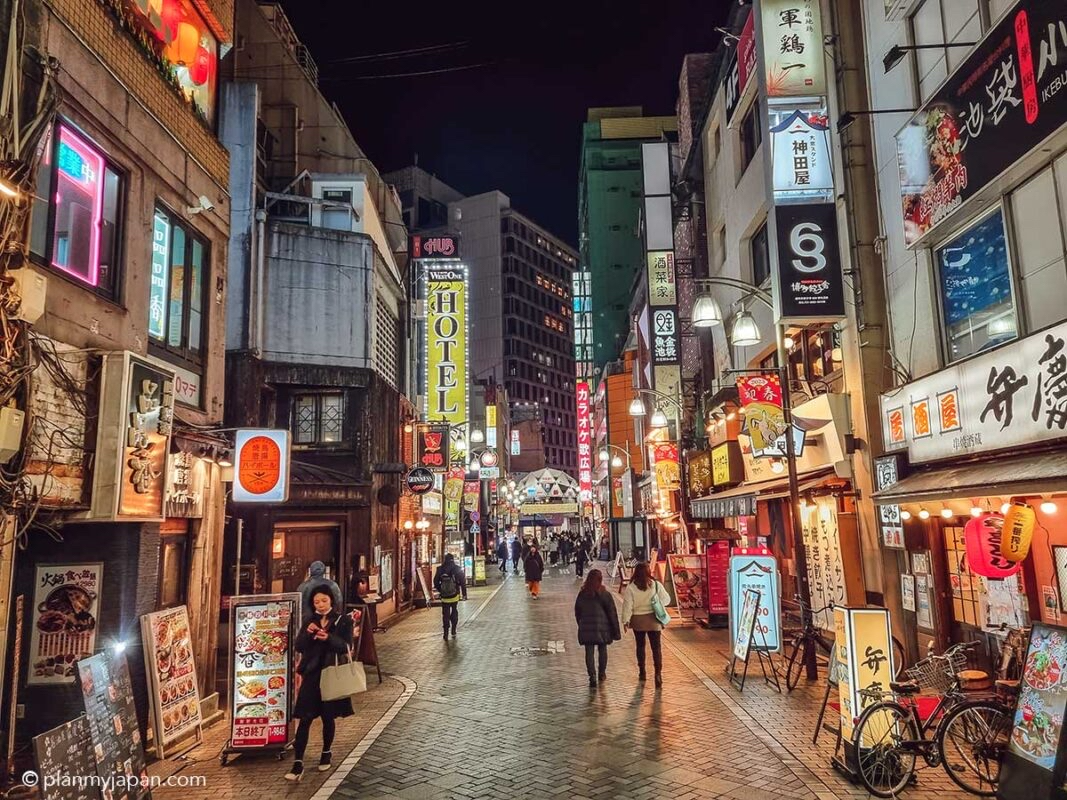
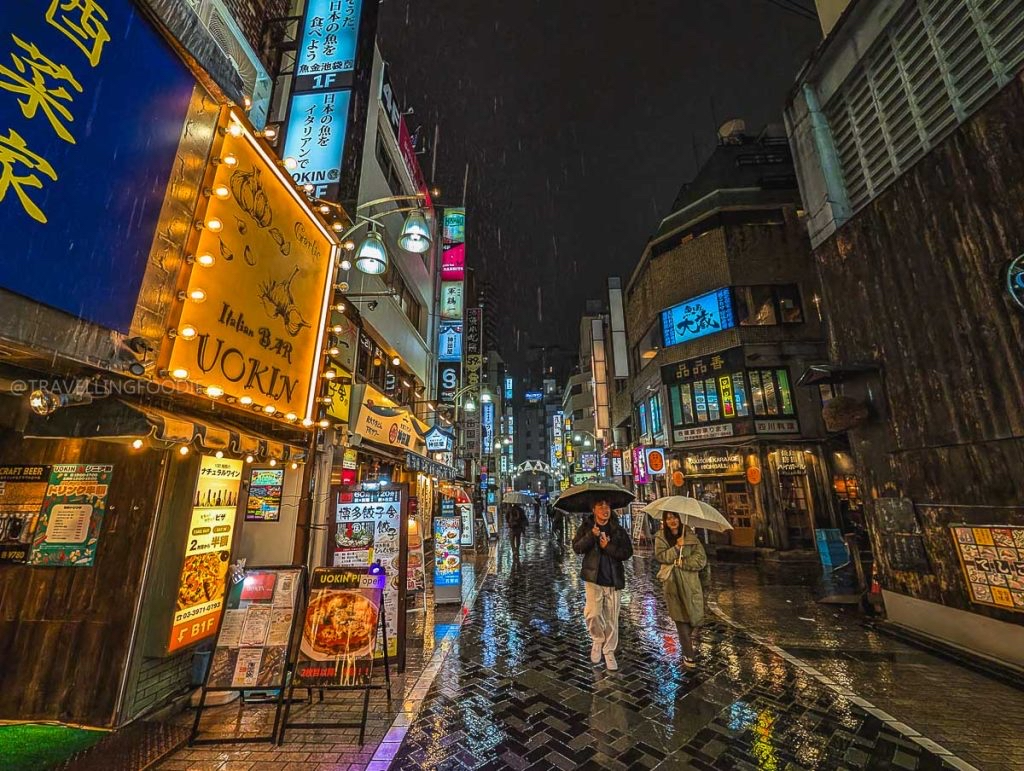
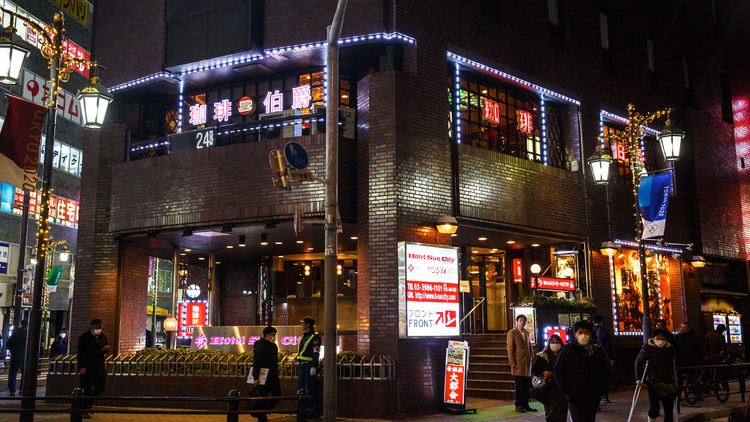
North Ikebukuro is less polished and less tourist-facing. You’ll find late-night eateries, foreign-owned restaurants, small bars, and streets that feel lived-in rather than designed. This is a zone for confident explorers rather than casual nightlife tourists.
Language: English is rare; pointing and basic phrases help.
Safety: Generally safe, but use the same awareness as anywhere unfamiliar.
How to do Ikebukuro (charges, etiquette, pacing)
Ikebukuro nightlife runs on everyday Tokyo rules rather than party-district spectacle. Understanding the basics makes the night feel natural rather than confusing.
• お通し (otoshi): small starter at izakaya (normal).
• チャージ (charge): sometimes in bars, usually modest.
• Karaoke pricing is time-based — confirm the rate before starting.
• Start earlier than club districts.
• One or two drinks per place is normal.
• Eating is part of drinking — don’t skip food.