Overview: three very different nights
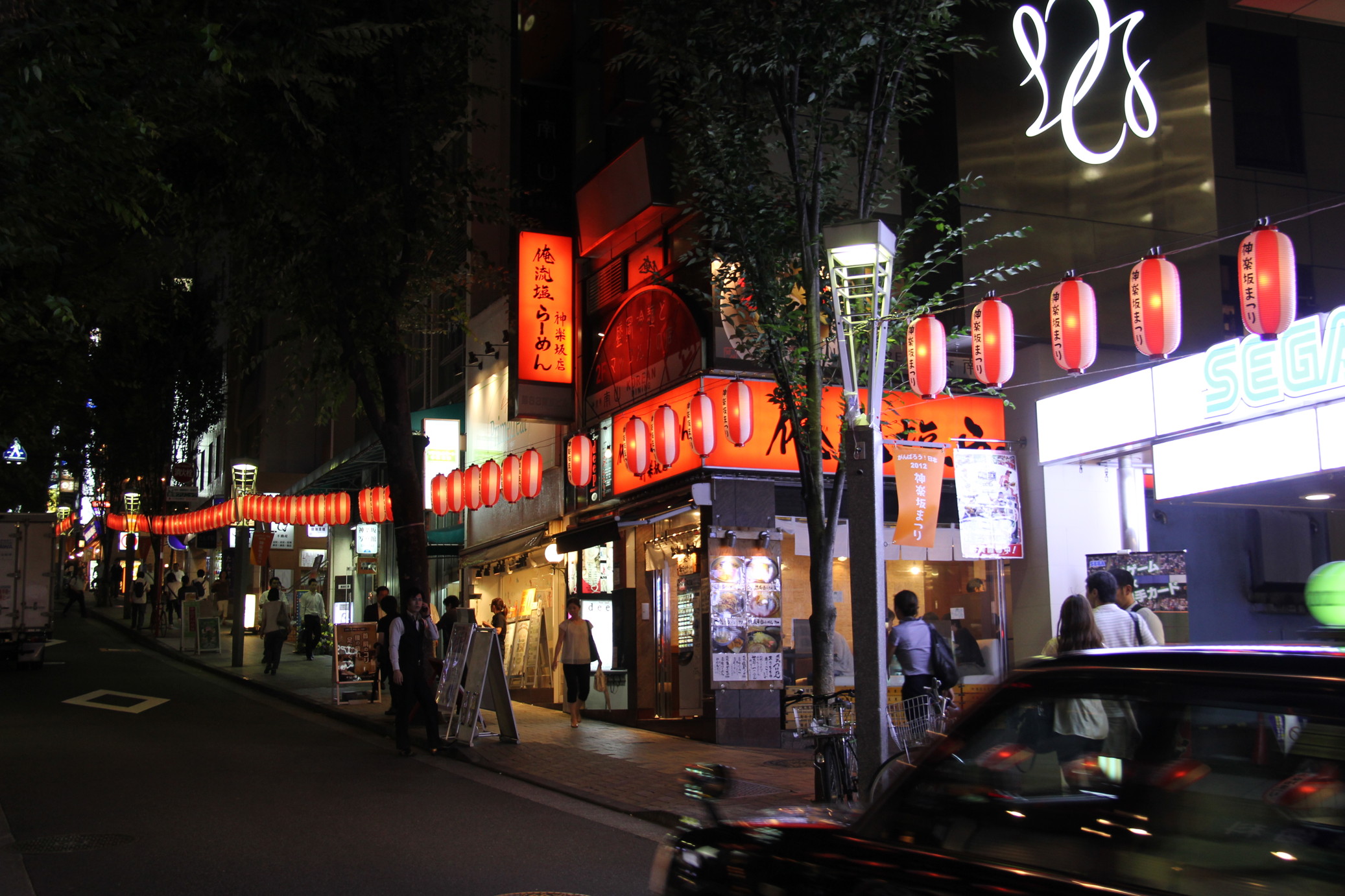
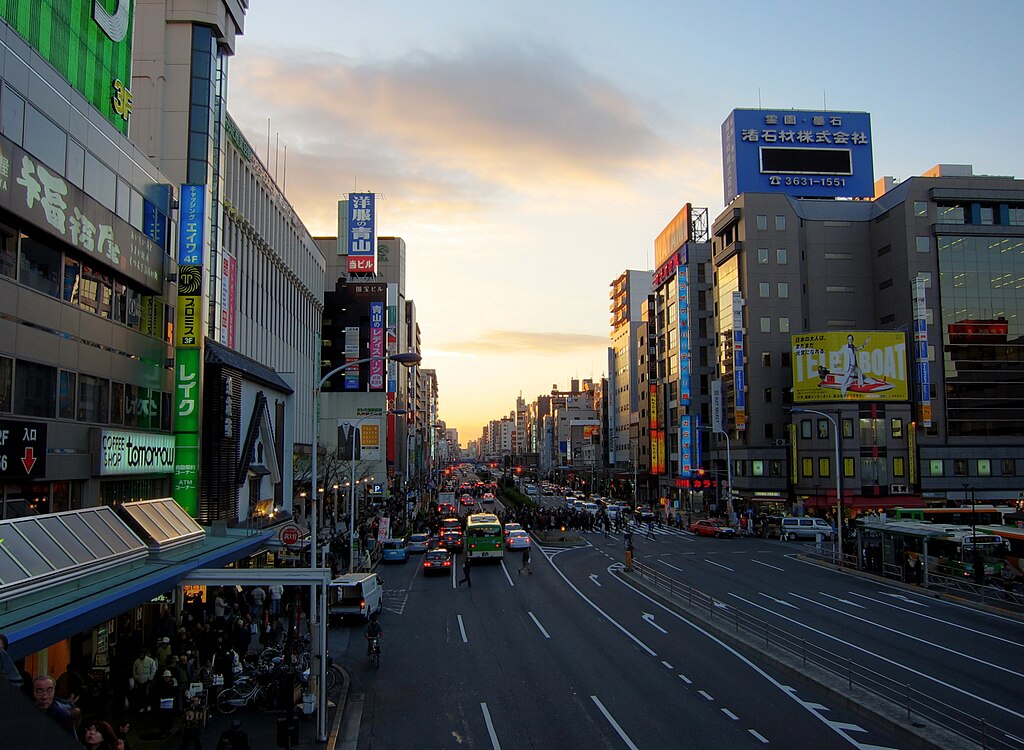
Kagurazaka, Ningyōchō, and Kinshichō sit relatively close geographically, but their nightlife cultures could not be more different. Together, they show the full range of how Tokyo drinks after dark: from refinement to routine to raw edge.
Peak hours: 18:00–23:00 (Kagurazaka/Ningyōchō), later in Kinshichō.
Mindset: Match your behavior to the neighborhood.
Kagurazaka 神楽坂
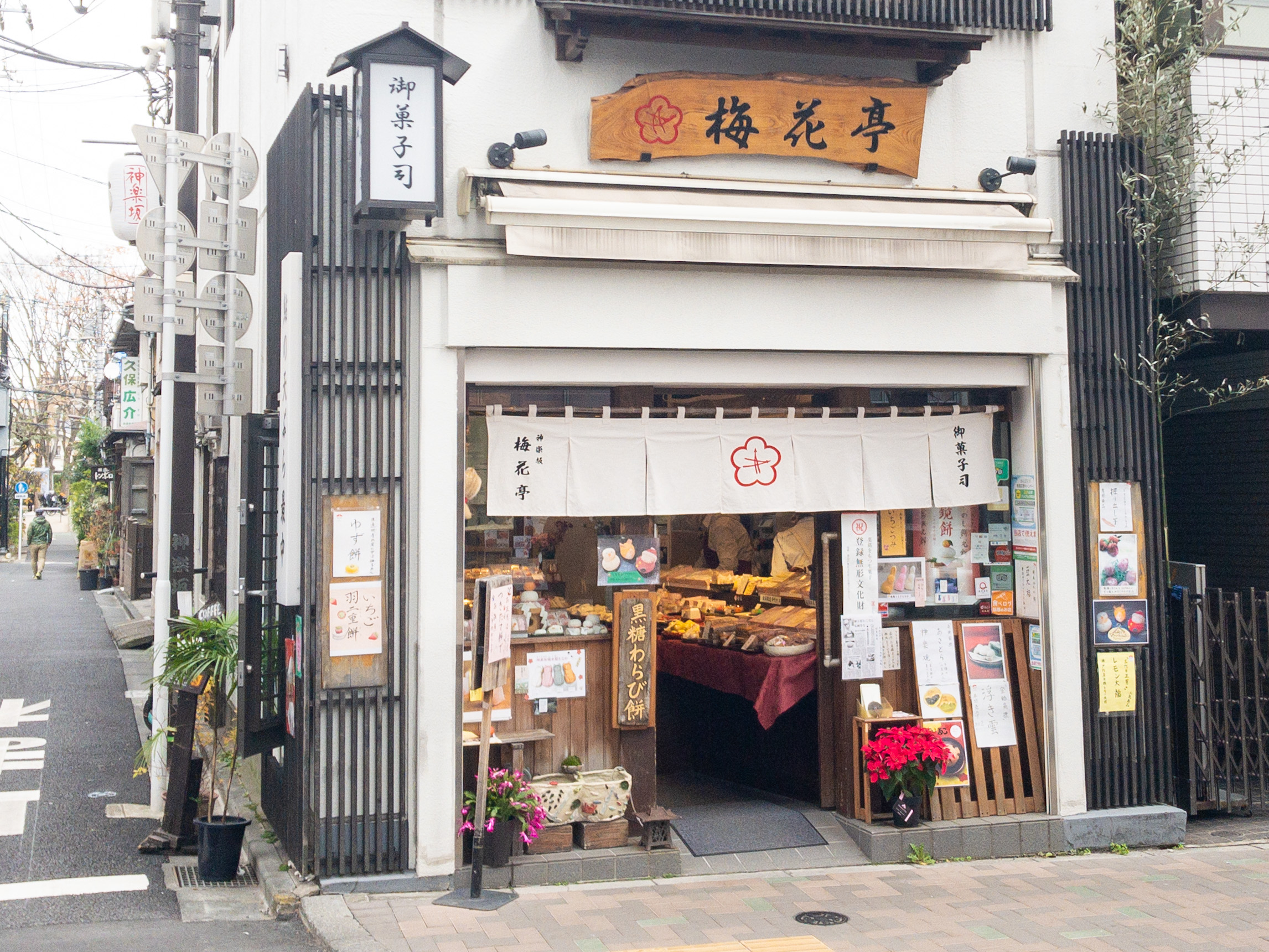
Kagurazaka is one of Tokyo’s most refined nighttime neighborhoods. Formerly a geisha district, it’s now known for French-influenced dining, discreet bars, and narrow alleys that hide exceptional places.
How to do it: Walk slowly, read doors, trust subtle signage.
Atmosphere: Calm, elegant, intentionally understated.
Ningyōchō 人形町
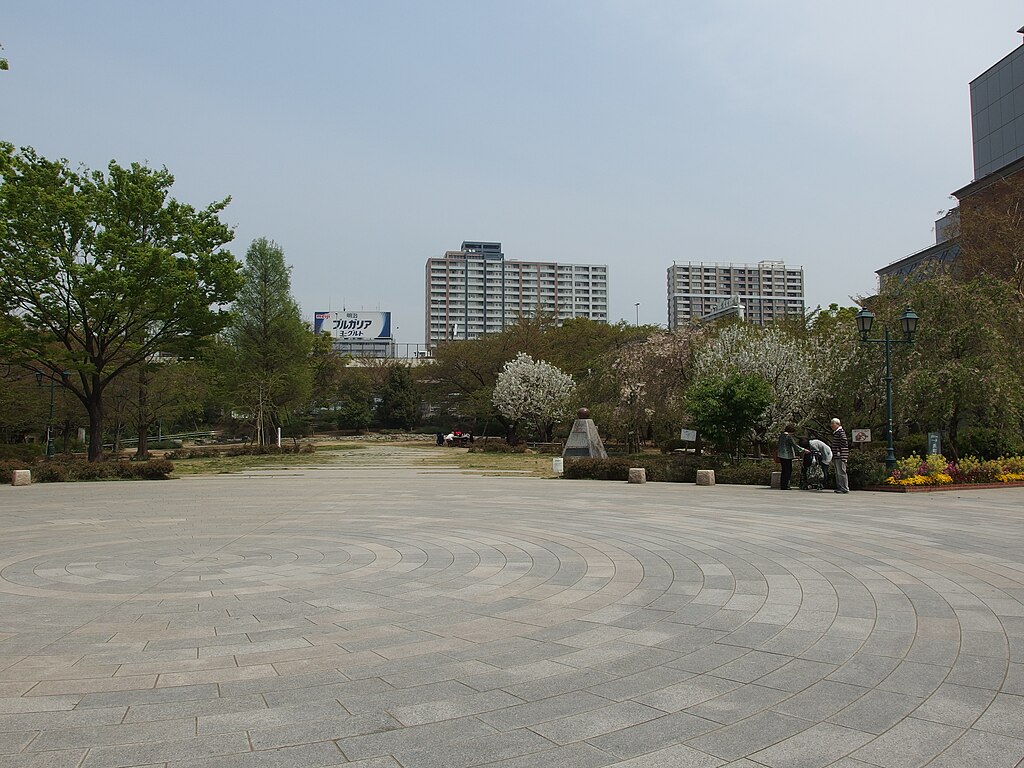
Ningyōchō is traditional and unflashy. Nightlife here centers on izakaya, small bars, and restaurants that serve the same customers night after night. It’s about routine, not discovery.
How to do it: Eat first, drink steadily, leave on time.
Energy: Low-key, conversational, predictable.
Kinshichō 錦糸町
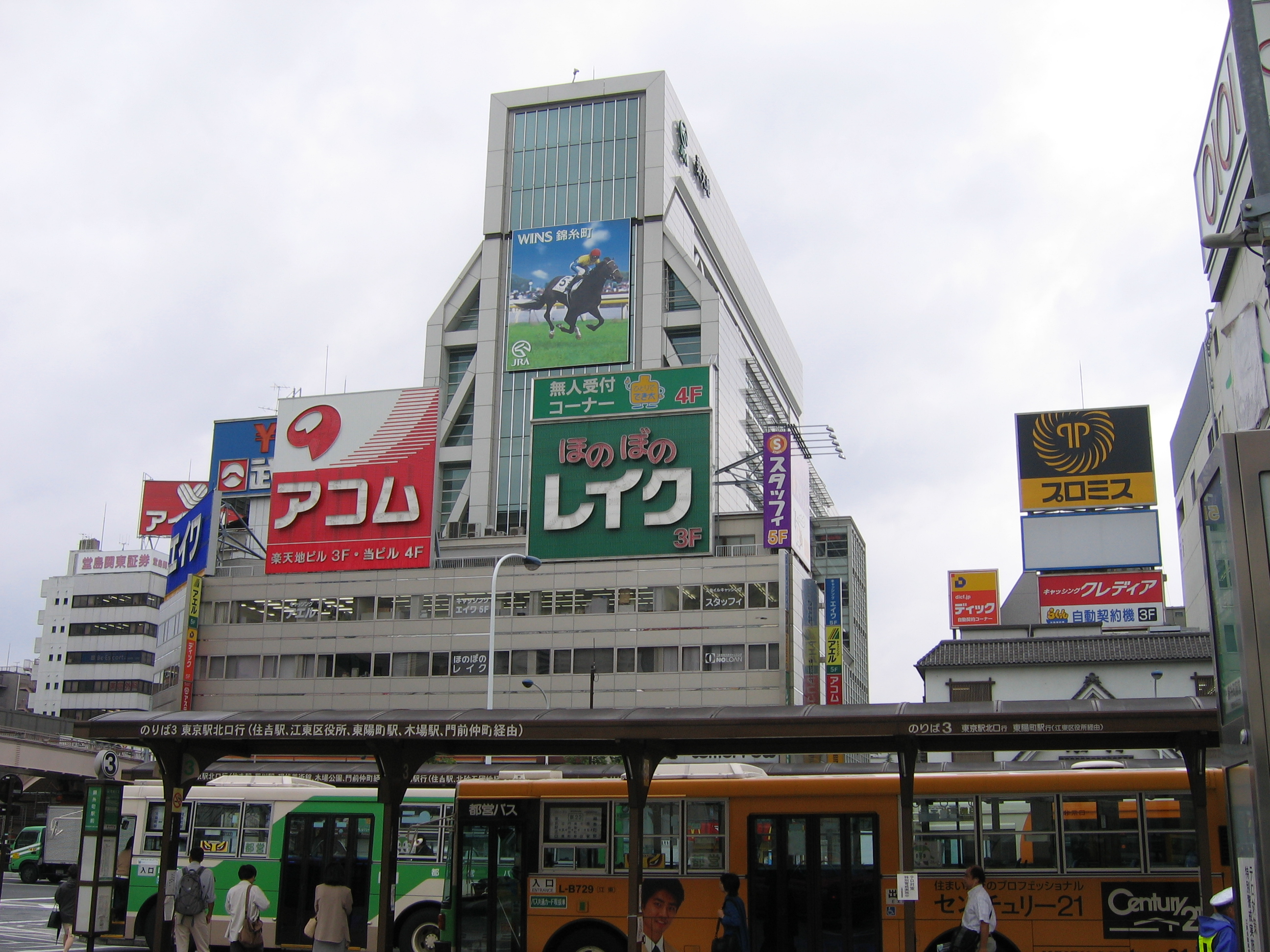
Kinshichō is one of Tokyo’s grittiest major nightlife zones. Around the station you’ll find pachinko, izakaya, hostess bars, late-night food, and streets that stay active long after midnight.
How to do it: Stick to busy streets, know your limits, pay attention.
Energy: Loud, messy, alive.
How to do these areas
These neighborhoods require different approaches. Matching the rhythm is the difference between a great night and a confusing one.
• お通し (otoshi): common everywhere.
• Kagurazaka bars may have table or seating charges — usually stated quietly.
• Kinshichō venues vary widely — always confirm before entering.
• Kagurazaka: fewer places, longer stays.
• Ningyōchō: early start, clean finish.
• Kinshichō: choose carefully and don’t overextend.