Overview: Kansai nights
Outside Osaka, Kansai nightlife splits into distinct “night personalities”: Kyoto’s quiet sophistication, Kobe’s city-and-water calm, Nara’s early, local evenings, and Shiga/Wakayama’s regional nights where you pick a few good places and settle in.
Not about: Mega clubbing (that’s mostly Osaka), aggressive bar crawls, neon chaos.
Peak hours: 18:30–23:30 (Kyoto/Kobe), earlier in Nara; later pockets exist but vary.
Kyoto: Gion / Ponto-chō / Kiyamachi 京都(祇園・先斗町・木屋町)
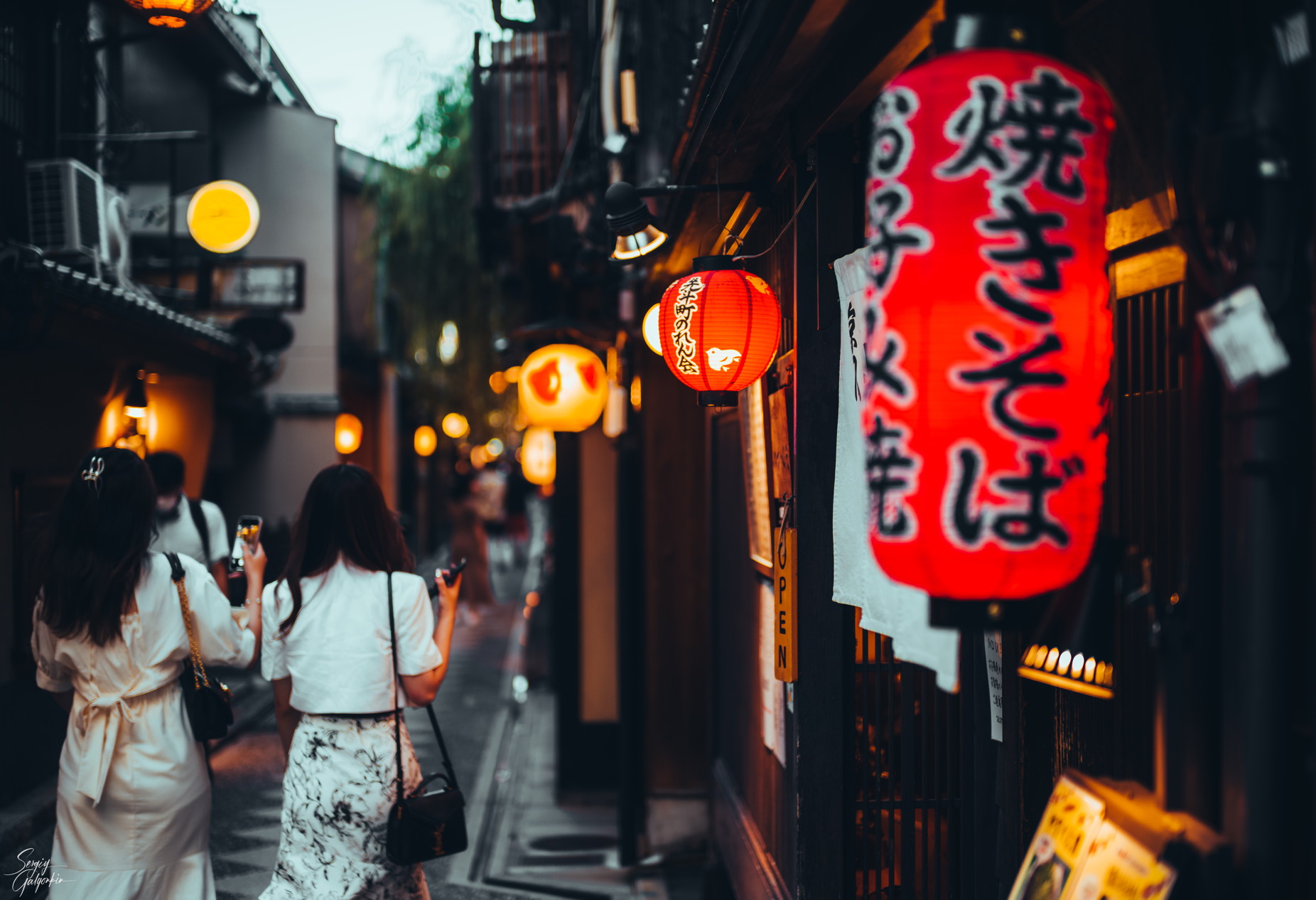
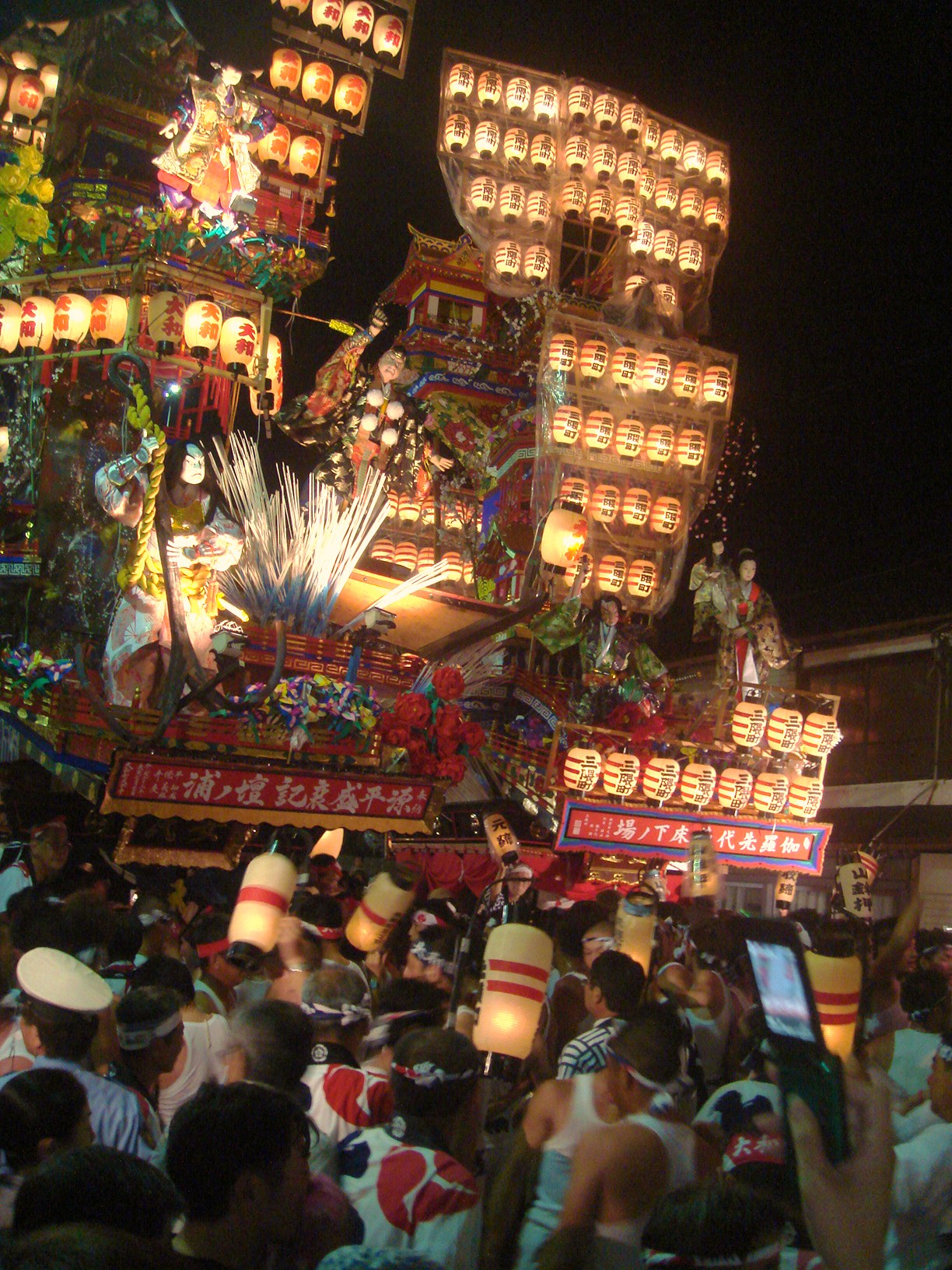
Kyoto nightlife is deliberately quieter than Osaka. The “main move” is: have a strong dinner, then add one or two bars nearby. The classic corridor is along the Kamo River: Ponto-chō (tight alleys + restaurants), Kiyamachi (more casual, more options), and Gion (refined, discreet, slower).
How to do it: Book dinner → one bar → short walk → finish clean.
Etiquette: Keep voices low; avoid blocking alleys; don’t treat quiet streets like a photo set.
Kobe: Sannomiya / Harborland 神戸(三宮・ハーバーランド)
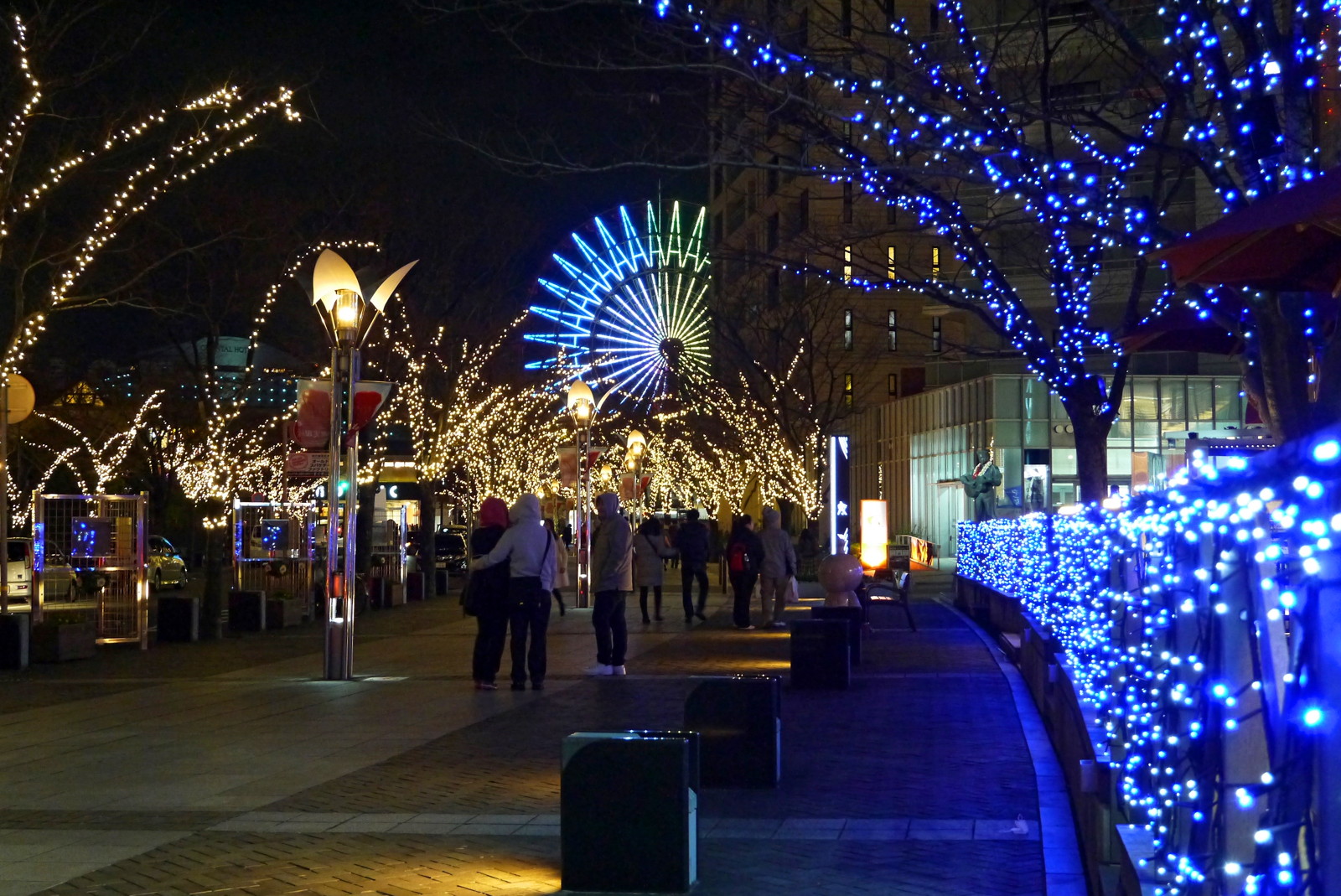
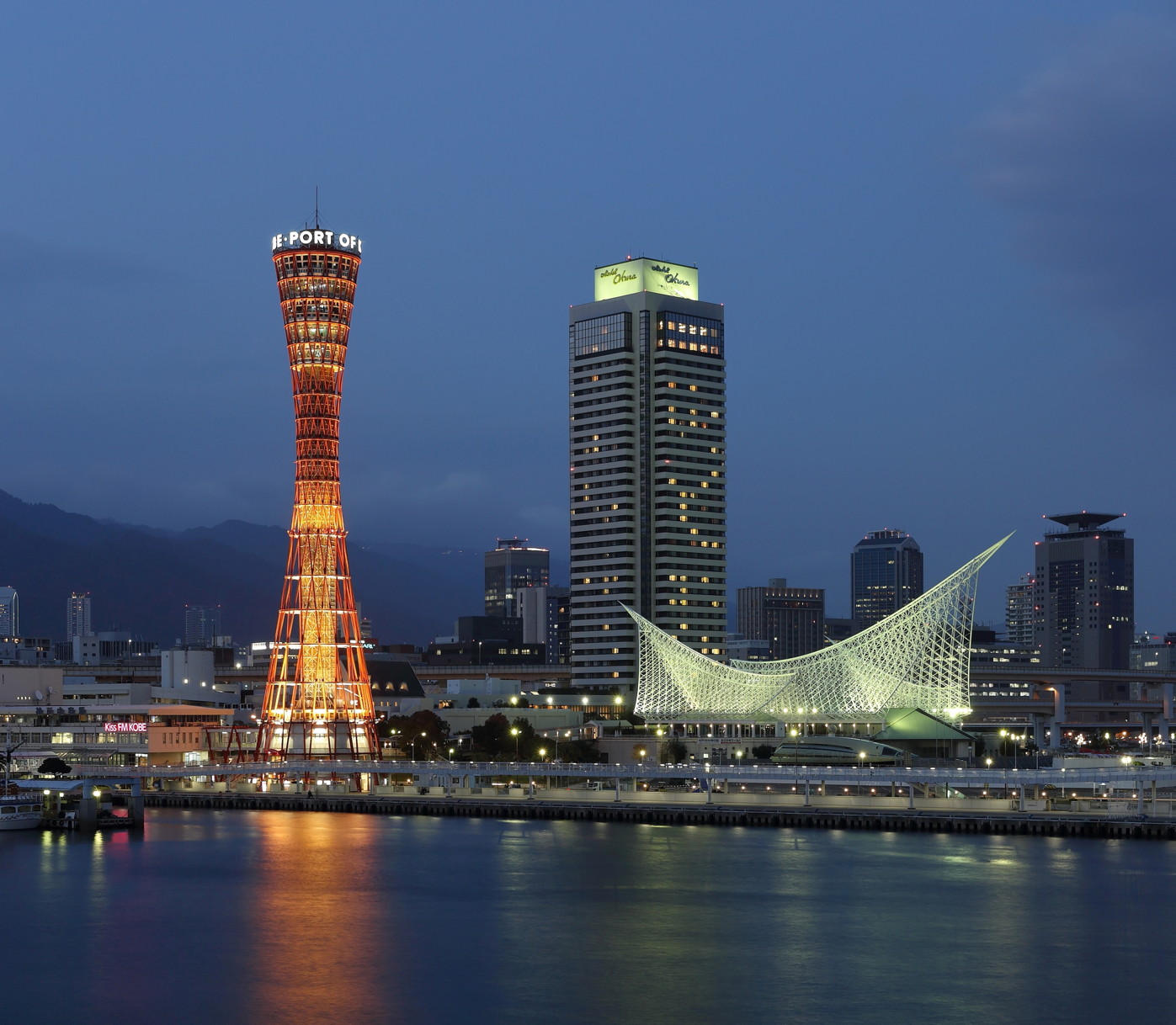
Kobe nightlife is “city-calm.” Sannomiya is the functional core (bars, izakaya, late food), while Harborland adds scenery and pacing. Nights often feel more relaxed than Osaka, with fewer crowds and a smoother “grown-up” rhythm.
How to do it: Eat in Sannomiya → one bar → optional night walk at Harborland.
Energy: Moderate; less “party street,” more “good night out.”
Nara: Naramachi / Sanjō-dōri 奈良(ならまち・三条通り)
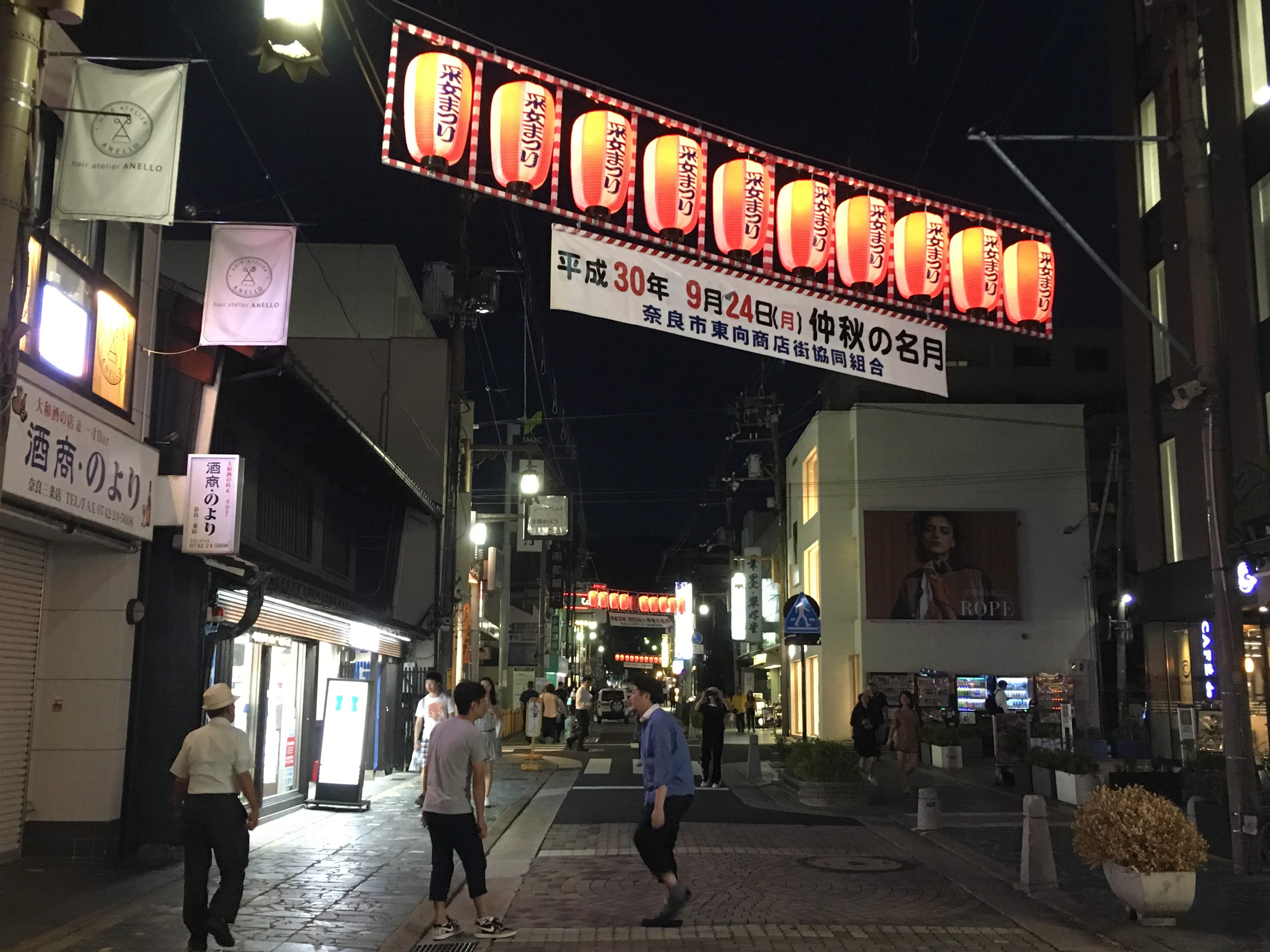
Nara nightlife is not “big,” but it’s real. Think small izakaya, casual bars, and a quiet-after-dark city center. The best approach is to eat well, then do one or two places — not to hunt for a “district.”
How to do it: Dinner → one bar → finish earlier than you would in Osaka.
Timing: Start earlier; many places close sooner.
Shiga: Hikone / Lake Biwa towns 滋賀(彦根・琵琶湖周辺)
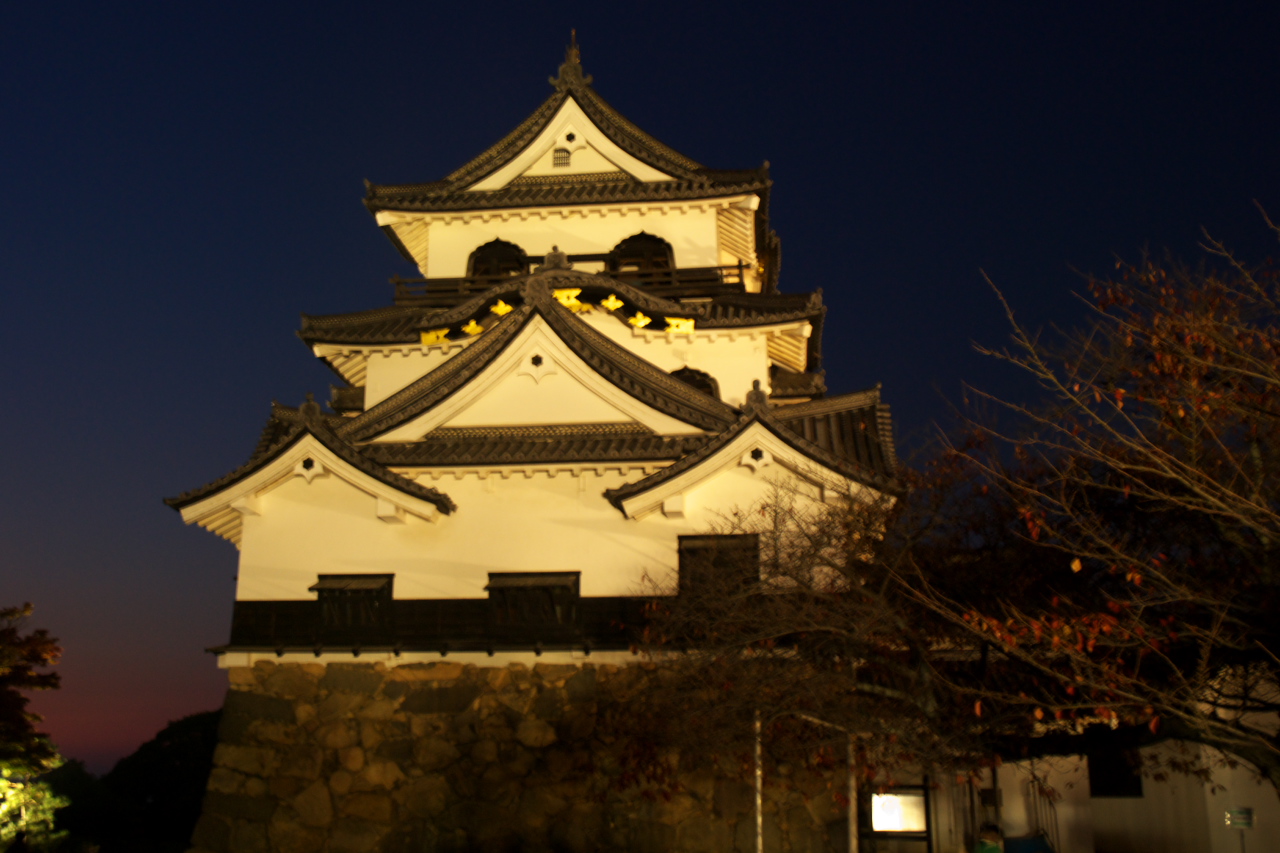
Shiga nightlife is regional: you’re not looking for hundreds of options — you’re choosing a few good ones. Hikone is a strong “night walk + dinner + drink” town, and Lake Biwa areas support relaxed nights with local izakaya and bars that cater to residents.
How to do it: Eat early → one drink → walk → finish clean.
Energy: Calm and local; don’t expect big-city volume.
Wakayama: City / Marina City 和歌山(和歌山市・マリーナシティ)
Wakayama nightlife is best approached as “good food + a small number of reliable spots.” Around Wakayama Station and central areas you’ll find izakaya and casual bars for locals. Marina City is more of a resort-style evening option: dinner, views, and a calmer “end the day” vibe.
How to do it: Pick a solid dinner → one bar → finish earlier than you would in Osaka/Kobe.
Note: Options vary heavily by day of week and season.
How to do Kansai
The winning pattern is simple: good dinner → one great bar → short walk → finish clean. Kansai outside Osaka tends to reward intention more than impulse.
• お通し (otoshi): common at izakaya (Kyoto/Kobe/Nara/Shiga/Wakayama).
• チャージ (charge): more common in Kyoto’s discreet bars.
• Reservation-only dining: very common in Kyoto; moderately common in Kobe.
• Kyoto: fewer stops, more composure.
• Kobe: dinner + one bar + harbor walk works perfectly.
• Nara/Shiga/Wakayama: start earlier; finish earlier; quality over quantity.