Overview: “Rest of Kanto” nightlife patterns
Outside central Tokyo, nightlife becomes more station-centered and more food-first. The “deep” experience is usually izakaya streets, snack bars, and local bar culture rather than big clubs. These areas are excellent for travelers who want Japan that isn’t designed around visitors.
Not about: All-night clubbing density (exceptions exist, but it’s not the default).
Peak hours: 18:00–23:00 (earlier than Tokyo in many places).
Kanagawa
Kanagawa has multiple independent nightlife towns: industrial-city bar streets, U.S. Navy culture zones, and Shōnan coastal evenings.
Kawasaki 川崎
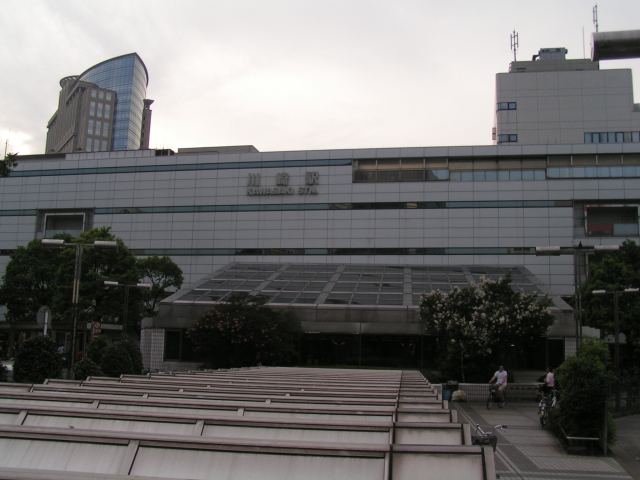
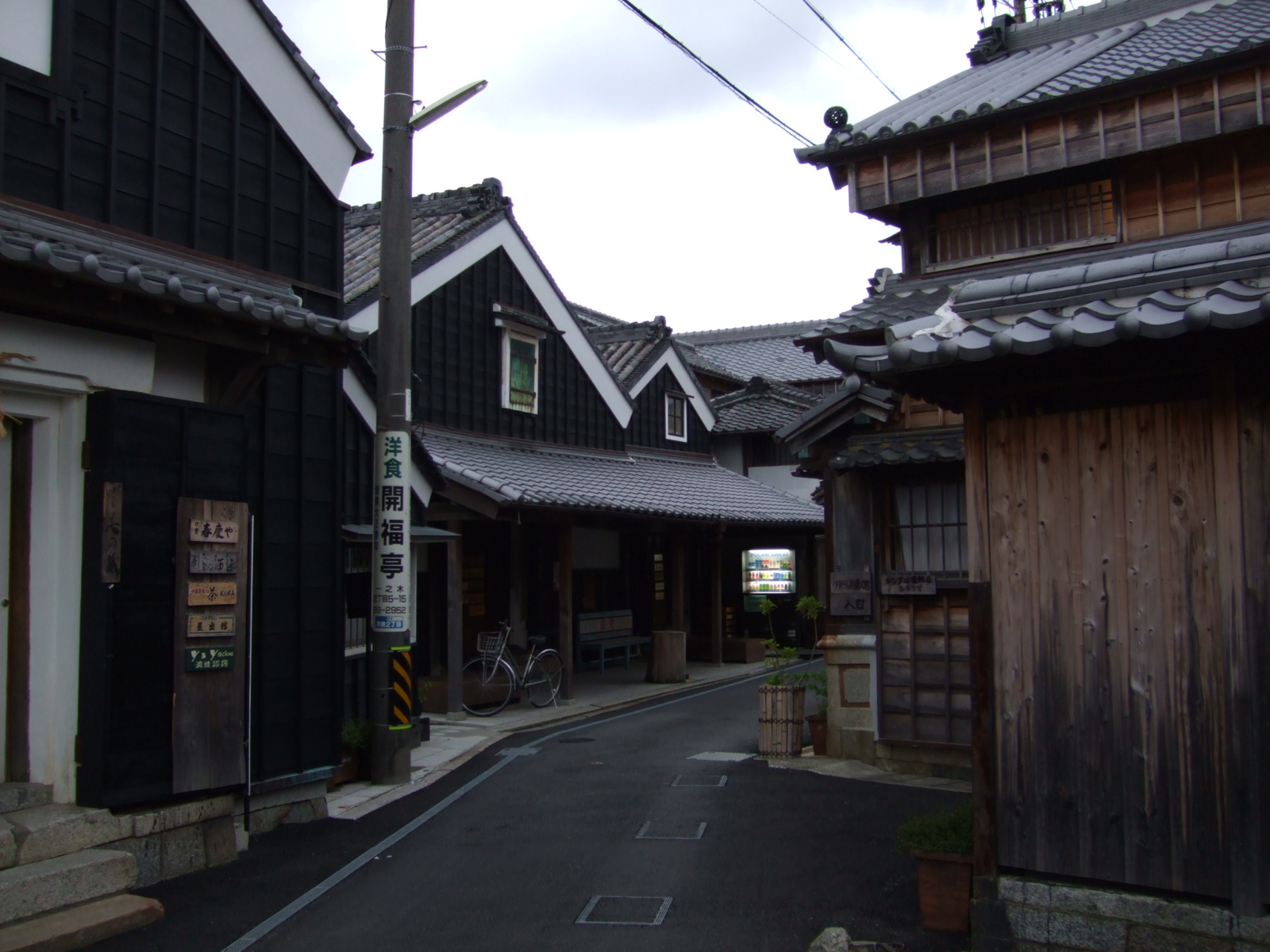
Kawasaki is one of the strongest “non-Tokyo” nightlife hubs in Greater Tokyo. The station area supports real bar density: izakaya streets, casual bars, karaoke, and an adult nightlife layer. The vibe is more direct and less tourist-shaped than Tokyo.
How to do it: Eat first → one smaller bar → finish with ramen or set-meal shops.
Yokosuka 横須賀
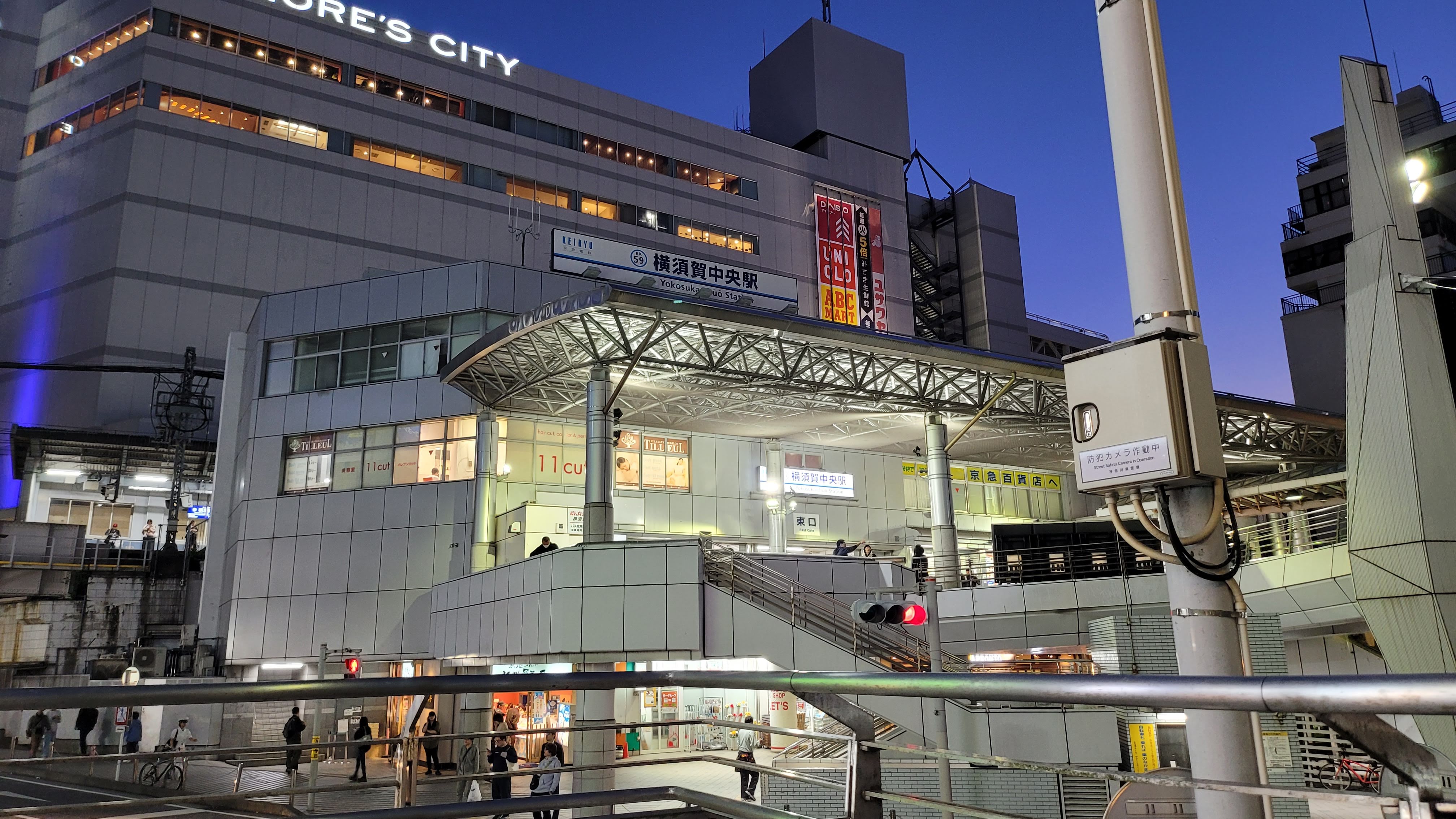
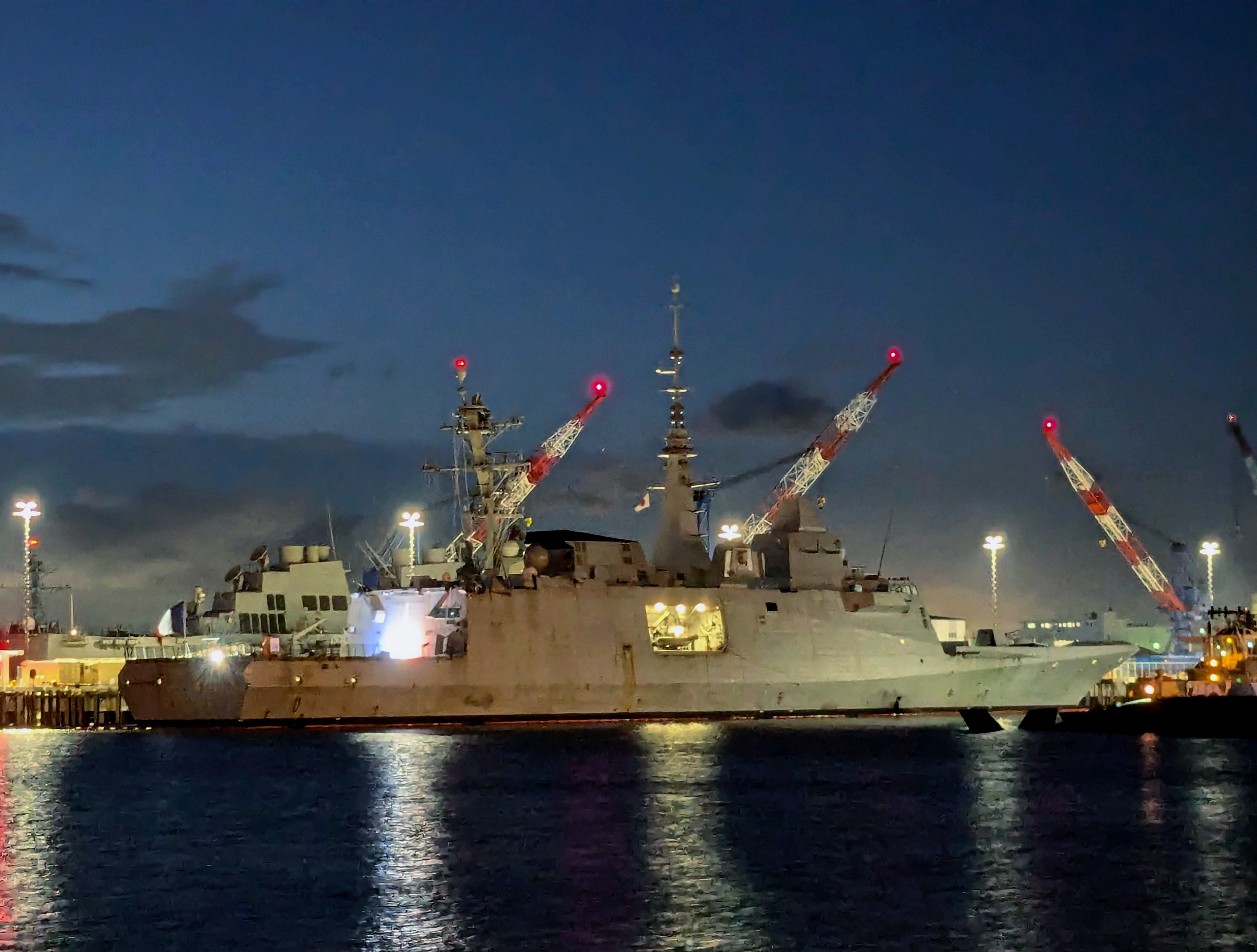
Yokosuka is a distinctive nightlife town: port-city bars, local izakaya, and pockets that cater to international visitors due to long-term naval presence in the region. It’s less about crawling and more about finding one good bar and settling in.
How to do it: Pick one main spot and commit; the “one great bar” strategy works here.
Fujisawa / Shōnan 藤沢・湘南
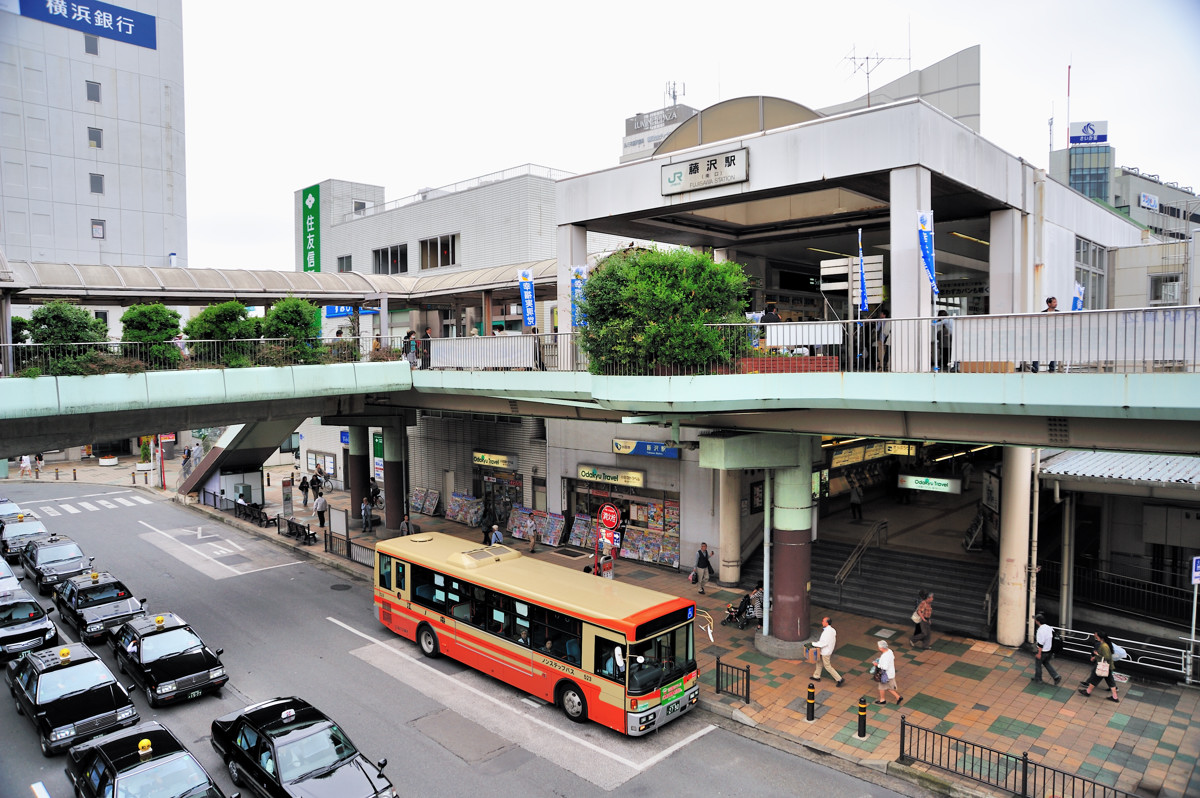
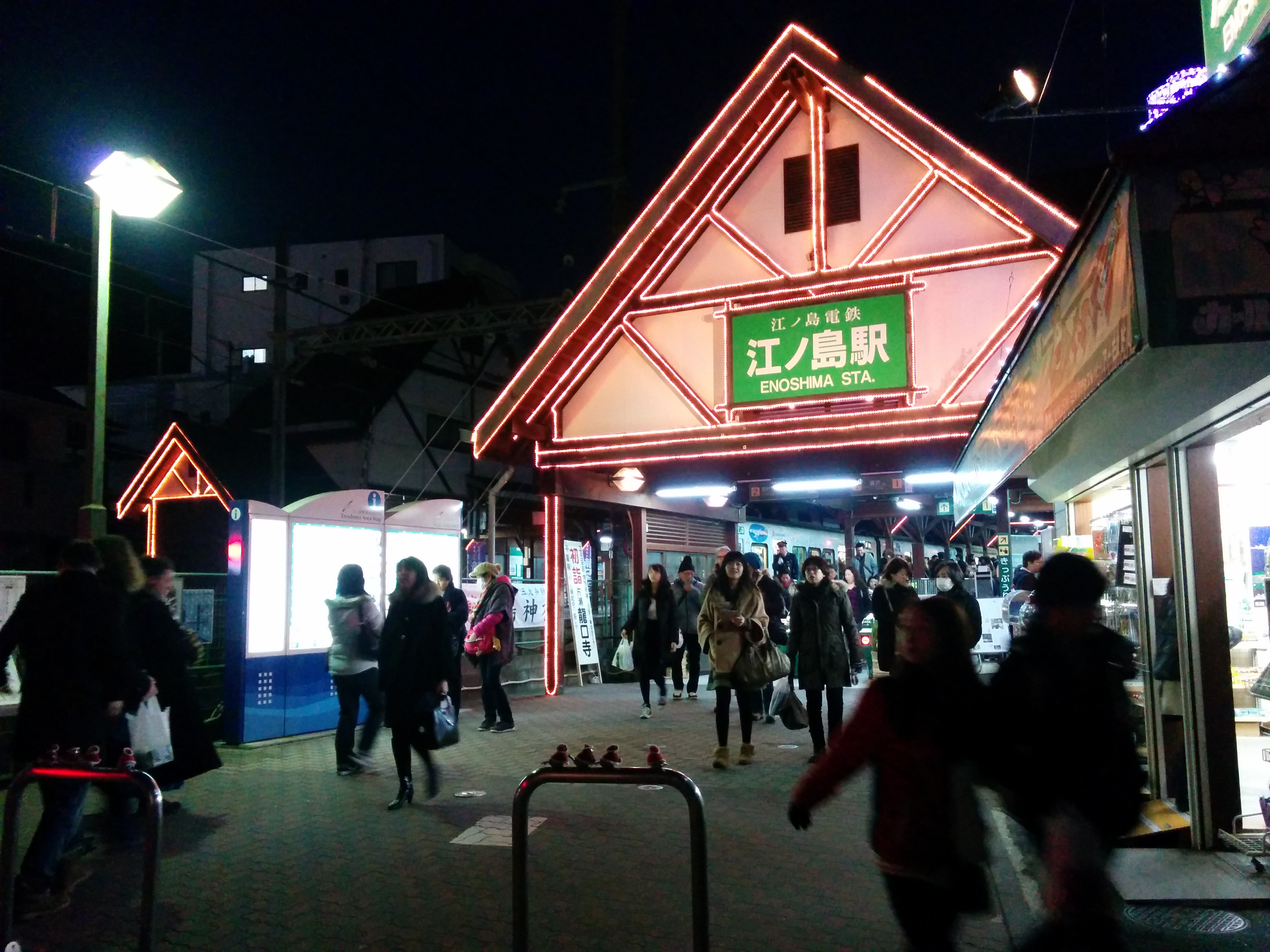
Fujisawa works as Shōnan’s station hub: casual izakaya, bars, and late dining. Nights here feel coastal: slower, softer, and better for conversation than “big city” energy.
How to do it: Eat well → one bar → finish earlier (or plan a taxi).
Kamakura 鎌倉
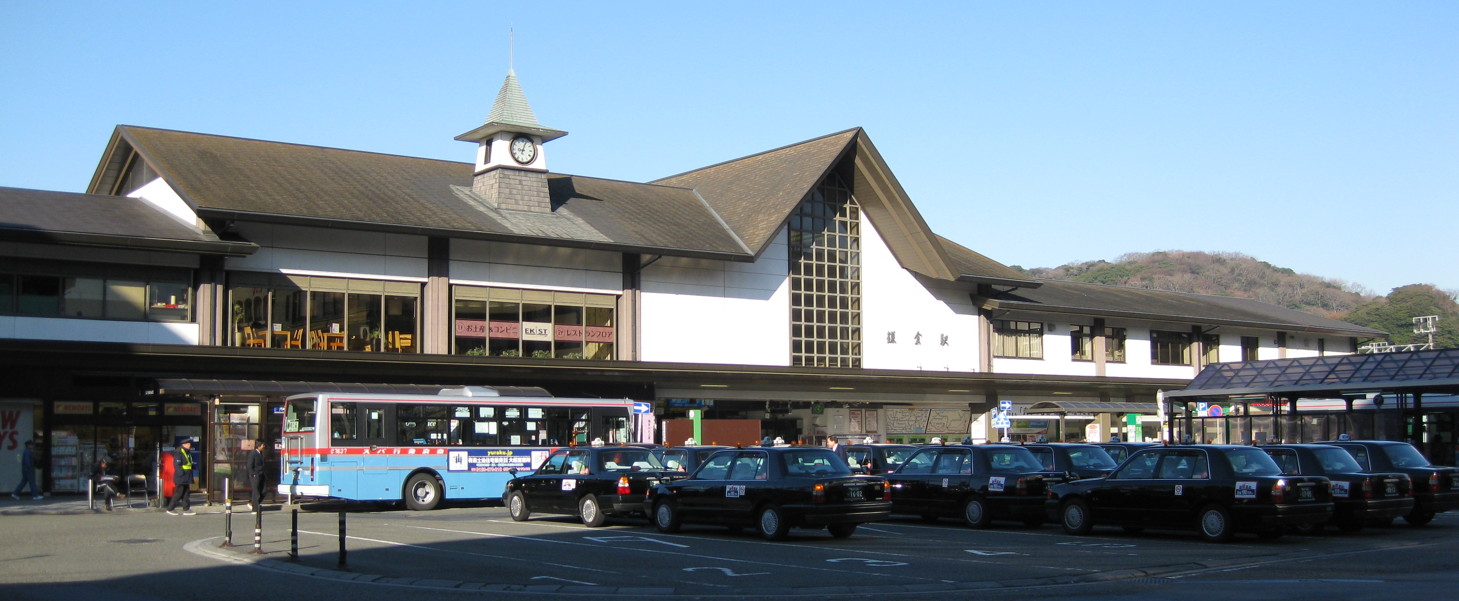
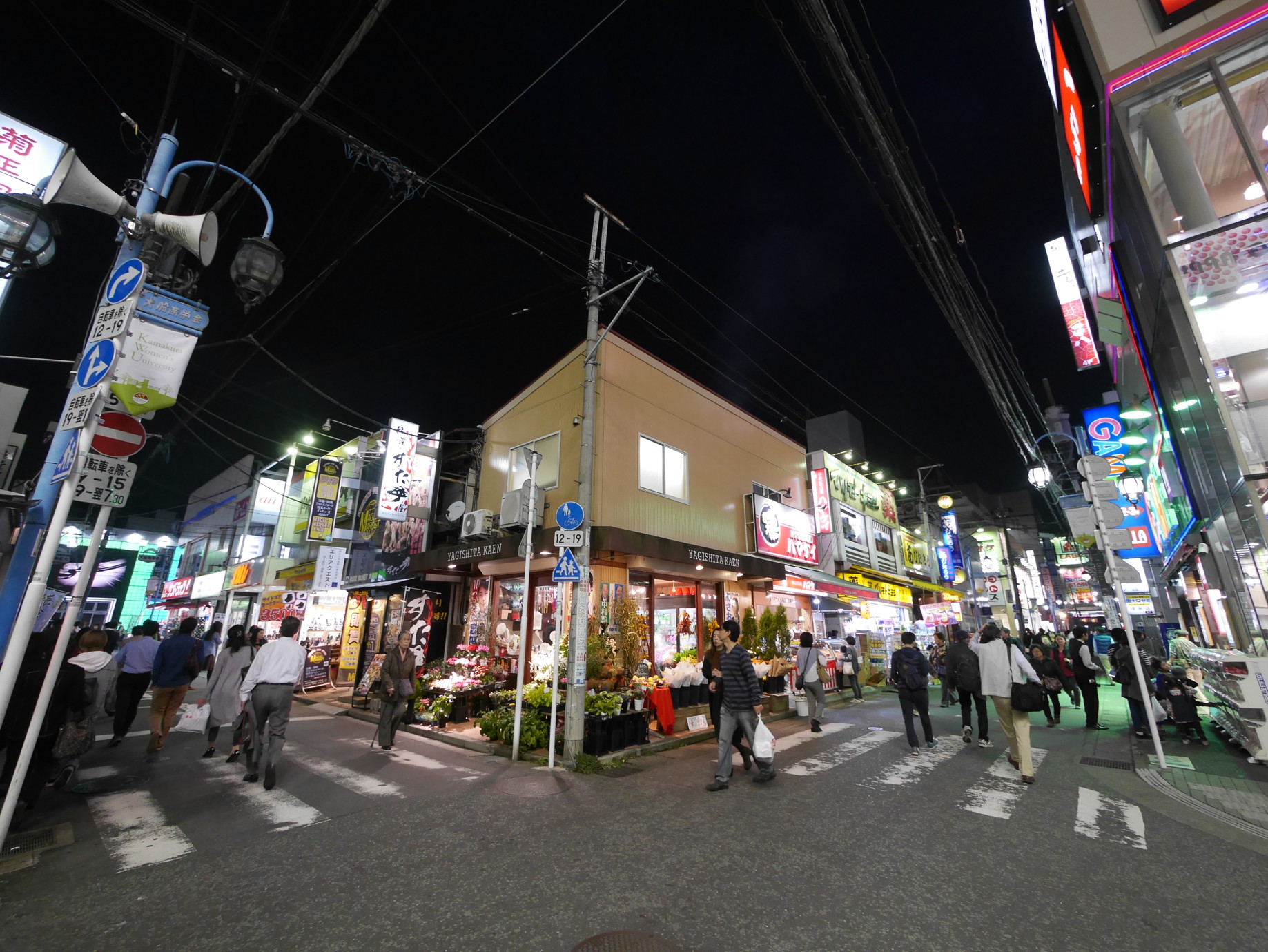
Kamakura is not a nightlife town—it's an evening town. Great for dinner, wine bars, and quiet “end of day” drinking after temples and beaches.
Reality: Many places close early—treat it as a finish, not a start.
Saitama
You covered Saitama’s main nightlife stations. The notable remaining destination is Kawagoe for atmosphere.
Kawagoe 川越
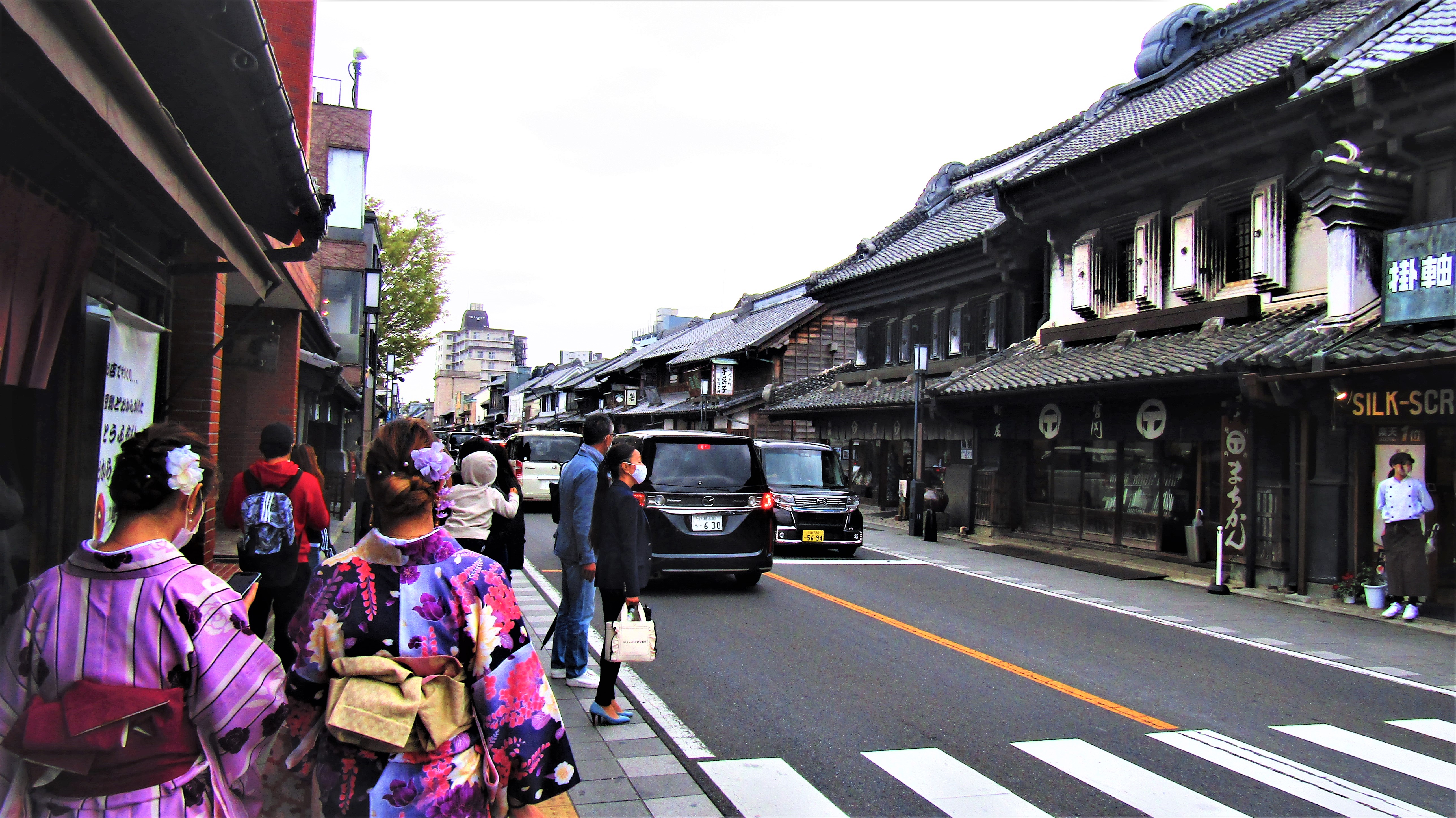
Kawagoe is more evening destination than nightlife hub: it’s about atmosphere, food, and a calm night out. Great for couples and small groups who want a different texture than Tokyo.
Reality: Not a late-night district—plan it as a “finish clean” night.
Ibaraki 茨城
Ibaraki nightlife is centered in a few big cities. Think station izakaya streets and local bar culture, not “district nightlife.”
Mito 水戸
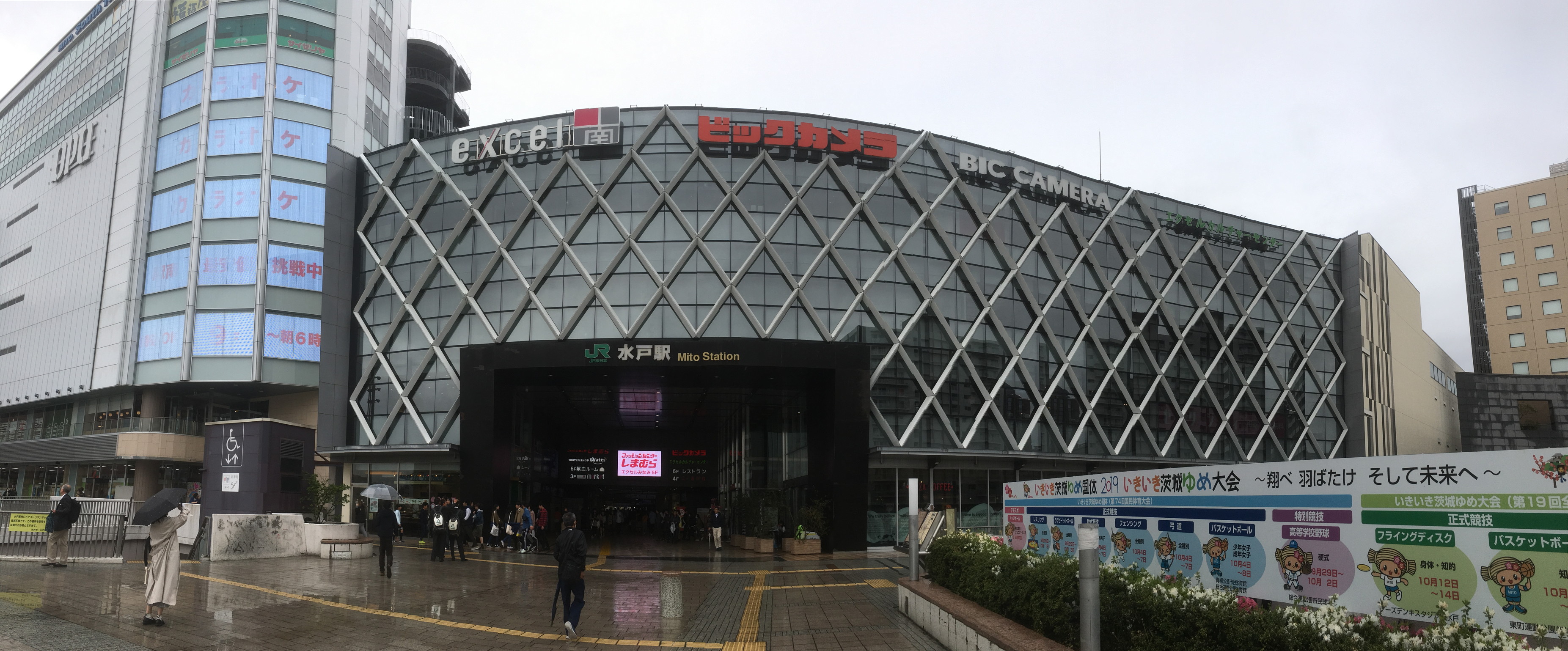
Mito is the prefectural hub and the most consistent base for nights out: izakaya clusters, bars, karaoke, and local eating streets.
How to do it: Eat first, then choose one bar—two stops often feels perfect.
Tsukuba つくば
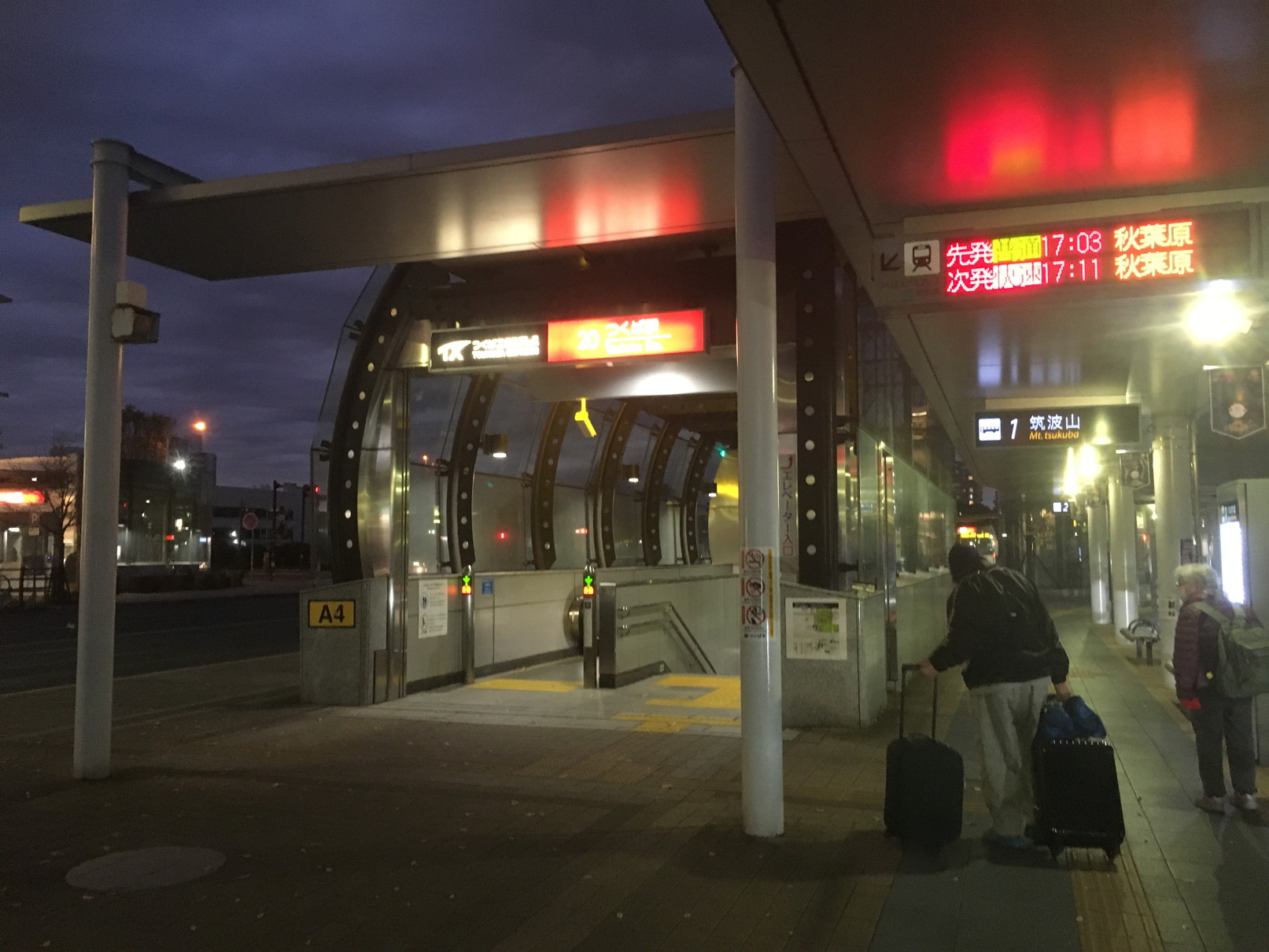
Tsukuba’s nightlife is influenced by students and research-city residents. Expect casual dining + bars in specific pockets, not a single huge nightlife district.
Reality: Plan your transport—distances can be bigger than you expect.
Tochigi 栃木
Tochigi’s notable nightlife hub is Utsunomiya: a true city center with strong evening culture.
Utsunomiya 宇都宮
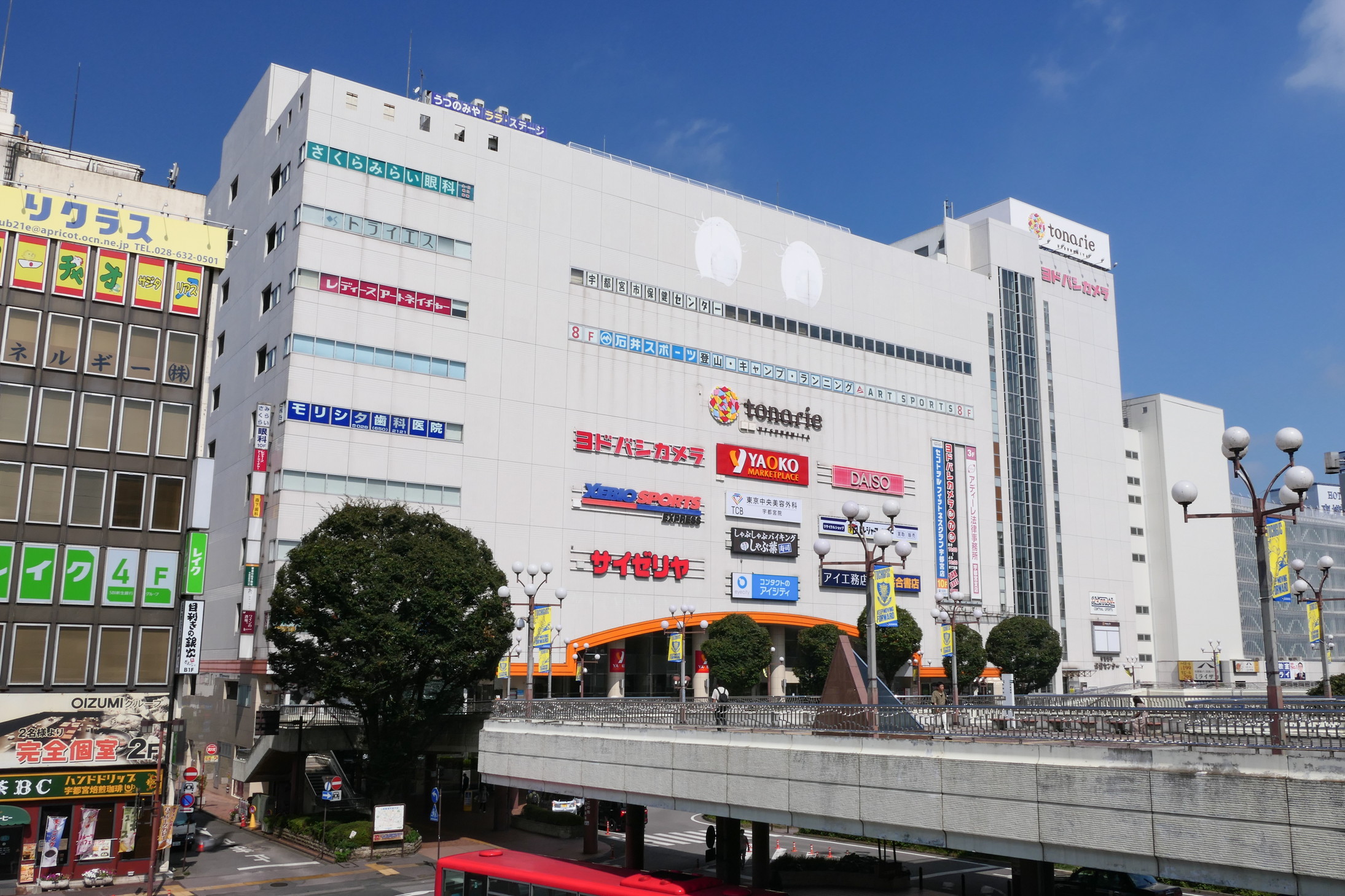
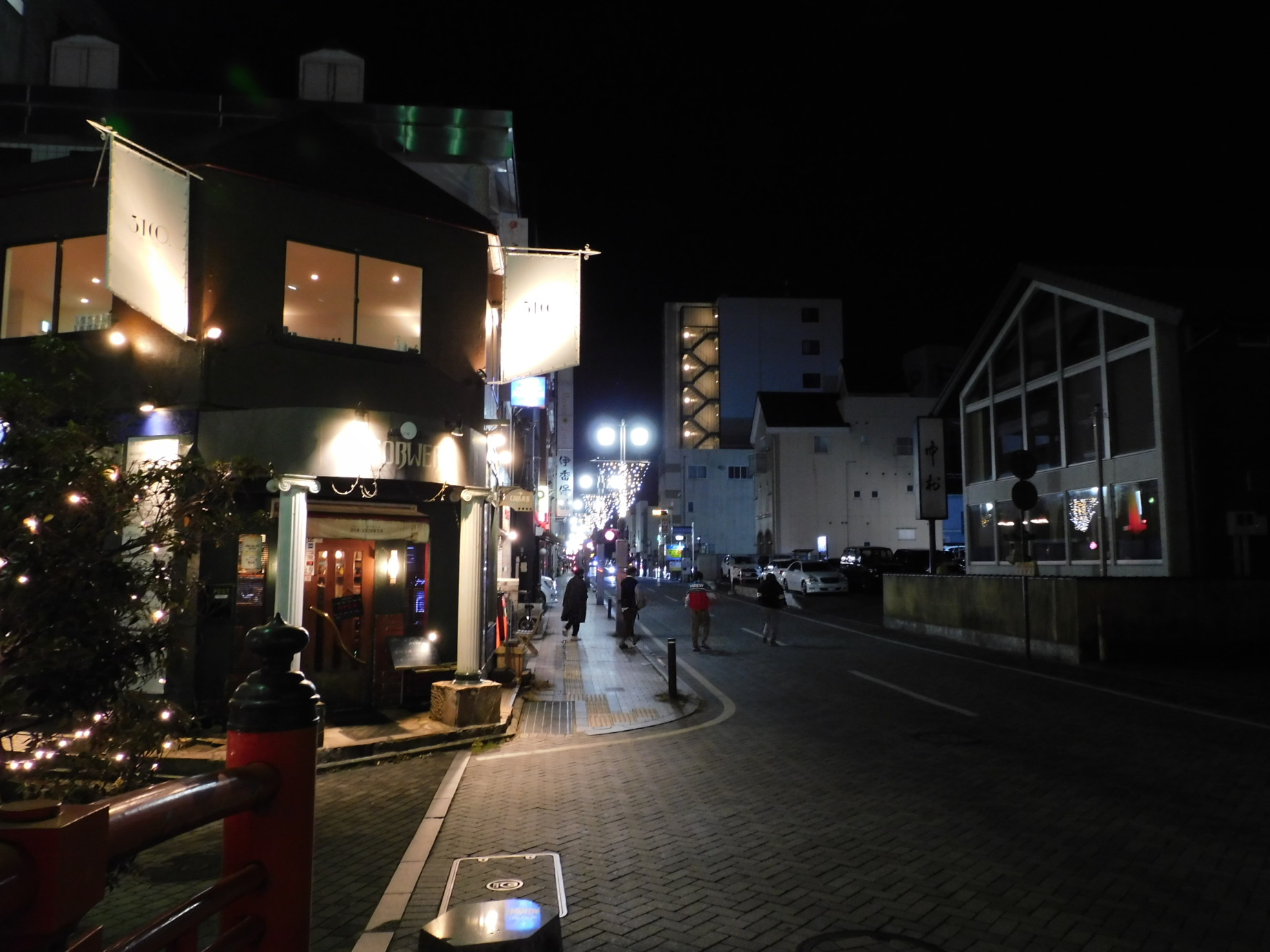
Utsunomiya is a serious regional city with real nightlife structure: dense dining streets, bars, karaoke, and a comfortable “city night out” feel.
How to do it: Eat first, then bar. Don’t force Tokyo-style crawls.
Gunma 群馬
Gunma’s key nights out revolve around Takasaki and (to a lesser degree) Maebashi. Think station-centered city evenings.
Takasaki 高崎
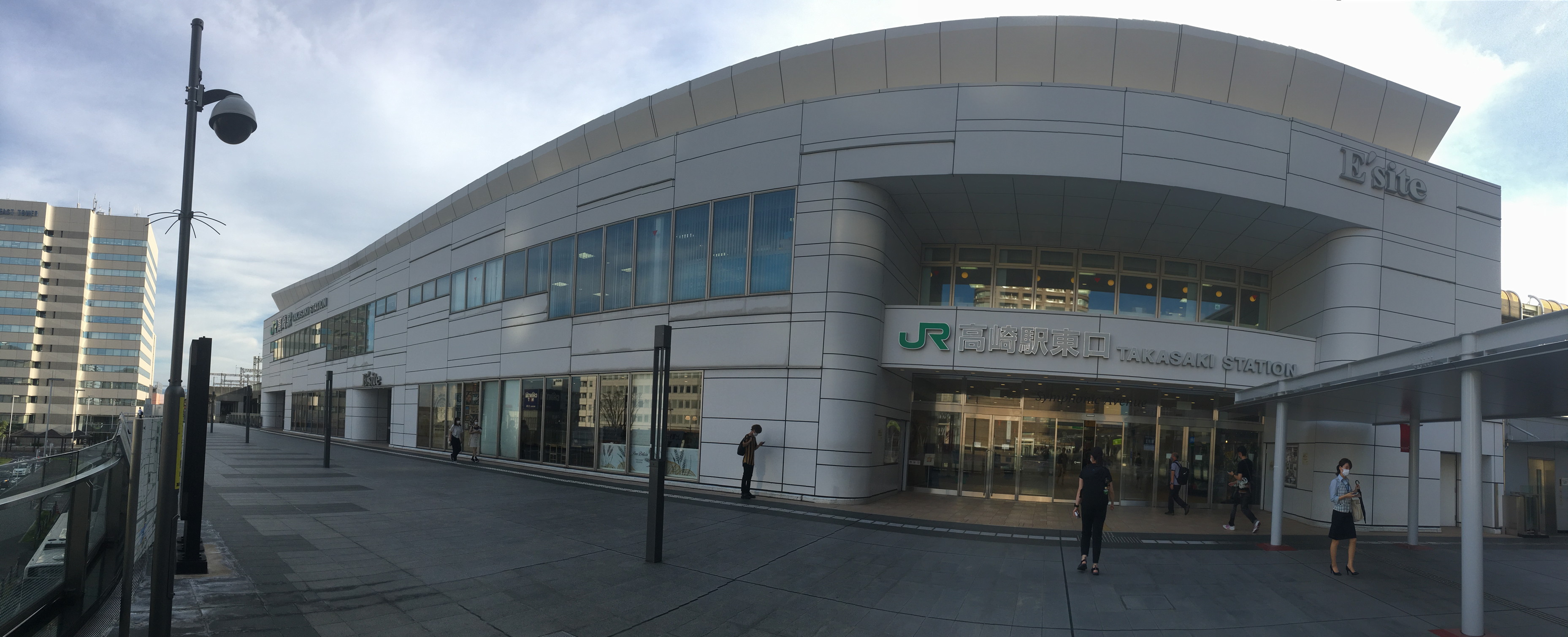
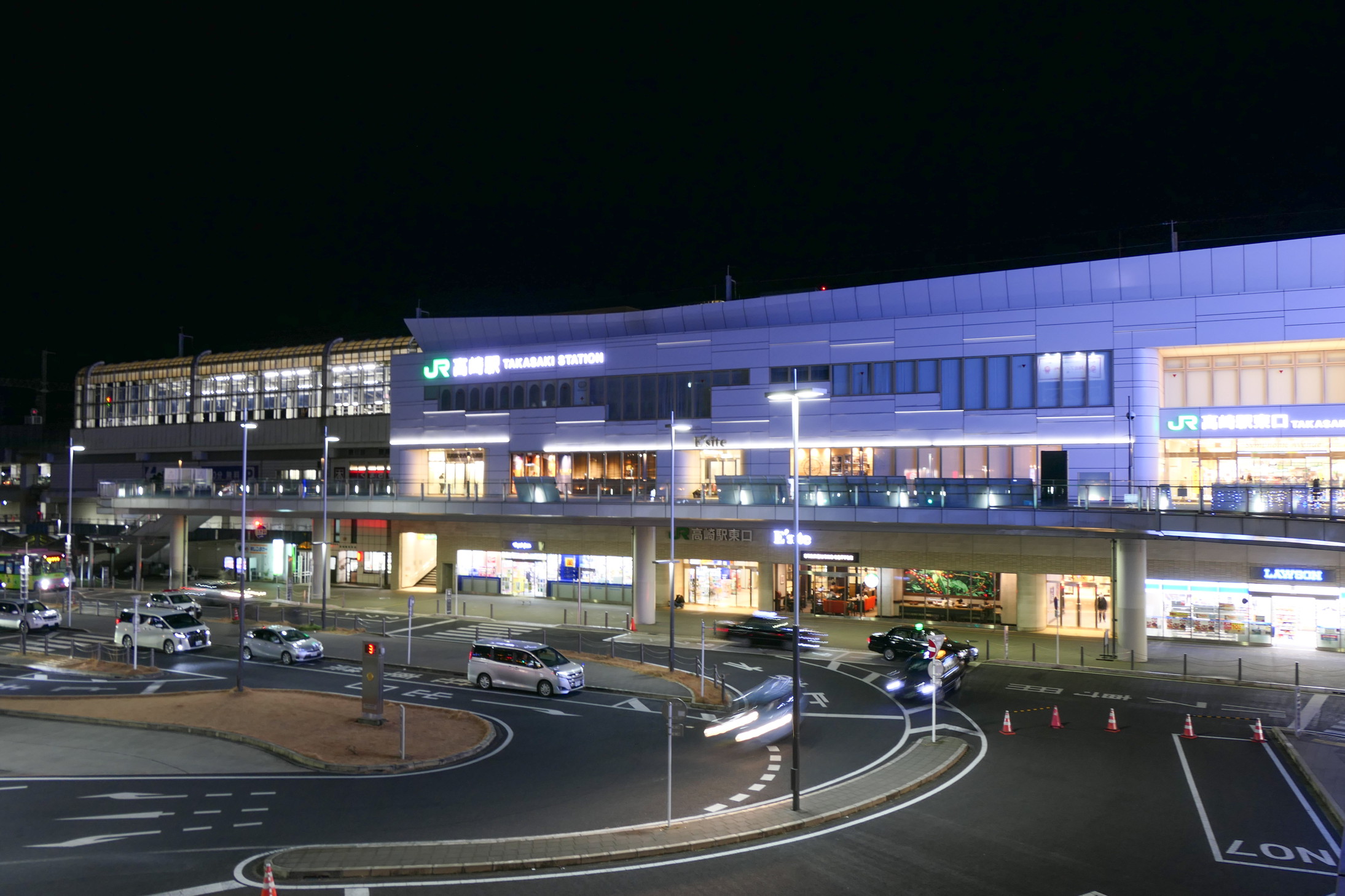
Takasaki is the practical nightlife base of Gunma: station-centered izakaya streets, bars, karaoke, and a solid late-night food layer.
How to do it: Two-stop nights work best: dinner + one bar.
Maebashi 前橋
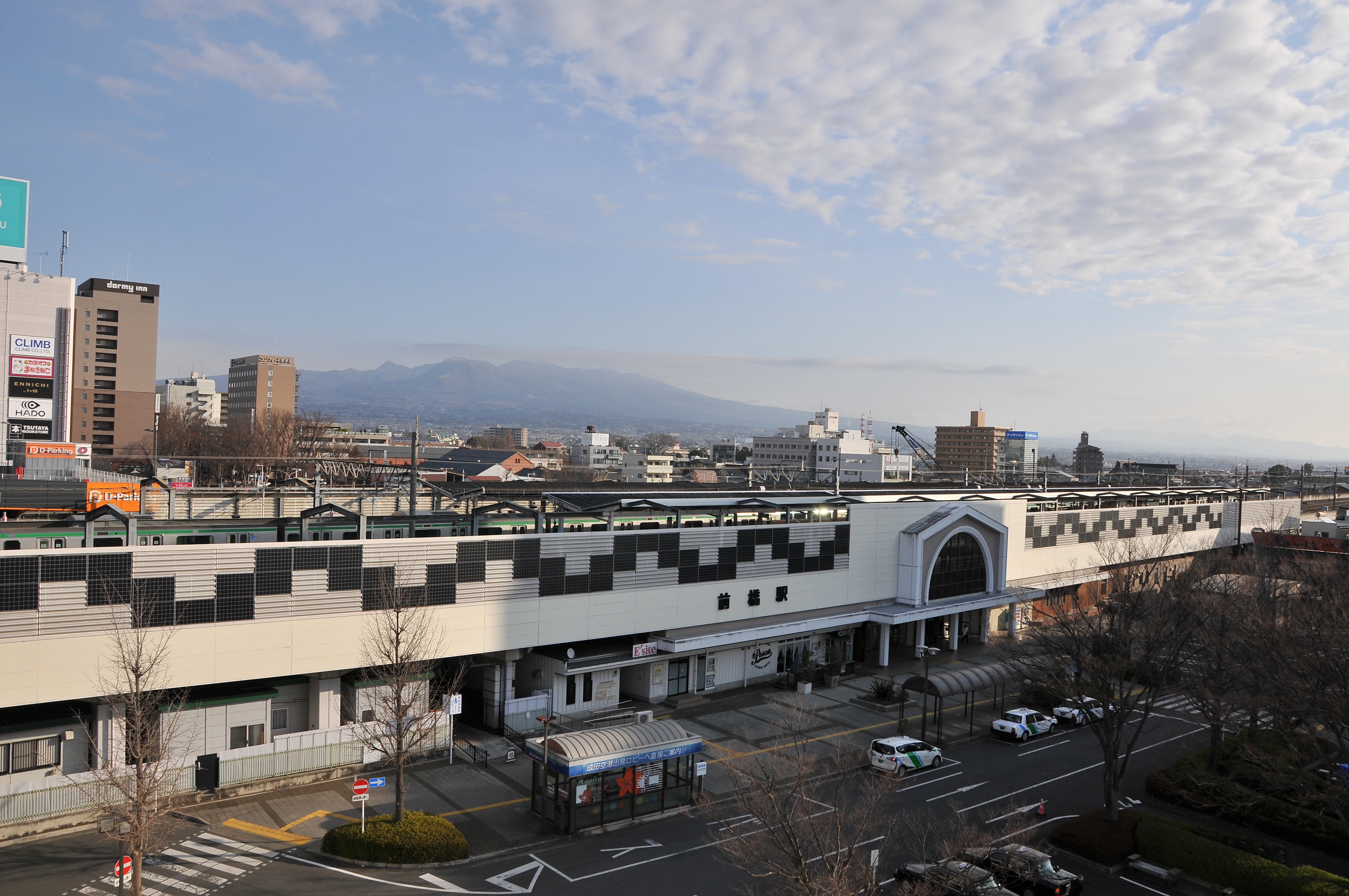
Maebashi has a local nightlife scene focused around restaurants, bars, and karaoke. It’s more “quiet city night” than a big wandering district.
How to do “outside Tokyo” nights (charges, trains, taxis)
• お通し (otoshi): normal at seated izakaya (small appetizer + fee).
• 席料 (seki-ryō): occasional seating charge at bars/wine bars.
• Snack bars may have set fees, karaoke fees, or drink minimums — confirm first.
チャージありますか? (Is there a charge?)
だいたいいくらですか? (About how much will it be?)
二人いけますか? (Can you take two?)
• Last trains end nights outside Tokyo—check before you start the second stop.
• If you miss the last train, taxis may be expensive and sometimes limited late at night.
• The clean solution is simple: book a hotel near the station if you plan to stay late.