Overview: what “Kyushu nightlife” feels like
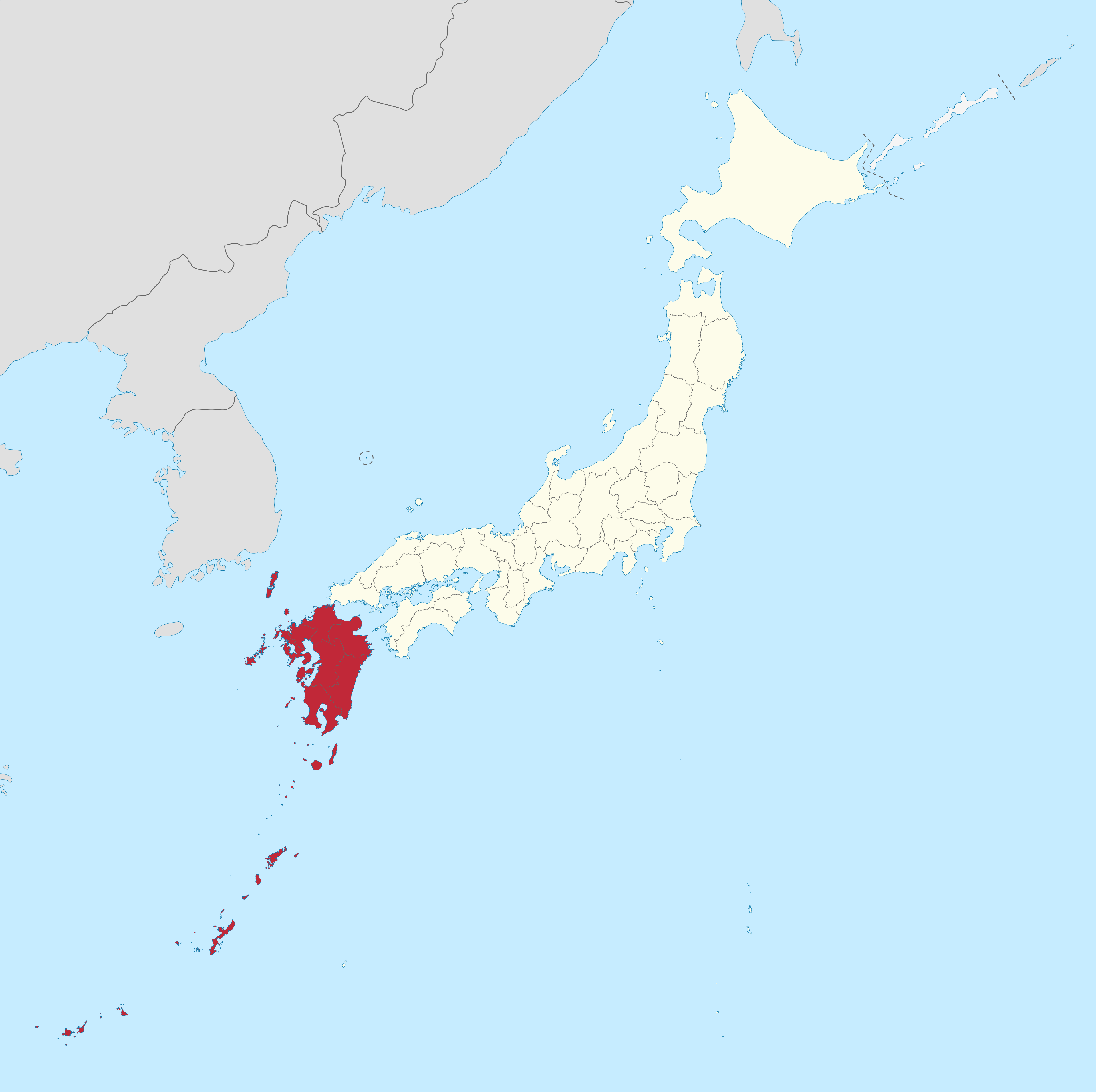
Outside Fukuoka, Kyushu nightlife becomes more local, more relationship-driven, and more “town scale.” You’re not chasing megaclubs — you’re doing eating + drinking + one signature experience: a harbor night view in Nagasaki, a castle-town bar street in Kumamoto, a volcano skyline in Kagoshima, or an onsen + late izakaya loop in Beppu/Ōita.
Not about: Massive clubbing circuits (those concentrate in Fukuoka).
Peak hours: 18:30–23:30 (many cities wind down earlier than Tokyo/Osaka).
Tier 1: primary nightlife bases
These cities have enough density that you can freestyle your night without planning every stop. They also work as bases for day trips (islands, onsen towns, viewpoints).
Nagasaki 長崎
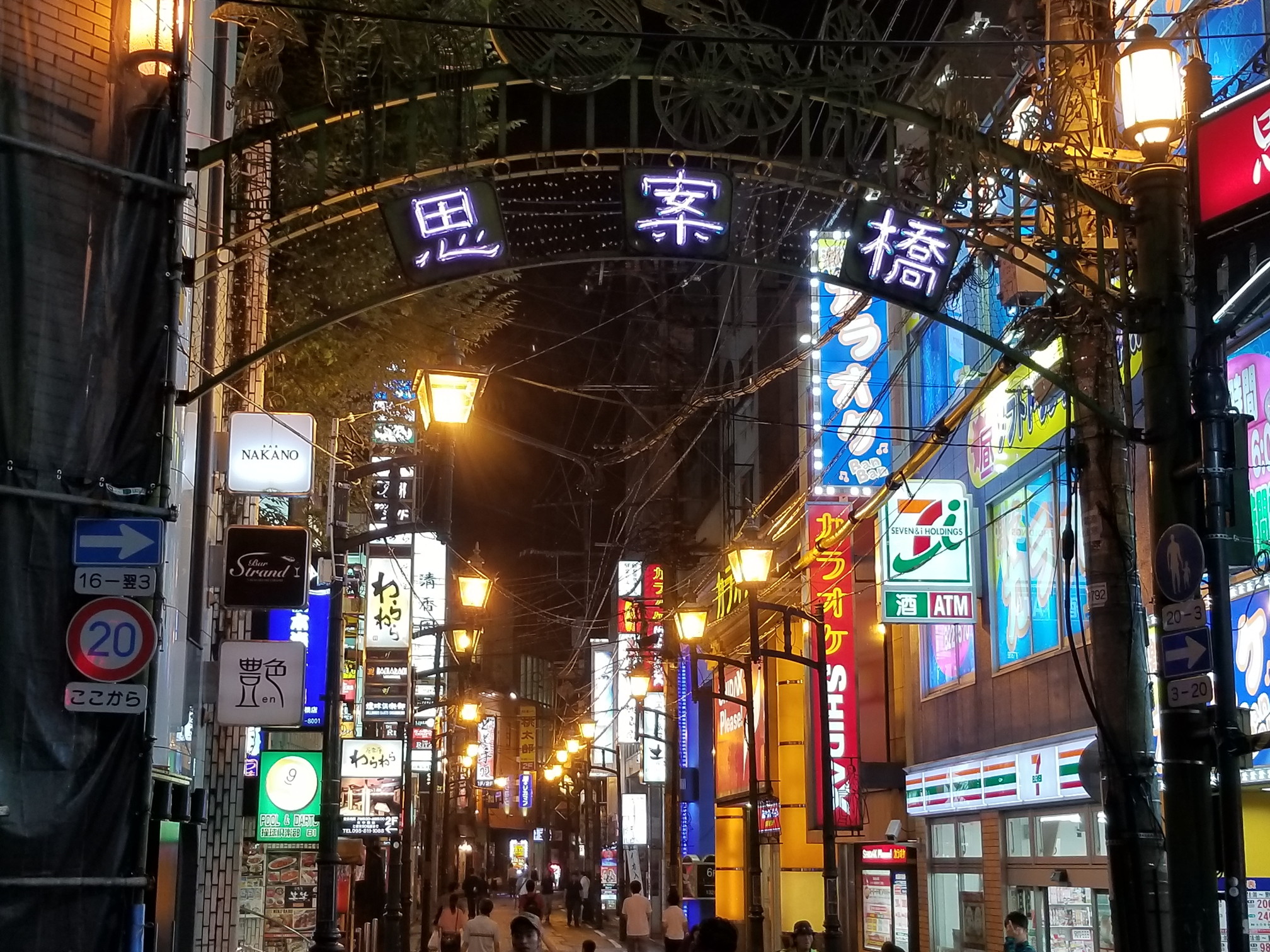
Nagasaki nights are scenic and compact: a harbor-city atmosphere, hillside viewpoints, and dense pockets of izakaya and bars that feel personal rather than “industry nightlife.” It’s ideal for couples, small groups, and anyone who wants a night with a strong sense of place.
How to do it: Sunset → night view → izakaya → one bar → finish clean.
Kumamoto 熊本
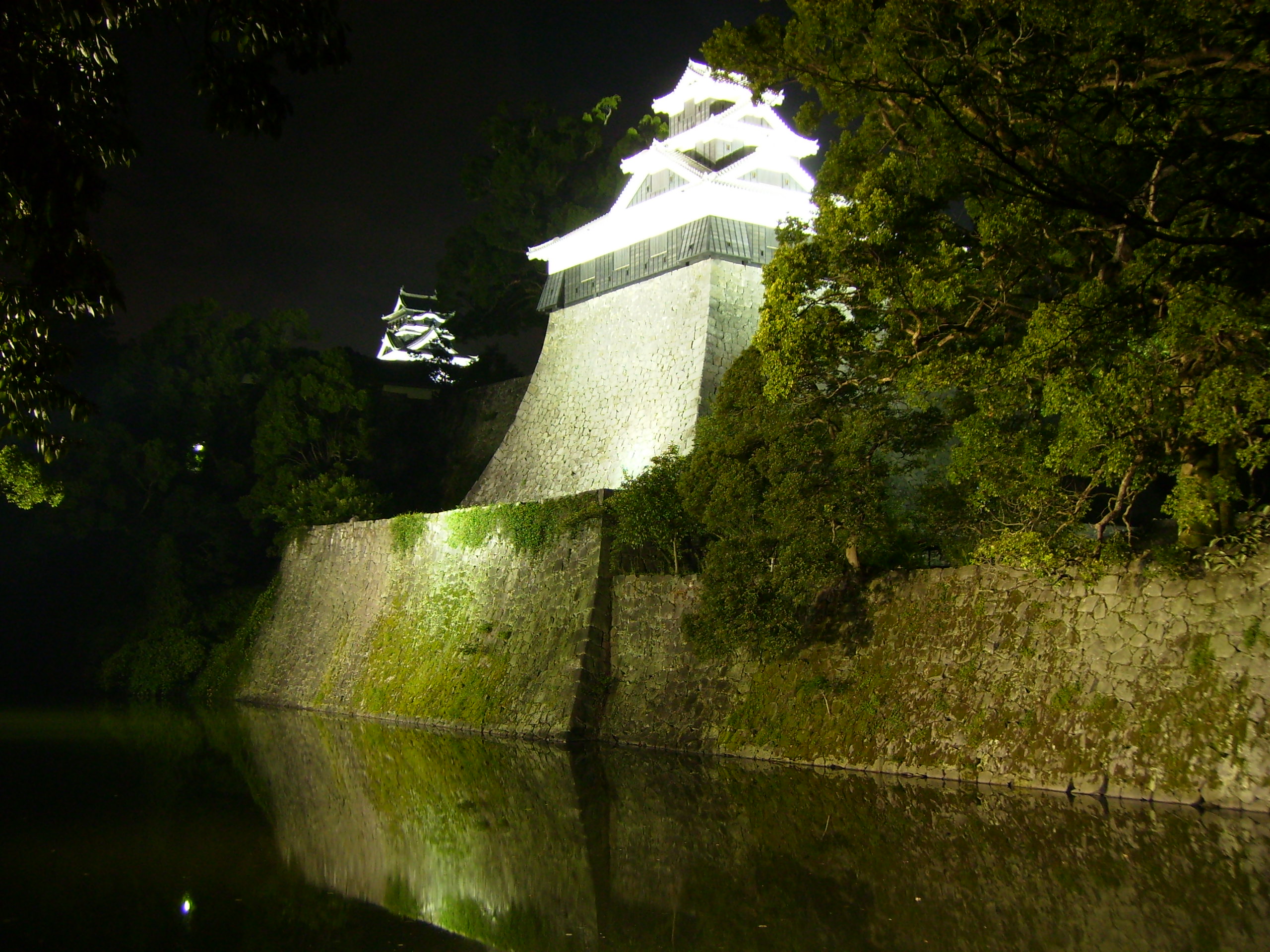
Kumamoto has a strong “downtown grid” feel: approachable bar streets, solid izakaya culture, and a reliable late-food ecosystem. It’s one of the easiest Kyushu cities to go out in without local help, and it’s great for groups.
How to do it: Dinner near the center → two short bar stops → end with noodles.
Kagoshima 鹿児島
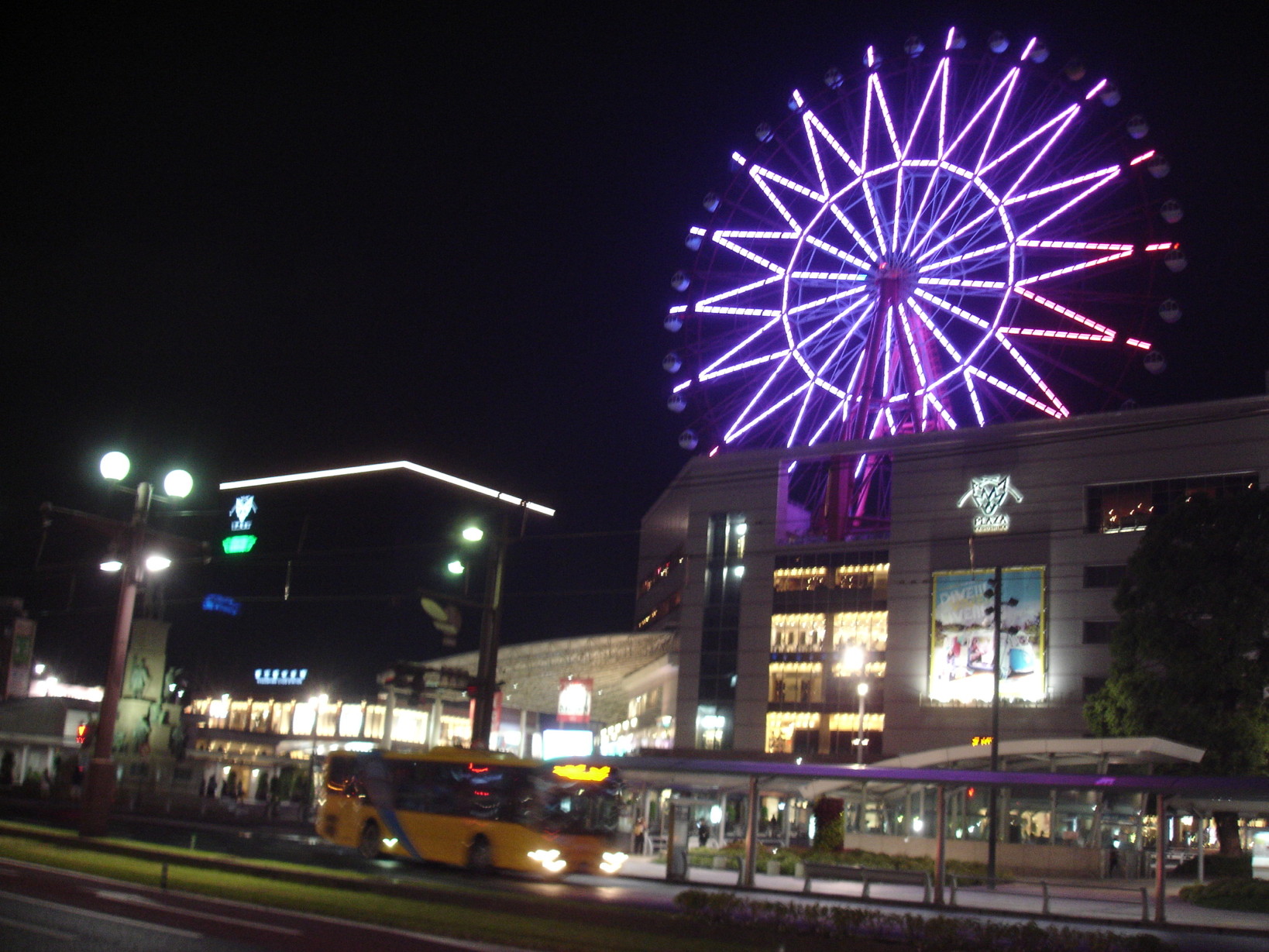
Kagoshima nightlife is built on shōchū culture, hearty food, and a “southern port city” vibe. Nights are social but less frantic than Fukuoka—think good conversation, steady pacing, and a strong local identity that comes through in what people drink.
How to do it: Eat well → shōchū-focused bar → optional second stop → finish early-ish.
Ōita / Beppu 大分・別府
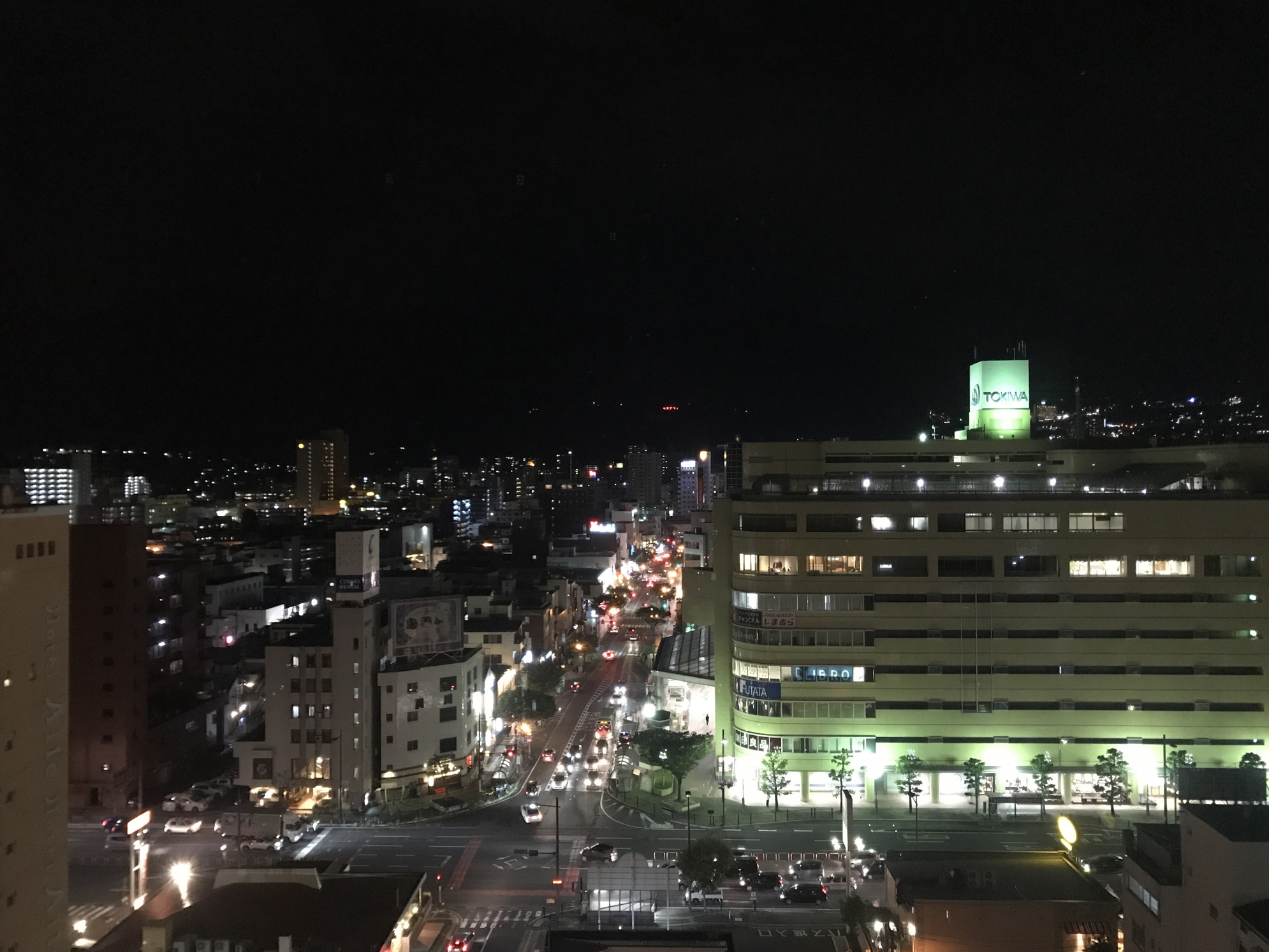
Beppu nightlife isn’t about “party.” It’s about onsen rhythm: hot spring first, then food, then casual drinking—often in small izakaya, local bars, and old-school snack spots that cater to residents and repeat visitors. Ōita City adds more “regular city” nightlife options and a bigger late-night food base.
How to do it: Onsen → dinner → one bar → convenience-store wind-down back at the hotel.
Saga 佐賀
Saga nights are quiet and local: small izakaya clusters, bars that cater to regulars, and an “everyday city” atmosphere. It’s a great stop if you like low-noise evenings and want to see what non-tourist Japan feels like after dark.
How to do it: Make one good reservation, then add one nearby drink.
Miyazaki 宮崎
Miyazaki nightlife is warm and friendly, with a relaxed southern pace. It’s often dining-first with a strong local food identity, then a small-bar second stop. Compared to bigger cities, you’ll feel more “town” and less “district.”
How to do it: Early dinner → one bar → finish clean.
How to do Kyushu nights
The best Kyushu nights are structured and simple: one great dinner + one great drink + one signature view/experience. Don’t force “big-city nightlife logic” onto smaller cities.
• お通し (otoshi): common at seated izakaya.
• Snack bars may have a set fee + karaoke fee; ask first if unclear.
• Many places are cash-friendly; carry some yen.
チャージありますか? (Is there a charge?)
だいたいいくらですか? (About how much will it be?)
• Eat properly first (food anchors the night).
• One or two bar stops is normal.
• Finish earlier and sleep well—Kyushu trips often involve morning trains, ferries, or day trips.