Overview: how these areas work
Nakameguro, Daikanyama, Sangenjaya, and Jiyūgaoka sit along Tokyo’s “liveable” southwest corridor. Nightlife here is subtle, food-driven, and neighborhood-focused. You don’t come for crowds or neon — you come to eat well, drink thoughtfully, and feel like you briefly belong.
Not about: Clubs, loud bar crawls, tourist spectacle.
Peak hours: 18:30–22:30 (most places wind down earlier than Shibuya/Shinjuku).
Nakameguro 中目黒
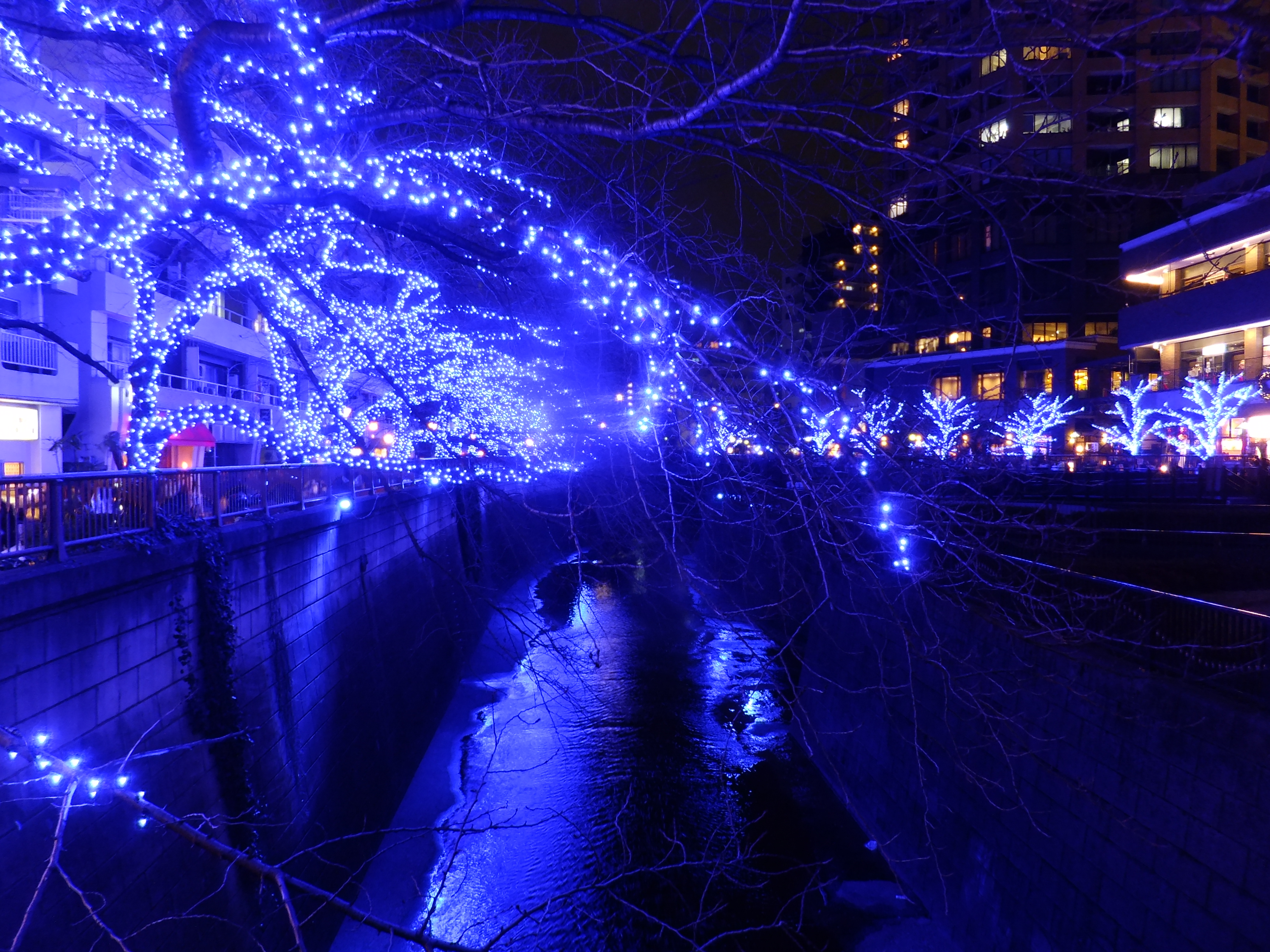
Nakameguro is stylish without being loud. Along the Meguro River and side streets you’ll find bistros, wine bars, modern izakaya, and small cocktail spots that fill with locals and repeat visitors.
How to do it: Book dinner if possible, then add one nearby bar.
Atmosphere: Fashionable, calm, conversational.
Daikanyama 代官山
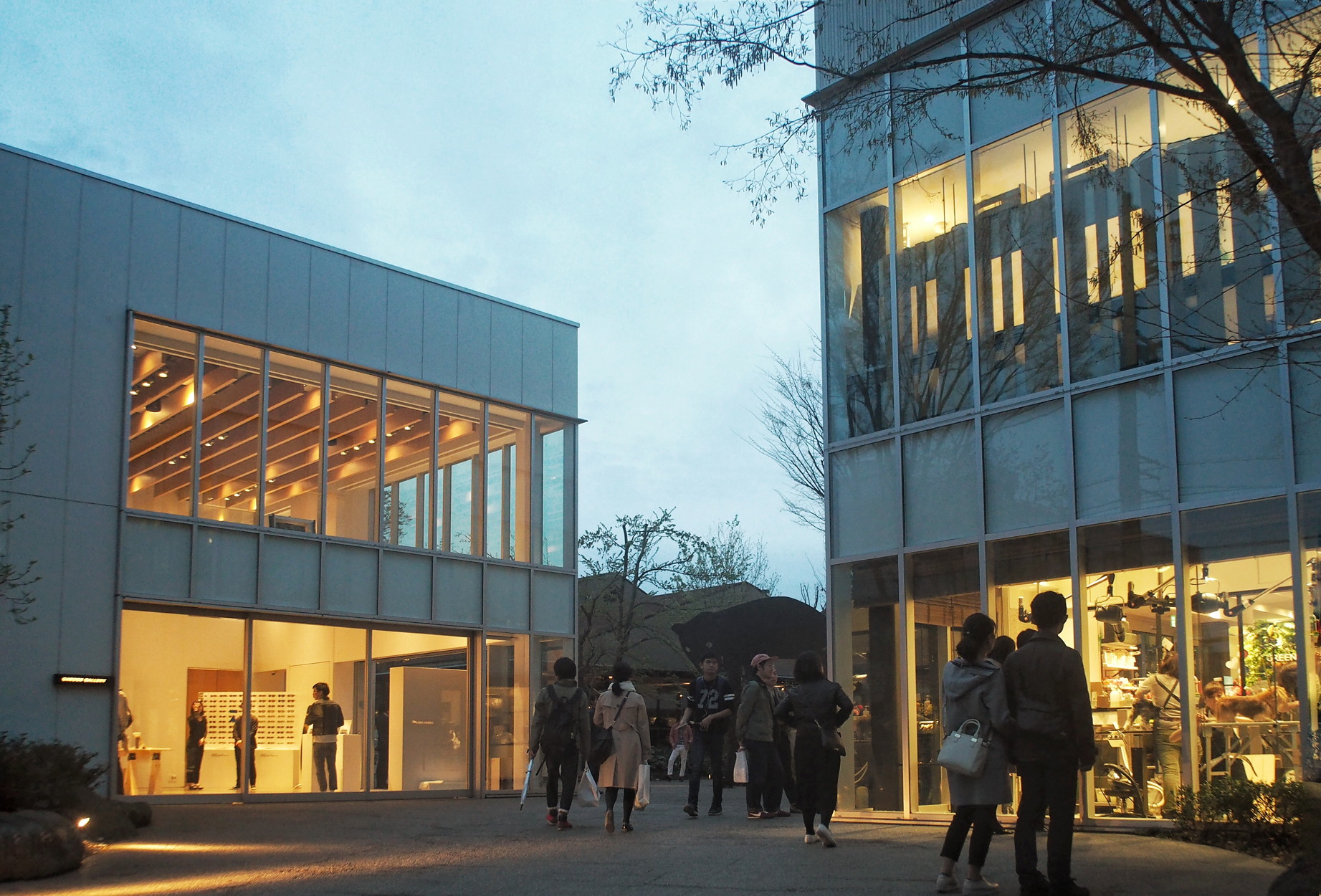
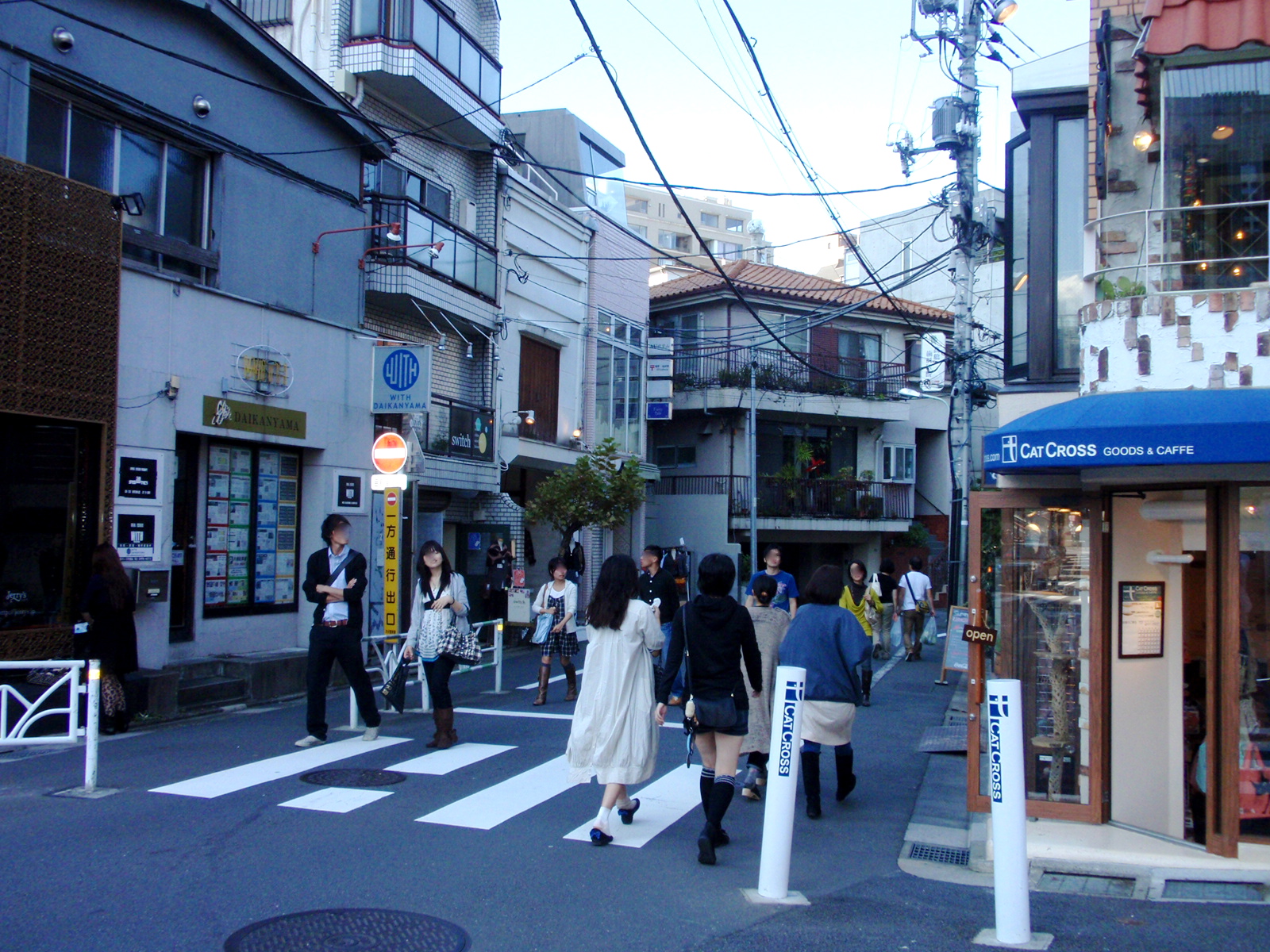
Daikanyama nightlife is understated and design-forward. Bars are hidden, signage is subtle, and the assumption is that you came on purpose. This is a place for conversation and calm confidence.
Dress: Neat casual; style matters more here than elsewhere.
How to enter: Look composed — hesitation stands out.
Sangenjaya 三軒茶屋
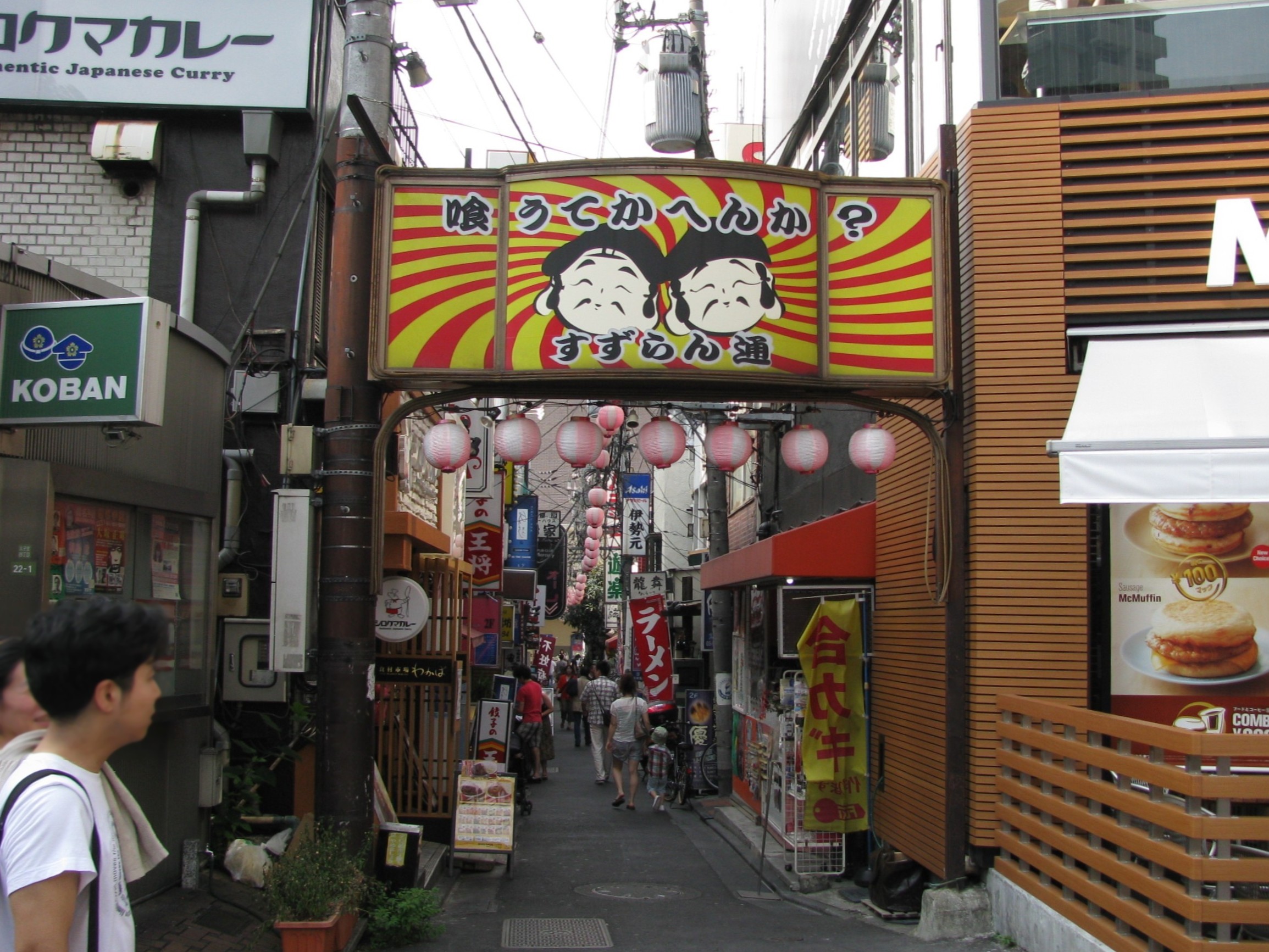
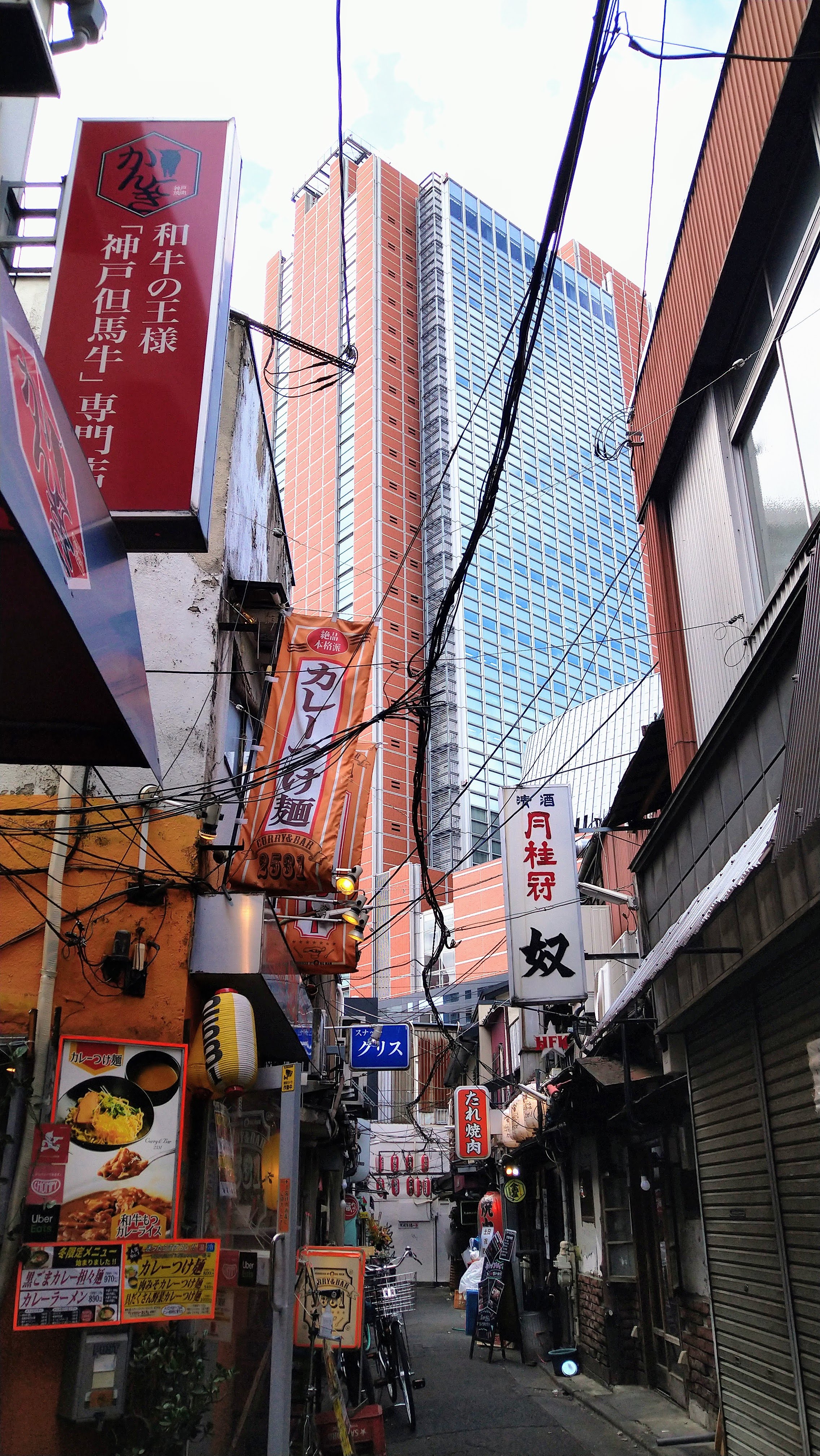
Sangenjaya (“Sancha”) is one of Tokyo’s best true local drinking towns. Packed izakaya, standing bars, snack bars, and tiny music spots form a maze that feels alive every night of the week.
How to do it: Walk, stop when it feels right, don’t over-plan.
Energy: Lively, loud, friendly.
Jiyūgaoka 自由が丘
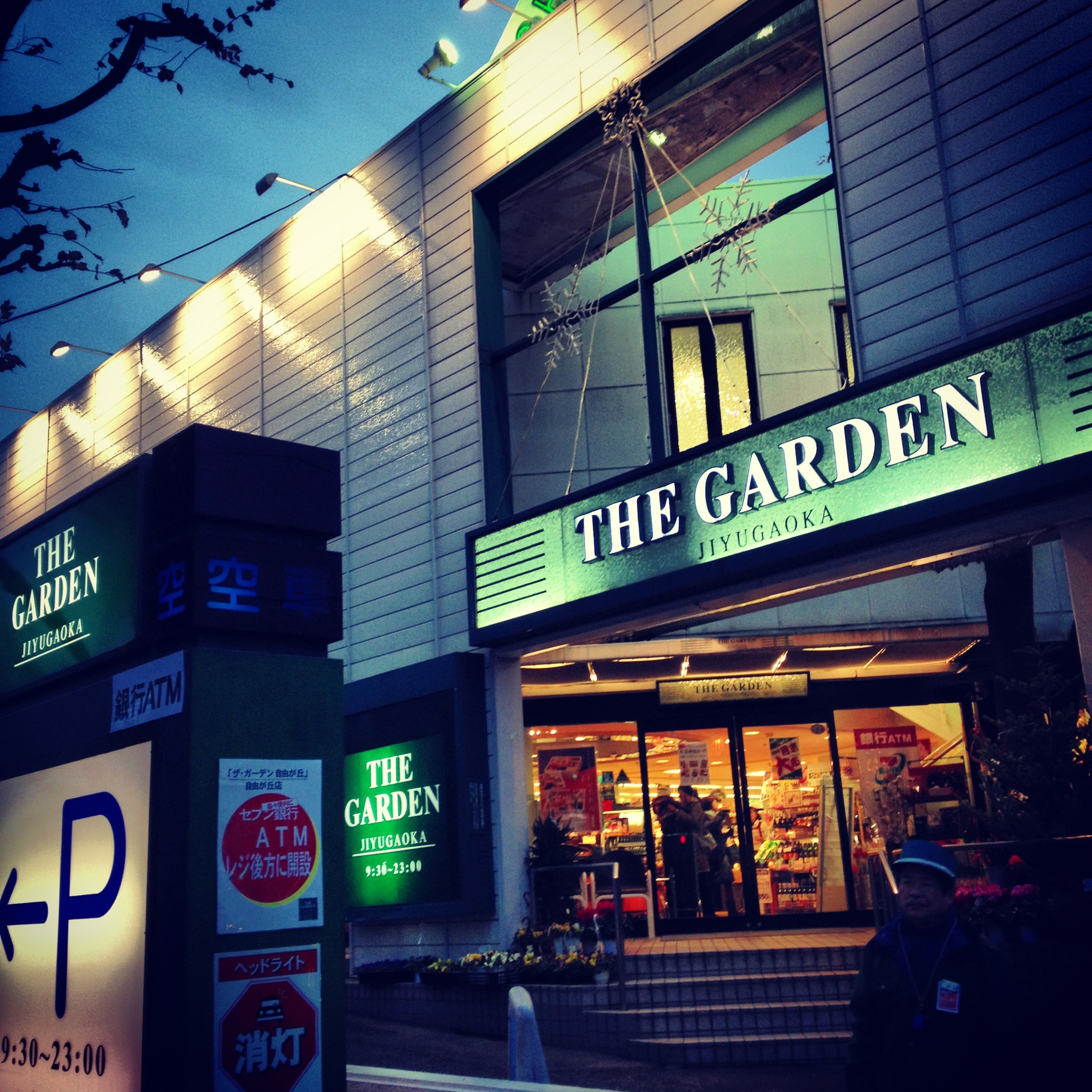
Jiyūgaoka is refined and residential. Nightlife here centers on restaurants, wine bars, and dessert cafés rather than pure drinking. It’s popular with couples and locals who want quality without noise.
Atmosphere: Quiet confidence; voices stay low.
Timing: Start earlier — places close sooner than central districts.
How to do these areas
These neighborhoods reward awareness and intention. If you treat them like party districts, they feel closed. If you treat them like places to live, they open up.
• お通し (otoshi): common at izakaya and bistros.
• チャージ (charge): some bars, usually modest and clear.
• Reservation-only places are common — especially in Nakameguro/Daikanyama.
• Eat properly first.
• Drink slower; fewer rounds are normal.
• Stay longer in one or two places.