Overview: what Osaka nightlife feels like
Osaka nightlife is high energy, food-first, and unusually friendly for a big city. You’ll see more “open” social behavior than Tokyo: louder groups, faster pacing, and a culture where chatting with the owner or the next table is normal.
Not about: Ultra-polished “quiet cocktail” culture (it exists, but it’s not the default).
Peak hours: 19:00–01:00 (core zones can go later).
Dōtonbori / Shinsaibashi 道頓堀・心斎橋
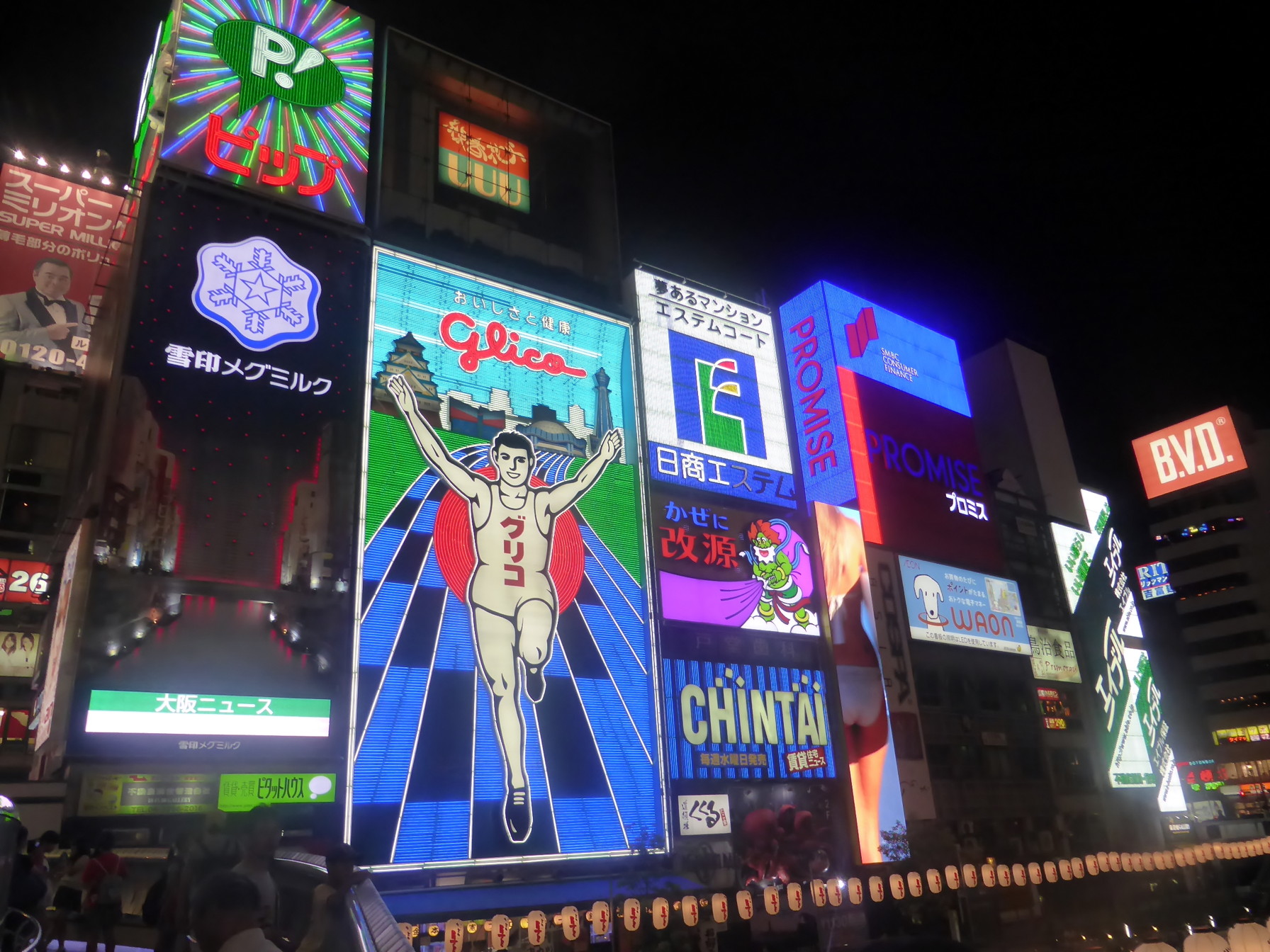
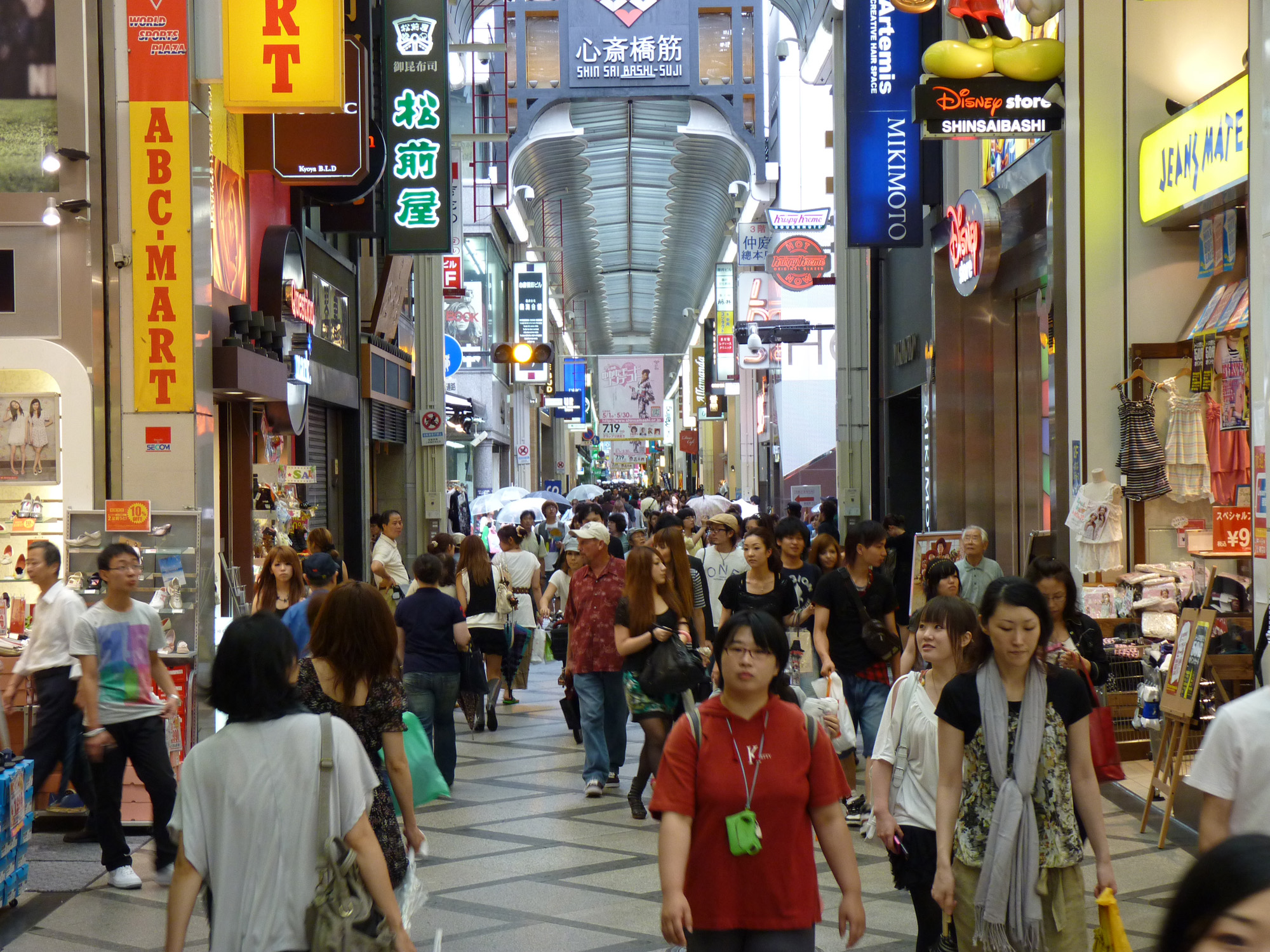
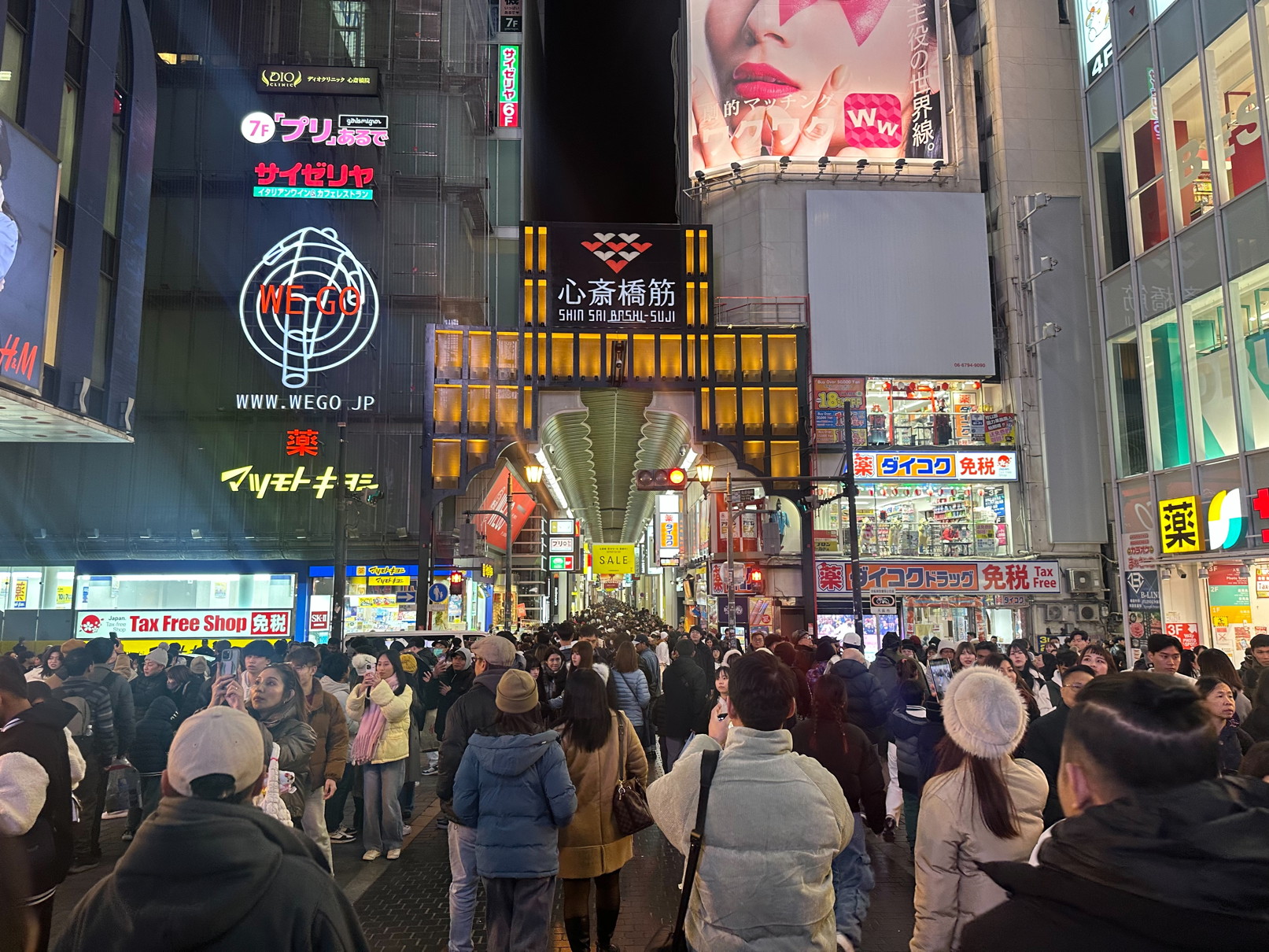
This is Osaka’s iconic nightscape: canal-side neon, endless food options, and nightlife that’s easy to navigate. It’s tourist-friendly, but still fun—especially if you use it as a starting point before going deeper.
Best for: First night in Osaka, mixed groups, easy late-night eating.
How to do it: Eat along Dōtonbori → walk it off → move toward Namba/Ura-Namba for smaller places.
Namba / Sennichimae / Ura-Namba 難波・千日前・裏なんば

If Dōtonbori is the postcard, Namba is the real nightlife heart. The magic is Ura-Namba: tight backstreets full of small izakaya, stand bars, and late-night food.
• High density of small places
• Fast rotation: one or two plates, one or two drinks, then move
• Friendly owner culture—short conversations are normal
Shinsekai / Tsūtenkaku / Janjan Yokochō 新世界・通天閣・ジャンジャン横丁
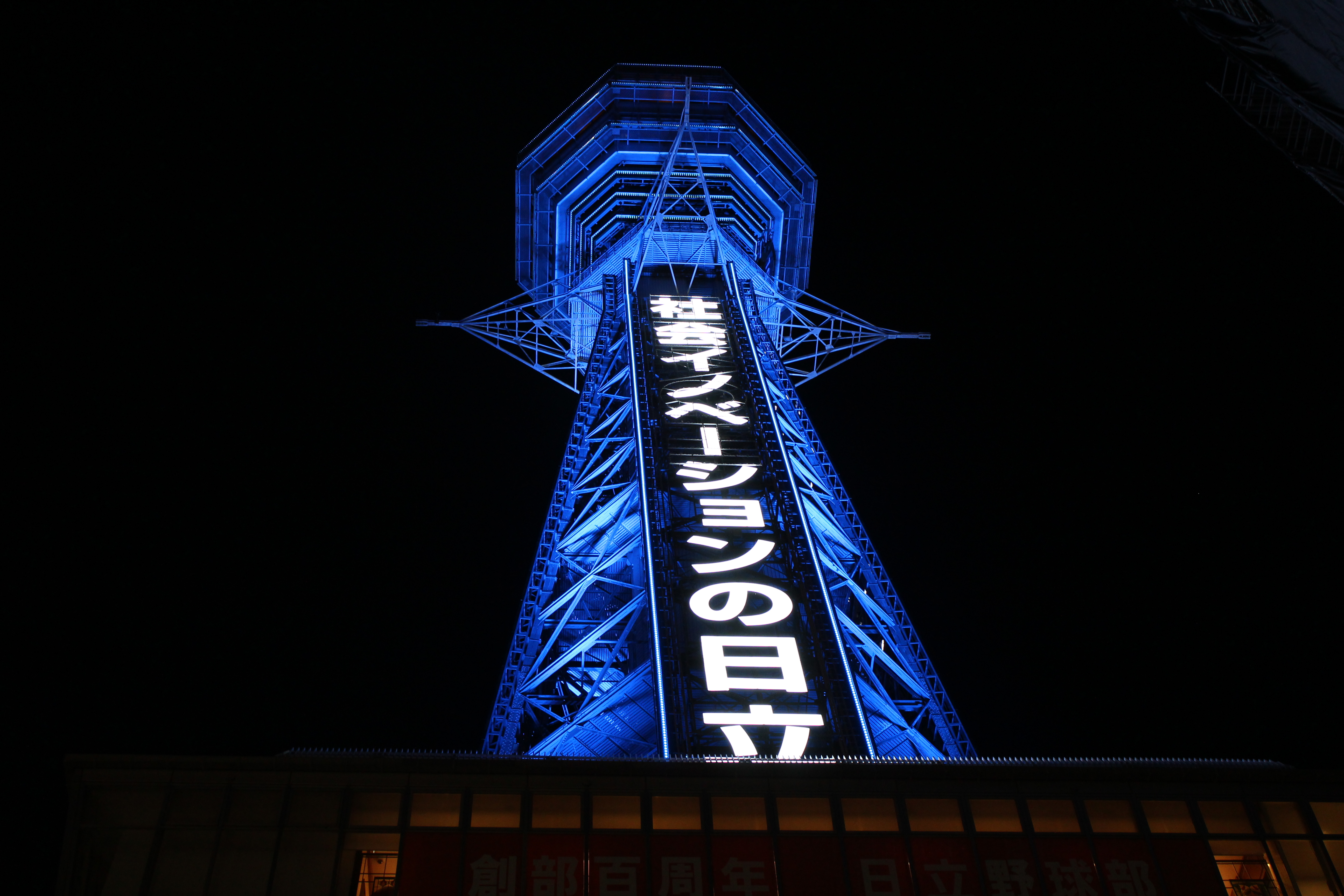
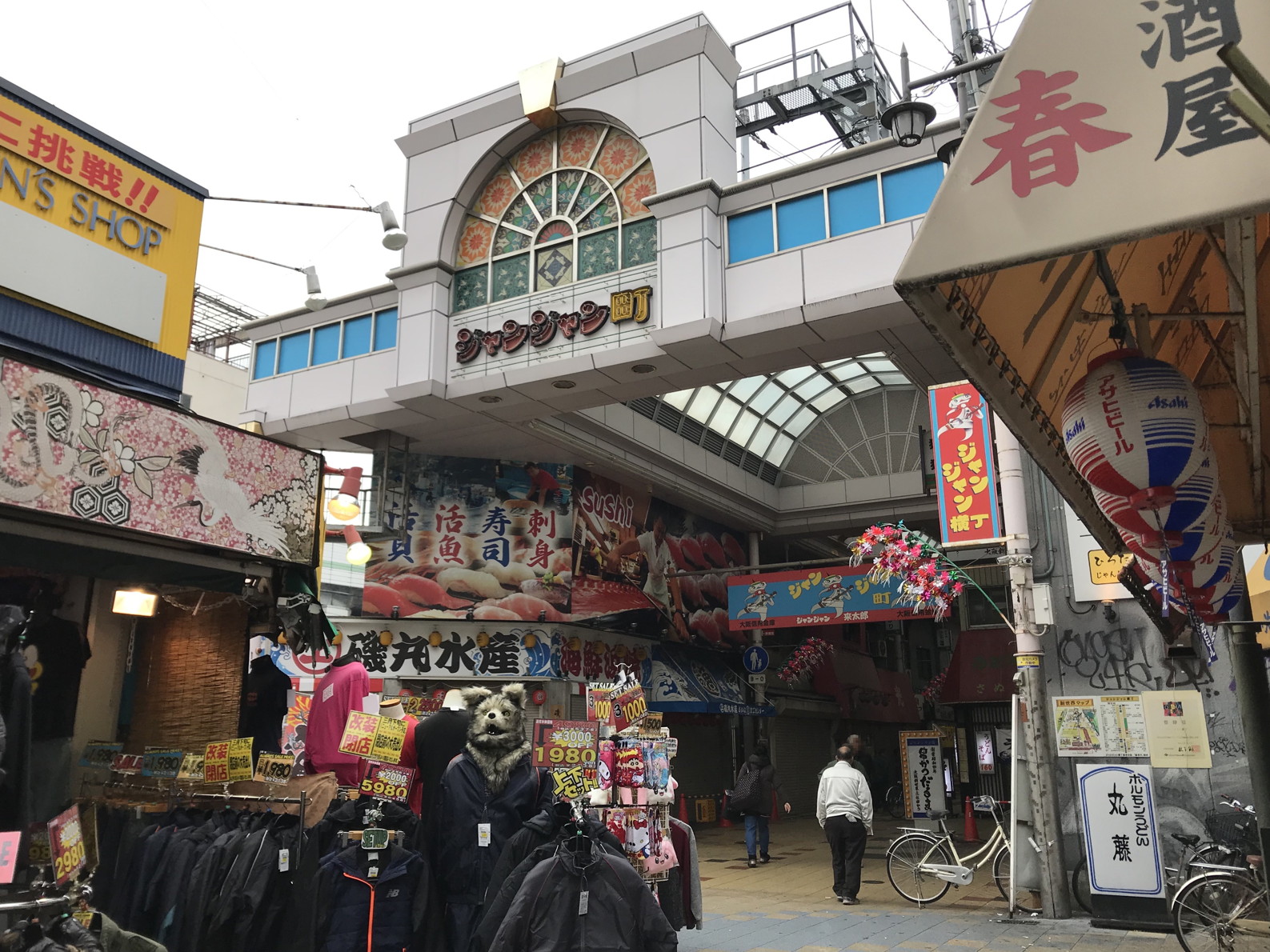
Shinsekai is a nightlife theme you can walk through: kushikatsu, beer, bright signage, and a time-warp vibe. Janjan Yokochō is the micro-core—tiny shops and an “eat, drink, move” rhythm.
How to do it: Eat + drink here, then relocate to Namba if you want deeper bar hopping after 22:00.
Umeda / Kitashinchi 梅田・北新地


Umeda is Osaka’s north-side core: huge station complexes, endless restaurants, and bars scattered in pockets. Nearby Kitashinchi is the high-end adult nightlife zone—more expensive and more “night business.”
Kitashinchi reality: Can be very expensive—only enter places with clear pricing.
Tenma / Tenjinbashi-suji 天満・天神橋筋
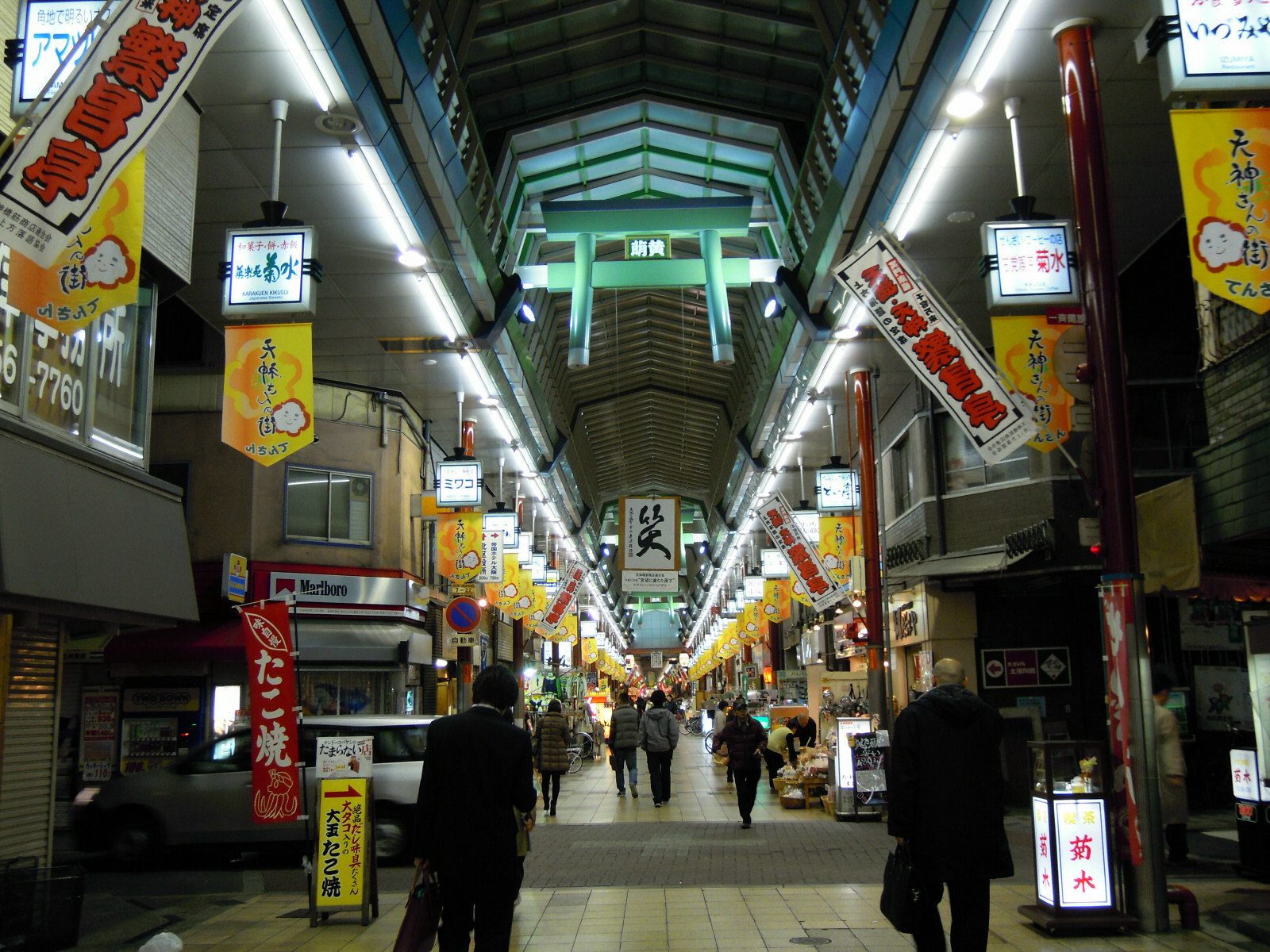
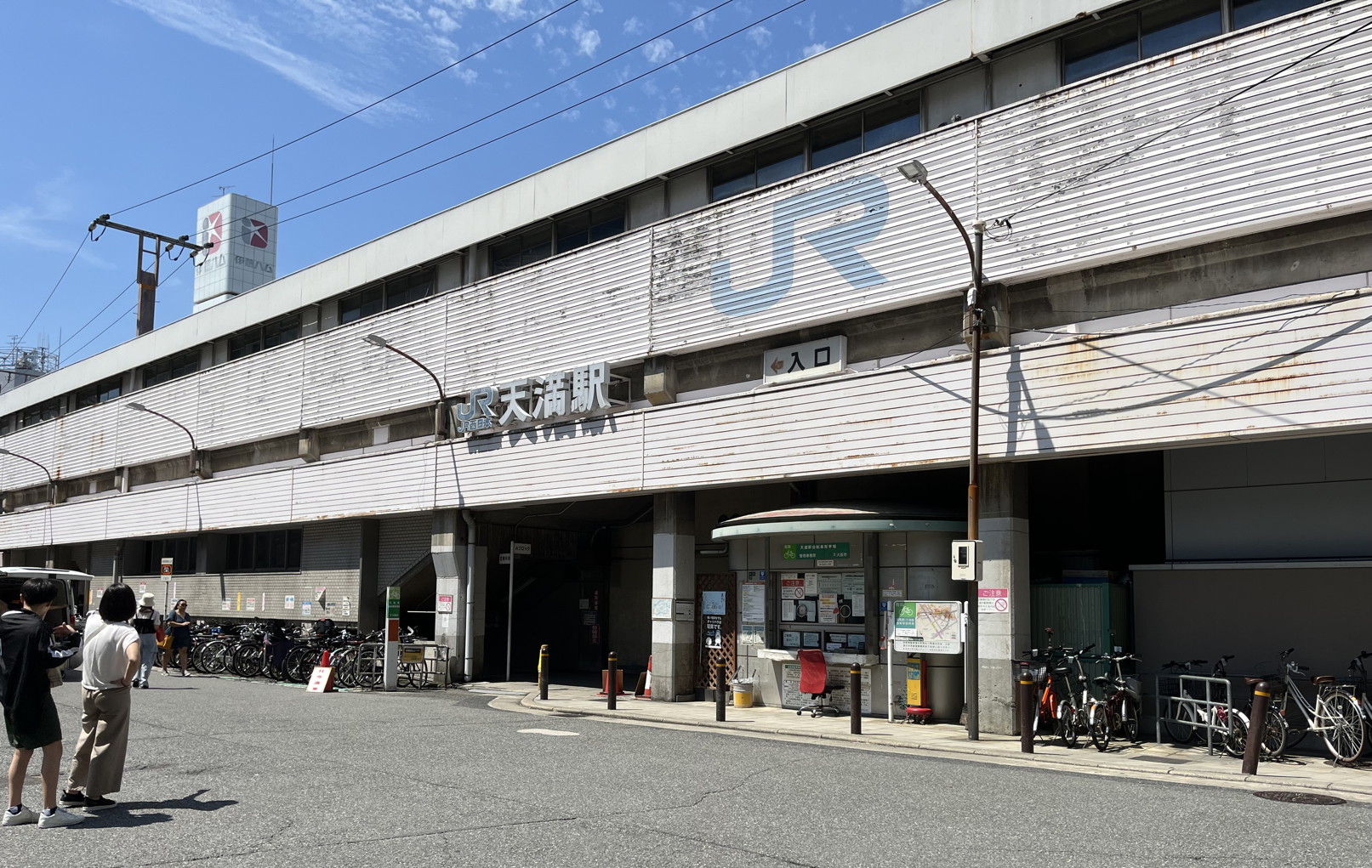
Tenma is legendary for izakaya density and value. It’s less tourist-facing than Namba and feels extremely “Osaka local,” especially on weekends.
How to do it: 3–5 short stops works here. If it’s crowded, one drink then rotate.
Fukushima 福島
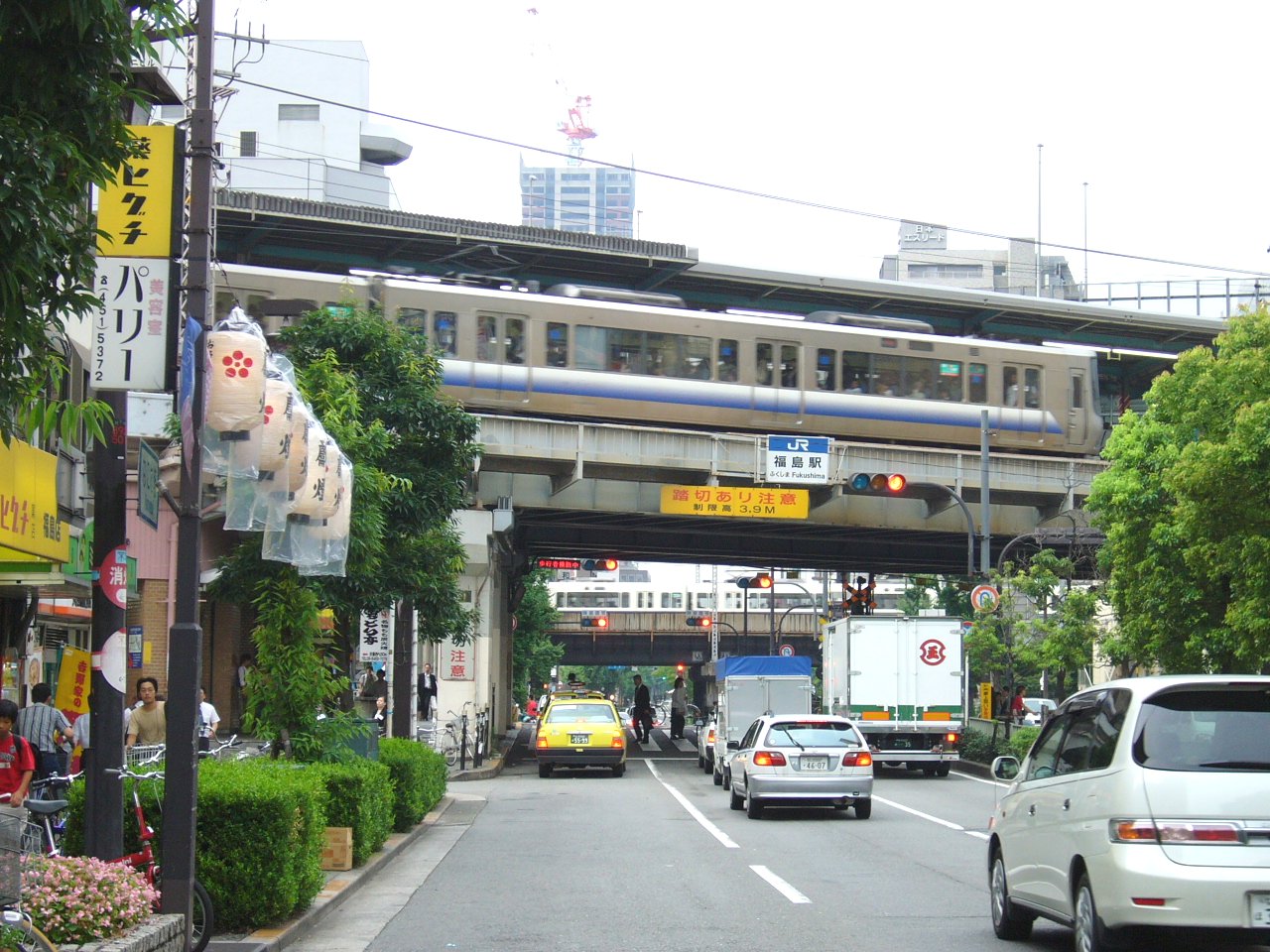
Fukushima is the “eat well, drink well” zone. Less neon, more quality—great restaurants, small bars, and a calmer but still lively night scene.
How to do it: Reserve dinner, then pick one small bar after.
Kyōbashi 京橋
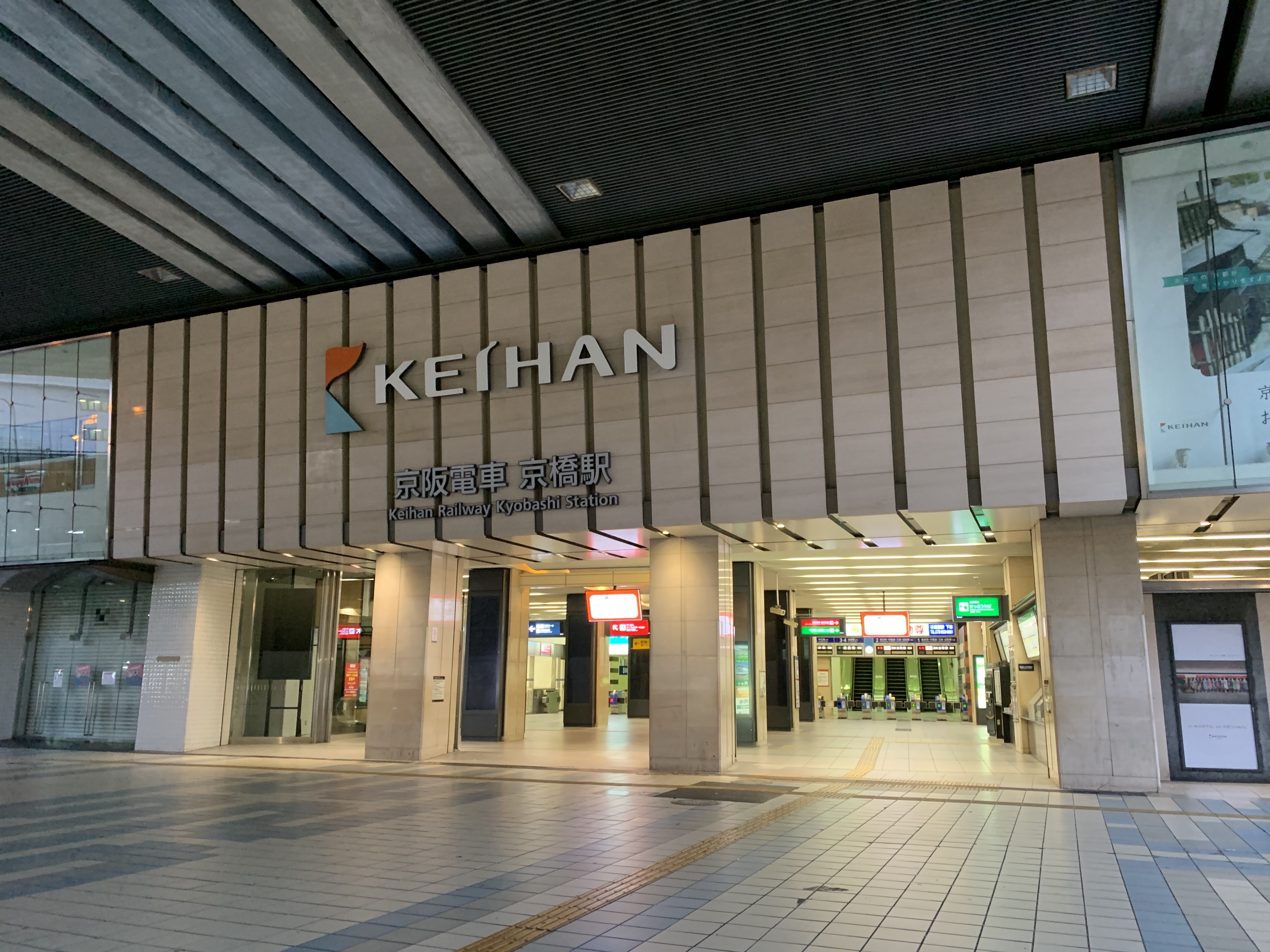
Kyōbashi is a classic station drinking town: loud, cheap, fast, and real. You’ll see lots of standing bars and places built around quick rounds.
How to do it: Short stops. One drink and move is normal if it’s packed.
Tsuruhashi 鶴橋
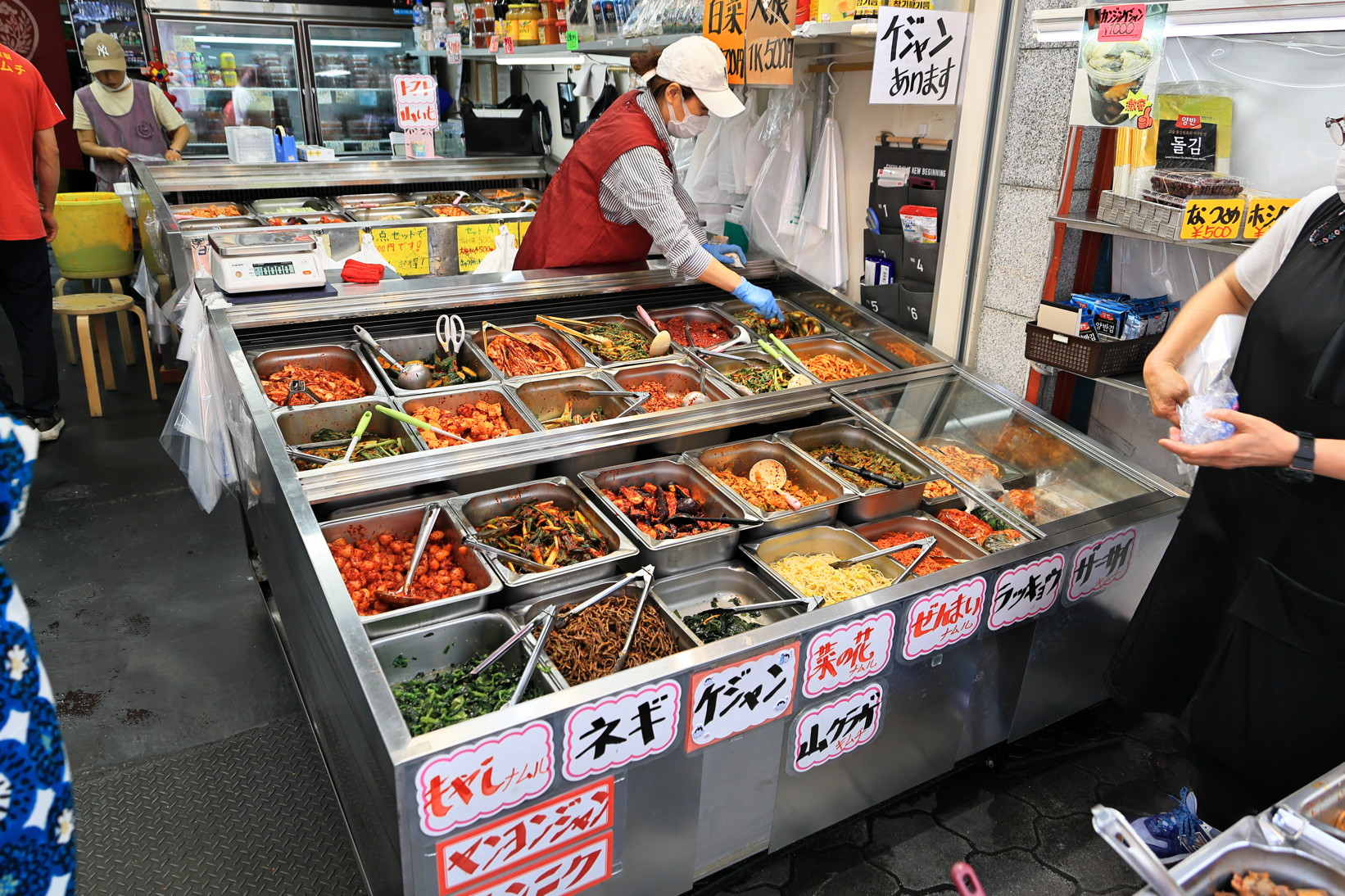
Tsuruhashi is famous for Korean food culture—especially yakiniku. Nightlife here is often a “food mission” night that turns into drinks afterward.
How to do it: Reserve a yakiniku place → then one bar/izakaya near the station.
How to do Osaka (charges, etiquette, pacing)
• お通し (otoshi): normal at seated izakaya (small appetizer + fee).
• 席料 (seki-ryō): occasional seating charge at bars/wine bars.
• In “night business” zones (e.g., Kitashinchi): expect set fees and minimums—confirm first.
チャージありますか? (Is there a charge?)
だいたいいくらですか? (About how much will it be?)
一人いけますか? (Can you take one?)
二人いけますか? (Can you take two?)
• Osaka is built for food + drinking together—order at least one small plate per person in many izakaya.
• If the place is tiny and crowded, one drink and rotate is polite and normal.
• Don’t fight the city: pick busy places with posted menus, commit, then move.