Overview: how Roppongi/Azabu works
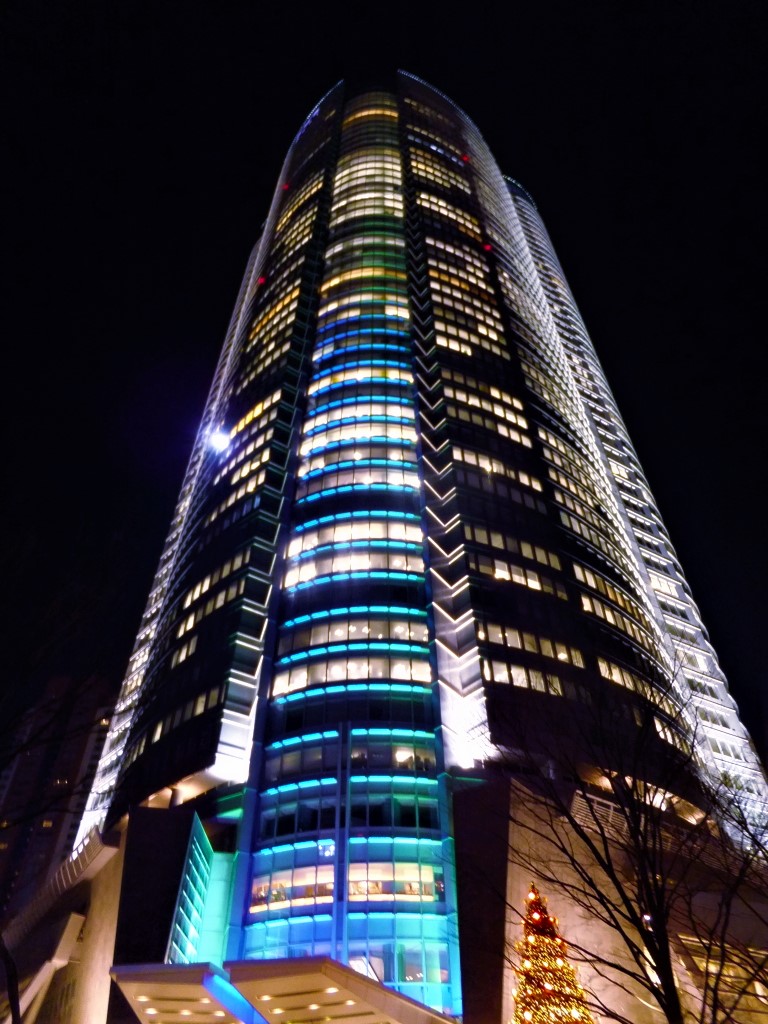
Roppongi/Azabu is Tokyo’s easiest nightlife zone for non-Japanese speakers — but it’s also one of the most segmented. Within a short walk you can move from international clubs to upscale cocktail lounges to small neighborhood bars and late-night food streets.
Not representative of: Deep local Tokyo bar culture (for that, use Shinjuku/Shibuya/Ikebukuro/Koenji).
Peak hours: 21:00–02:00 (bars), 23:00–04:30 (clubs/late lounges).
Roppongi Crossing / Main Core 六本木 交差点周辺
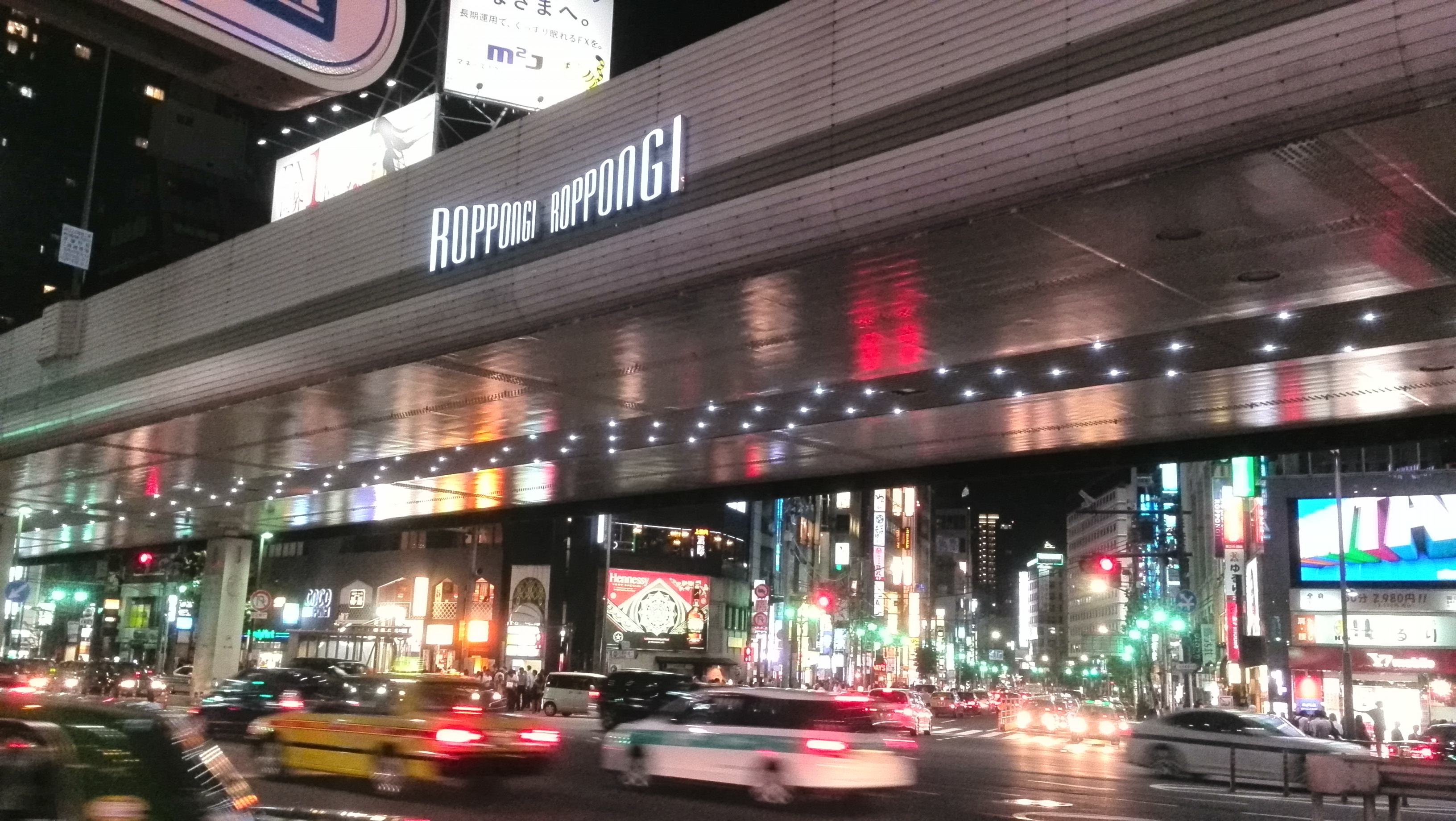
The main Roppongi core is built for nightlife flow: you can arrive without a plan and still find somewhere open, busy, and understandable. This is where you’ll see the most international mix — and also the most “sales energy.”
• International bars and open-format clubs (Top 40 / hip-hop / EDM mixes).
• Promoters and invitations outside venues.
• Lots of “upper-floor” places with stairs/elevators — always confirm pricing first.
Roppongi Hills & Tokyo Midtown 六本木ヒルズ・東京ミッドタウン
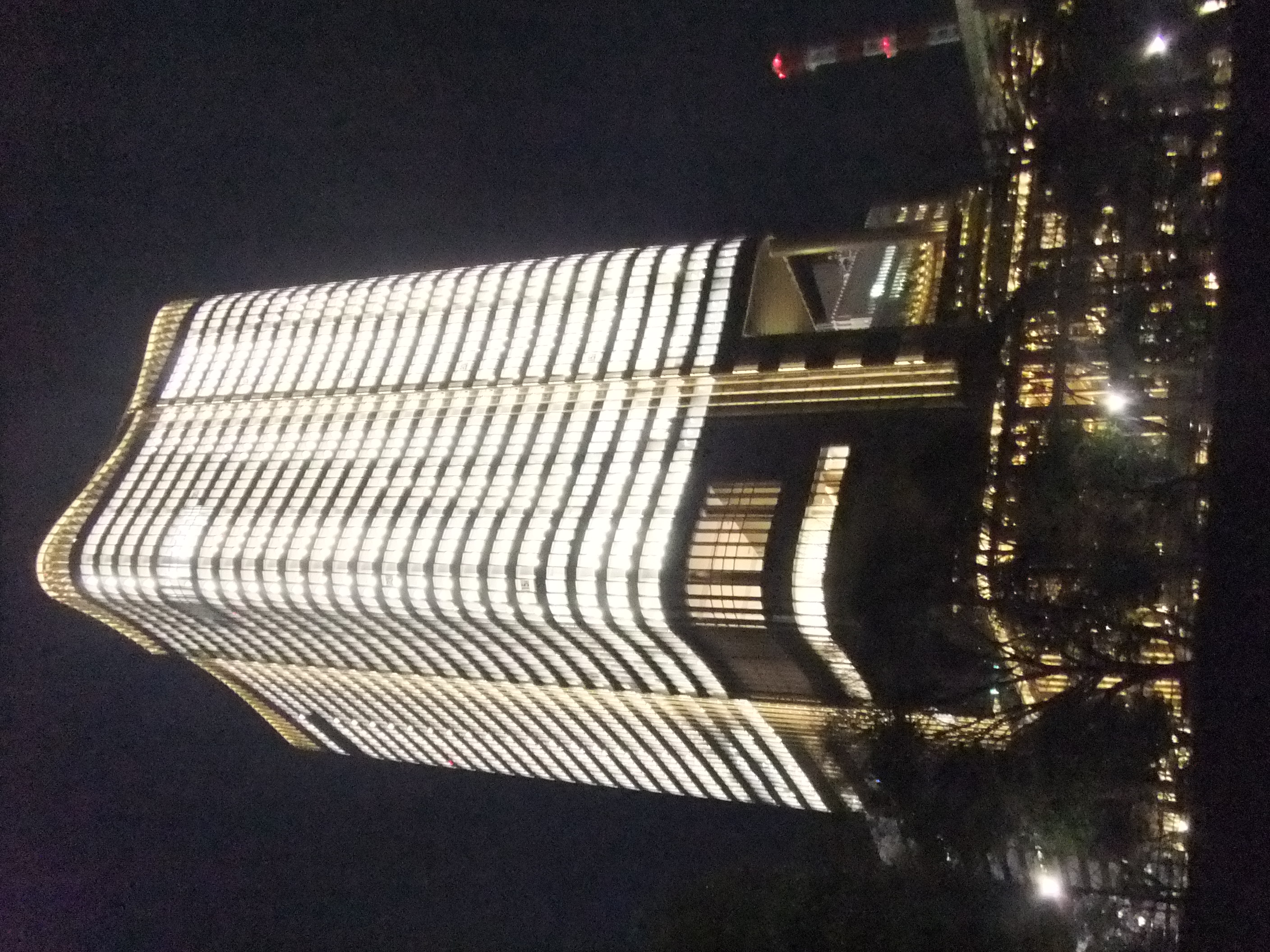
Hills and Midtown are the refined layer of the district: restaurants, hotel bars, and lounges where the night feels controlled. This is the best place in the area to start a date night, do a calm pre-drink, or end a night without crowd pressure.
Dress note: Neat casual works; sportswear can feel out of place in some venues.
How to use it: Pre-drink here → then decide if you want the street core.
Nishi-Azabu 西麻布
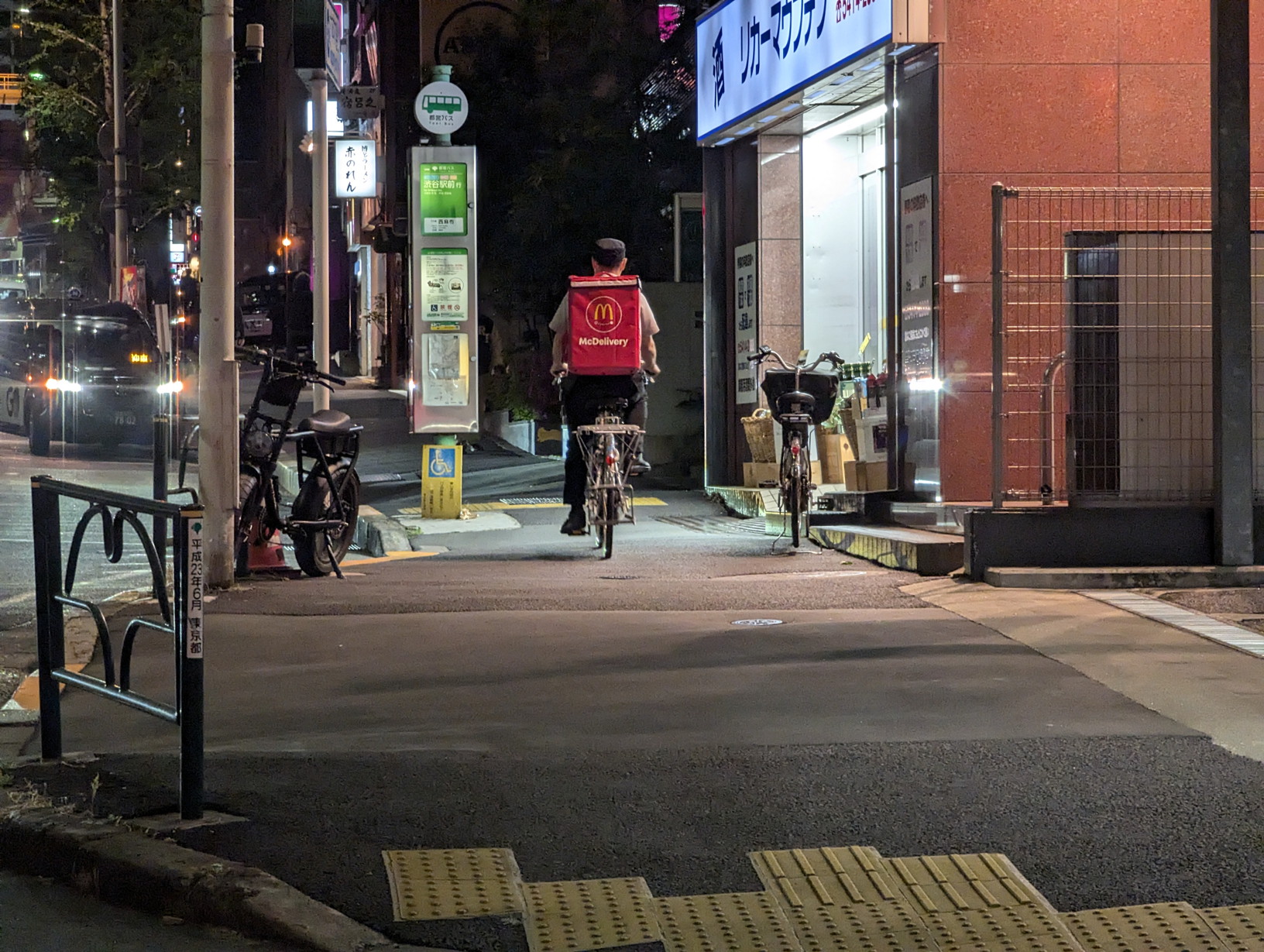
Nishi-Azabu is the discreet side of the district — less neon, more hidden entrances, and a higher ratio of “people who came here on purpose.” It’s where the atmosphere shifts from loud to controlled, and where a night can feel upscale without being tourist-facing.
What to expect: Smaller doors, quieter rooms, sometimes higher minimums.
How to do it: Go with a specific place in mind or follow a clear recommendation.
Azabu-Jūban 麻布十番
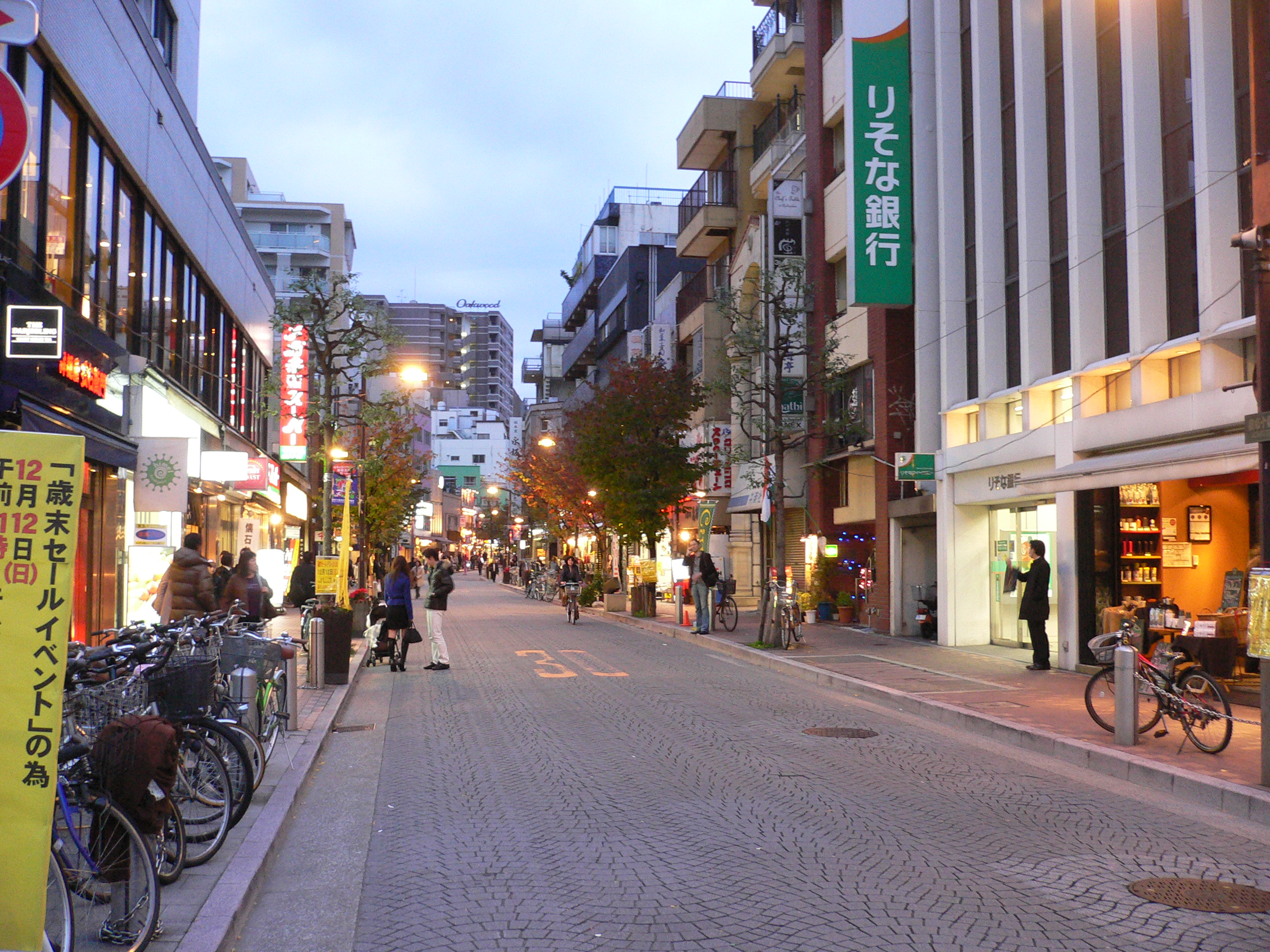
Azabu-Jūban feels more like a neighborhood than a nightlife machine. You’ll find good food, small bars, and a calmer street rhythm. It’s a great place to drink if you want Tokyo to feel human-scale.
How to use it: Eat here → one or two drinks → decide if you want to “go louder” in Roppongi.
Akasaka 赤坂
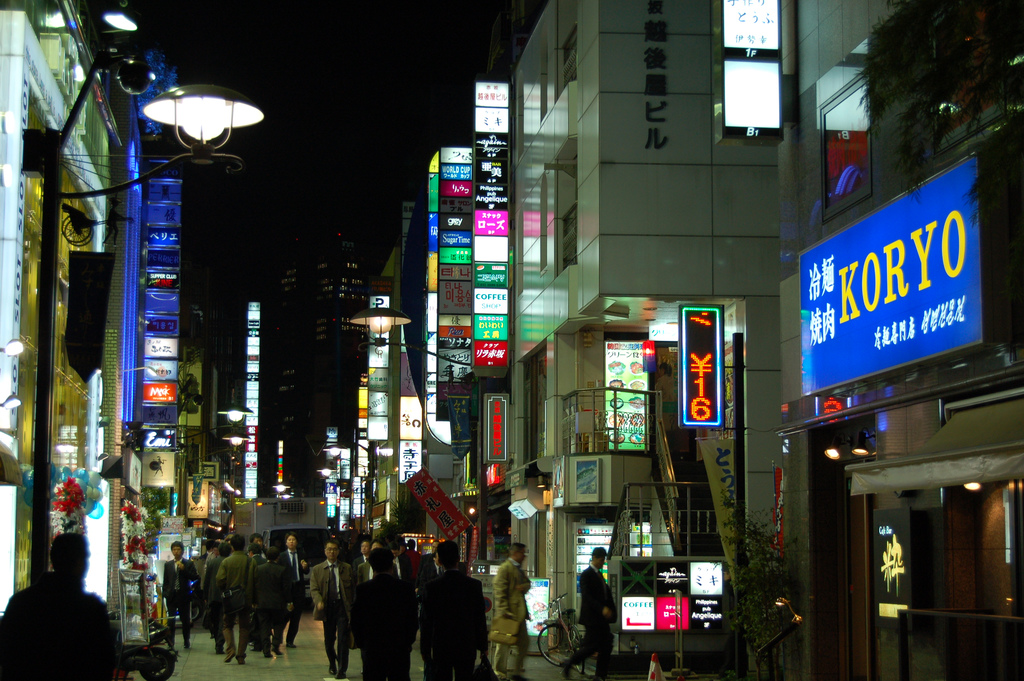
Akasaka sits nearby and pairs well with Roppongi/Azabu: it’s less international-party, more “grown-up night” — restaurants, bars, and late spots that work especially well on weekdays.
How to do it: Start in Akasaka for dinner → move to Roppongi for late-night energy.
How to do Roppongi/Azabu (charges, touts, dress, pacing)
This district is easy to enter, but it’s also where foreigners most often get “soft-scammed” by confusing pricing. The fix is simple: confirm the system before you sit, and avoid pressure-based choices.
• チャージ (charge): seat fee / cover (common).
• サービス料 (service charge): sometimes a percentage, especially in lounge-style venues.
• 最低料金 / minimum: sometimes used quietly (ask if unsure).
• お通し (otoshi): normal in izakaya — a small starter you pay for.
If you don’t get a clear answer, choose a different place.
• Don’t follow anyone who approaches you with “cheap / special / no charge.”
• Don’t get led upstairs without confirming total cost.
• Choose venues you enter by your own decision: signage, menus, and clear prices are your friend.
• Street core: casual is fine. Hills/Midtown: neat casual works best.
• Inside venues: lower your voice, keep phones down, and match the room’s energy.
• In lounge environments: pacing matters — fewer drinks, slower, more conversation.