Overview: what Saitama nightlife is (and isn’t)
Saitama nightlife is local, food-driven, and practical. You won’t find Tokyo-style “destination nightlife density” in most areas, but you will find: strong izakaya streets, neighborhood bars, and classic snack-bar culture where regulars keep the scene alive.
Not about: Big clubs, international party crowds, influencer nightlife.
Peak hours: 18:00–22:30 (many places wind down earlier than central Tokyo).
Ōmiya 大宮
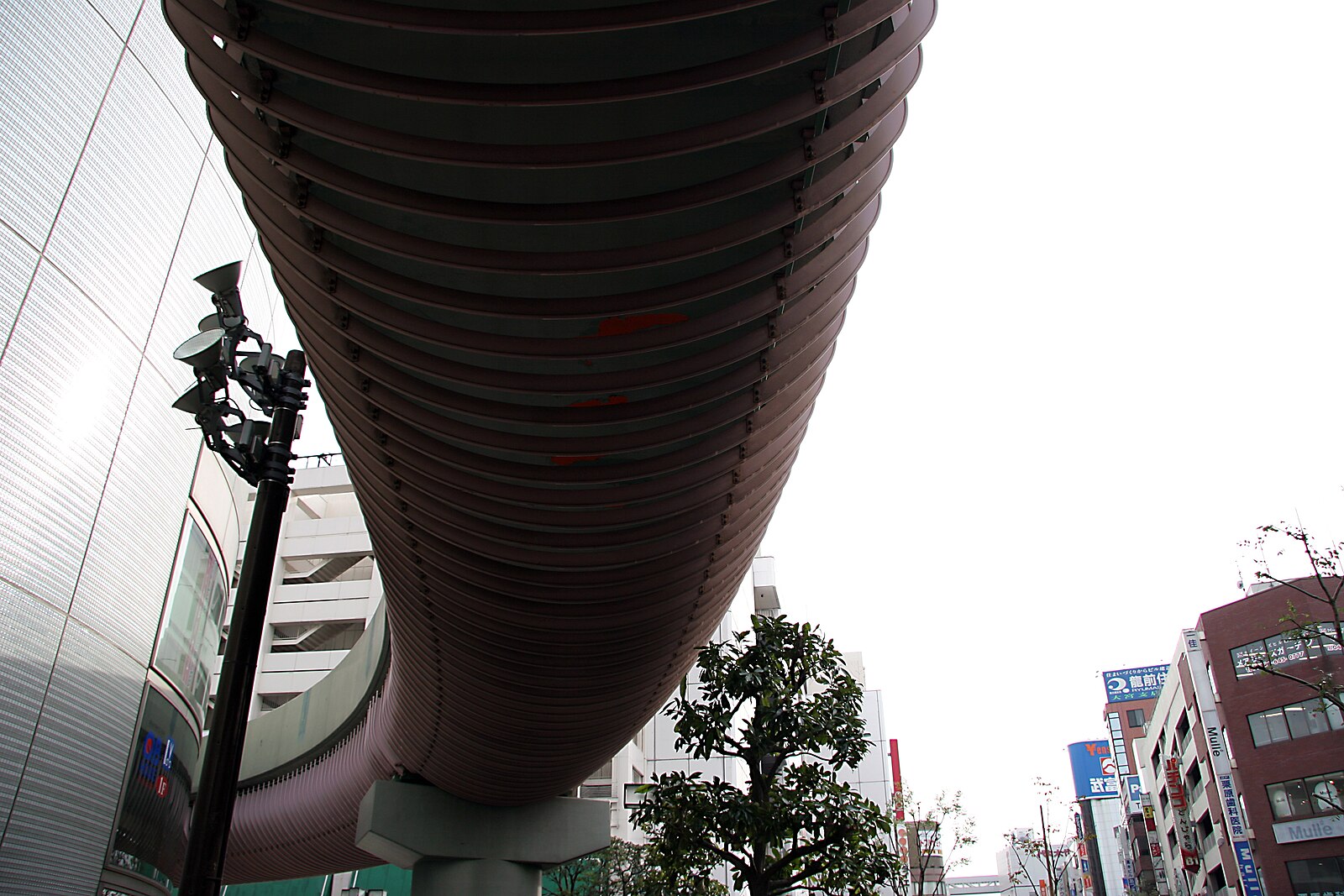
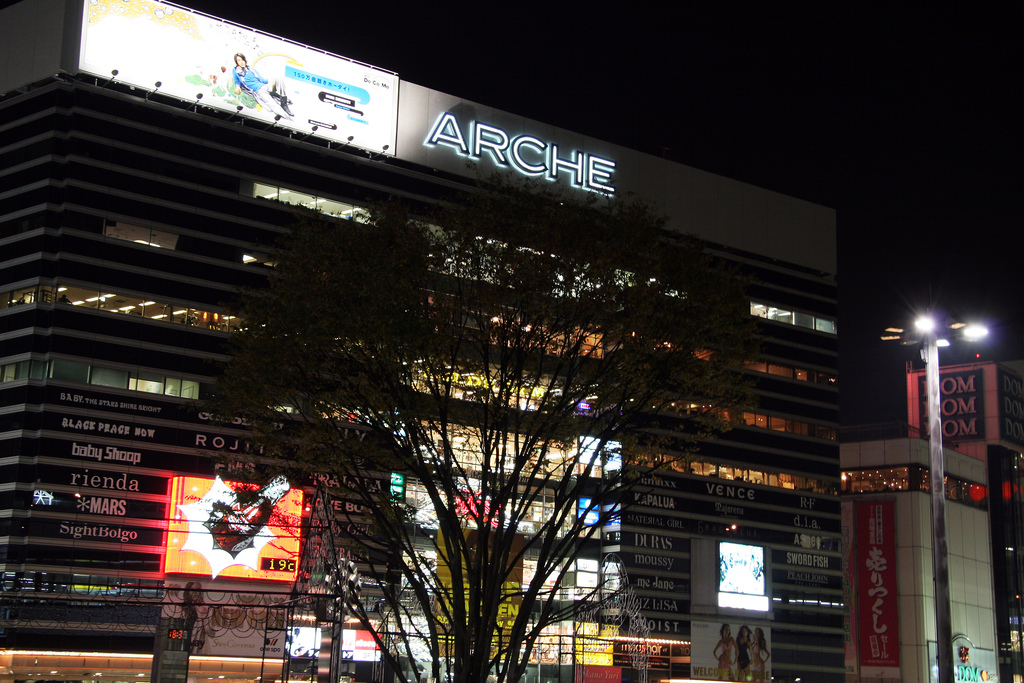
Ōmiya is the undisputed center of Saitama nightlife. It has the highest concentration of izakaya streets, bars, and late-night dining, with enough scale to support everything from casual tachinomi-style drinking to snack bars and hostess venues.
• Busy after-work crowd and weekend groups
• Lots of food-first drinking (yakitori, izakaya classics, ramen to finish)
• Snack bars and adult nightlife exist, but it’s usually not aggressive or “tourist-facing”
• Start with one izakaya for food + beer/highball
• Move for a second drink somewhere smaller
• If you’re curious about snack bars, go only where pricing is clear (or with a Japanese-speaking friend)
Kawaguchi 川口
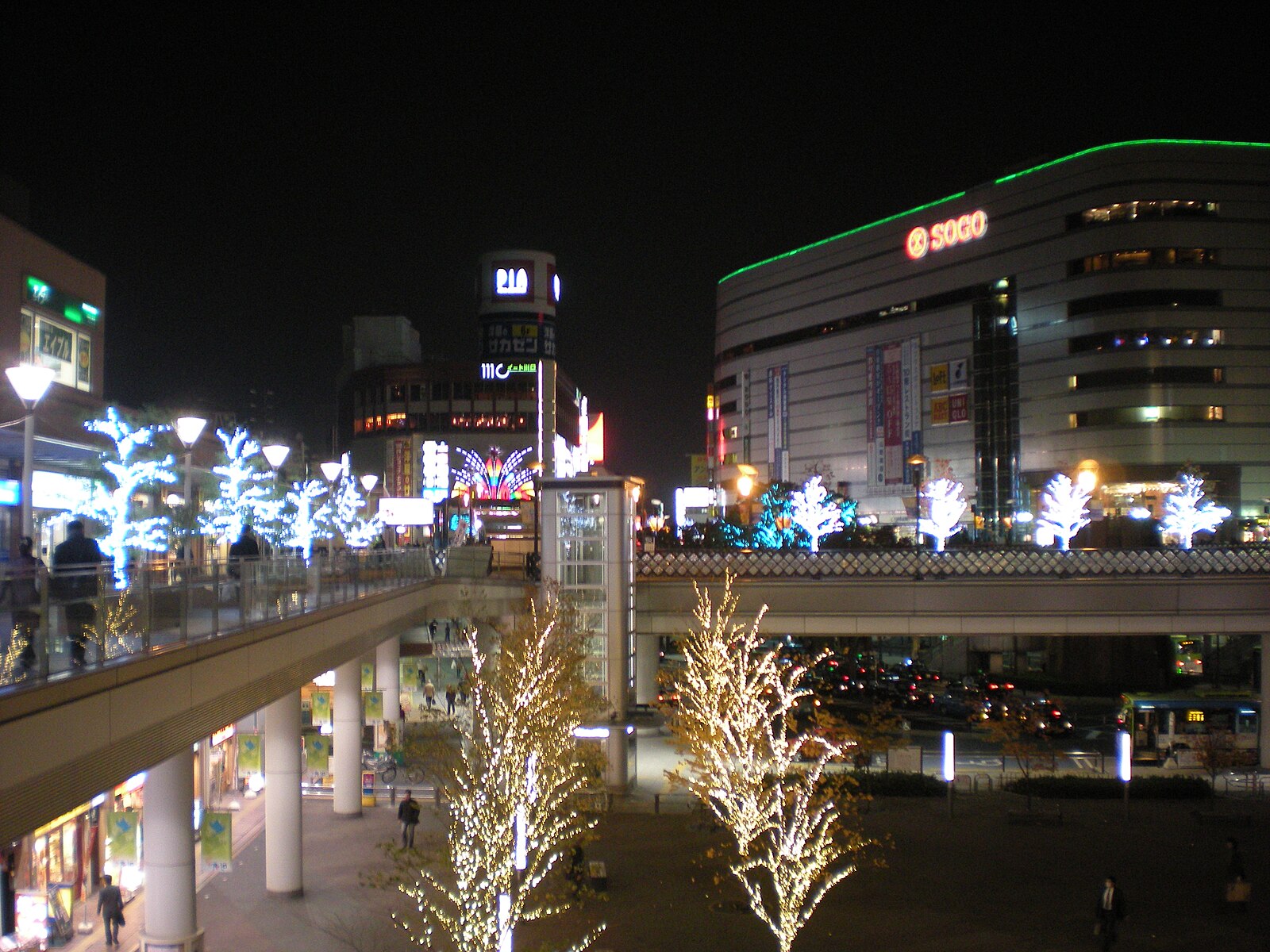
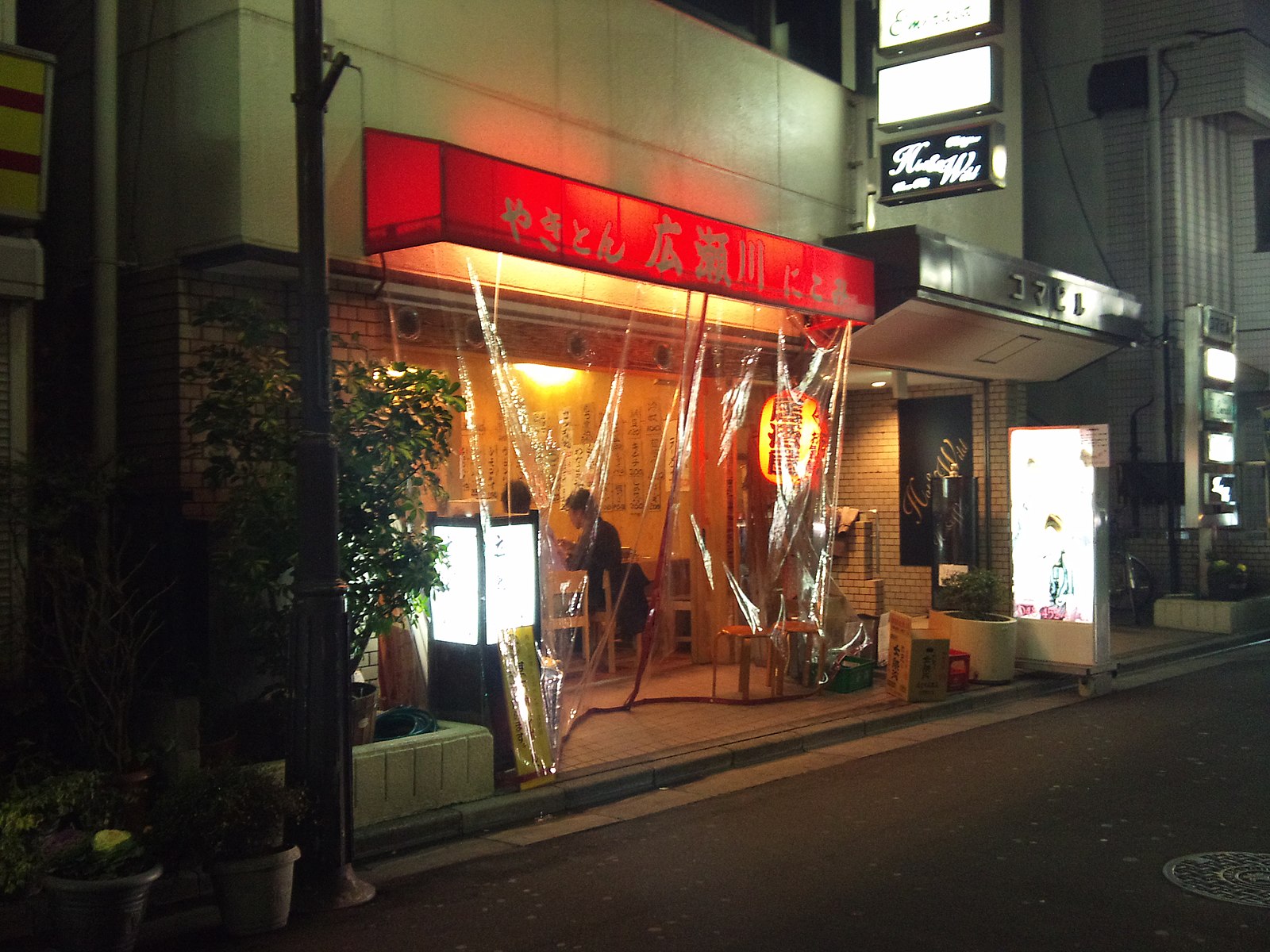
Kawaguchi is a strong “local night out” area right on Tokyo’s edge. It’s not flashy—think hearty food, straightforward bars, and a working-city vibe. For foreigners, it’s a great place to experience everyday Japan without the Tokyo tourism layer.
• Cheap and satisfying izakaya nights
• Neighborhood bars where people actually talk to each other
• A “real Japan” evening if you’re staying nearby
Urawa / Minami-Urawa 浦和・南浦和
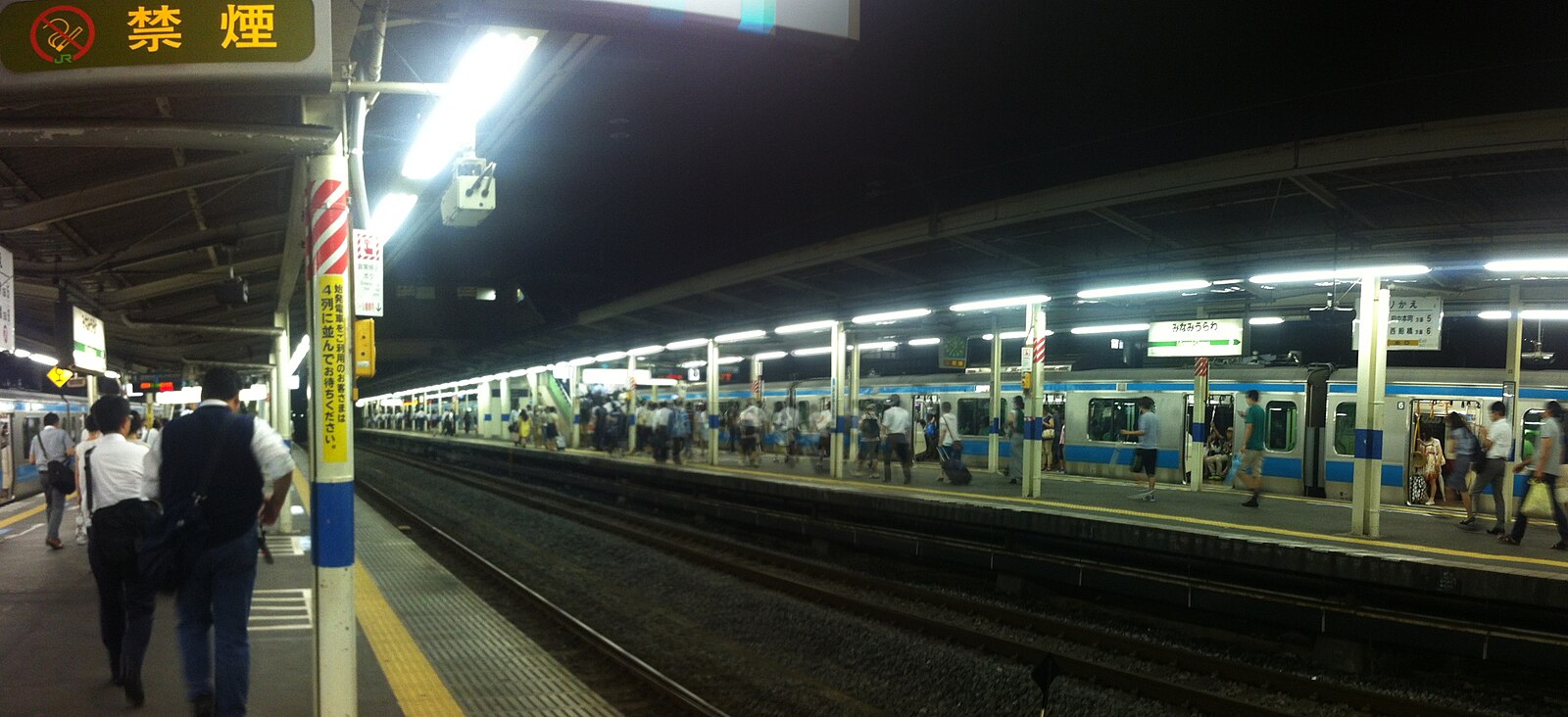
Urawa and Minami-Urawa are more “grown-up” than Ōmiya. Nights here are typically calmer, with strong restaurants, relaxed izakaya, and smaller bars. It’s good for dates, slow drinking, and quality food—less good for bar-crawl chaos.
Urawa’s nights are calm, organized, and quality-focused.
• Polite vibe, earlier finish
• Good food, fewer loud streets
• Snack bars exist, but the core is restaurants + izakaya
Tokorozawa 所沢
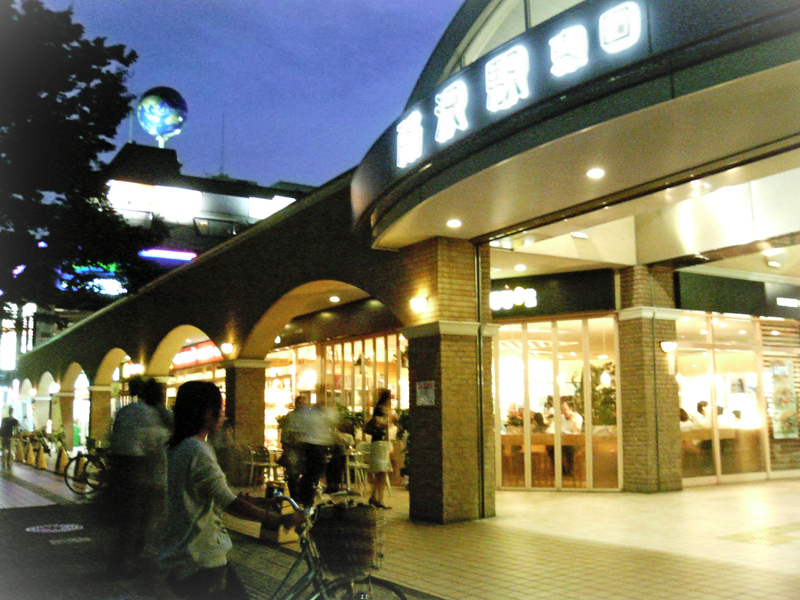
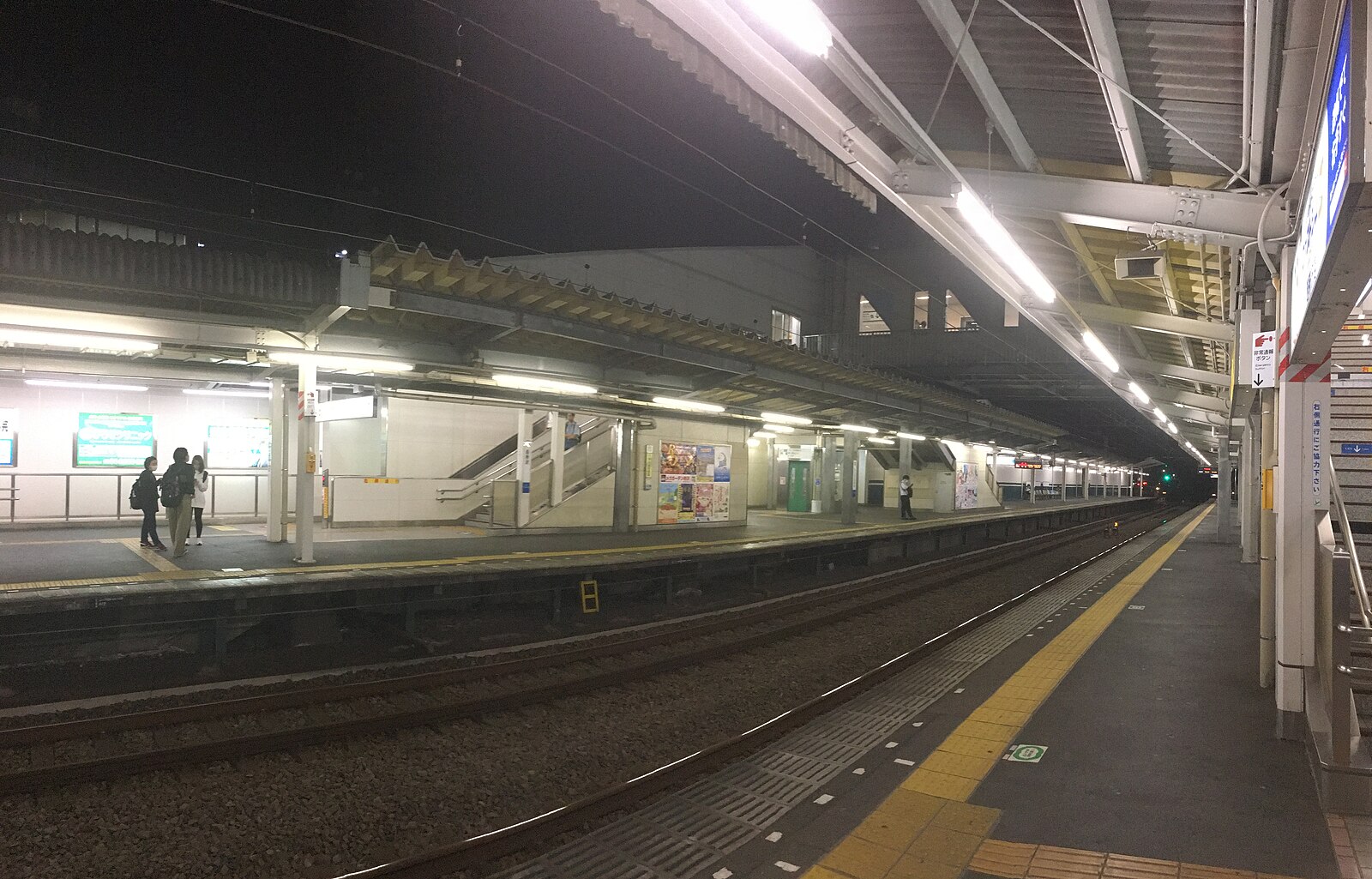
Tokorozawa is a Seibu Line hub with a consistent, compact nightlife scene. It’s ideal if you want a night out that feels “normal Japan”: friendly small spots, casual prices, and a neighborhood rhythm.
• Casual izakaya + one more bar
• Small-group nights without Tokyo crowds
• Travelers staying on the Seibu network (Kawagoe/Chichibu side trips, etc.)
Koshigaya / Shin-Koshigaya 越谷・新越谷
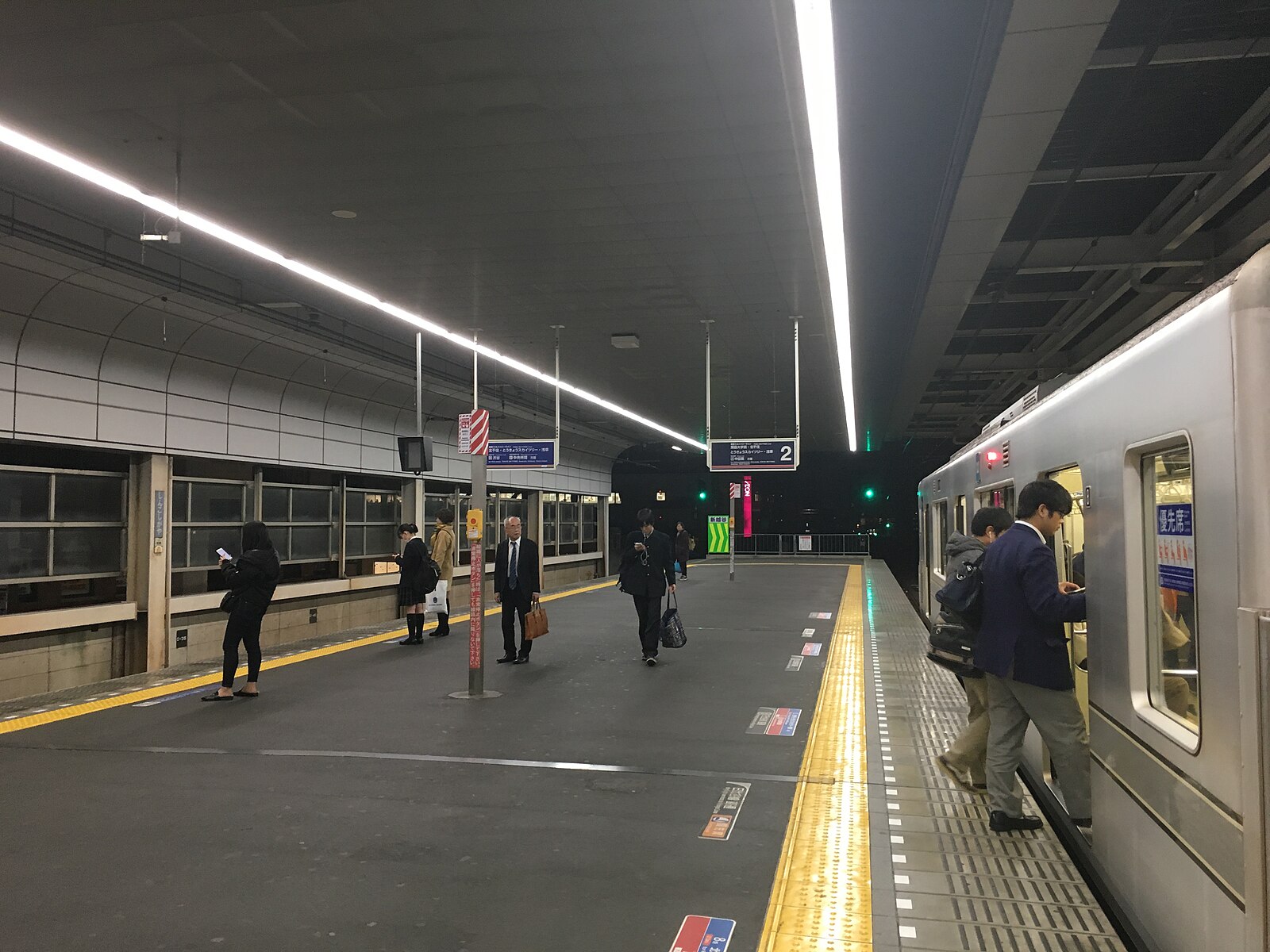
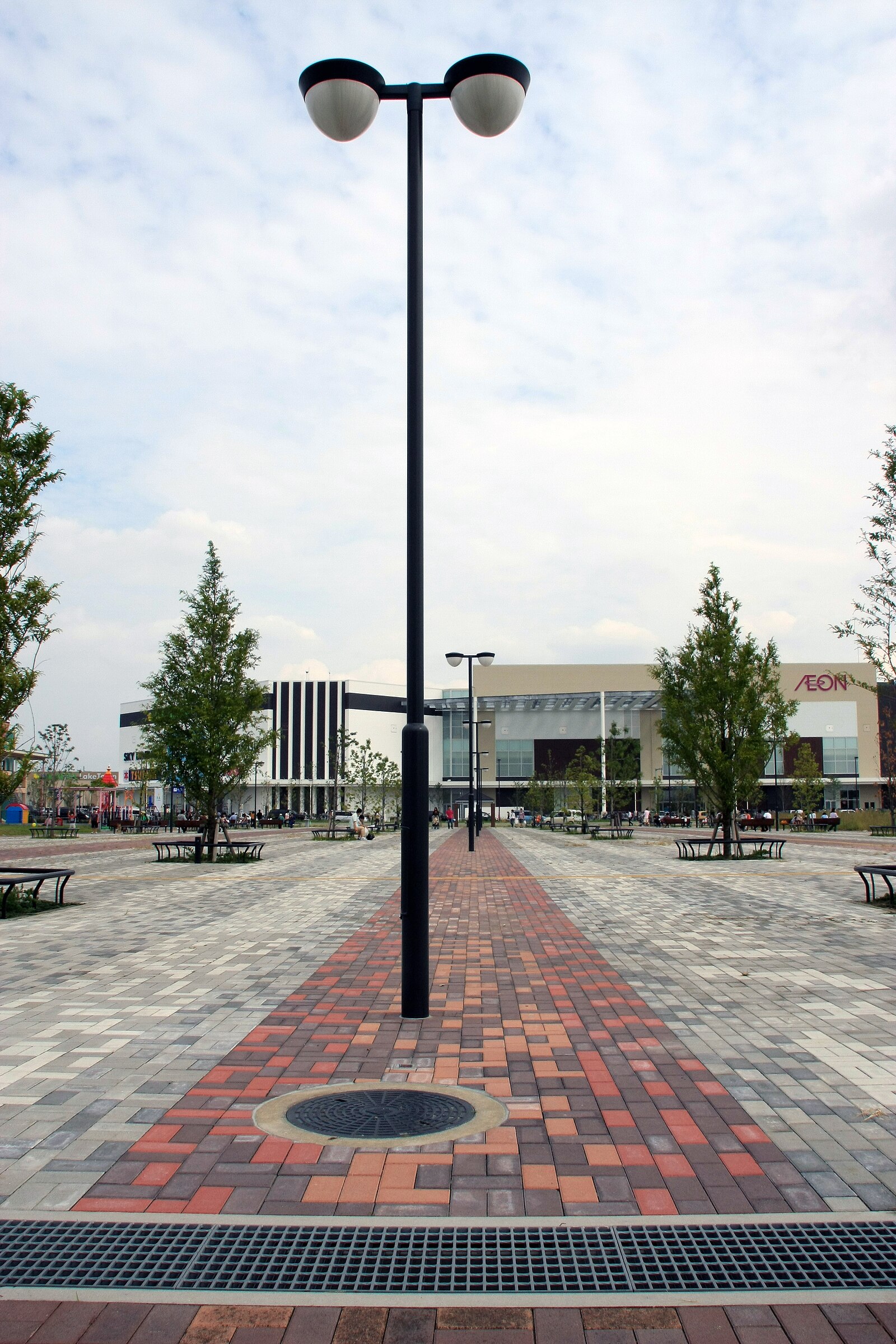
Koshigaya and Shin-Koshigaya are strong local centers for commuter nightlife: izakaya, casual bars, and small late-night food spots near the station. It’s not a tourist area, which is exactly why it can feel refreshingly “real.”
• Straightforward izakaya nights and local bars
• A calm alternative when Tokyo is too loud
• Practical evenings if you’re staying along the Tobu Skytree Line
How to do Saitama nightlife (charges, etiquette, pacing)
• お通し (otoshi): normal at seated izakaya (small appetizer + fee).
• 席料 (seki-ryō): occasional seating charge at bars/wine bars.
• Snack bars may have set fees, karaoke fees, or drink minimums — confirm first.
チャージありますか? (Is there a charge?)
だいたいいくらですか? (About how much will it be?)
• Food first, then drinks (don’t treat izakaya like a bar-only space).
• One or two stops is normal; five stops is “Tokyo behavior.”
• If it’s small and packed, one drink then move—good etiquette in commuter towns.