Overview: how Shibuya works
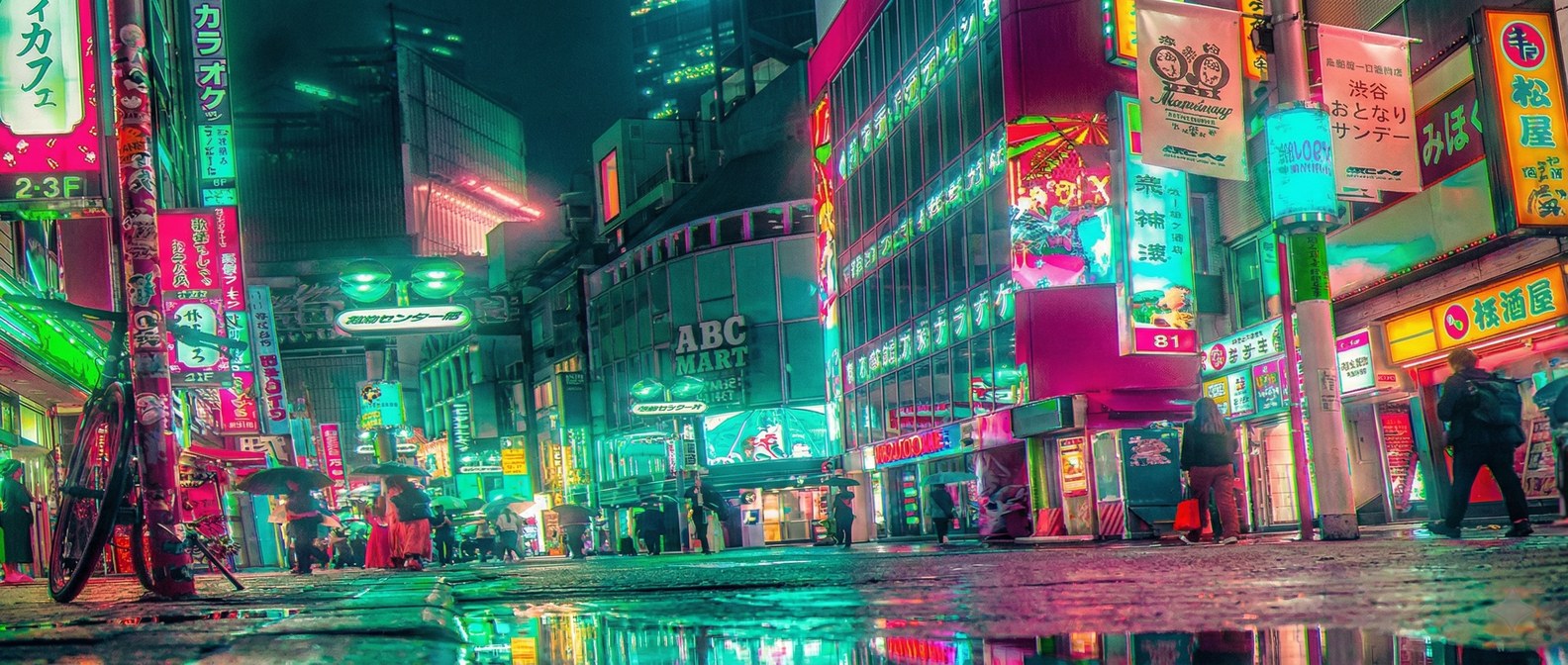
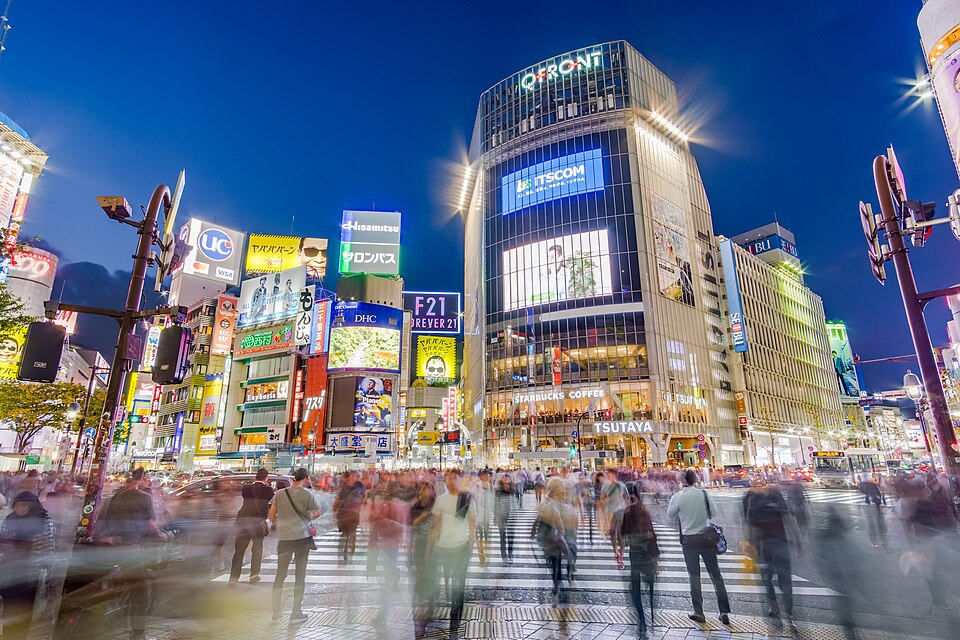
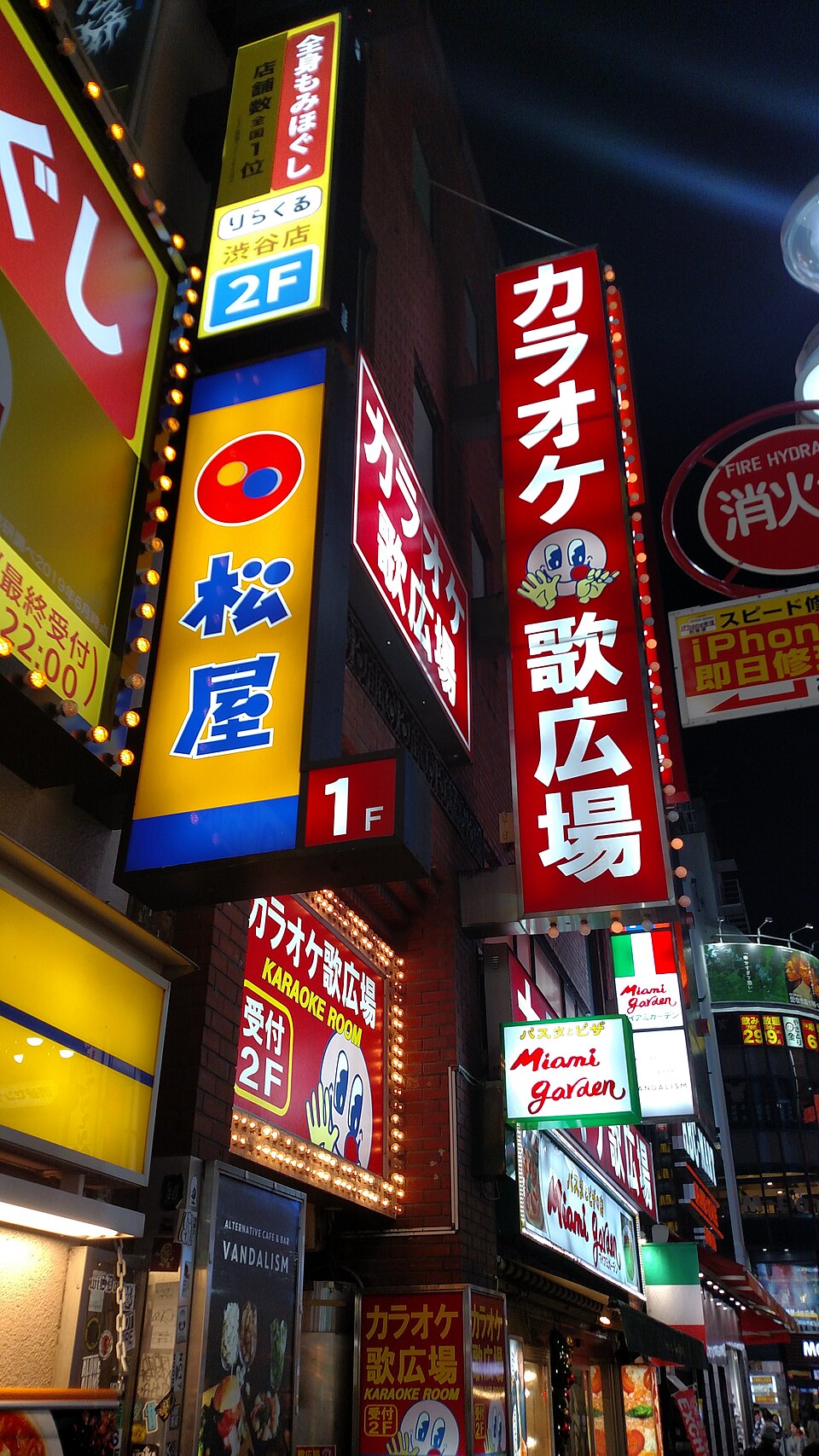
Shibuya is not one nightlife street — it’s a set of zones around the station core that change personality every few blocks. The “deep” Shibuya experience comes from switching scale: you start in the big public chaos, then drop into tighter streets, then (optionally) go club-late.
Peak hours: 20:00–02:00 (bars), 23:00–04:30 (clubs).
Deep Tokyo shortcut: Do the crossing once, then escape into an alley (Nonbei) or a backstreet bar.
Station Area - Scramble Crossing / Hachikō 渋谷駅周辺
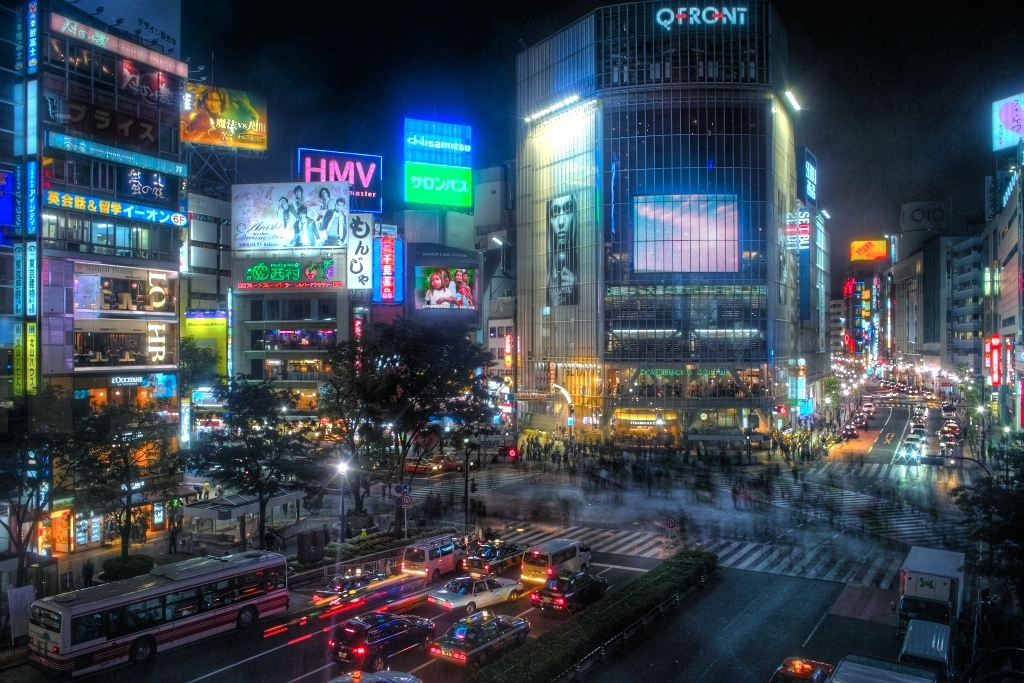
This is the world-famous core: Hachikō, the crossing, the big screens, and the highest density of “let’s meet here” energy. It’s essential for orientation, but it’s not where the most interesting drinking happens.
Don’t do this: Don’t waste the whole night here — move 5–10 minutes away for better atmosphere.
Center Gai センター街
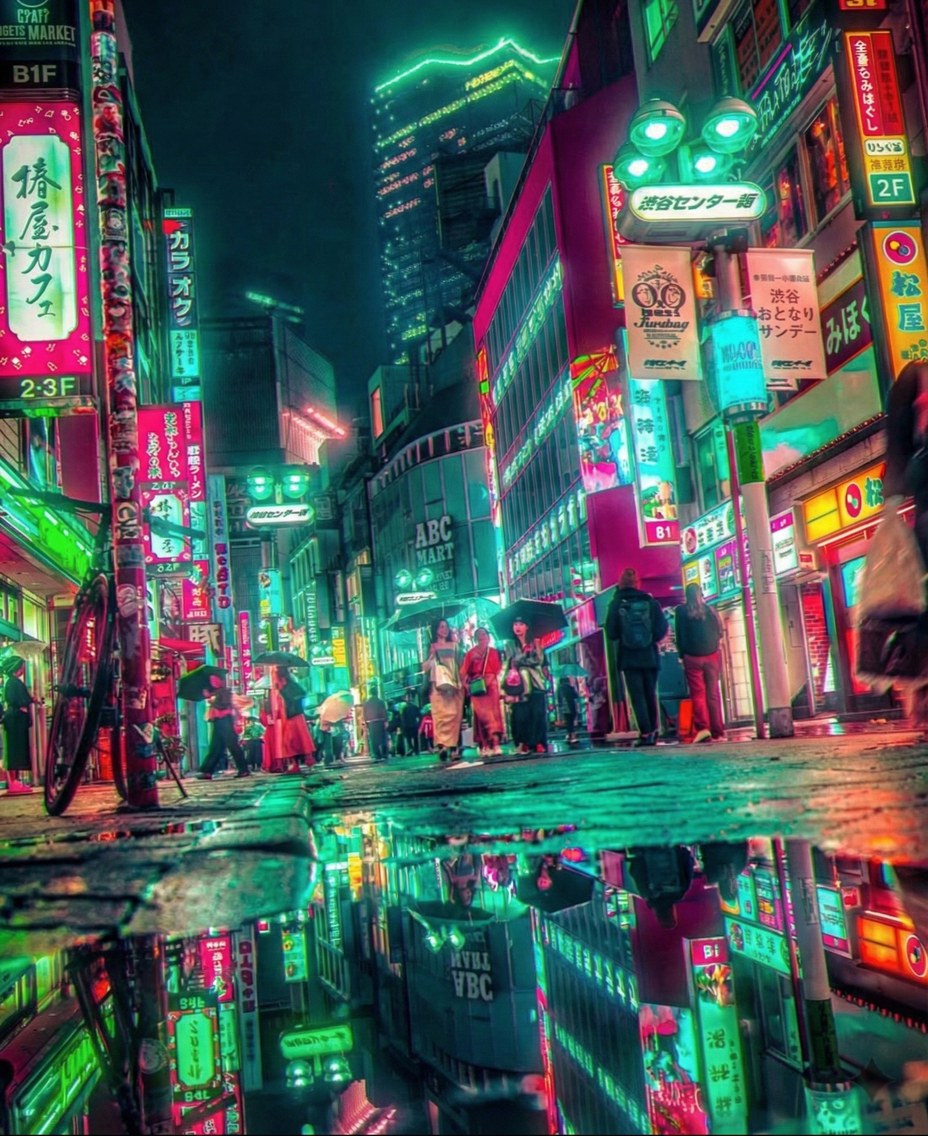
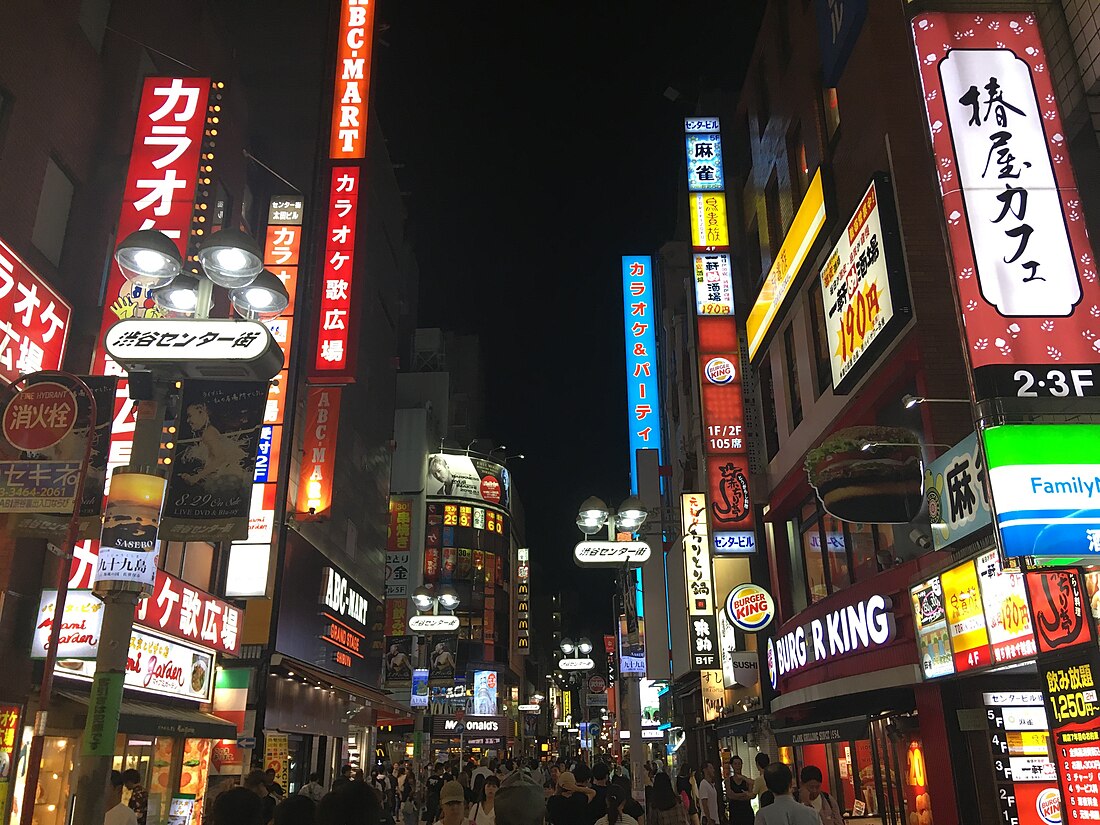
Center Gai is Shibuya’s youth corridor: loud, crowded, high turnover, and packed with casual options. It’s great if you want the “Shibuya vibe” more than a carefully curated drink.
What to expect: Lines, noise, and a lot of “second-floor venues.”
How to do it: Treat it as a transit zone: stop once, then move deeper to Dōgenzaka or Nonbei.
Dōgenzaka & Maruyamachō 道玄坂・円山町
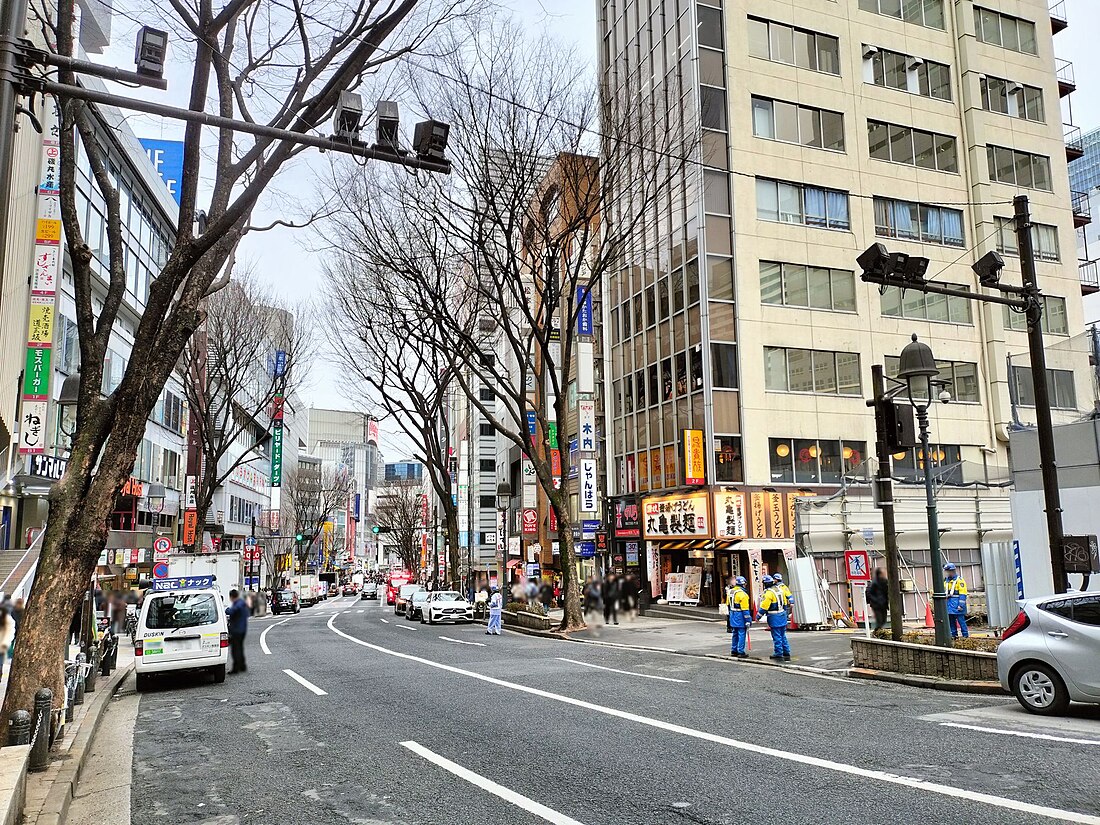
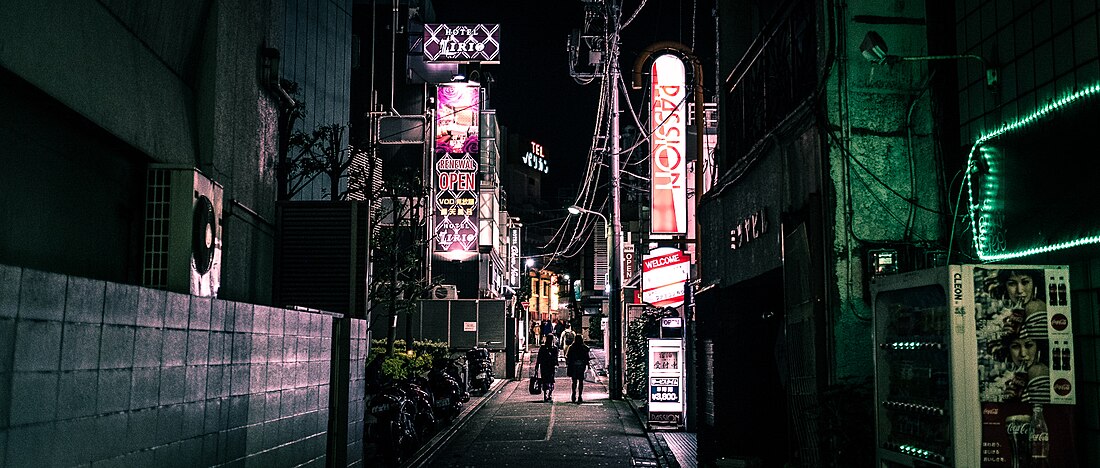
Dōgenzaka is where Shibuya becomes “nightlife district” rather than “crowd district.” You’ll find clubs, DJ bars, late-night izakaya, and the kind of places that start at 22:00 and peak after midnight. Maruyamachō (nearby) is edgier and more adult-coded — know what you’re walking into.
How to do it: Eat first (or at least snack) before the late shift — Shibuya nights run long.
Entry strategy: Pick one anchor venue (club or DJ bar), then freestyle around it.
Nonbei Yokochō (Drunkard's Alley) のんべい横丁
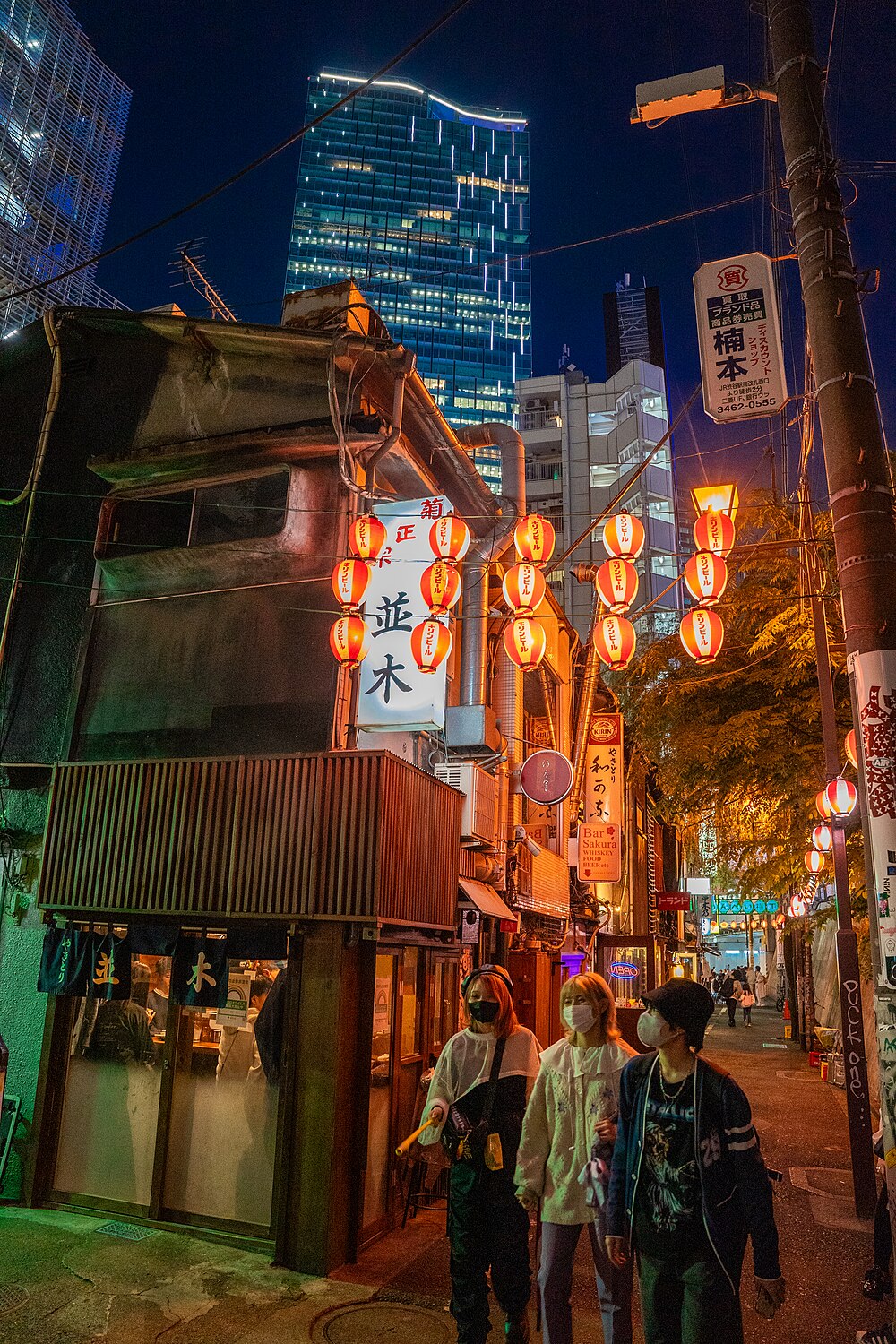
Nonbei Yokochō is the deep Shibuya moment: a tiny alley of micro-izakaya and kiosk-sized bars beside the tracks. This is Shibuya without the screens — intimate, retro, and very “real Tokyo.”
Go small-group. Order quickly. One drink, one vibe, then rotate.
How to enter: 1–2 people is easiest. 3 is okay. 4+ gets hard.
How long to stay: 30–75 minutes is normal. Small places depend on flow.
Sakuragaoka / South Side 桜丘町・南側
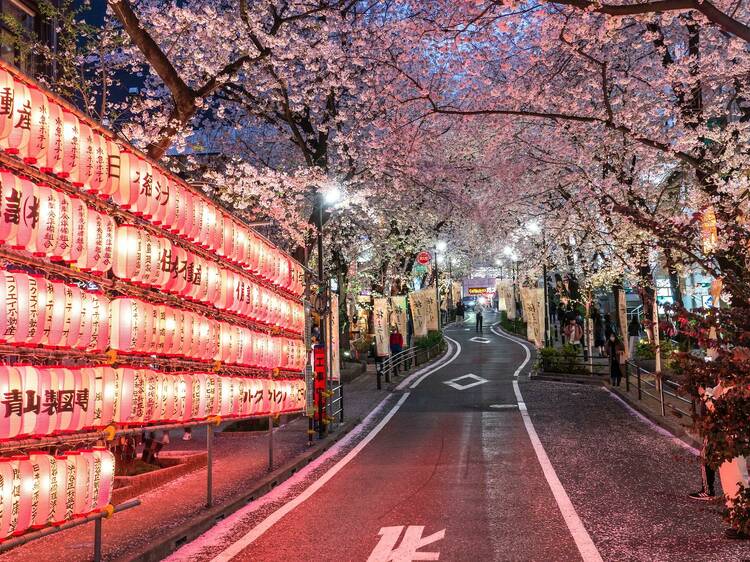
The south side (Sakuragaoka and adjacent pockets) tends to feel slightly calmer than the Center Gai / Dōgenzaka axis. It’s useful when you want to keep Shibuya energy but reduce the crowd pressure — especially for a “reset drink” or a quieter end-of-night conversation.
How to use it: After a loud zone, cross to the south side before deciding your next move.
How to do Shibuya (charges, etiquette, clubbing basics)
Shibuya is easy to enter and easy to overspend in — the trick is learning the basic systems and keeping your night smooth.
• チャージ (charge): seat fee / cover (common in bars).
• お通し (otoshi): small starter you pay for at izakaya (normal, not a scam).
• サービス料 (service charge): sometimes a % in nightlife-type venues.
1) Eat something small first (or at least a snack).
2) Start with a bar / DJ bar around Dōgenzaka.
3) Move to the club after 23:00 when the room has energy.
4) Finish with water + a late bite (don’t “disappear hungry” at 4am).