Overview: how Shikoku nights work
Shikoku nightlife isn’t about mega-districts — it’s about dense, walkable downtown cores where you can eat well, drink steadily, and feel like a regular quickly. The best Shikoku nights are “one great izakaya + one bar” rather than long crawls.
Not about: Huge clubs, all-night neon districts, tourist-focused party streets.
Peak hours: 18:00–23:30 (later pockets exist, but many nights finish earlier than big cities).
Matsuyama (Ehime) 松山(愛媛)
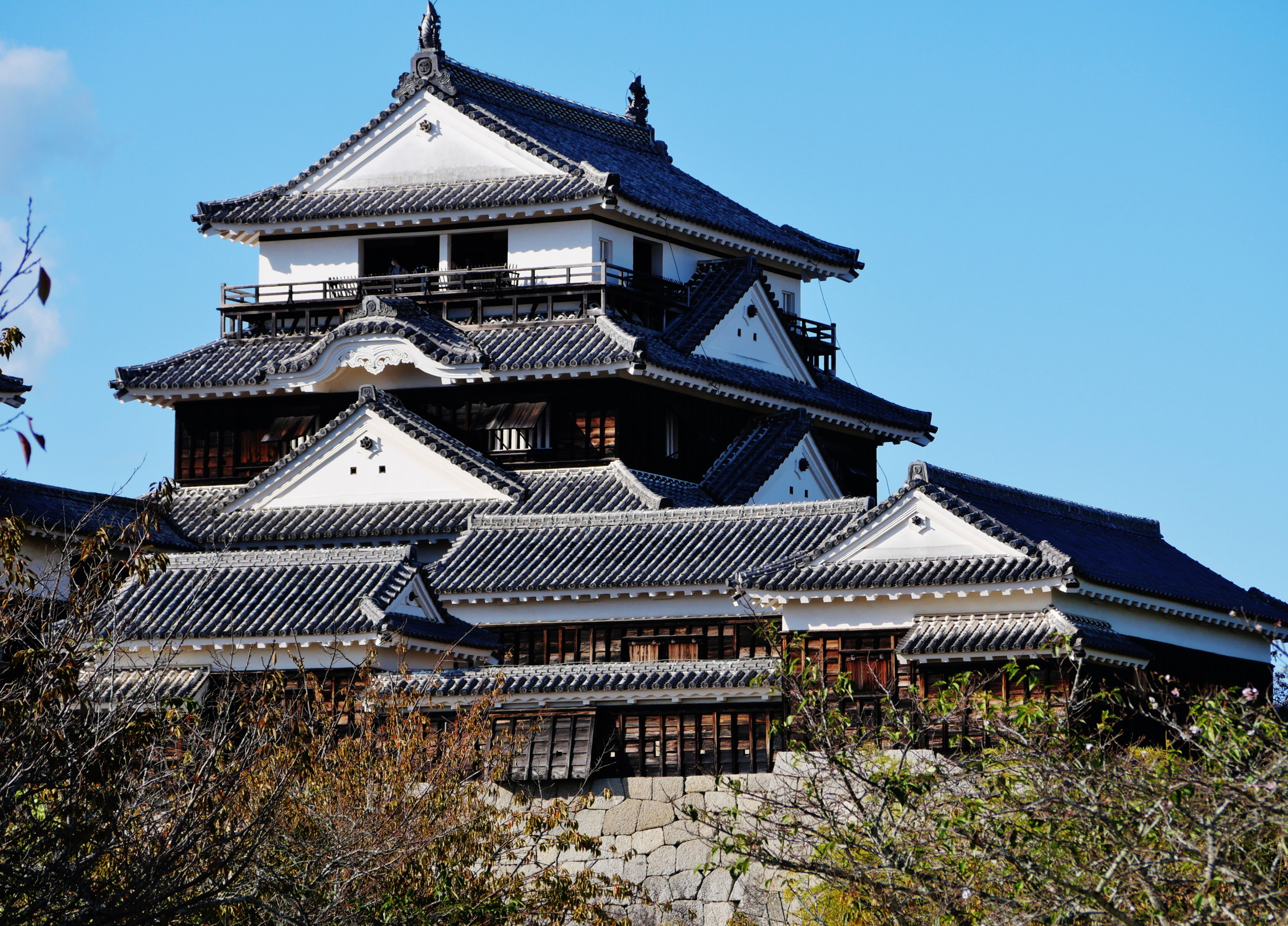
Matsuyama is Shikoku’s best-known nightlife city, with an easy downtown and lots of dining-led drinking. The main bar/izakaya energy concentrates around central streets near the tram routes. Nights feel friendly, practical, and unforced.
Best for: Relaxed bar streets, local dishes, casual groups, conversation nights.
Vibe: Warm, steady, “regulars” culture without being closed-off.
Kōchi 高知
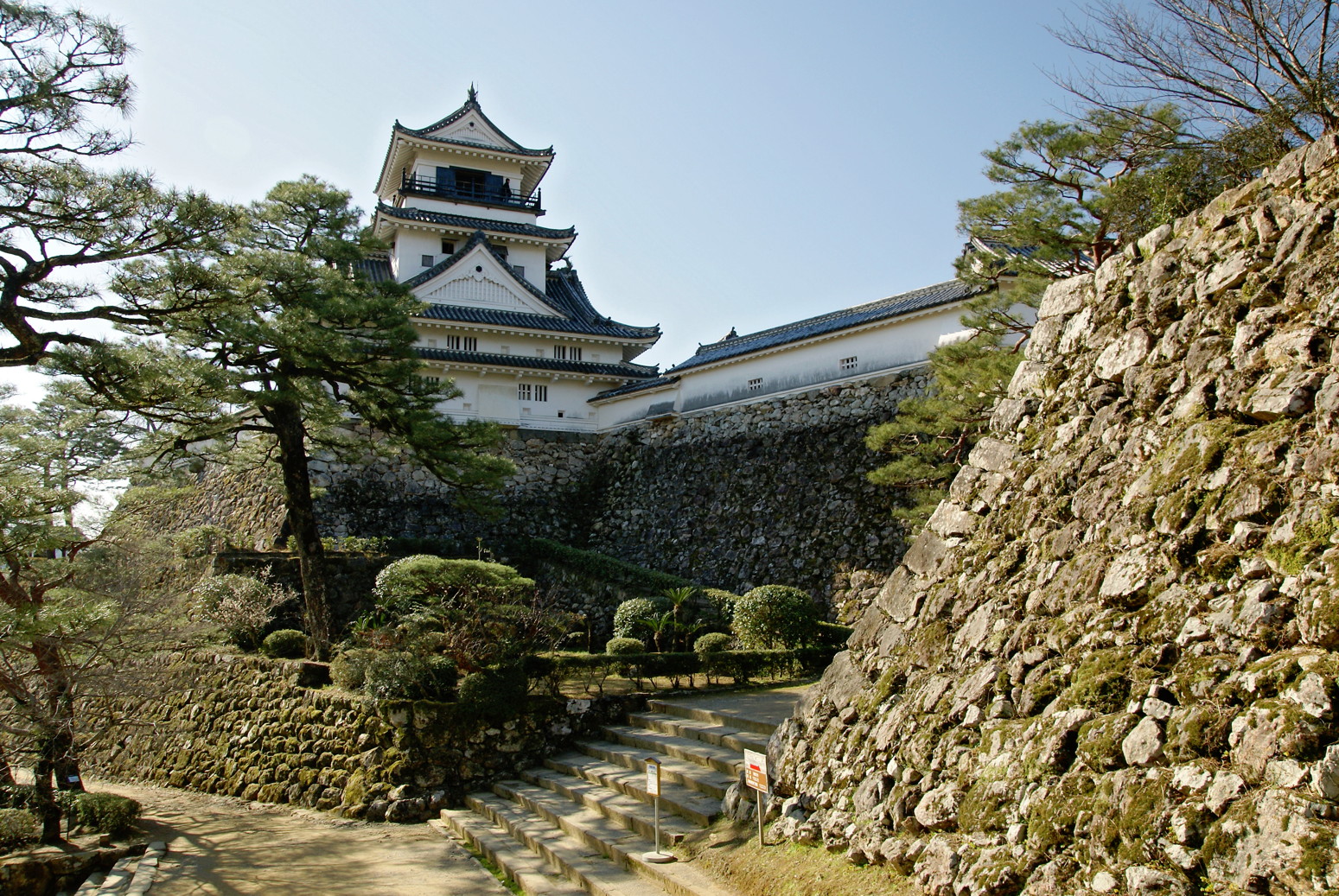
Kōchi is one of Japan’s most welcoming drinking towns. Nights here often feel social even for visitors: you’ll see groups sharing food, making toasts, and moving with a comfortable rhythm. Expect downtown pockets of izakaya and small bars rather than a single giant district.
Best for: Meeting locals, energetic izakaya culture, food-driven drinking.
Vibe: Open, lively, warm — without big-city edge.
Takamatsu (Kagawa) 高松(香川)
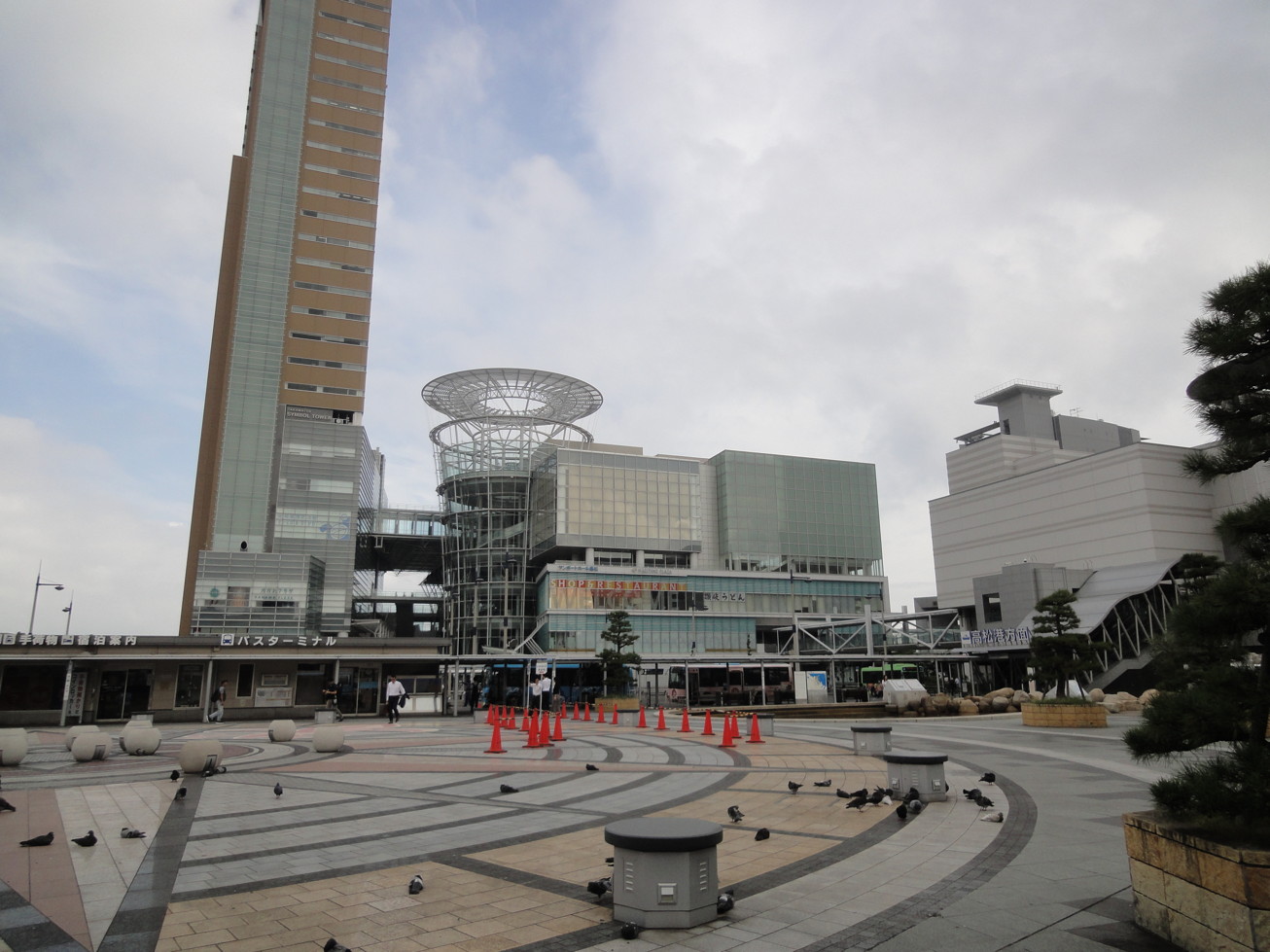
Takamatsu is a transport hub (ferries, trains) and it feels like it at night: an efficient, walkable core with plenty of izakaya, casual bars, and late eats. The vibe is “easy night out” rather than “destination party.”
Best for: Casual izakaya hopping, night food, groups, low-stress nights.
How to do it: Start with udon earlier in the day, then do a dinner izakaya + bar at night.
Tokushima 徳島
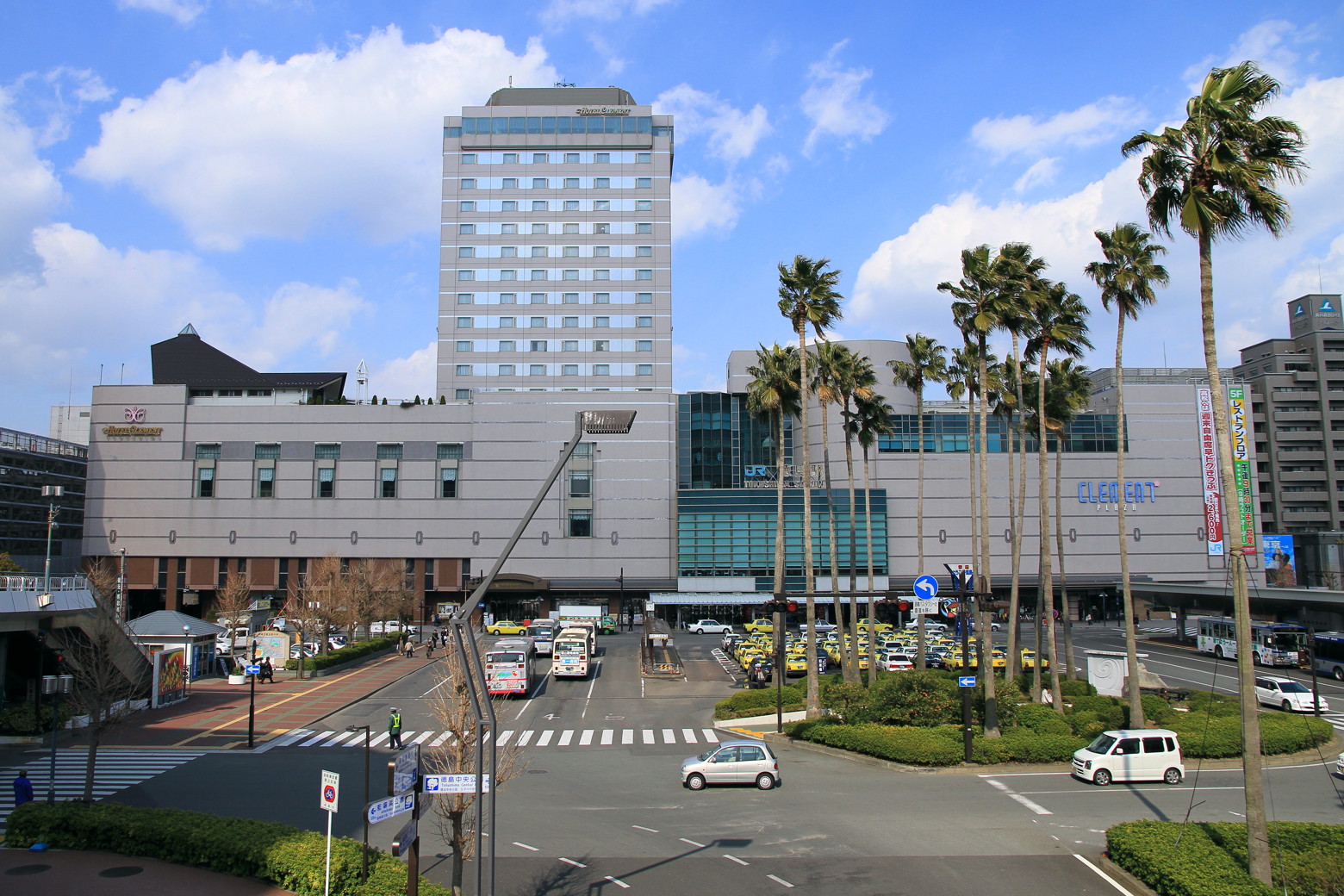
Tokushima nightlife is compact and practical, with izakaya, small bars, and local eating spots concentrated in a manageable downtown. If you like “quiet city + good food + steady drinks,” this is the lane.
How to do it: Choose one solid place and settle in; then add one second stop if you want.
Vibe: Calm, neighborly, unshowy.
How to do Shikoku
Shikoku nights work best with a simple structure: eat properly → drink steadily → finish clean. Big-city “hunt for the best bar” energy can feel out of place here.
• お通し (otoshi): common at seated izakaya.
• チャージ (charge): sometimes at small bars — ask before sitting.
• Snack/karaoke-style bars may have set fees — confirm pricing clearly first.
チャージありますか? (Is there a charge?)
だいたいいくらですか? (About how much will it be?)
• Many downtowns are walkable — taxis are for “end of night” not “between stops.”
• Last trains and bus schedules matter more than in Tokyo (routes are fewer).
• English support varies: pointing + simple Japanese is enough when you’re polite.