Overview: how west-side nightlife works
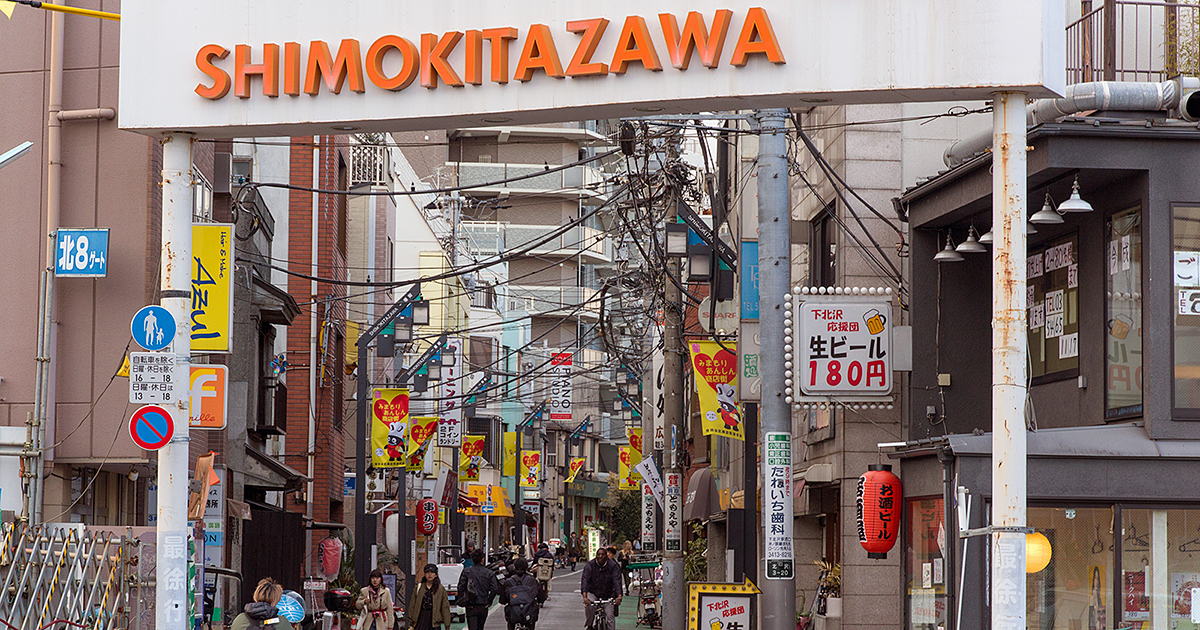
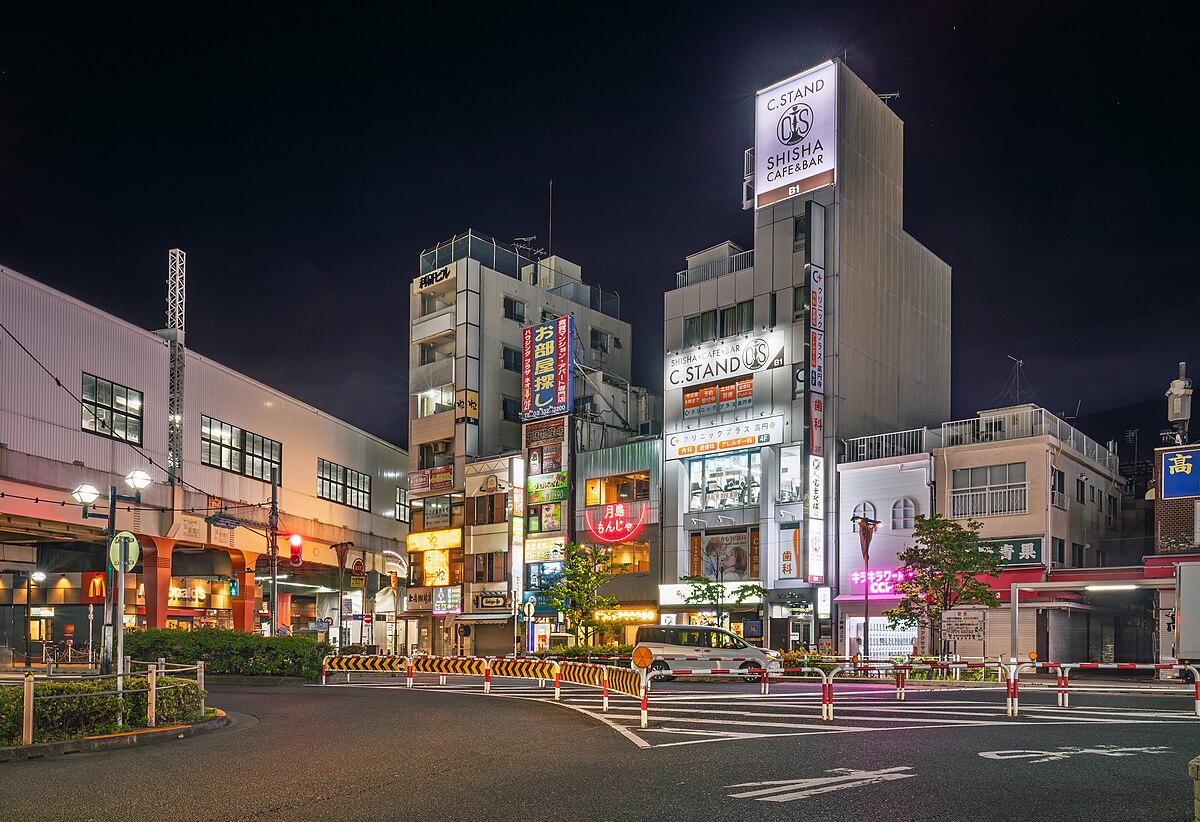
Shimokitazawa, Kōenji, Nakano, and Kichijōji form Tokyo’s west-side cultural belt. Nightlife here is intimate and expressive: live houses, vinyl bars, tiny izakaya, and streets that feel like neighborhoods first and destinations second.
Not about: Big clubs, dress codes, tourist nightlife circuits.
Peak hours: 19:00–24:00 (late pockets exist, but energy starts earlier).
Shimokitazawa 下北沢
Shimokitazawa (“Shimokita”) is built around live houses, indie bars, thrift culture, and casual late-night cafés. Nights are informal and exploratory — you wander, listen for sound, and follow the crowd into basements and upstairs rooms.
How to do it: Check live house posters, then add a bar nearby.
Atmosphere: Creative, youthful, slightly chaotic.
Kōenji 高円寺
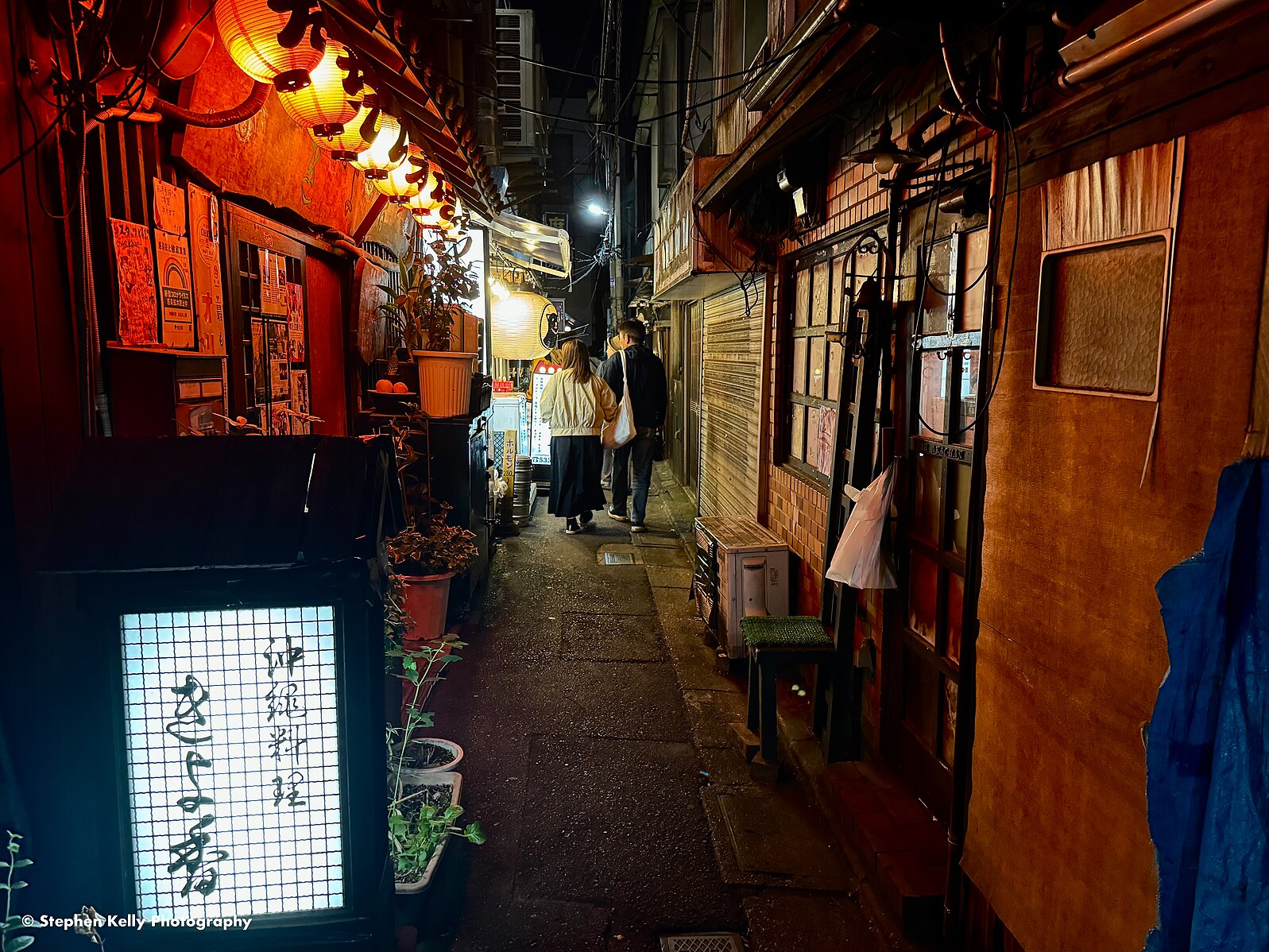
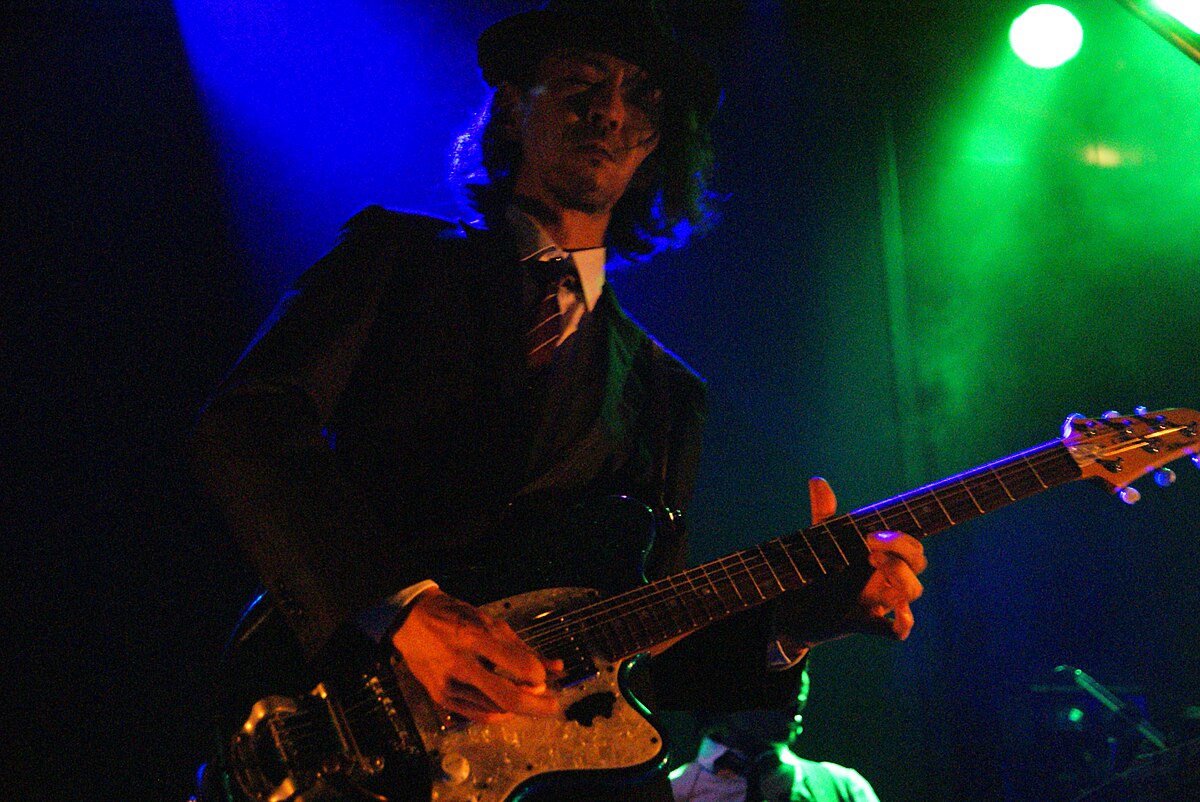
Kōenji is raw Tokyo. Tiny bars, standing izakaya, punk venues, and experimental music create one of the city’s most concentrated nightlife ecosystems. It’s not curated — it’s lived.
How to do it: Small groups, flexible plans, follow noise and laughter.
Energy: High, loud, welcoming if you respect the space.
Nakano 中野
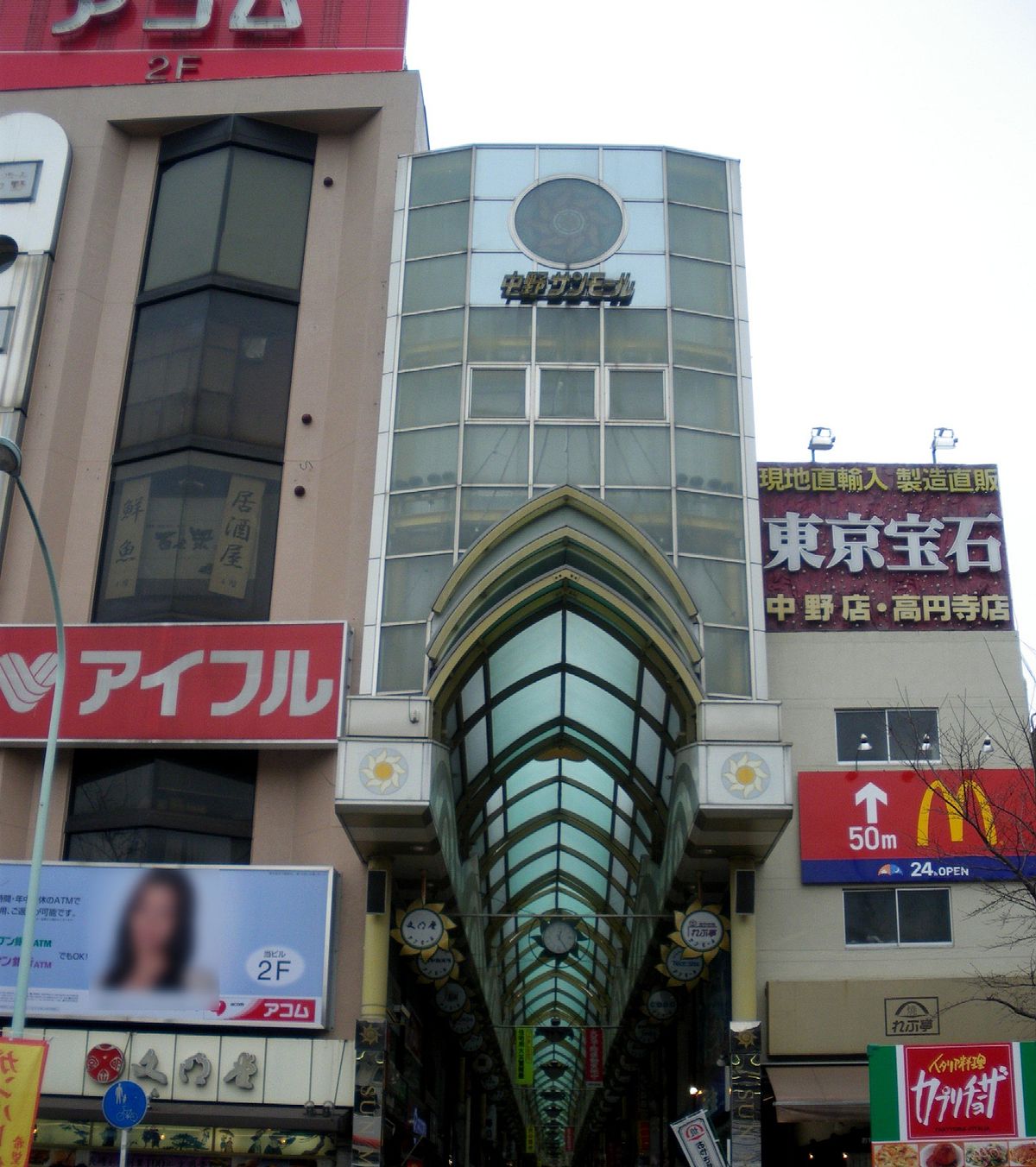
Nakano blends subculture with serious drinking. Around Nakano Station you’ll find classic izakaya clusters, late-night eateries, and bars that feel built for regulars.
How to do it: Eat first, then drink — many places expect food orders.
Atmosphere: Practical, social, low-frills.
Kichijōji 吉祥寺
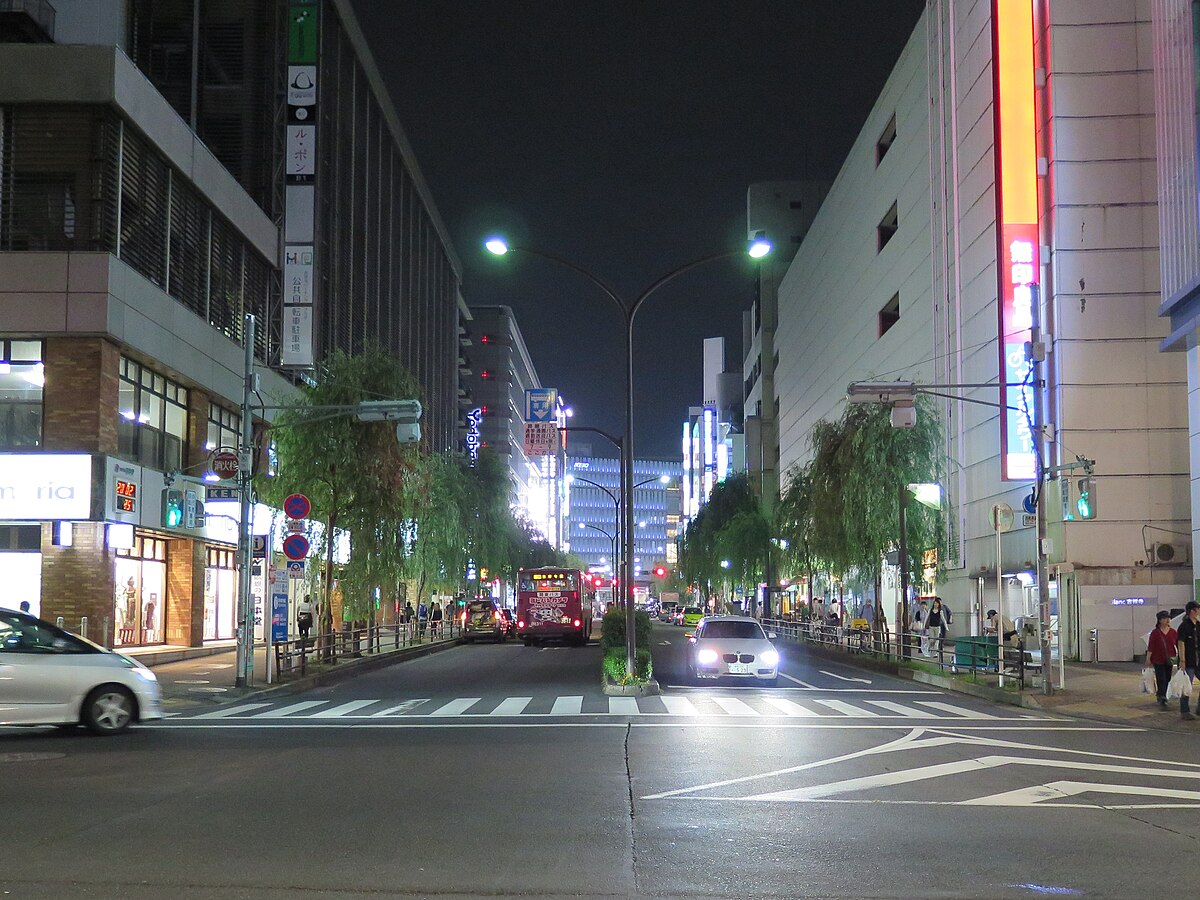
Kichijōji consistently ranks as one of Tokyo’s most desirable places to live, and its nightlife reflects that balance. You’ll find excellent izakaya, cocktail bars, and music spots without the pressure of trendiness.
How to do it: Start near the station, then drift outward.
Energy: Social, friendly, unpretentious.
How to do west-side Tokyo
These areas run on community rules more than nightlife spectacle. Understanding the basics keeps nights smooth.
• お通し (otoshi): common at seated izakaya.
• Live houses: door + drink ticket is standard.
• Standing bars usually have no charge.
• One or two drinks per stop is normal.
• Respect capacity — leave when it’s packed.
• Don’t rush to the “best” place; discovery is the point.