Overview: how Tohoku nights work
Tohoku nightlife is less about massive districts and more about dense, walkable downtown pockets. The energy is food-led and practical: great local dishes, straightforward bars, and “regulars” culture. If you approach it with respect (and warmth — literally), it becomes one of Japan’s most rewarding regions to drink in.
Not about: Big-club circuits, international party crowds, “neon spectacle” districts.
Peak hours: 18:00–23:30 (late pockets exist, but many nights end earlier than Tokyo/Osaka).
Sendai (Miyagi) 仙台(宮城)
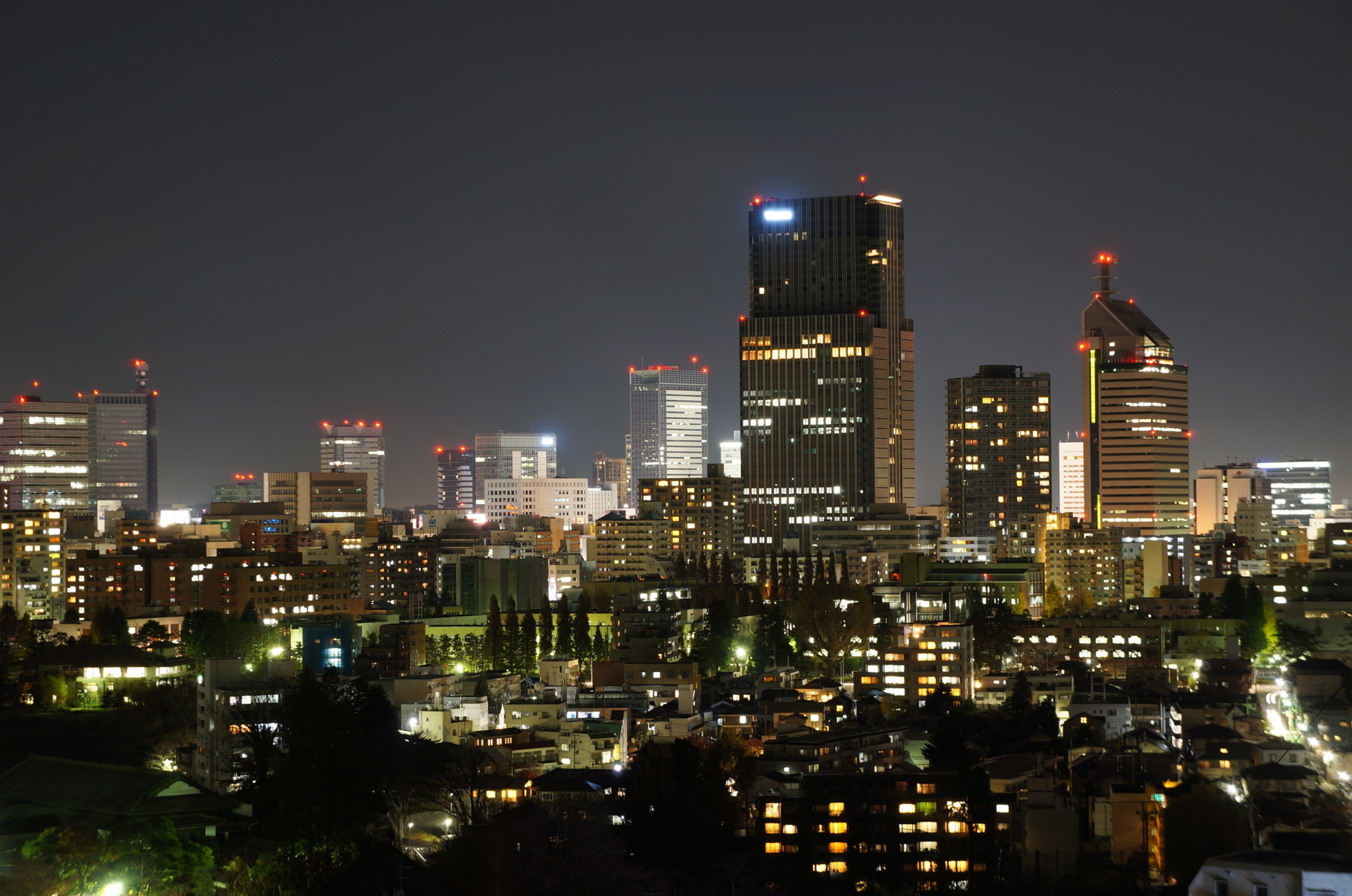
Sendai is the natural base for a Tohoku nightlife trip. The main drinking zone is centered on Kokubunchō (国分町), a dense grid of bars, izakaya, and late-night eateries. Nights are social but not chaotic — more “eat well, drink well” than “party hard.”
What to do: Dinner (gyūtan / seafood) → izakaya → one small bar/snack (only if pricing is clear).
Vibe: Friendly, grown-up, food-first.
Aomori 青森
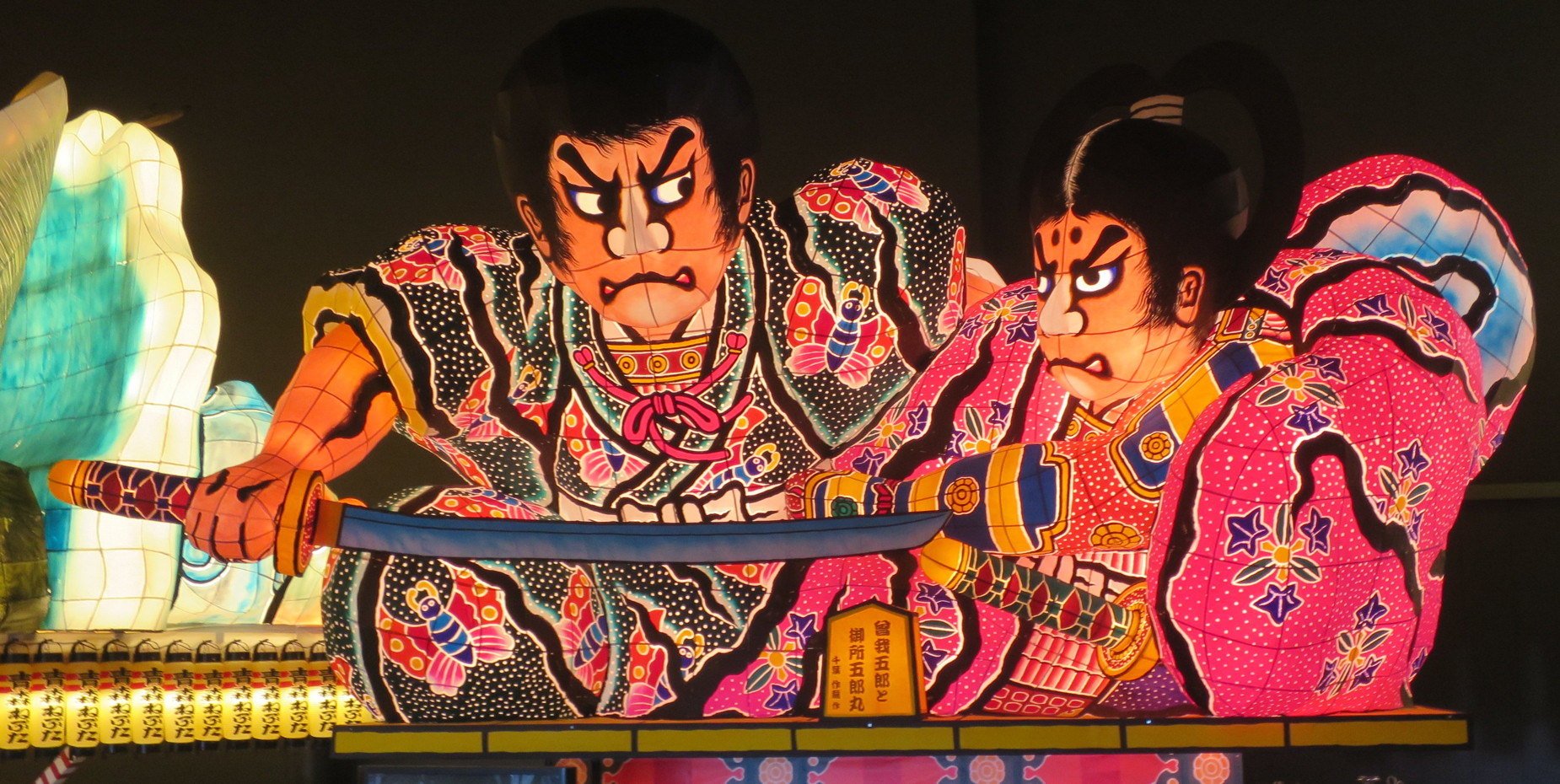
Aomori nights are intimate and strongly seasonal. Downtown pockets near the station are walkable, with izakaya and small bars that feel local immediately. If you’re visiting during festival season, the city’s energy flips into a different gear — but even off-season, the drinking culture stays warm.
Best for: Seafood + sake, local izakaya, relaxed bar hopping.
How to do it: One strong izakaya + one small bar is usually the perfect night.
Morioka (Iwate) 盛岡(岩手)
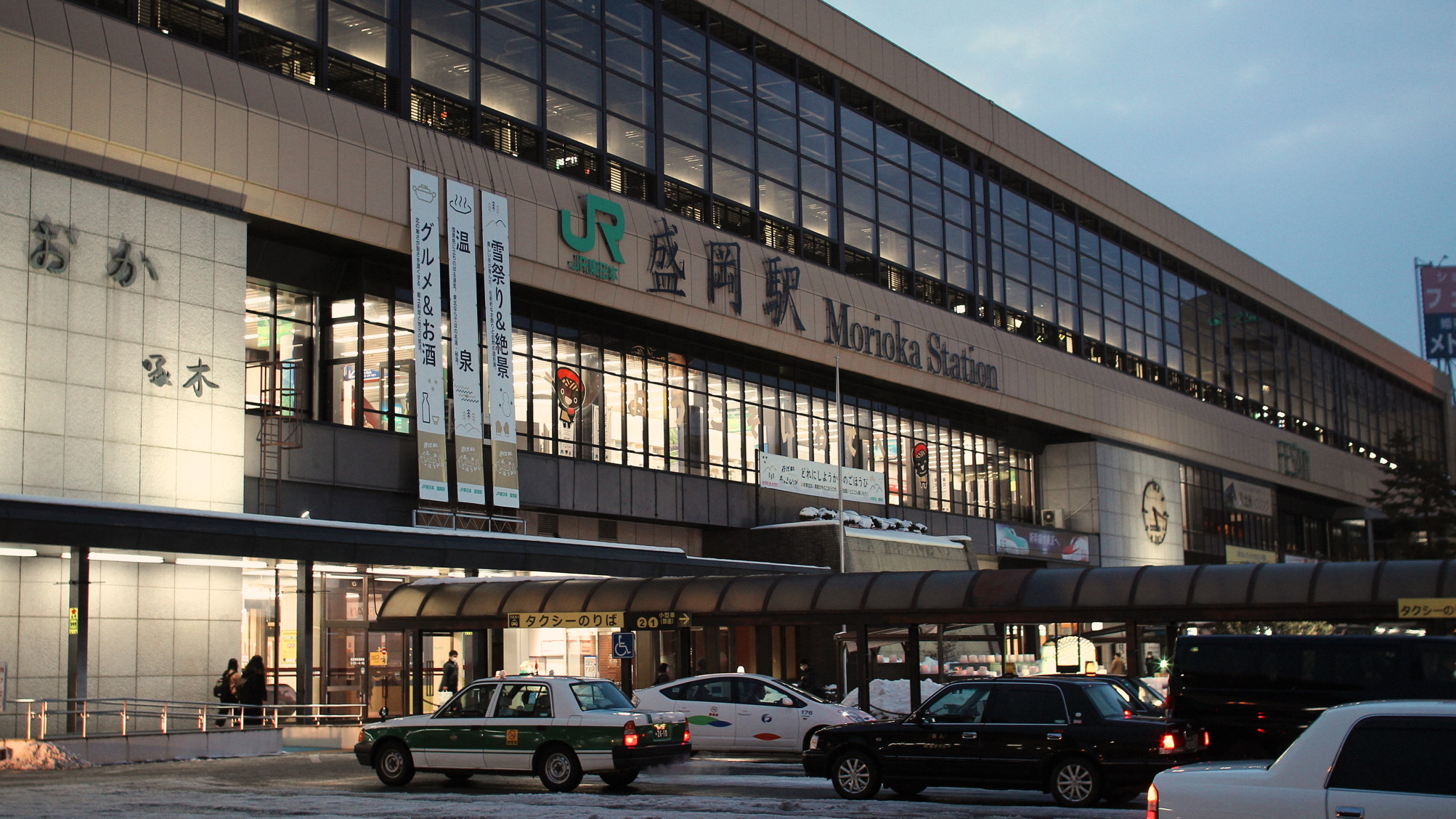
Morioka nightlife is calm, steady, and local. Expect izakaya, small bars, and a city that drinks like a community rather than a destination. It’s a great stop when you want a “real Japan” evening.
How to do it: Eat properly first, then add one bar — fewer stops, better night.
Energy: Low-key, friendly, unflashy.
Tōno 遠野(岩手)
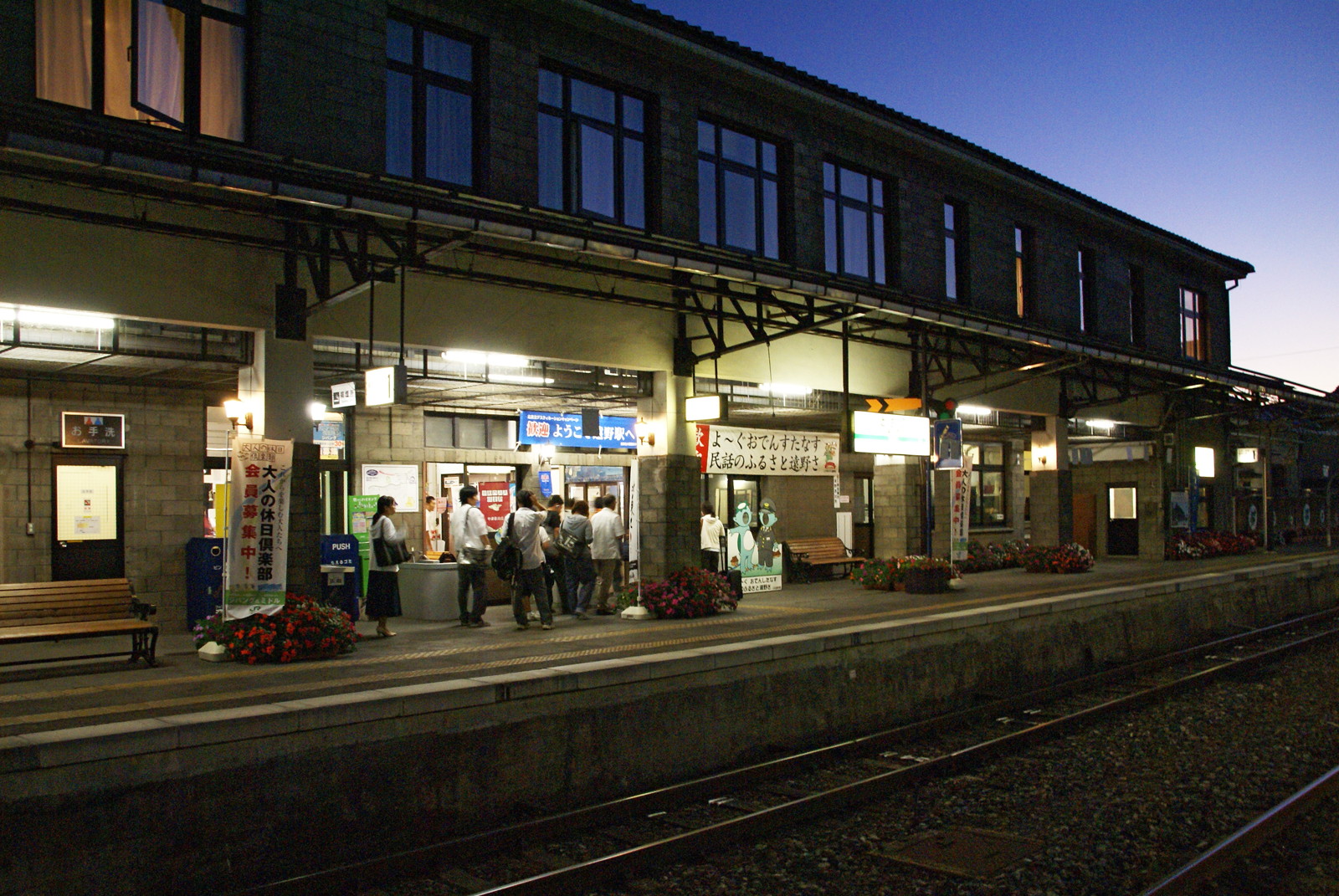
Tōno is not a nightlife destination in the usual sense. It’s a folklore town—famous for Tōno Monogatari, kappā legends, and rural Iwate culture— and its nights reflect that rhythm. Drinking here is local, slow, and intimate, centered on small izakaya, snack bars, and ryokan-style evening routines rather than bar districts.
Not about: Bar hopping, late-night crowds, clubs, or “destination nightlife.”
Peak hours: 18:00–21:30 (many places close early).
Where nightlife actually happens
Most evening drinking in Tōno happens in:
- Around Tōno Station — small izakaya and casual eateries used by locals
- Snack bars — relationship-based karaoke bars with regular customers
- Ryokan dinners — often the most complete “nightlife” experience
Snack bars & etiquette
Snack bars exist in Tōno, but they are deeply local. Many expect conversation, regulars, or a Japanese-speaking guest. Pricing is usually fair, but not always posted.
How to do Tōno at night
• Early dinner (local cuisine or ryokan meal)
• One izakaya or bar near the station
• Early, calm finish
Akita 秋田
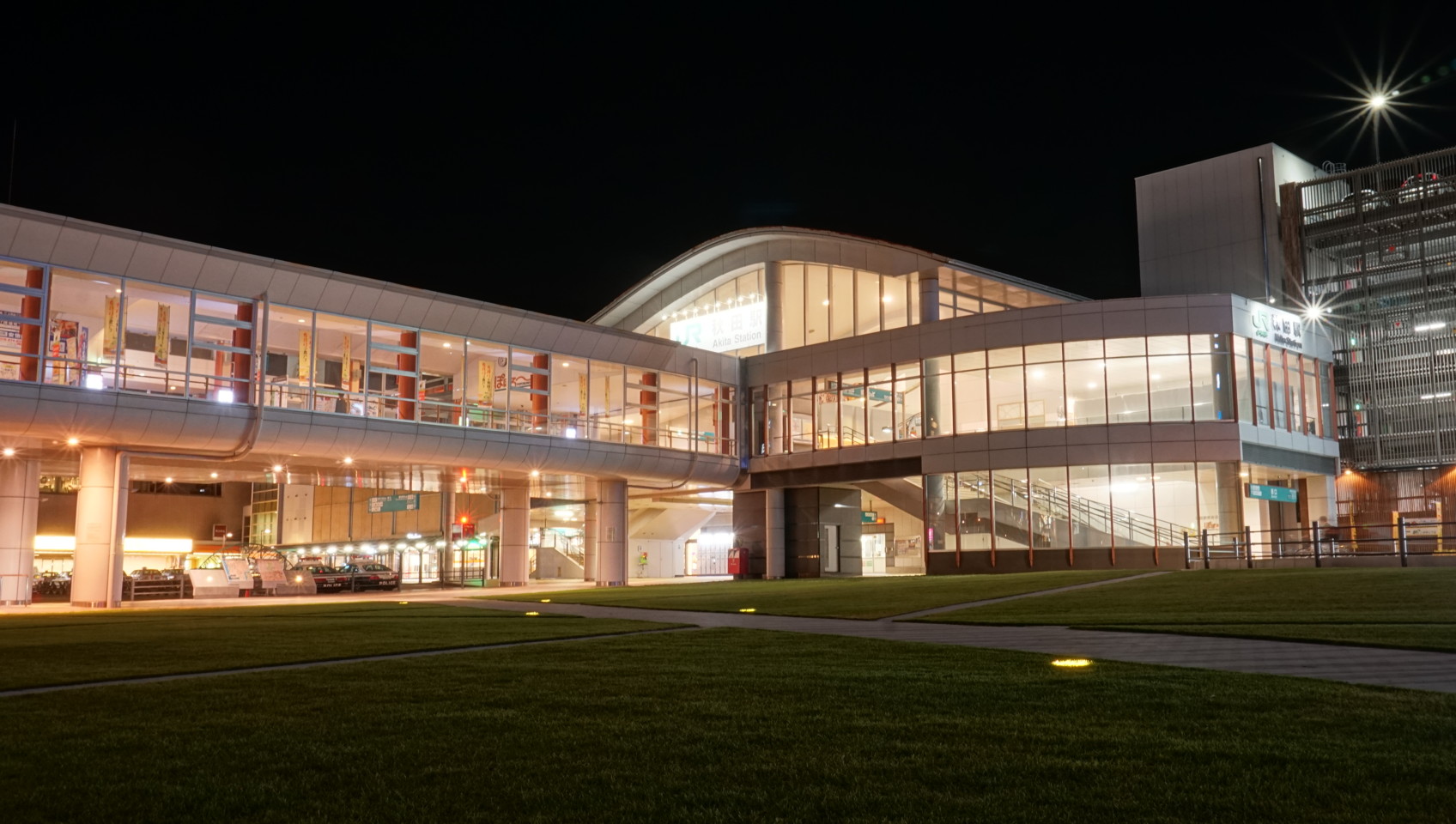
Akita’s nightlife is straightforward: good izakaya, local sake, and calm bars. The “right” move is usually to pick a solid place, order properly, and let staff guide the flow.
How to do it: Ask what’s local and seasonal — it’s normal and welcomed.
Timing: Earlier start, earlier close than big-city party districts.
Yamagata 山形
Yamagata nightlife is “small-city Japan” done perfectly: bars and izakaya that serve locals, with a strong focus on food and drink quality over variety. The best nights are calm and deliberate.
How to do it: Dinner → one bar; don’t force a long crawl.
Vibe: Steady, polite, low volume.
Fukushima 福島
Fukushima’s nightlife is spread across practical downtown pockets rather than a single mega district. It’s best experienced as “one focused area for the evening” rather than trying to cover everything.
How to do it: Keep your route short and repeatable — choose places with clear menus and visible crowds.
Energy: Moderate, local, friendly if you’re respectful.
How to do Tohoku
Tohoku rewards structure. If you keep a simple rhythm, nights feel smooth everywhere: eat well → drink steadily → finish clean.
• お通し (otoshi): common at seated izakaya.
• チャージ (charge): sometimes at small bars (ask first).
• Snack/karaoke-style bars may have set fees — confirm pricing before sitting.
チャージありますか? (Is there a charge?)
だいたいいくらですか? (About how much will it be?)
• Last trains end your night — plan your final stop with that reality.
• Cold weather changes everything: choose “tight radius” nights.
• Smaller cities: English support varies; pointing + simple Japanese works.