Overview: how Ueno / Okachimachi works
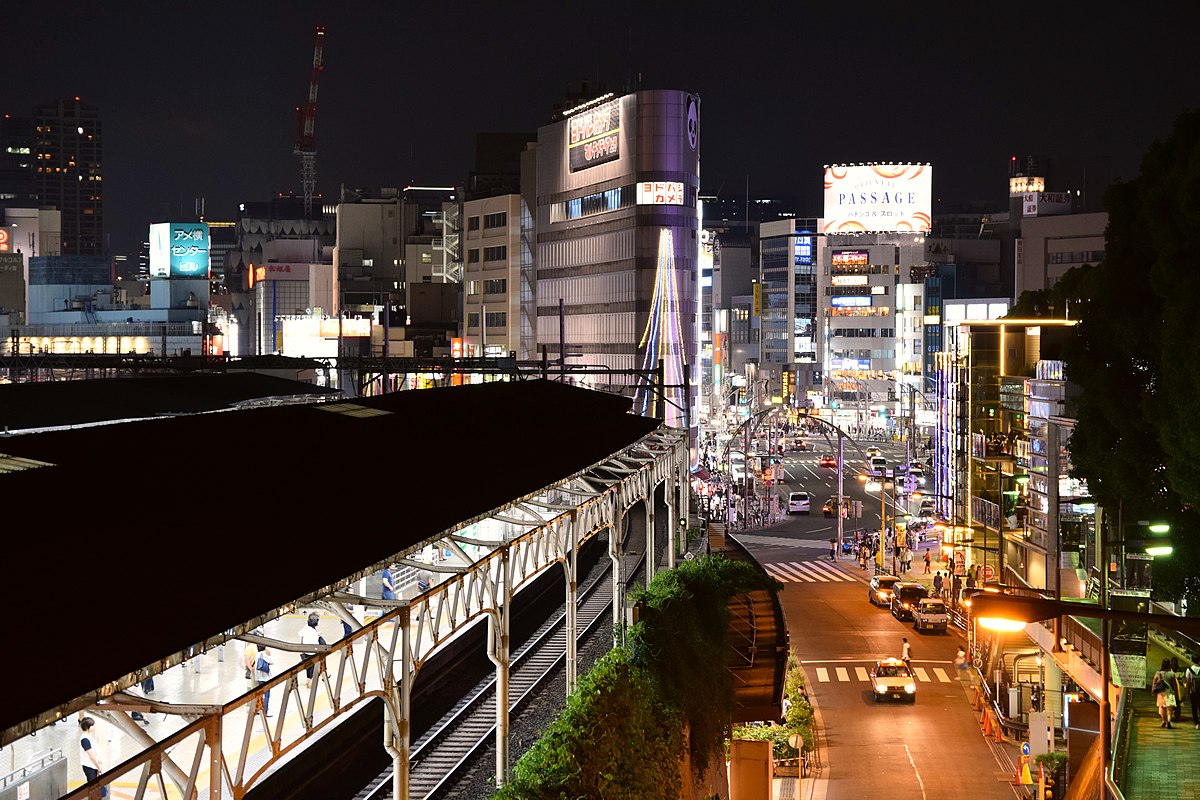
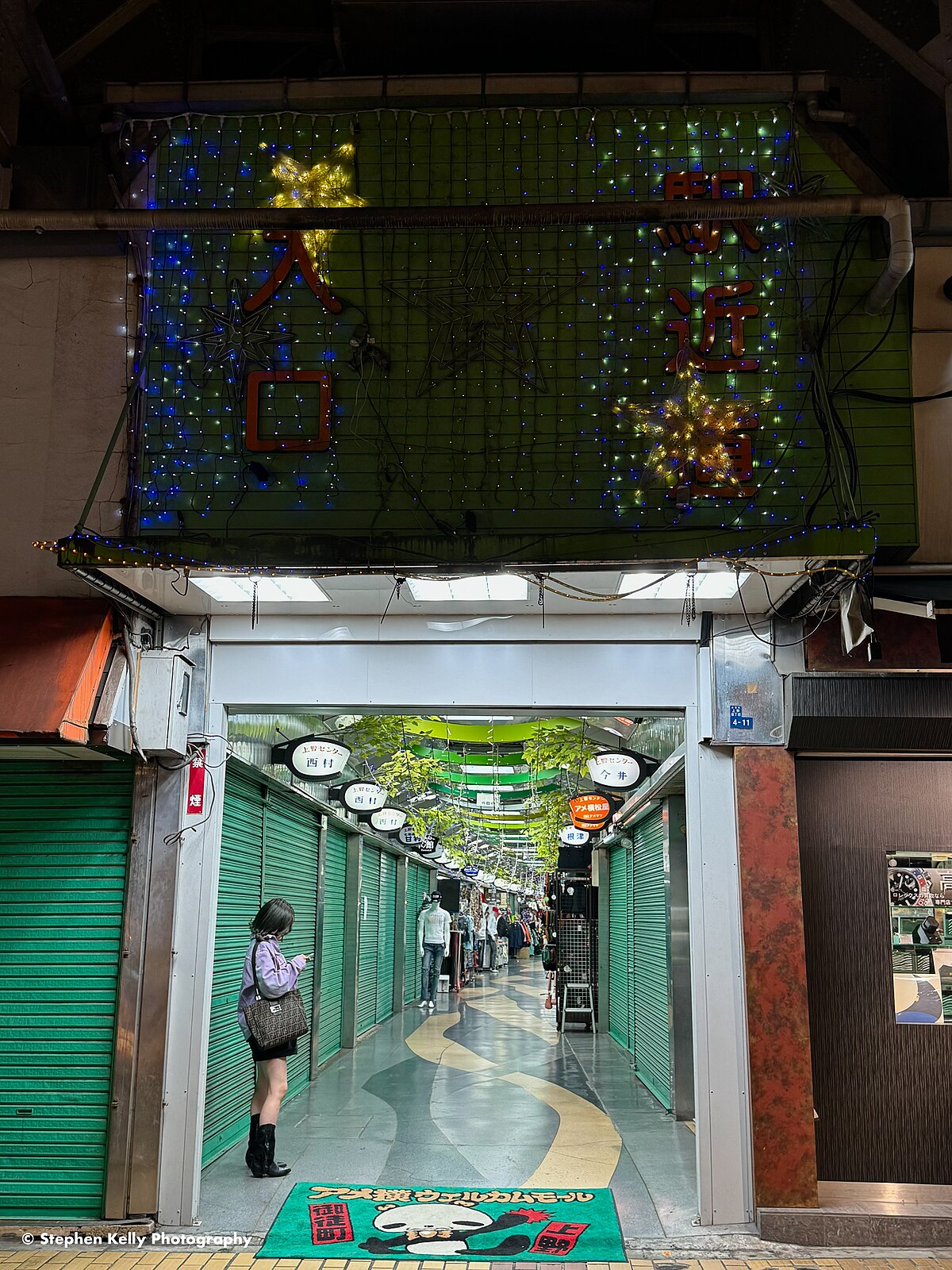
Ueno and Okachimachi form one of Tokyo’s most working-class nightlife zones. This is not curated nightlife — it’s the extension of daily life. People finish work, grab food, drink hard, laugh loudly, and go home.
Peak hours: 17:30–22:30 (earlier than most nightlife districts).
Not for: Quiet cocktail nights or stylish clubbing.
Ueno Station & Ameyokō 上野駅・アメ横
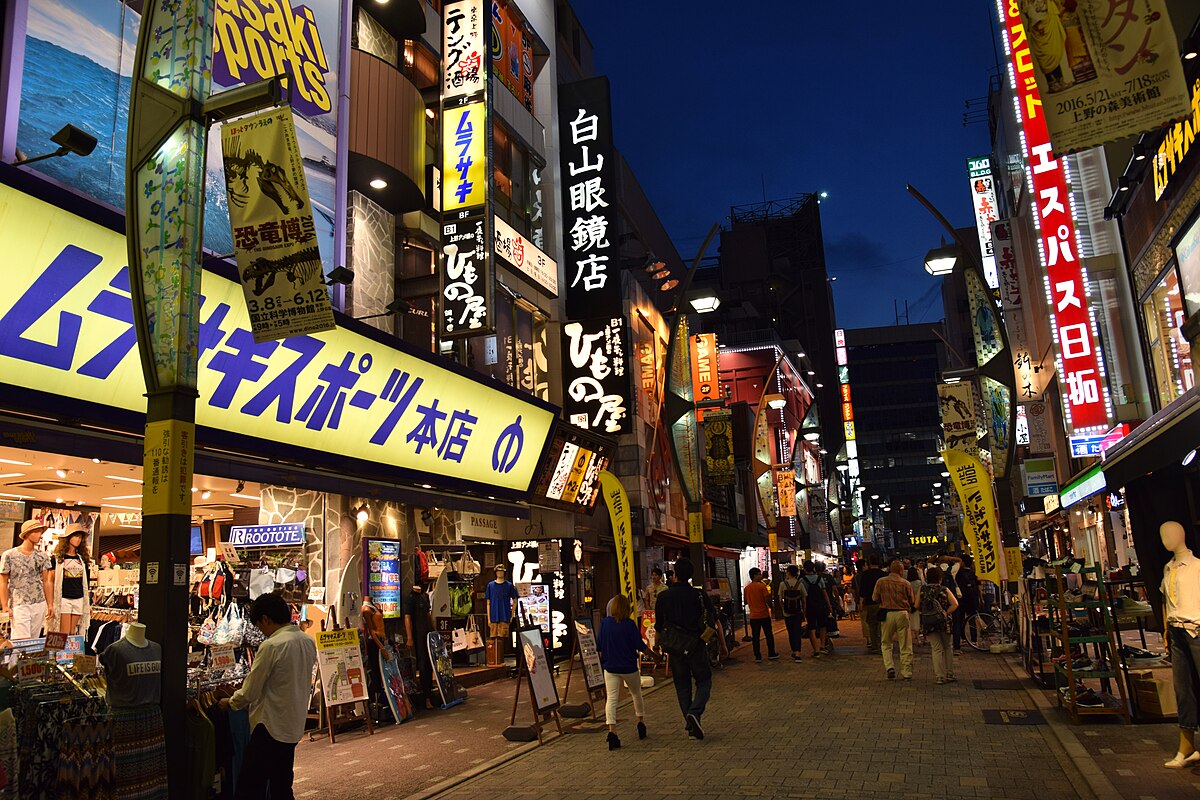
Ameyokō (Ameya-Yokochō) is famous as a daytime market, but at night it transforms into a wall-to-wall drinking zone. Izakaya spill into the street, standing bars fill instantly, and the atmosphere is unapologetically loud.
How to do it: Walk until you see energy, then stop. Overthinking kills the vibe.
Seating: Many places are standing-only — this is normal.
Okachimachi 御徒町
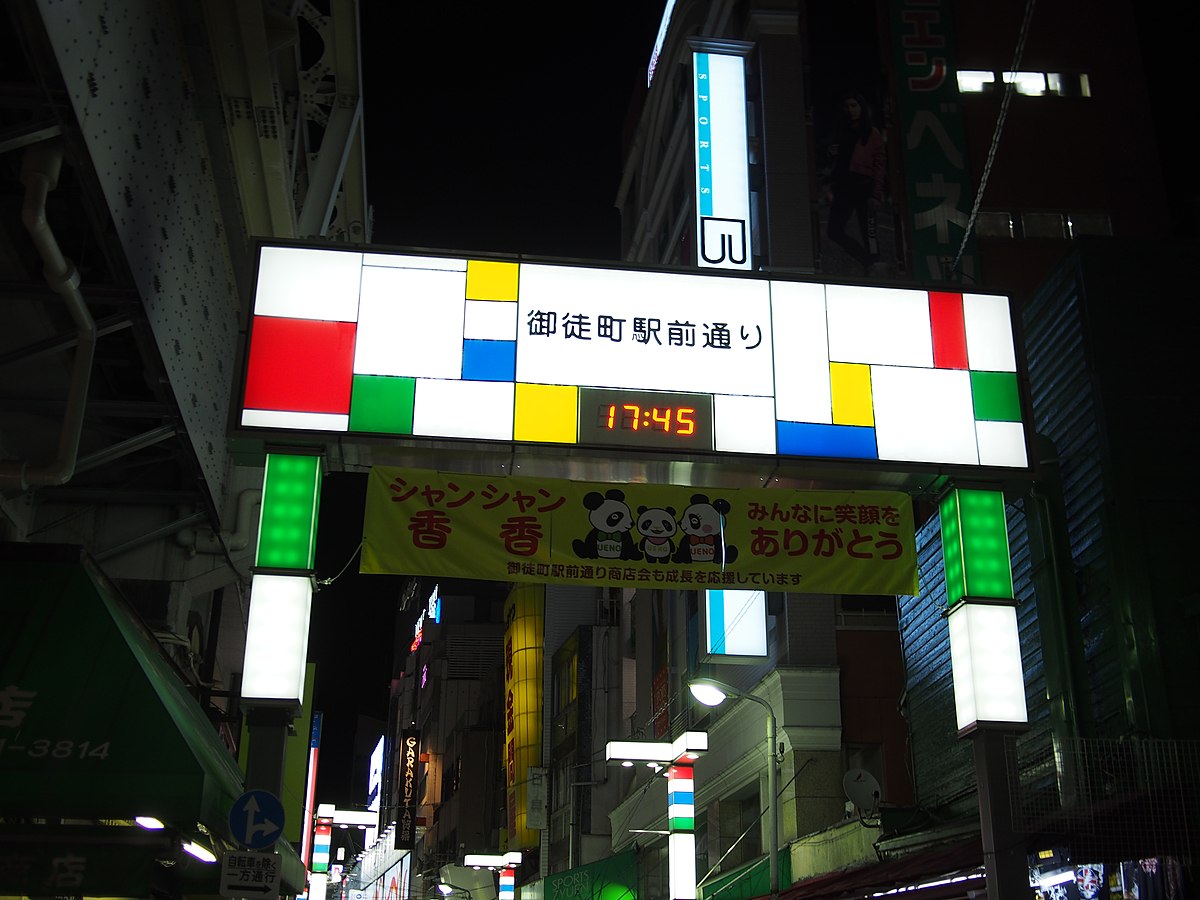
Okachimachi extends the Ueno vibe southward. Under the tracks and on side streets, you’ll find some of the densest izakaya clusters in the city. The crowds skew local, the prices are reasonable, and the rules are simple.
Language: Minimal English — pointing and basic Japanese go a long way.
Group size: Small groups fit best; large groups slow service.
How to do Ueno / Okachimachi
Nights here are about momentum, not mood-setting. If you understand the basic rules, everything feels easy.
• お通し (otoshi): normal at seated izakaya.
• Standing bars usually have no charge.
• Prices are often written on walls or boards — look up.
• Start with beer or highball.
• Order food immediately — drinks-only is less common here.
• Pay attention when staff speak; they move fast.