Overview: what Yokohama nightlife is
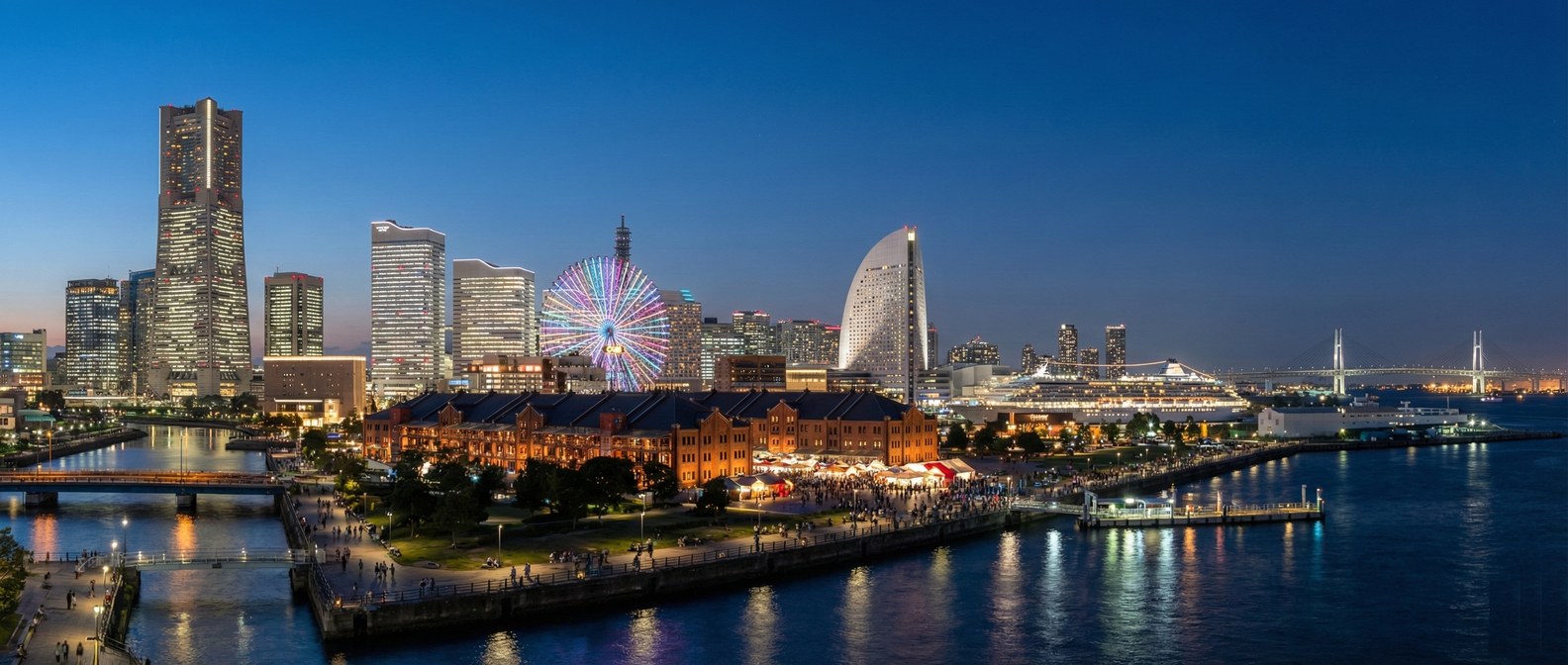
Yokohama nightlife is the best “non-Tokyo big city night” in the Kanto area. It has real bar density, a historic port-city atmosphere, and a strong local drinking culture. The key difference from Tokyo: Yokohama nights feel less performative and more grounded, with many places that exist for regulars.
Not about: Tokyo-scale club superdistricts (though there are clubs and late spots).
Peak hours: 18:00–23:30 (Noge can run later).
Yokohama Station (West Exit / Nishi-guchi) 横浜駅西口
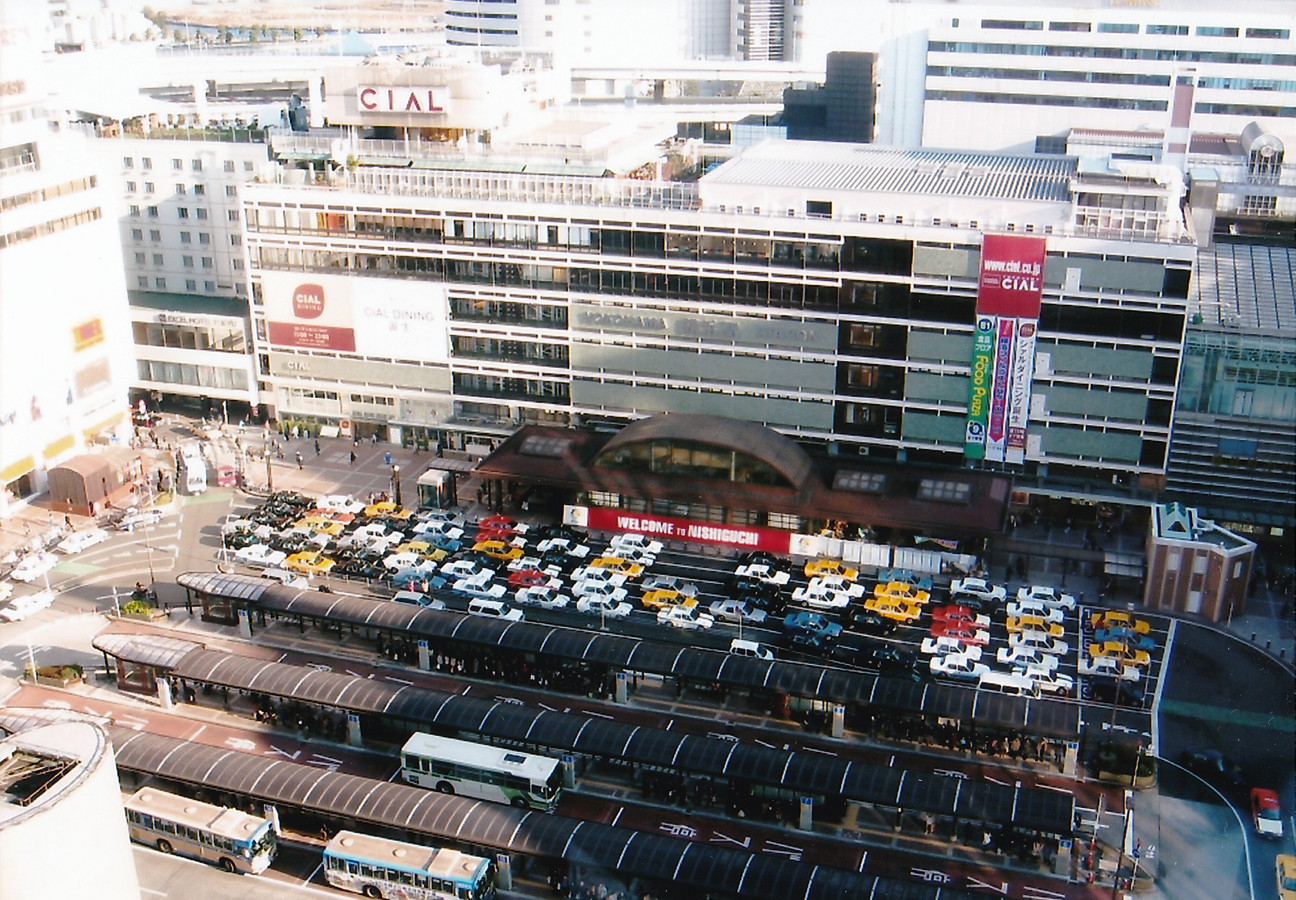
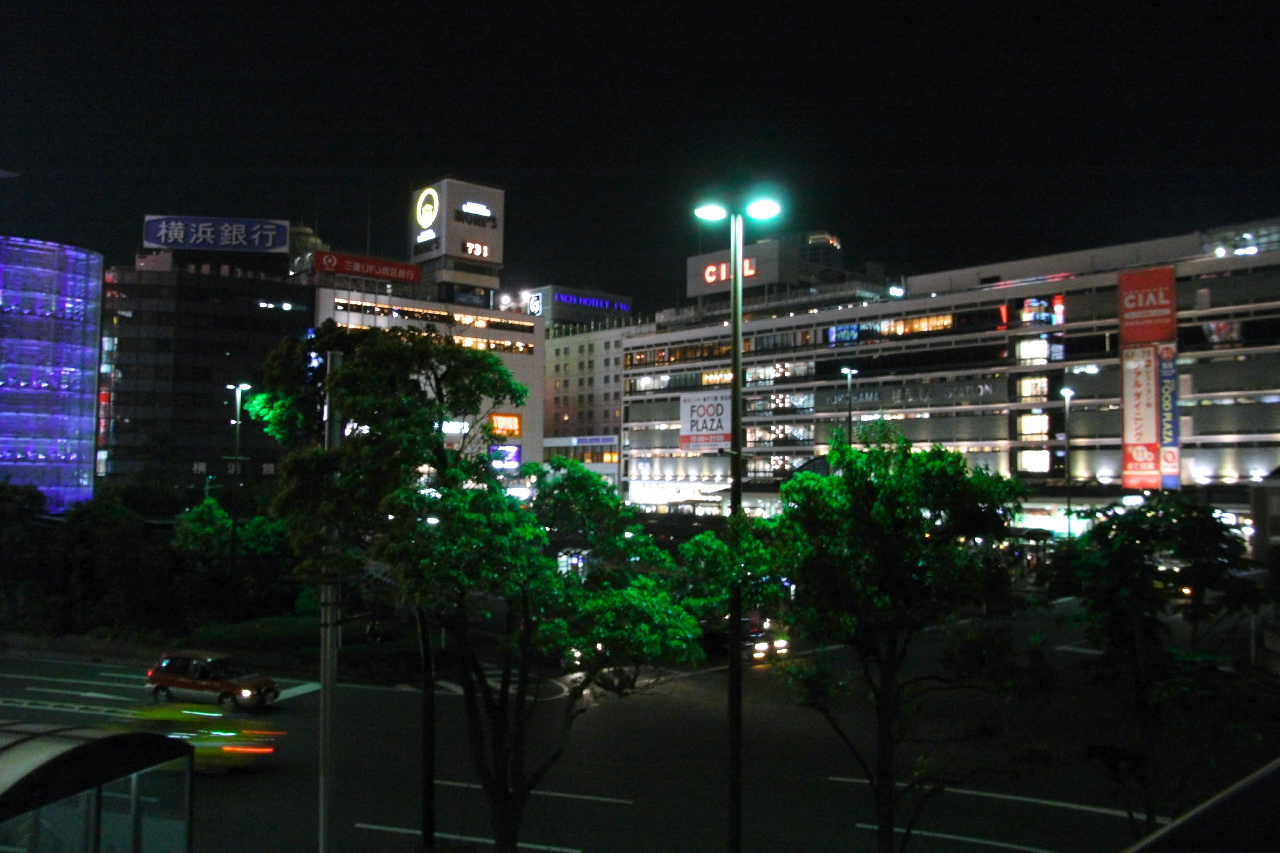
The Yokohama Station area is the city’s biggest “default night out.” It’s not one single alley—it's a wide field of izakaya, casual bars, karaoke, and late-night dining designed for commuters and groups.
How to do it: Choose one izakaya for food, then a smaller bar for a second stop.
Atmosphere: Busy and social, but not chaotic.
Noge / Sakuragichō 野毛・桜木町
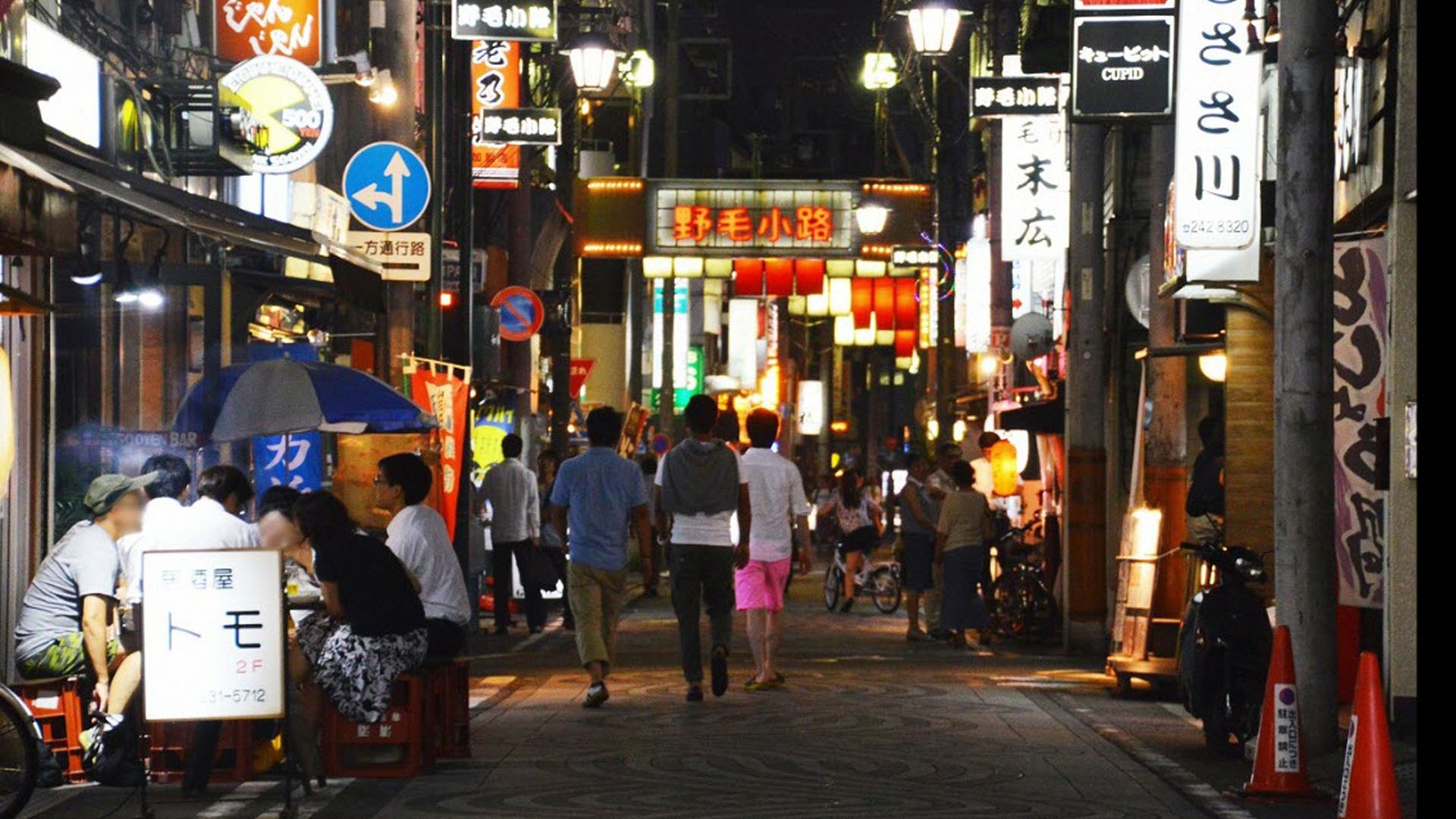
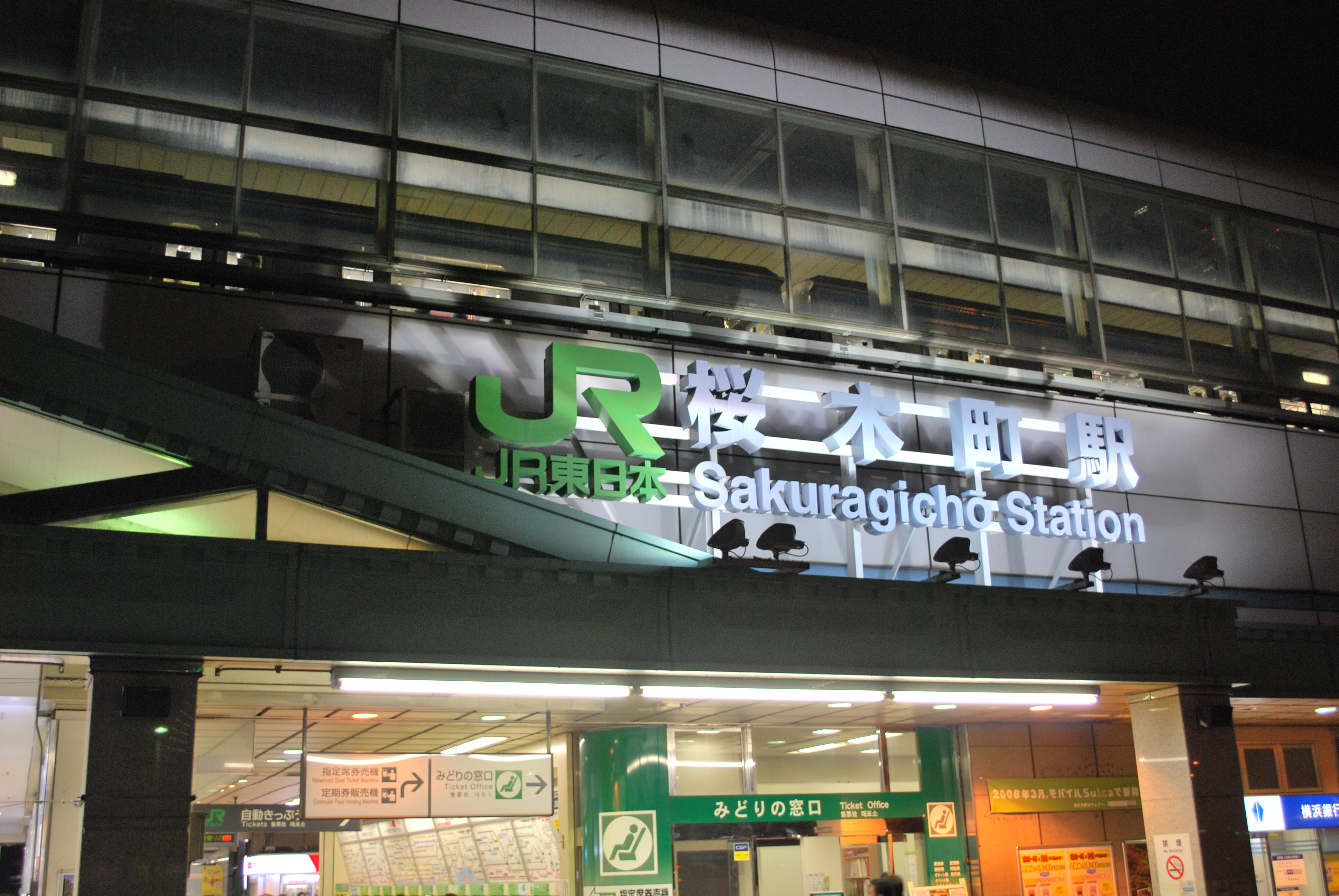
Noge is the Yokohama area that nightlife people actually talk about. It’s a yokocho-style maze packed with tiny izakaya, standing bars, yakitori, wine bars, and “one-owner” spots where regulars hold the atmosphere together.
• Many small shops (6–12 seats is common)
• One-drink-and-move culture when crowded
• Loud, warm, and social—strangers talk more than in Tokyo
• Start early (17:30–19:00) to get seats
• Keep your order simple at first: beer/highball + a quick plate
• Rotate 2–4 stops depending on crowd density
Kannai / Isezakichō 関内・伊勢佐木町
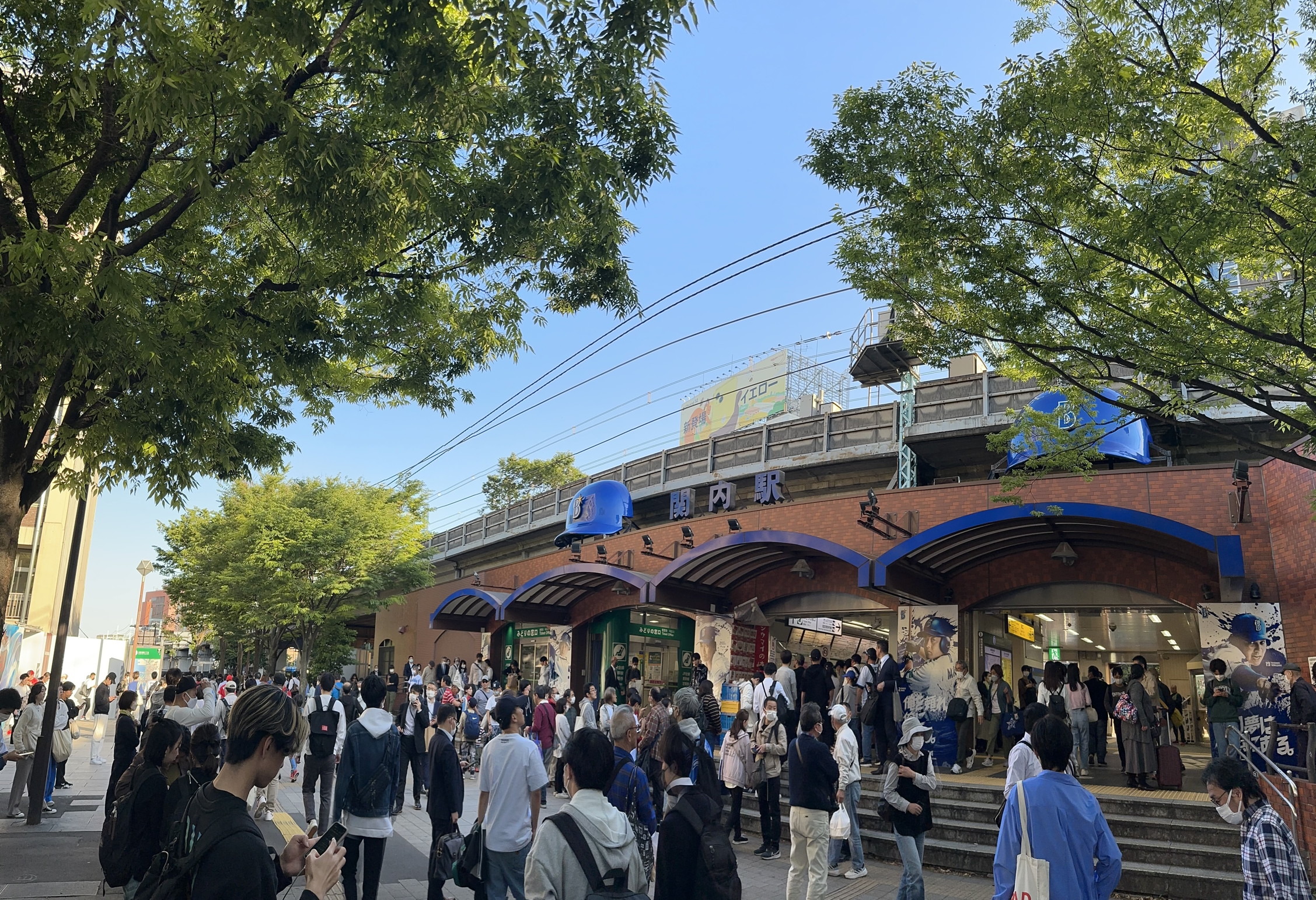
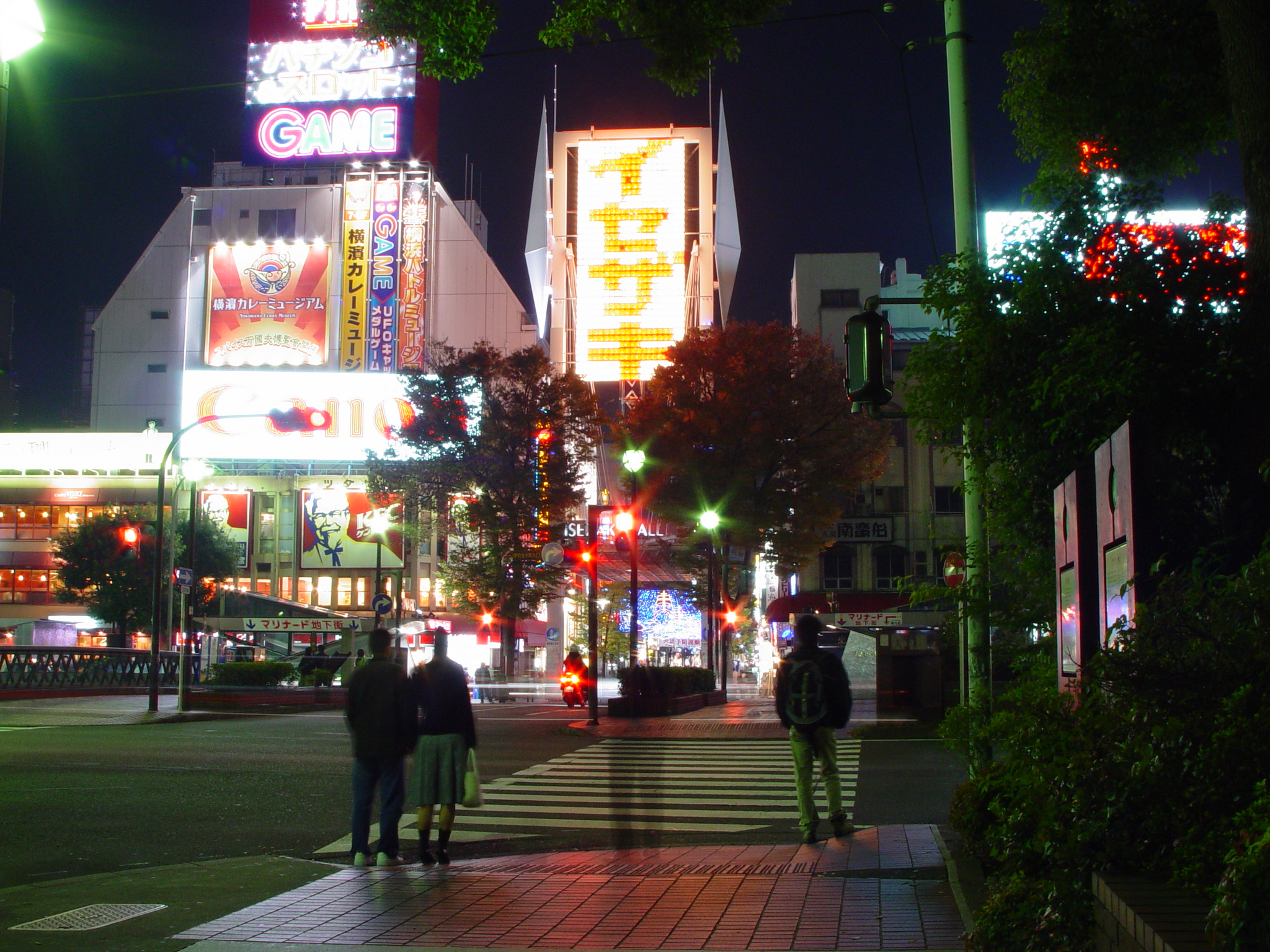
Kannai and Isezakichō form Yokohama’s classic “downtown night” zone: restaurants, bars, karaoke, and a layered adult nightlife presence. It’s less cute than Minato Mirai and less yokocho-dense than Noge—more straightforward city nightlife.
How to do it: Eat first, then pick one bar. This area rewards committing rather than hopping too fast.
Chinatown / Motomachi / Ishikawachō 中華街・元町・石川町
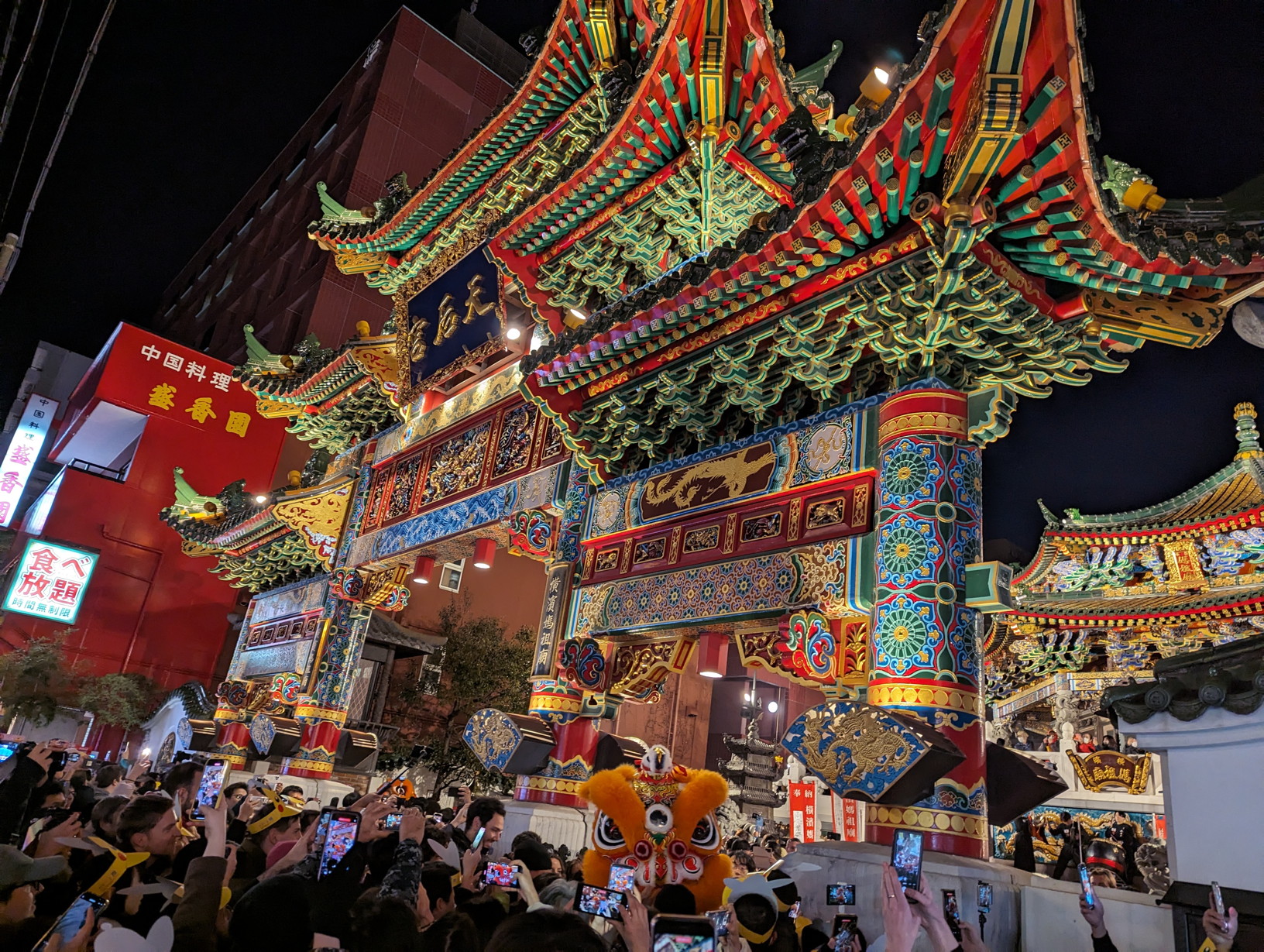
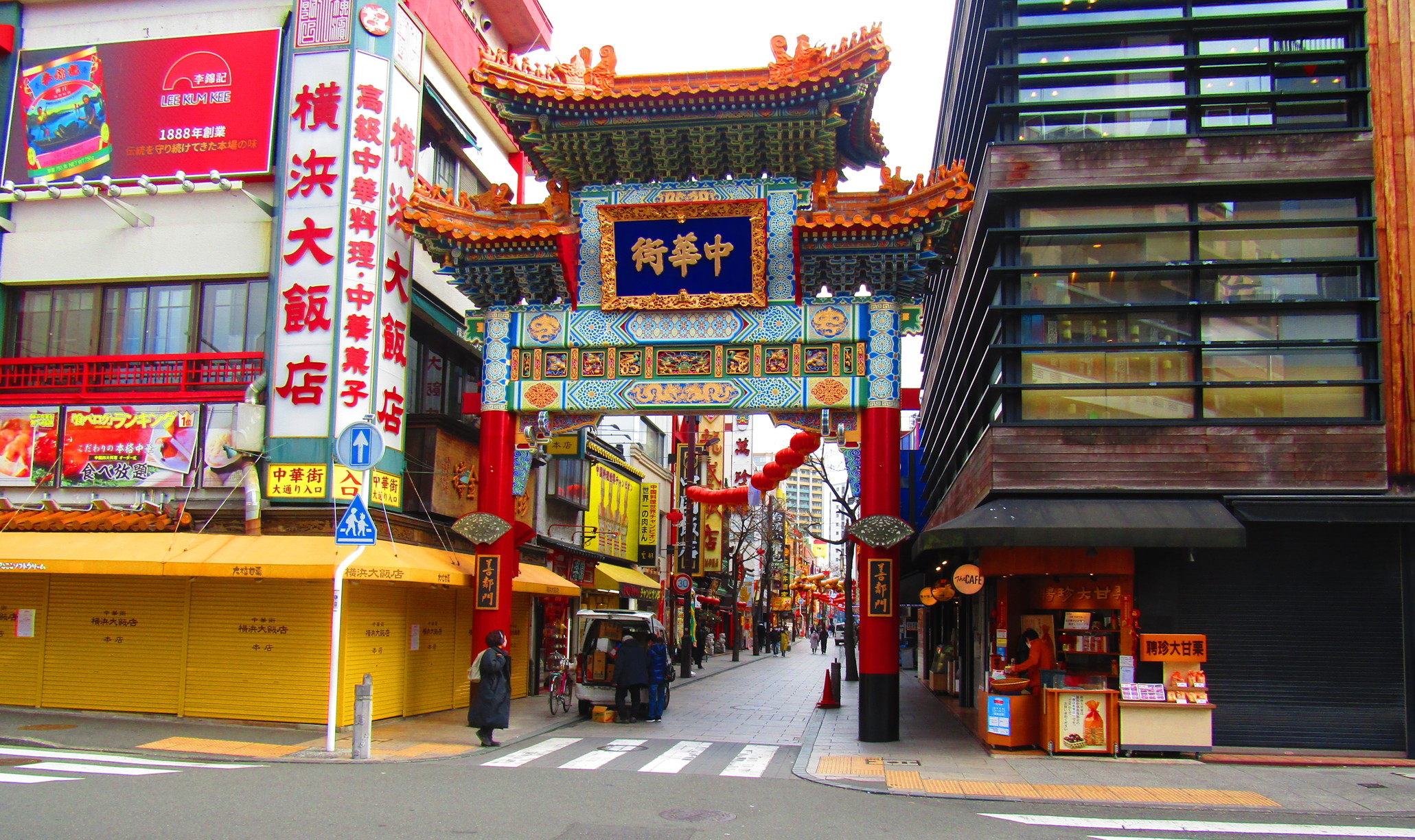
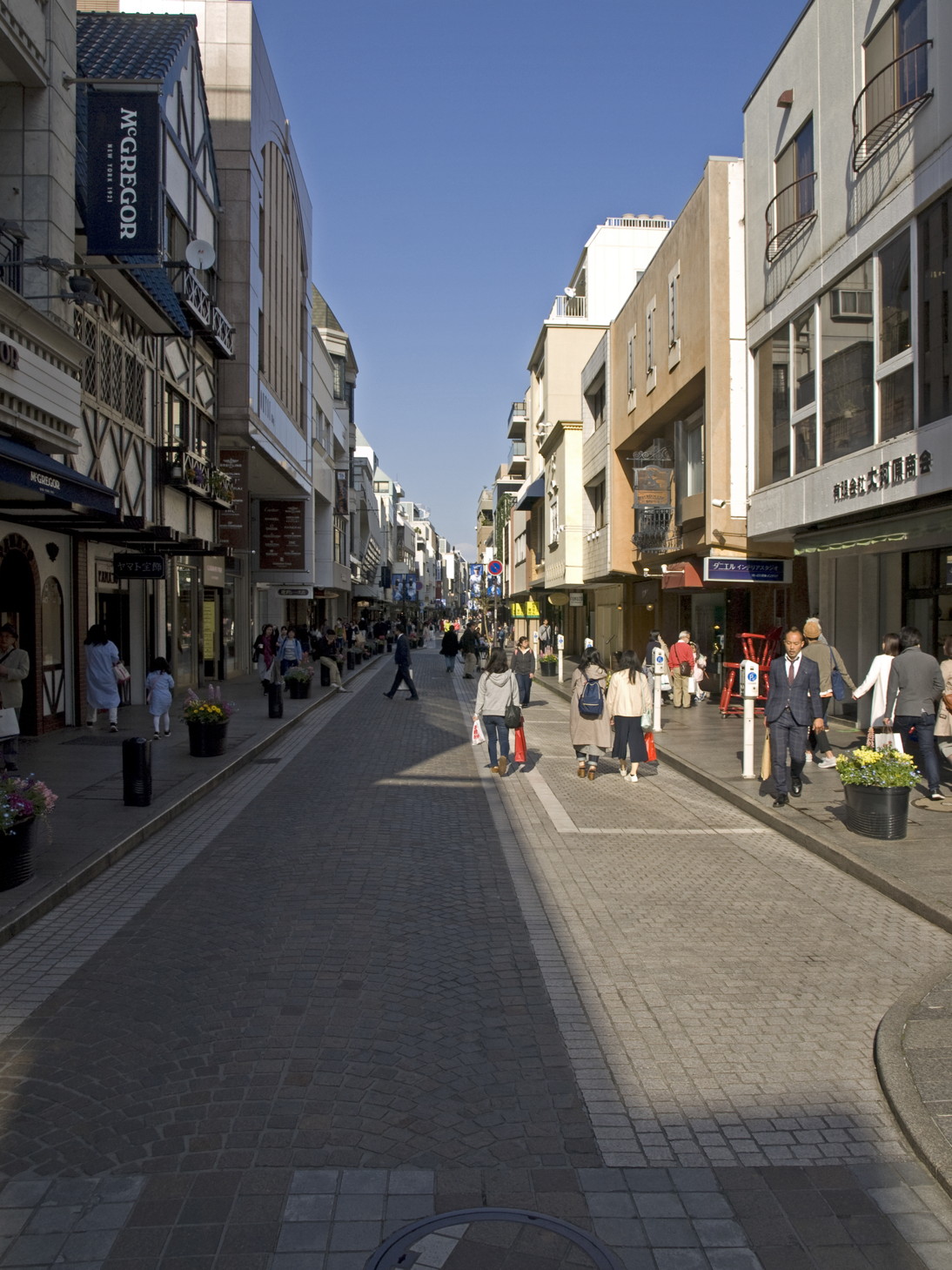
Chinatown is an evening destination: eat, walk, snack, and enjoy the visual atmosphere. Bar culture exists, but it’s not the core. Motomachi adds calmer, adult-feeling bars and restaurants, while Ishikawachō is your practical station access.
How to do it: Eat hard → one drink somewhere calm → finish in Noge if you want “real nightlife.”
Minato Mirai (destination nights) みなとみらい
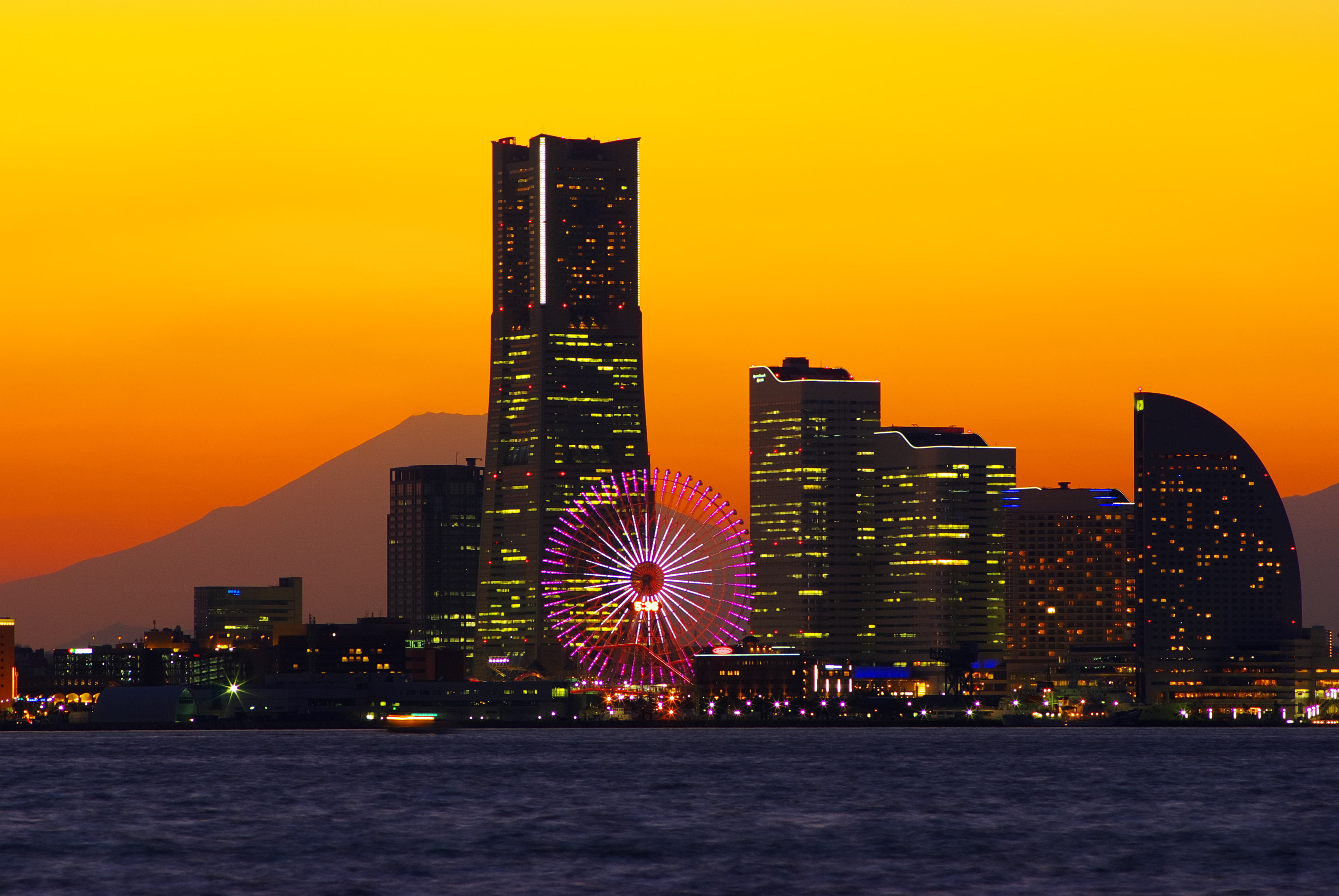
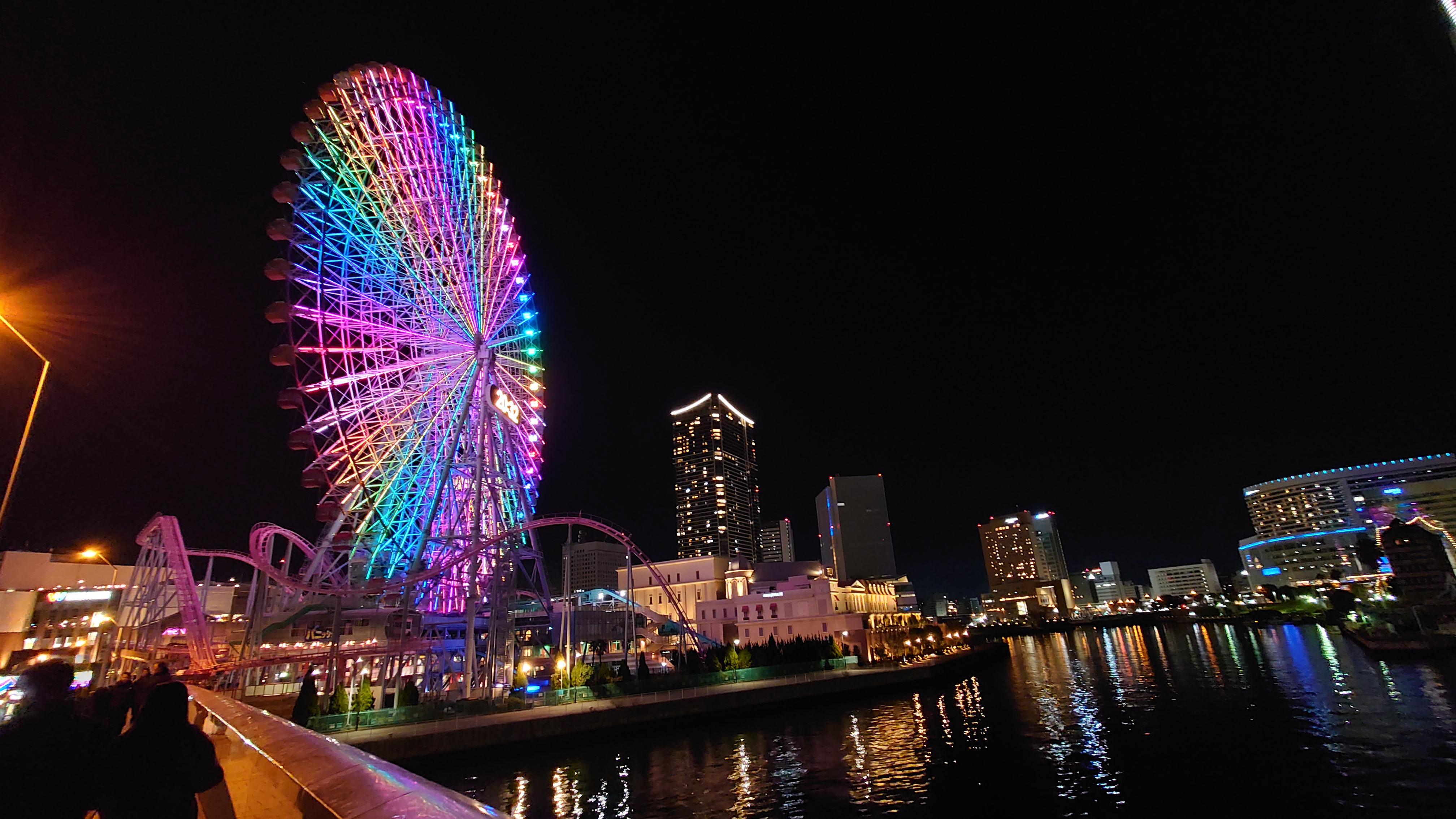
Minato Mirai is an evening-out area: skyline walks, waterfront atmosphere, and restaurant/hotel bars. It’s not a deep drinking district—think “views + comfort.”
How to do it: One nice meal + one nice bar, then finish elsewhere if you want energy.
Shin-Yokohama (concert / hotel nights) 新横浜
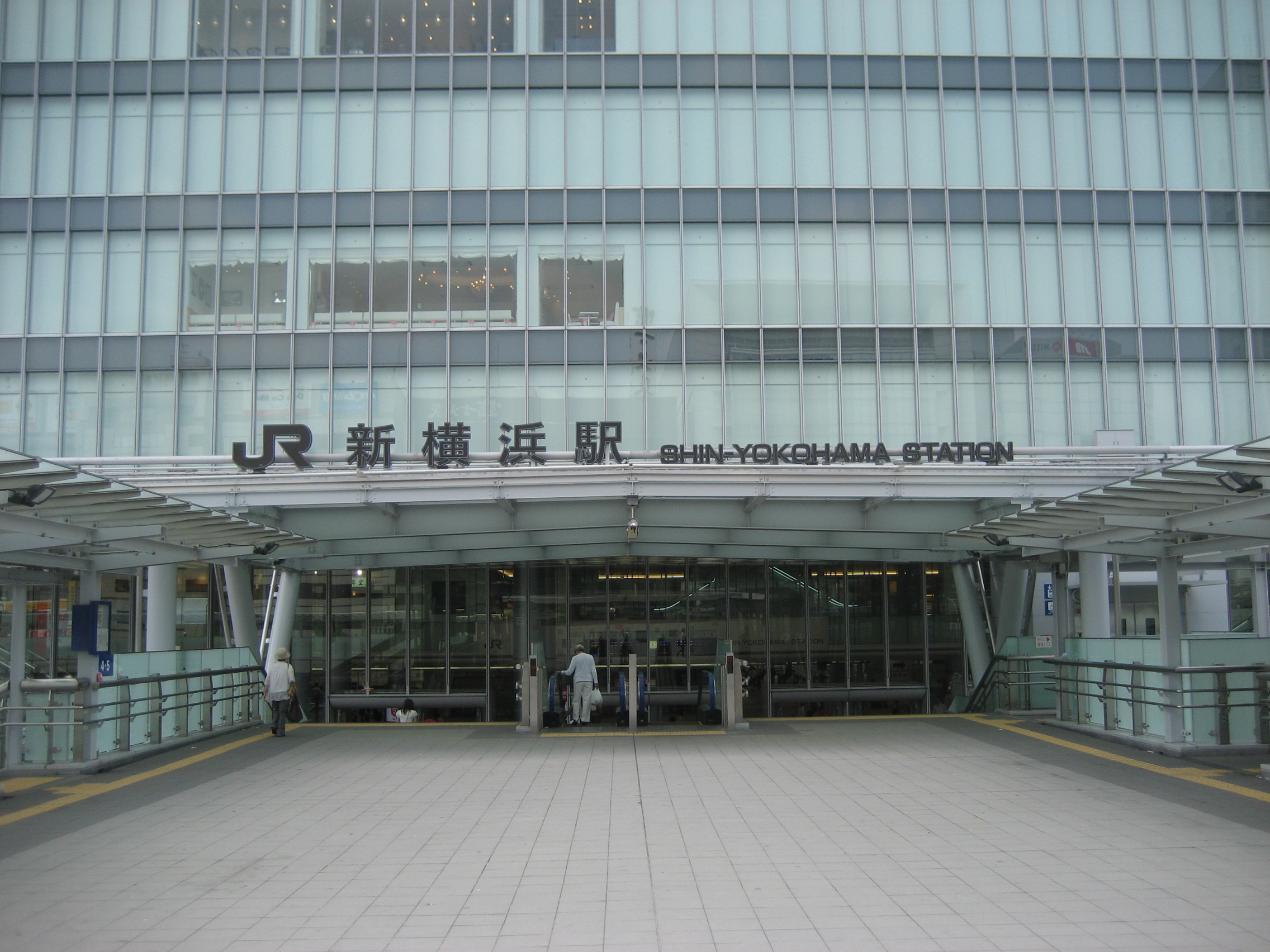
Shin-Yokohama is best understood as an event and hotel hub. Nights become lively when there’s a concert or game; otherwise it’s practical dining and business hotels.
How to do it: Reserve on event nights—places can fill quickly.
Tsurumi (Tokyo-border local nights) 鶴見
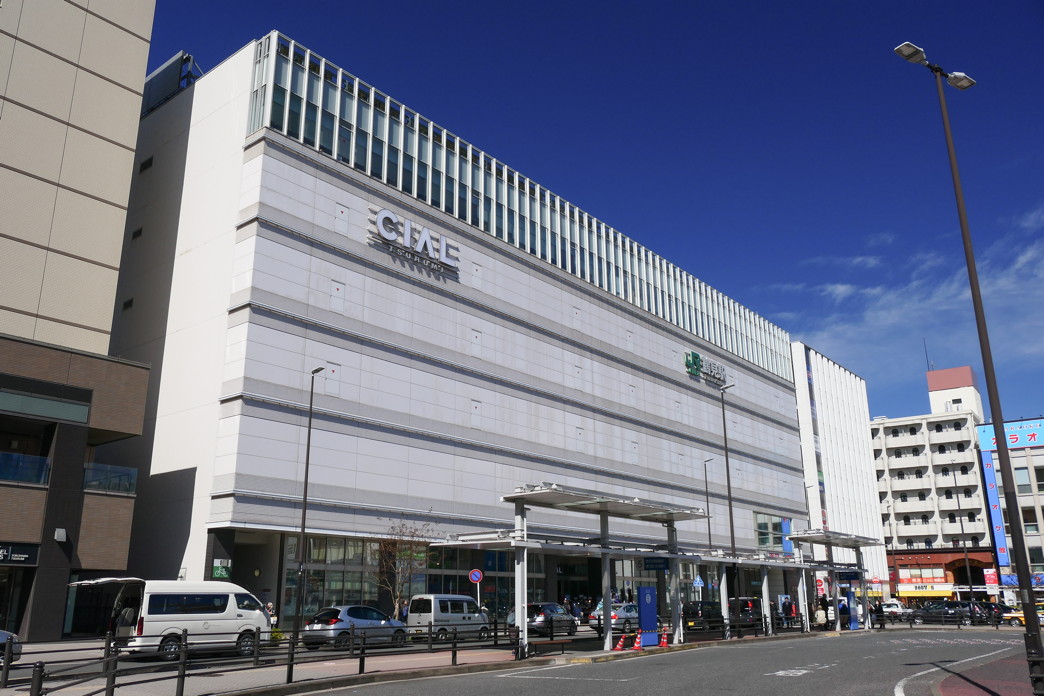
Tsurumi is a strong local station nightlife zone with izakaya streets, casual bars, and late food. It’s a good “real local” option if you’re staying nearby or moving between Tokyo and Yokohama.
How to do it: One izakaya + one bar. Two stops is often perfect.
How to do Yokohama (charges, etiquette, pacing)
• お通し (otoshi): normal at seated izakaya (small appetizer + fee).
• 席料 (seki-ryō): occasional seating charge at bars/wine bars.
• Small alley shops (especially Noge) may expect at least 1 drink + 1 food item per person.
チャージありますか? (Is there a charge?)
一人いけますか? (Can you take one?)
二人いけますか? (Can you take two?)
• Start earlier than Tokyo (especially in Noge).
• If it’s tiny and packed, one drink and rotate—this is polite and normal.
• Don’t chase “the perfect place.” Pick a warm-looking shop and commit.