Overview: why Yoyogi / Sendagaya matter
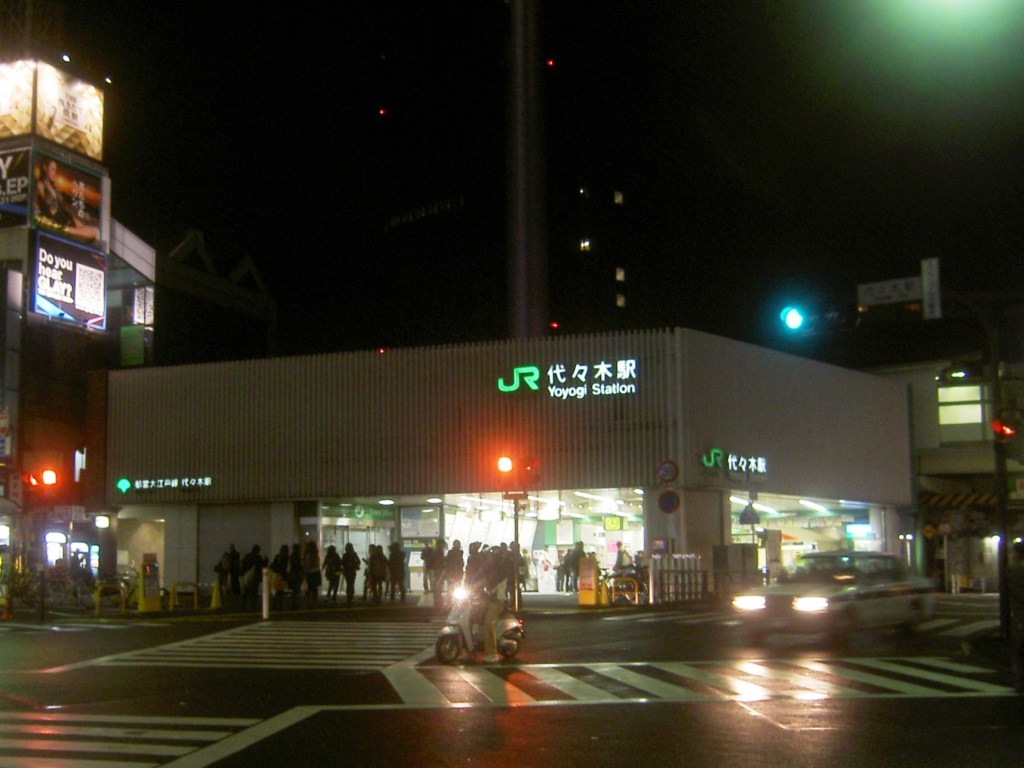
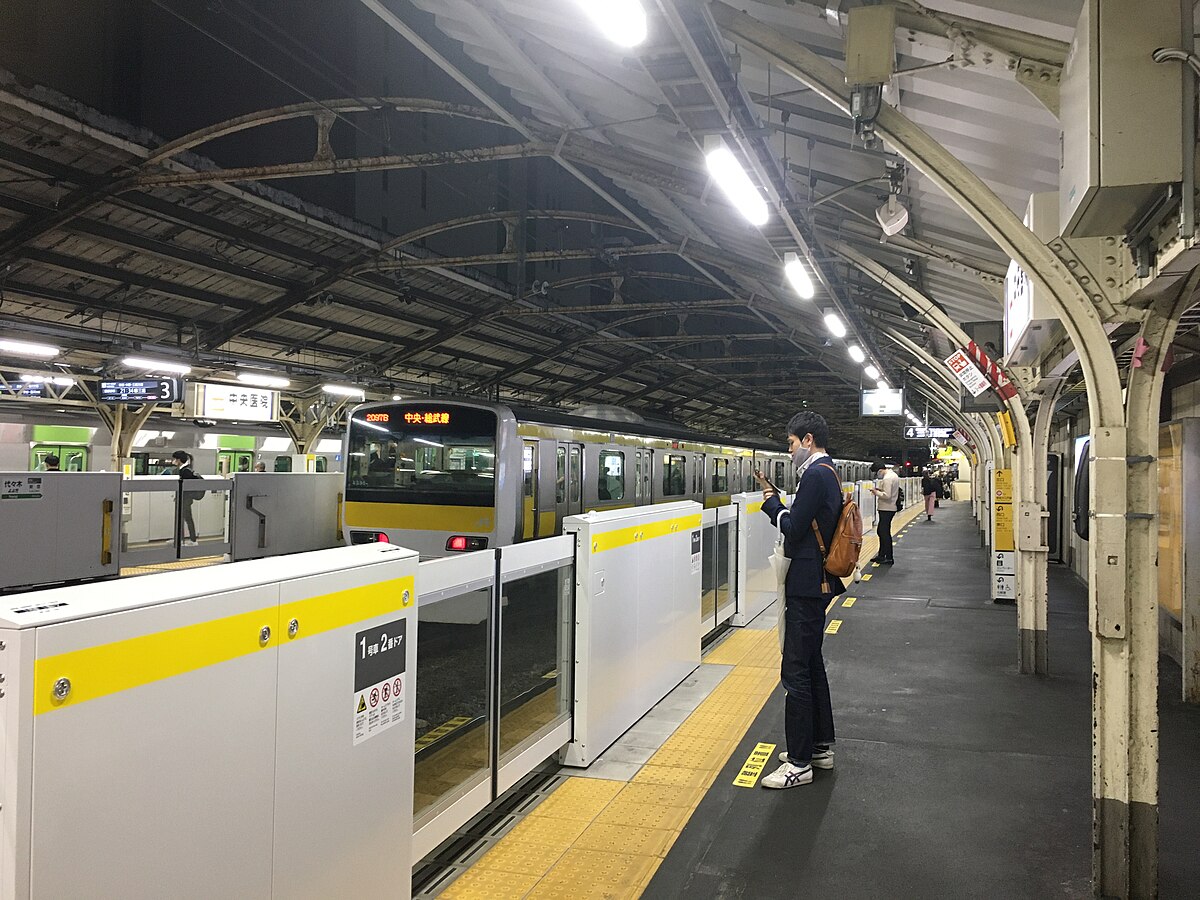
Yoyogi and Sendagaya sit between Shinjuku, Shibuya, Harajuku, and Aoyama. They are not destination nightlife zones — they are connector neighborhoods. Nights here are calm, practical, and human-scale.
Not about: Bar crawls, clubs, late-night chaos.
Peak hours: 18:30–22:30.
Yoyogi 代々木
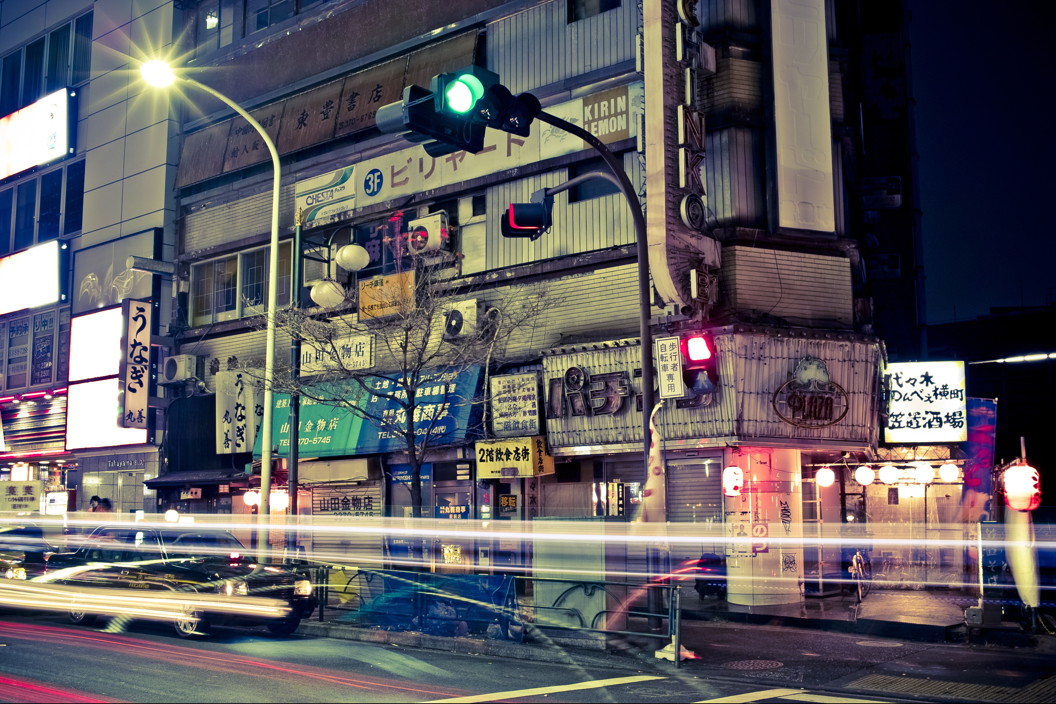
Yoyogi nightlife is understated and functional. You’ll find sports bars, casual izakaya, and small drinking spots used by office workers, creatives, and people who live nearby.
How to do it: Pick one place and settle in rather than hopping.
Atmosphere: Friendly, familiar, non-performative.
Special Mention: Hobo Shinjuku ほぼ新宿のれん街
Hobo Shinjuku (officially ほぼ新宿のれん街 / Hobo Shinjuku Norengai) is a newer dining & nightlife pocket just a few minutes’ walk from Shinjuku Station South Exit or Yoyogi Station East Exit. It was established in 2017 by converting a cluster of old Japanese houses and adjacent warehouse space into a lively food alley full of restaurants and bars.
Unlike traditional “yokocho” such as Omoide Yokocho that evolved organically over decades, Hobo Shinjuku was deliberately designed to blend nostalgic Showa-era charm with a wide variety of modern food and drink options — from izakaya and yakitori to Italian, seafood, Korean pocha, oyster & wine bars, and more.
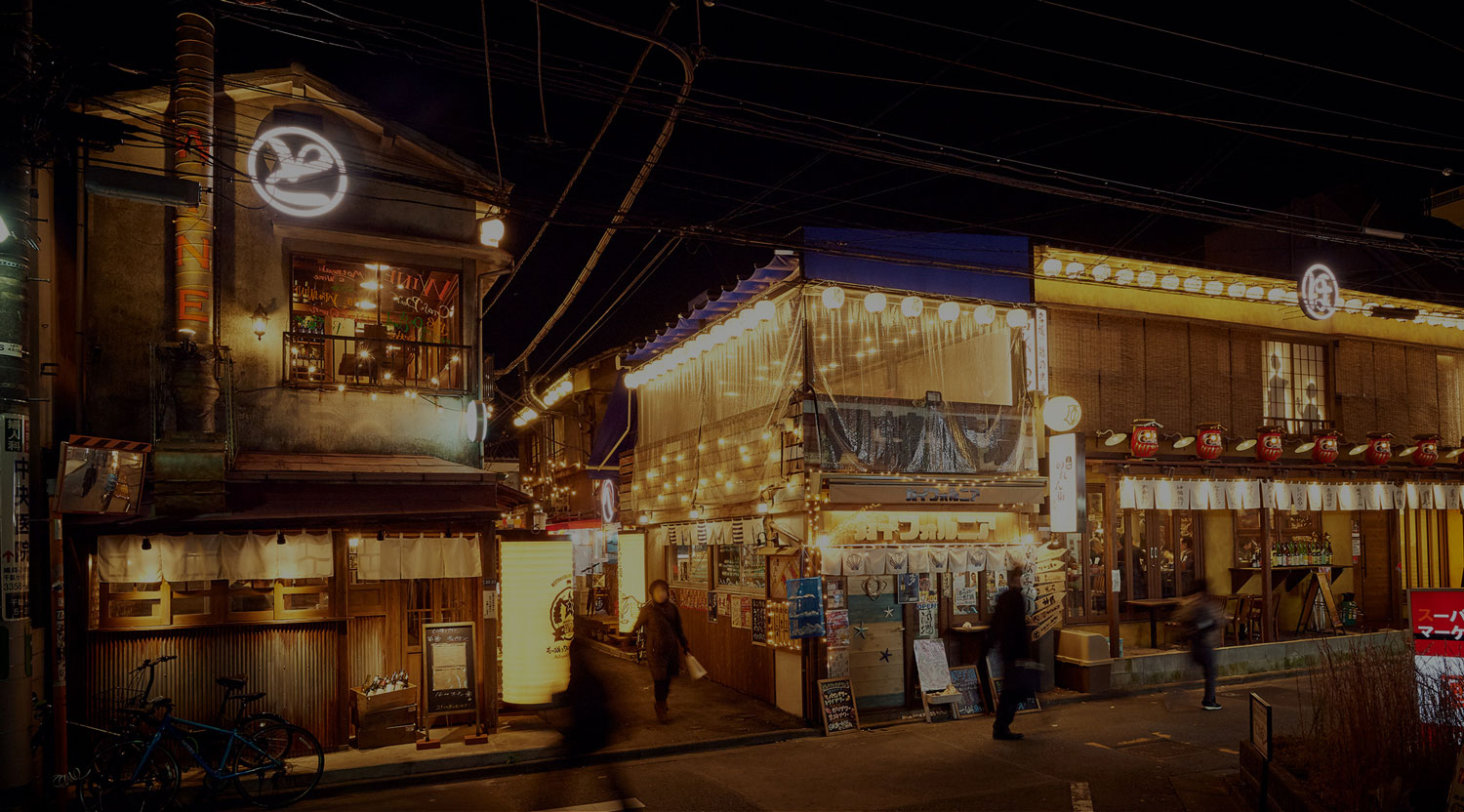
• A curated cluster of ~10+ independent restaurants and bars housed in renovated traditional buildings
• A walkable alley that feels nostalgic but is newer than classic Shinjuku yokocho such as Omoide Yokocho
• Food styles ranging from Japanese izakaya, yakitori, seafood & oysters to international influences (Italian, Korean, etc.)
• A lighter, comfortable pre- or post-club dinner/drinks night
• Groups who want variety without crossing into major nightlife districts
• Visitors who enjoy food-first social drinking in an atmospheric setting
Most individual spots open around early evening and stay open late (often until ~23:00–03:00), but hours vary by shop. It often works well as an early part of a Shinjuku night out — dinner first, then bars/clubs later.
English menus and reservations vary by restaurant. Booking ahead is recommended if you have specific places you want to try, and menus are usually posted at each venue entrance.
Sendagaya 千駄ヶ谷
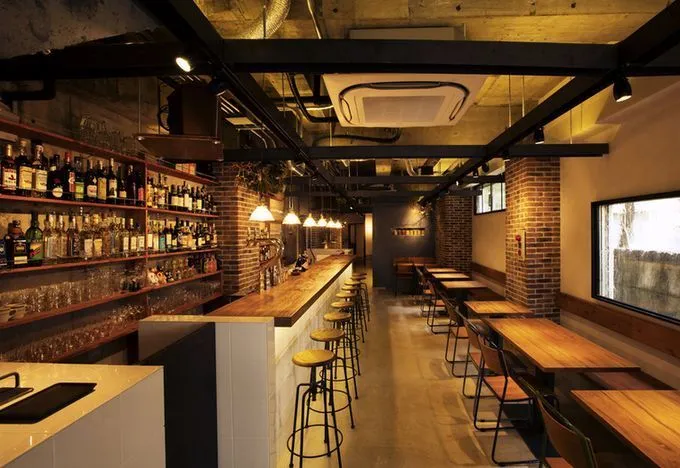
Sendagaya is calmer and more residential than Yoyogi. Nightlife here means wine bars, small restaurants, and owner-run spots that close earlier and rely on repeat customers.
How to do it: Eat well, then add one drink nearby.
Atmosphere: Low-volume, composed, design-forward.
How to do Yoyogi / Sendagaya
These areas are about fitting in rather than standing out. Nights work best when you keep things simple.
• お通し (otoshi): common at izakaya.
• Wine bars may have a small seating charge, usually stated.
• Sports bars are generally straightforward menu pricing.
• One place per night often feels right.
• Drink slower; conversation matters more than volume.
• Finish earlier and move elsewhere if you want energy.